Understanding How Auto Insurance Works in Muhlenberg County, KY
Auto insurance in Muhlenberg County, Kentucky, functions under the state’s mandatory "choice" no-fault system, requiring all drivers to maintain minimum liability and Personal Injury Protection (PIP) coverage to legally operate a vehic...
Auto insurance in Muhlenberg County, Kentucky, functions under the state’s mandatory "choice" no-fault system, requiring all drivers to maintain minimum liability and Personal Injury Protection (PIP) coverage to legally operate a vehicle. Residents must balance these state-mandated coverage levels with optional additions to protect against the specific financial risks associated with rural driving, such as wildlife collisions and varying road conditions.
Contents
The Kentucky No-Fault Framework
Kentucky is one of the few states that operates under a modified no-fault insurance system. This is a critical distinction for any driver in Muhlenberg County. Under this structure, your own insurance company pays for your medical expenses and economic losses—such as lost wages—up to your PIP limit, regardless of who caused the accident. This system is designed to expedite the recovery process for minor injuries by reducing the need for immediate litigation.
However, Kentucky also allows drivers to "reject" the no-fault limitations by filing a specific form with the Department of Insurance. If you choose to opt-out, you retain the right to sue for pain and suffering without meeting the "tort threshold." For most residents, staying within the no-fault system is the standard, but it is essential to understand that your PIP coverage acts as your primary safety net immediately following a collision.
Mandatory Minimum Requirements in Kentucky
To drive legally on the roads of Greenville, Central City, or anywhere within Muhlenberg County, you must carry a policy that meets or exceeds the Kentucky state minimum requirements. As of 2026, these mandates are:
- Bodily Injury Liability: $25,000 per person and $50,000 per accident. This covers injuries you cause to others if you are found at fault.
- Property Damage Liability: $25,000 per accident. This covers damage to another person’s vehicle or property, such as fences or poles.
- Personal Injury Protection (PIP): $10,000 per person. This covers your medical bills and lost wages regardless of fault.
- Uninsured Motorist Coverage: While not technically mandatory to reject, many insurers bundle this. It is highly recommended to protect yourself against drivers who are operating vehicles illegally without insurance.
Evaluating Your Insurance Needs in a Rural Setting
Muhlenberg County’s geography—characterized by a mix of state highways, secondary roads, and rural routes—presents specific risks. Standard state-minimum coverage may leave you financially exposed if you are involved in a significant accident.
Wildlife Collisions
The abundance of wooded areas throughout the county increases the probability of deer and other wildlife strikes. Standard liability insurance does not cover damage to your own vehicle caused by hitting an animal. To get coverage for this, you must purchase Comprehensive Coverage. Because wildlife collisions are common in Kentucky, this is often considered a "must-have" rather than an optional luxury.
Financial Protection Beyond the Minimum
If you are at fault in a serious collision, $25,000 in property damage liability can be exhausted quickly if you hit a newer vehicle or multiple vehicles. Collision Coverage pays to repair your own car regardless of who caused the crash. When deciding your coverage limits, consider the "Replacement Value" of your vehicle. If you drive a newer model, maintaining only the state minimums could result in a significant out-of-pocket loss if the vehicle is totaled.
Comparative Guide to Coverage Types
The following table outlines the differences between the coverage types available to Muhlenberg County drivers to help you determine how to build your policy.
| Coverage Type | What it Pays For | Is it Mandatory in KY? |
|---|---|---|
| Liability | Injuries/damage you cause to others | Yes |
| PIP | Your medical/lost wages (no-fault) | Yes |
| Collision | Damage to your car from an accident | Optional |
| Comprehensive | Theft, fire, weather, or animal strikes | Optional |
| Uninsured Motorist | Damage from drivers lacking insurance | Optional (Highly Recommended) |
How Premiums are Determined
Insurance providers use actuarial data to set rates in Muhlenberg County. While specific pricing is proprietary to each carrier, several factors remain consistent:
- Driving History: Accidents, moving violations, and claims history are the primary drivers of premium cost.
- Vehicle Type: Newer, more expensive vehicles or those with high repair costs usually command higher premiums.
- Credit-Based Insurance Scores: Kentucky law allows insurers to use credit history as a factor in calculating premiums. Maintaining a strong credit profile can often lead to lower rates.
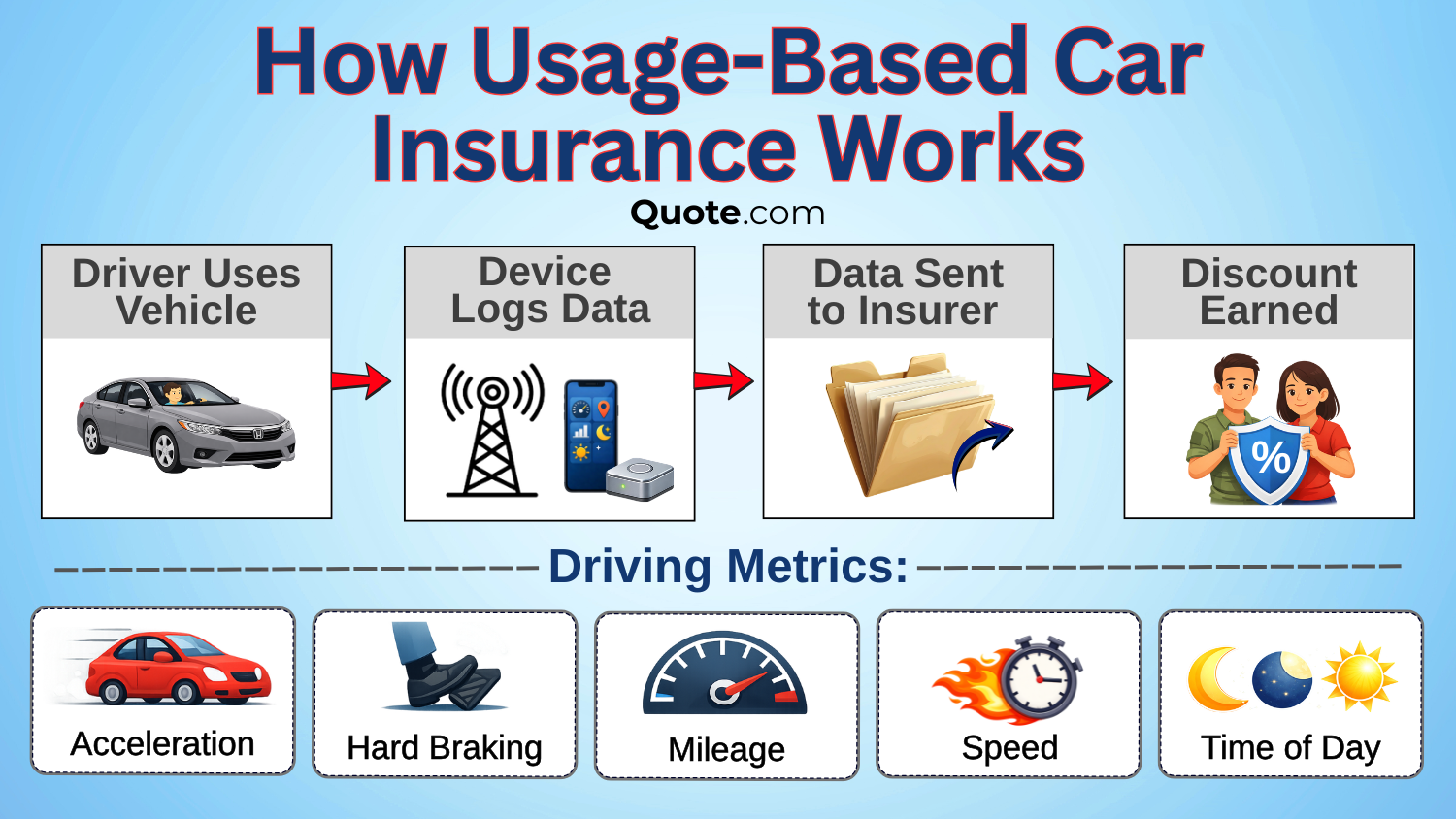
- Annual Mileage: If you commute long distances for work outside of the county, your exposure to risk increases, which may be reflected in your rate.
Steps to Secure and Verify Coverage
- Shop Around: Never settle for the first quote. Compare at least three major carriers, and consider speaking with local independent agents who understand the specific needs of Western Kentucky drivers.
- Review the Declaration Page: Once you purchase a policy, you will receive a declaration page. Check this document to ensure your limits match what you discussed with your agent.
- Electronic Proof of Insurance: Kentucky accepts digital insurance cards. Ensure you have the insurer’s mobile app or a saved PDF on your phone to provide proof of insurance to law enforcement during a traffic stop.
- Annual Reviews: Life changes—such as moving, buying a new car, or adding a teen driver—significantly alter your risk profile. Re-evaluate your policy every 12 months to ensure you are not overpaying or under-insured.
Managing a Claim in Muhlenberg County
If you are involved in an accident, your first step is to ensure safety and contact local law enforcement to file a report. Even if the damage seems minor, a police report is essential for insurance documentation.
Once the immediate scene is cleared, notify your insurance provider as soon as possible. Because Kentucky is a no-fault state, contact your own provider first, even if the other driver was clearly at fault. They will guide you through the process of filing a PIP claim for medical expenses and will subsequently handle the subrogation process—the legal term for your insurer seeking reimbursement from the at-fault party's insurance company.
Frequently Asked Questions
1. Is "full coverage" a legal requirement in Kentucky? No, "full coverage" is not a legal term. It is a colloquial way of saying you carry Liability, Collision, and Comprehensive insurance. Kentucky only mandates Liability and PIP.
2. Can I use my Kentucky insurance if I have an accident in a neighboring state? Yes. Your Kentucky auto insurance policy is designed to provide coverage across all 50 states. However, the legal environment regarding "no-fault" versus "tort" states will shift depending on where the accident occurs.
3. What happens if I let my insurance lapse? Kentucky maintains a database linked to the Department of Vehicle Regulation. If your insurance cancels, the state will be notified. This can lead to the suspension of your vehicle registration and potential fines.
4. Does my insurance cover others driving my car? Generally, in Kentucky, insurance follows the vehicle. If you give someone permission to drive your car, your policy typically covers them. However, if someone frequently drives your car but lives in your home, they should be listed as a named driver on your policy.
5. How can I lower my auto insurance rates? Consider increasing your deductible. Choosing a higher deductible—such as $1,000 instead of $250—lowers your monthly premium, though it increases your out-of-pocket costs in the event of a claim. Additionally, bundling your home and auto insurance often provides a significant multi-policy discount.
Professional Recommendation
For drivers in Muhlenberg County, the most cost-effective and secure approach is to maintain the state-mandated minimums while adding Comprehensive and Collision coverage if your vehicle is less than 10 years old. Furthermore, consult with a licensed agent about "Stacking" Uninsured Motorist coverage. Given the rural nature of the county, ensuring you are protected against hit-and-run incidents or under-insured drivers is the most practical step toward financial security on the road.
Image Gallery