How Much Is Todd Graves Worth? The 2026 Financial Profile of the Raising Cane’s Founder
As of 2026, Todd Graves has an estimated net worth of approximately $10.2 billion. The vast majority of this wealth is derived from his nearly 90% ownership stake in Raising Cane’s Chicken Fingers, the fast-food empire he founded in 19...
As of 2026, Todd Graves has an estimated net worth of approximately $10.2 billion. The vast majority of this wealth is derived from his nearly 90% ownership stake in Raising Cane’s Chicken Fingers, the fast-food empire he founded in 1996. Graves remains the richest person in Louisiana and ranks among the top 100 wealthiest individuals in the United States.
Contents
Todd Graves is not just a business executive; he is the embodiment of the American "bootstrapping" narrative. His journey from a rejected business school student to a multi-billionaire is a case study in focus, operational efficiency, and the power of a limited-menu business model. In 2026, his wealth continues to climb as Raising Cane's expands its international footprint and maintains some of the highest average unit volumes (AUV) in the quick-service restaurant (QSR) industry.
The Foundation of a Multi-Billion Dollar Empire
To understand how Todd Graves reached a ten-figure net worth, one must look at the unconventional path he took to secure his initial capital. In the mid-1990s, Graves presented his business plan for a chicken finger restaurant to several banks and venture capitalists. He was repeatedly told that a restaurant serving only one item would never succeed. Undeterred, Graves decided to earn the startup capital himself through manual labor.
He spent months working as a boilermaker in oil refineries in Southern California and later traveled to Alaska to work as a commercial sockeye salmon fisherman. Working 20-hour days in dangerous conditions, he saved roughly $130,000. Combined with a small loan from SBA and contributions from friends and family, he opened the first Raising Cane’s near the North Gates of Louisiana State University (LSU) in Baton Rouge.
The "One Love" Philosophy and Profitability
The primary driver of Graves' net worth is the relentless simplicity of his business model. Raising Cane's focuses on one thing: high-quality chicken finger meals. This strategy, dubbed "One Love," creates significant financial advantages:
- Supply Chain Efficiency: By purchasing massive quantities of a limited number of ingredients (chicken, potatoes, bread, cabbage), the company achieves significant economies of scale.
- Operational Speed: A limited menu allows for faster training and higher throughput. In 2026, Raising Cane’s restaurants continue to lead the industry in cars-per-hour for drive-thru performance.
- Reduced Food Waste: With fewer SKUs (Stock Keeping Units), the margin for error in inventory management is nearly zero.
Calculating the Valuation of Raising Cane’s in 2026
Because Raising Cane’s is a privately held company, Graves’ net worth is an estimate based on the company's annual revenue, EBITDA (Earnings Before Interest, Taxes, Depreciation, and Amortization), and the market multiples of comparable public companies like Wingstop or Chipotle.
In 2026, Raising Cane's is estimated to generate upwards of $5.5 billion in annual system-wide sales. With over 850 locations worldwide and an average unit volume exceeding $5.5 million per store, the company’s valuation is conservatively placed between $11 billion and $13 billion. Given that Graves owns approximately 90% of the equity, his personal stake is the cornerstone of his $10.2 billion valuation.
Why Graves Refuses to Go Public
Despite constant pressure from Wall Street, Todd Graves has resisted an Initial Public Offering (IPO). This decision is central to his financial strategy. By remaining private, he avoids the short-term pressures of quarterly earnings reports, allowing him to reinvest profits into high-quality real estate and employee compensation. This long-term view has arguably made him wealthier than if he had diluted his shares through a public listing years ago.
Strategic Real Estate and Global Expansion
A significant, though often overlooked, portion of Graves' wealth is tied to real estate. Raising Cane's prefers to own the land and buildings for its restaurants whenever possible, rather than leasing. As the company has expanded into high-traffic areas like Times Square in New York, the Las Vegas Strip, and major international hubs in the Middle East, the underlying value of its real estate portfolio has appreciated significantly.
By 2026, the brand has solidified its presence in:
- Metropolitan Flagships: "Mega-Cane's" locations in global tourism centers that serve as both high-revenue restaurants and massive brand billboards.
- International Licensing: Partnerships in Kuwait, Saudi Arabia, and the UAE, which provide high-margin royalty income without the capital expenditure of domestic expansion.
- Non-Traditional Sites: Expansion into airports and university campuses, which typically offer higher margins due to captured audiences.
Comparison of Net Worth: Todd Graves vs. QSR Industry Peers
Todd Graves belongs to an elite group of founders who have maintained majority control of their brands. Below is a comparison of his estimated wealth and the scale of his operations relative to other major figures and entities in the fast-food sector as of early 2026.
| Metric | Todd Graves (Raising Cane's) | Wingstop (Publicly Traded) | Chick-fil-A (Cathy Family) |
|---|---|---|---|
| Estimated Net Worth | $10.2 Billion | $8.5 Billion (Market Cap) | $15 Billion+ (Combined) |
| Primary Ownership | ~90% (Private) | Public Shareholders | 100% (Private) |
| Estimated Annual Revenue | $5.5 Billion | $4.2 Billion | $20 Billion+ |
| Number of Locations | 850+ | 2,100+ | 3,000+ |
| Average Unit Volume | ~$5.5 Million | ~$1.9 Million | ~$9 Million |
Note: Data reflects estimated 2026 market projections and historical performance trends.
Diversification and External Investments
While Raising Cane’s is the primary source of his wealth, Graves has diversified his interests into media, professional sports, and philanthropy. He is known for "Restaurant Recovery," a television series where he uses his expertise and capital to help struggling independent restaurateurs.
Furthermore, Graves has invested in:
- Collectibles and Memorabilia: He is a noted collector of high-value items, including a $1 million gold-plated Raising Cane’s necklace and various historical artifacts.
- Media Production: His involvement in television and digital media has built a personal brand that transcends the fast-food industry, increasing his value as a spokesperson and entrepreneur.
- Venture Capital: Through his family office, Graves has made strategic investments in technology startups that focus on restaurant automation and supply chain logistics.
Philanthropy and the "Giving Back" Impact
Todd Graves frequently states that he "makes money to give it away." His philanthropic efforts are integrated into the Raising Cane's business model. The company reportedly gives back 25% of its profits to the communities it serves, focusing on five areas: hunger, education, pet welfare, active lifestyles, and business entrepreneurship.
In 2026, his charitable foundations have reached new milestones in supporting foster care initiatives and hurricane relief in the Gulf Coast region. While these donations technically reduce his liquid net worth, they significantly enhance the brand equity of Raising Cane’s, which in turn increases the long-term valuation of his majority stake.
Common Obstacles to Wealth Maintenance
Maintaining a $10 billion net worth in the volatile 2026 economy is not without challenges. Graves faces three primary financial headwinds:
- Commodity Inflation: The price of chicken (poultry) remains the single biggest variable in the company’s profit margins.
- Labor Costs: As Raising Cane's prides itself on higher-than-average wages for its "Crewmembers," rising labor costs require constant operational improvements to maintain EBITDA.
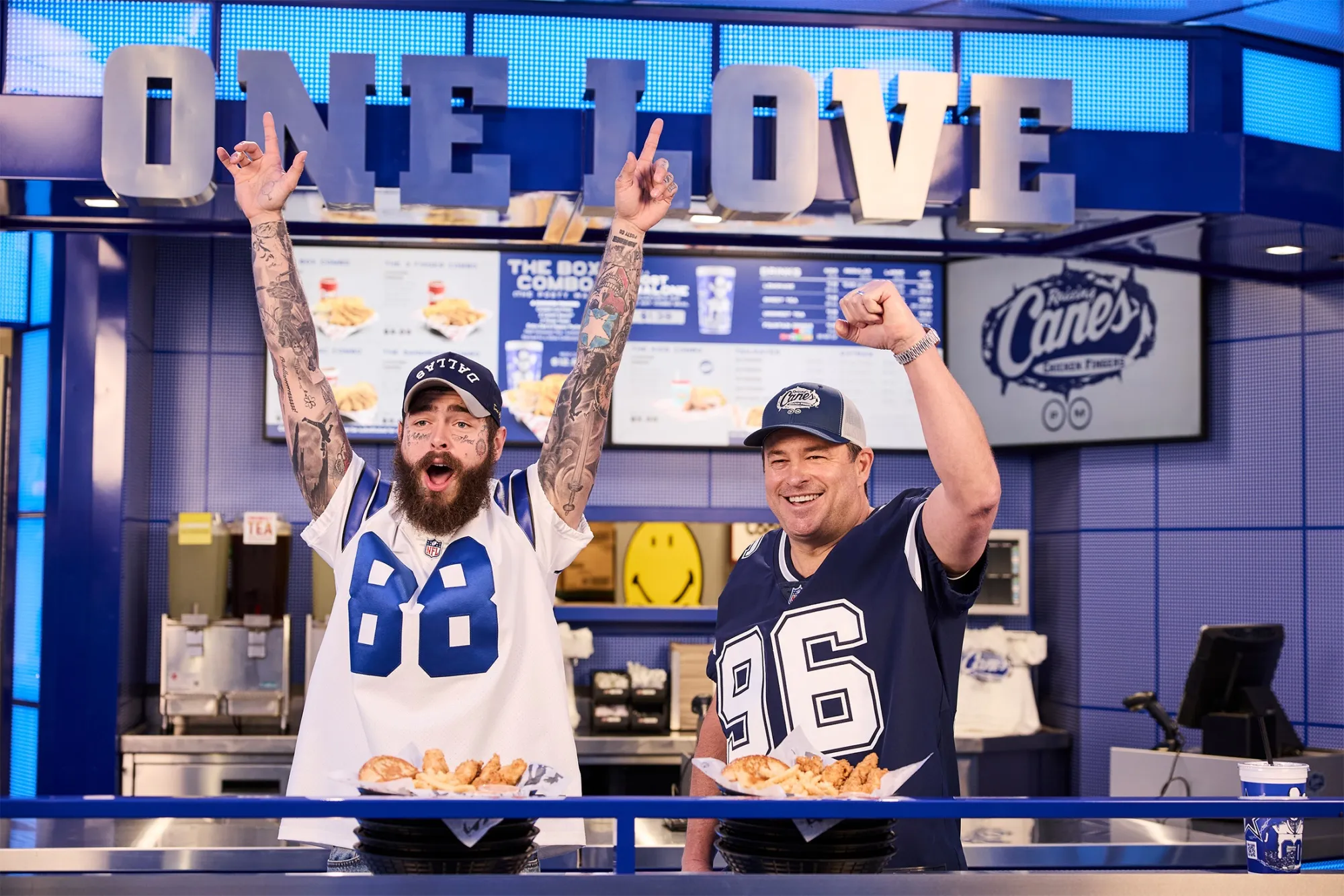
- Market Saturation: While the brand is popular, the "chicken wars" are fierce. Competitors like Popeyes and Chick-fil-A continue to innovate, forcing Graves to spend more on marketing and celebrity partnerships (such as with Post Malone) to maintain market share.
Frequently Asked Questions
Is Todd Graves the richest person in Louisiana?
Yes, as of 2026, Todd Graves remains the wealthiest individual in Louisiana. His multi-billion dollar net worth significantly exceeds that of other prominent business leaders and heirs in the state, largely due to the global scale of Raising Cane's.
Does Todd Graves own 100% of Raising Cane's?
No, Todd Graves owns approximately 90% of the company. While he has brought on some early investors and maintains an equity pool for key executives, he has famously avoided selling large portions of the company to private equity firms or the public.
How does Todd Graves' net worth compare to the founder of Chick-fil-A?
Todd Graves' net worth is comparable to individual members of the Cathy family (owners of Chick-fil-A). However, because Chick-fil-A has a much larger total store count and higher total revenue, the combined wealth of the Cathy family remains higher than Graves' individual fortune.
What is Todd Graves' salary?
While his exact annual salary is not public, the majority of Graves' wealth accumulation comes from the appreciation of his equity and annual distributions from company profits rather than a traditional executive salary.
Will Raising Cane's go public in 2026?
There are no current indications that Graves intends to take the company public in 2026. He has consistently prioritized private ownership to maintain the brand's culture and long-term vision.
Practical Takeaway for Observers
Todd Graves’ $10.2 billion net worth is a testament to the power of specialization. By choosing to do one thing better than anyone else—serving chicken fingers—Graves eliminated the complexities that often sink other restaurant brands. For entrepreneurs and investors, his success highlights that scale is often achieved through subtraction (limiting the menu) rather than addition.
Image Gallery