Video Vanguard Award: History, Recipients, and Cultural Impact
The Video Vanguard Award is the highest honor bestowed at the MTV Video Music Awards (VMAs), celebrating recording artists and music video directors who have made profound, transformative contributions to music videos and pop culture....
The Video Vanguard Award is the highest honor bestowed at the MTV Video Music Awards (VMAs), celebrating recording artists and music video directors who have made profound, transformative contributions to music videos and pop culture. Recognized by its distinctive gold Moon Person trophy, the award acknowledges lifetime achievement in visual storytelling.
Contents
What Is the MTV Video Vanguard Award?
The MTV Video Vanguard Award, officially known in many years as the Michael Jackson Video Vanguard Award, stands as the most prestigious accolade in the realm of music video production and visual artistry. First presented at the inaugural MTV Video Music Awards in 1984, the award honors musicians, filmmakers, and creative directors whose visual work has permanently reshaped the landscape of popular music and entertainment media.
Unlike standard VMA competitive categories—such as Video of the Year or Best Direction—which evaluate individual videos released within a specific twelve-month eligibility window, the Vanguard Award reflects a cumulative body of work. It recognizes innovators who transformed the music video from a routine promotional tool into a legitimate artistic medium. Recipients are honored not merely for commercial success, but for pioneering aesthetic choices, narrative innovations, choreography, fashion iconography, and groundbreaking cinematography.
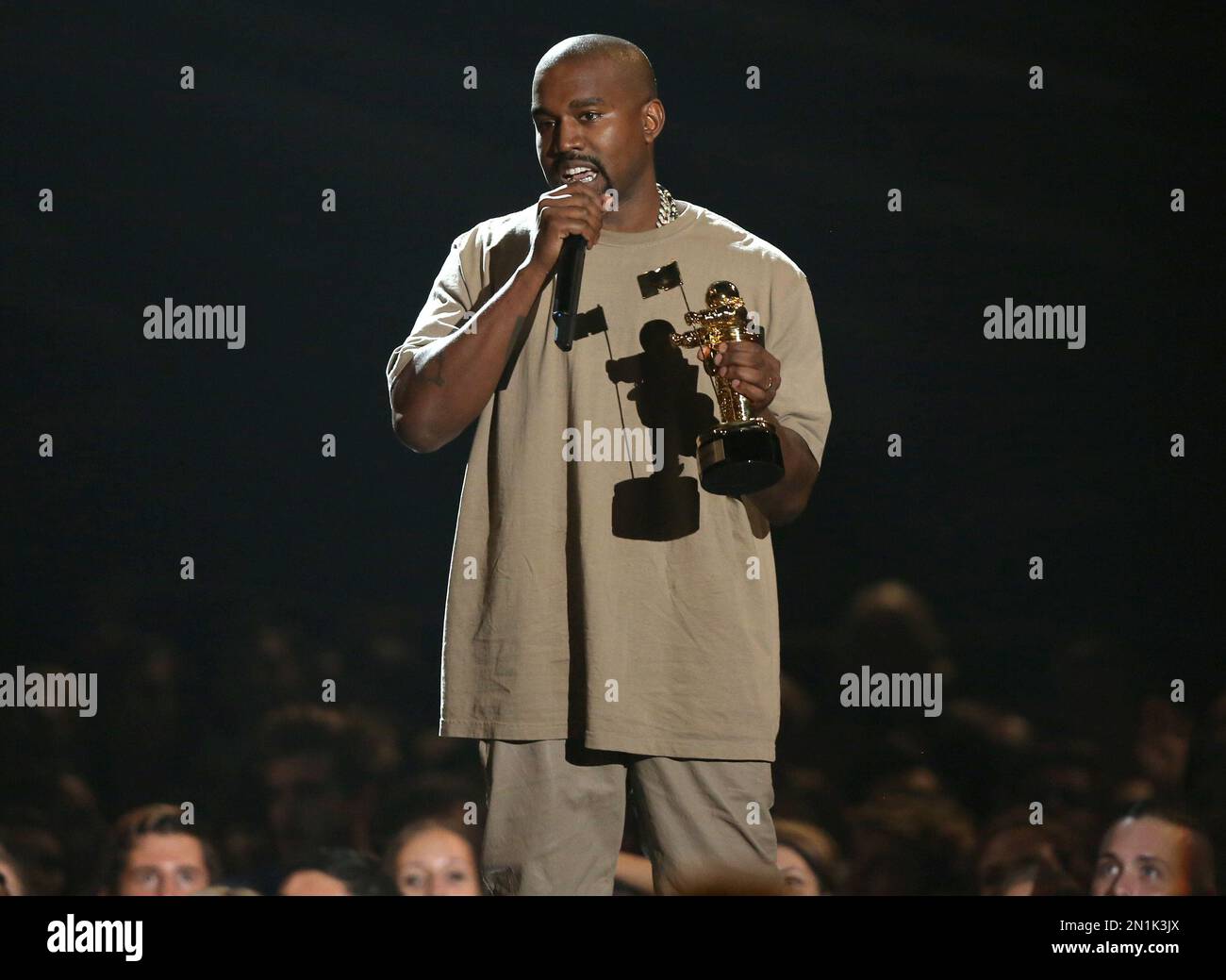
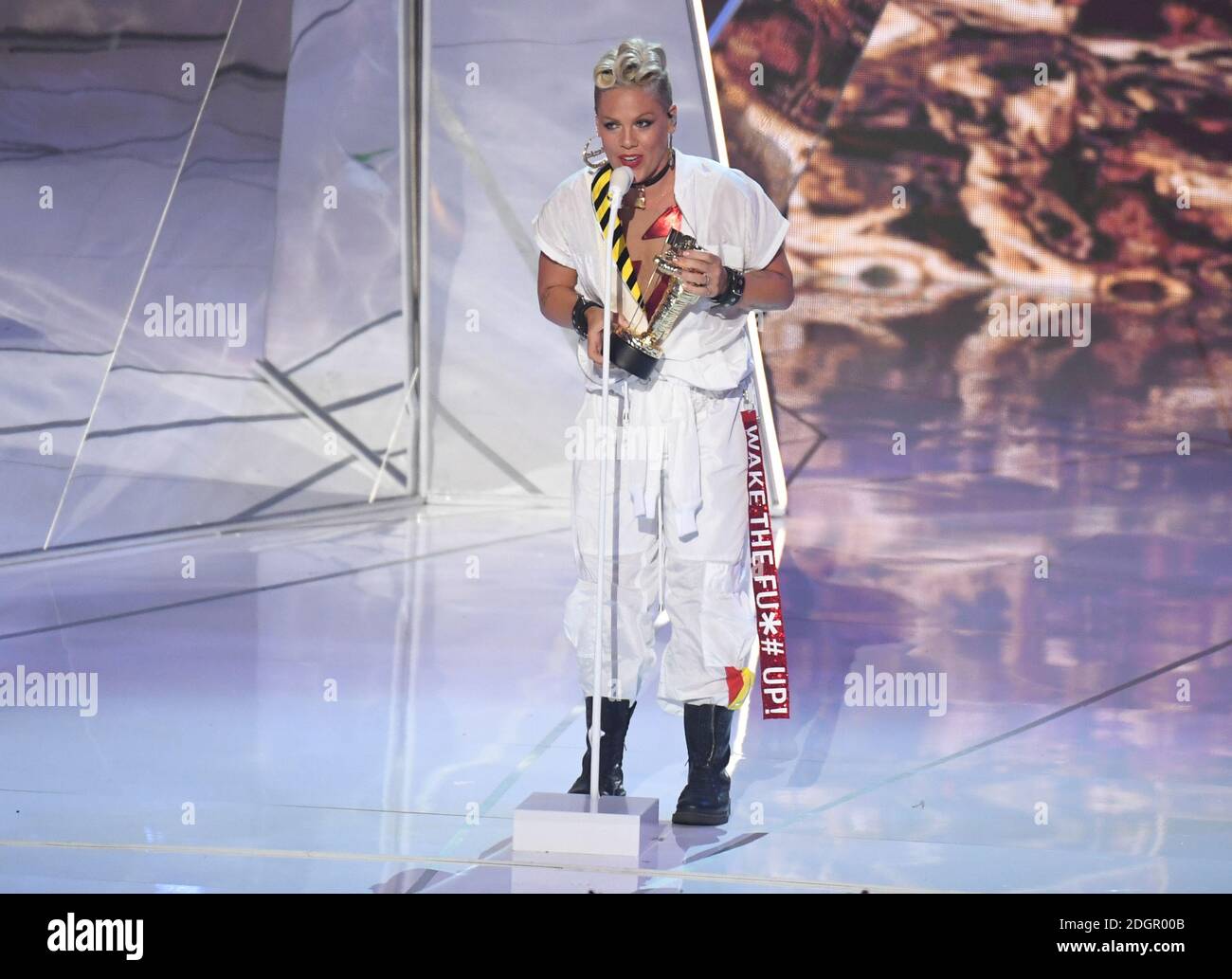
Symbolically, the award is distinguished by its physical trophy. While traditional VMA winners receive a silver "Moon Person" (formerly known as the "Moonman"), Vanguard honorees receive a special gold-plated version of the iconic astronaut statue. In addition to the physical honor, recipients are traditionally granted an extended, uninterrupted performance block during the live VMA telecast, allowing them to perform a career-spanning medley of their greatest hits and signature visual recreations.
Origins and Evolution of the Vanguard Honor
When MTV launched in August 1981, music videos were largely low-budget promotional clips designed to showcase band performances for television broadcast. By 1984, the network established the Video Music Awards to legitimize the medium and honor the directors and performers driving its explosive growth.
The Early Years (1984–1990)
At the inaugural 1984 VMAs, MTV presented the Video Vanguard Award to three distinct entities:
- David Bowie: Honored for his avant-garde visual concepts, including "Space Oddity" and his surrealist 1980s music videos.
- The Beatles: Recognized alongside director Richard Lester for pioneering the music video format through their feature films A Hard Day's Night (1964) and Help! (1965).
- Richard Lester: Celebrated for his kinetic, experimental editing and framing techniques that laid the groundwork for modern music video direction.
During the late 1980s, the award was frequently conferred upon both recording artists and influential directors, including Russell Mulcahy, Godley & Creme, Julien Temple, and Zbigniew Rybczyński. This dual recognition highlighted the collaborative partnership between visual directors and musical performers during MTV’s formative years.
The Michael Jackson Naming (1991)
In 1991, MTV formally renamed the accolade the Michael Jackson Video Vanguard Award to honor the artist whose short films—most notably "Thriller," "Beat It," "Billie Jean," and "Bad"—revolutionized the scale, budget, narrative depth, and choreography of music videos. Jackson had previously received the Vanguard Award in 1988 in recognition of his groundbreaking contributions to the medium.
Throughout the 1990s and 2000s, the award solidified its status as pop music’s ultimate visual achievement, honoring cultural icons like Madonna (1986), Janet Jackson (1990), Peter Gabriel (1987), R.E.M. (1994), Red Hot Chili Peppers (2000), and Britney Spears (2011).
Selection Criteria and Cultural Significance
The process of selecting a Video Vanguard Award recipient differs significantly from standard fan-voted or panel-adjudicated award categories. The award is conferred at the discretion of MTV executives and production leadership, taking into account long-term industry impact rather than immediate chart metrics.
| Evaluation Metric | Key Determinants | Industry Impact |
|---|---|---|
| Visual Innovation | Concept design, CGI development, editing techniques, cinematic direction. | Sets new technical and aesthetic benchmarks for video production across the music industry. |
| Cultural Iconography | Signature fashion, recognizable choreography, memeable imagery, pop culture references. | Defines global style trends and establishes memorable visual motifs that transcend music media. |
| Consistency & Longevity | Sustained visual output over a minimum of ten to fifteen years of active artistry. | Proves sustained relevance and adaptability across changing technological and cultural eras. |
| Narrative & Medium Evolution | Transitioning from single clips to long-form visual albums, short films, and multi-video arcs. | Expands the scope of short-form filmmaking and redefines how albums are presented to audiences. |
The Vanguard Award carries immense weight within the music industry because it validates an artist’s complete visual identity. In an era where visual branding is as critical to stardom as vocal performance, receiving the Vanguard signalizes an artist's membership among the elite pantheon of global pop culture figures.
Landmark Performance Medleys and Speeches
One of the defining traditions of the Video Vanguard Award is the recipient's live performance during the ceremony. Given unprecedented stage time—often ranging from 10 to 20 minutes—honorees curate comprehensive retrospectives that frequently stand among the most memorable live television performances in music history.
Iconic Vanguard Performances
- Beyoncé (2014): Beyoncé performed a seamless 16-minute continuous medley covering every track from her self-titled 2013 visual album. The performance featured complex LED backdrops, feminist messaging, and an emotional on-stage presentation by her family.
- Kanye West (2015): Diverging from the traditional performance format, West delivered an 11-minute unscripted speech addressing artist autonomy, media criticism, and creative freedom, culminating in a surprising declaration of a future presidential run.
- Rihanna (2016): Rihanna divided her Vanguard performance into four separate thematic sets interspersed throughout the broadcast, showcasing her versatility across pop, dancehall, trap, and ballads.
- Missy Elliott (2019): Elliott recreated the iconic sets, futuristic costumes, and complex choreography from her most famous videos, including "The Rain (Supa Dupa Fly)," "Get Ur Freak On," and "Work It."
- Shakira (2023): Shakira made history as the first South American artist to receive the award, delivering a high-energy, multi-lingual performance showcasing her signature dance moves, guitar work, and hits spanning three decades.
- Katy Perry (2024): Perry performed a high-flying, career-spanning medley featuring elaborate aerial stunts and futuristic set designs, reinforcing her reputation for high-concept visual storytelling.
Notable Video Vanguard Recipients
The lineage of Vanguard recipients mirrors the evolution of contemporary popular culture, tracking the shift from 1980s synth-pop and rock to hip-hop, contemporary R&B, and global Latin pop.
| Year | Recipient | Key Visual Projects / Defining Contributions |
|---|---|---|
| 1984 | David Bowie, The Beatles, Richard Lester | "Space Oddity," A Hard Day's Night, early surrealist music clips. |
| 1986 | Madonna | "Like a Virgin," "Material Girl," pioneering fashion-driven video art. |
| 1988 | Michael Jackson | "Thriller," "Beat It," "Bad," cinematic narrative music videos. |
| 1990 | Janet Jackson | "Rhythm Nation," "Control," complex group choreography and political imagery. |
| 1994 | Rolling Stones | Lifetime contribution to rock performance cinema and live filming. |
| 2000 | Red Hot Chili Peppers | "Californication," surrealist visual effects, narrative video humor. |
| 2011 | Britney Spears | "...Baby One More Time," "Toxic," defining late-1990s/2000s teen pop visuals. |
| 2014 | Beyoncé | BEYONCÉ, "Single Ladies," popularizing the full visual album format. |
| 2016 | Rihanna | "Umbrella," "Disturbia," high-concept fashion and dark pop aesthetics. |
| 2019 | Missy Elliott | "The Rain," "Get Ur Freak On," surrealist futuristic hip-hop visual production. |
| 2022 | Nicki Minaj | "Super Bass," "Anaconda," vibrant hip-hop iconography and alter-ego narratives. |
| 2023 | Shakira | "Whenever, Wherever," "Hips Don't Lie," integrating global dance styles and Latin rhythms. |
| 2024 | Katy Perry | "Firework," "Dark Horse," "Roar," elaborate camp aesthetics and high-budget visual worlds. |
Controversies and Title Rebranding
The naming and presentation of the Video Vanguard Award have experienced periods of public debate and editorial adjustments by MTV.
Following the release of the 2019 HBO documentary Leaving Neverland, which detailed allegations of sexual abuse against Michael Jackson, MTV faced increased public scrutiny regarding the award's official title. While the network did not formally rename the award in permanent corporate documentation, press releases, presenter scripts, and on-screen graphics during subsequent VMA broadcasts began referring to the honor primarily as the "Video Vanguard Award," omitting Jackson’s name from live broadcasts in 2019 and certain subsequent years.
This decision reflected broader media industry conversations regarding how to handle honors named after figures involved in posthumous controversies. Despite varying verbal references during broadcasts, the award continues to maintain its historical lineage as MTV’s top career retrospective honor.
The Vanguard Legacy in the Modern Media Era
As the music industry has transitioned from linear cable television to digital streaming, TikTok, and YouTube, the nature of the music video has evolved dramatically. Despite changes in how music videos are consumed, the Video Vanguard Award remains highly relevant as a symbol of visual excellence.
Today, artists construct full-length visual albums, short films, and interactive vertical videos designed for mobile platforms. The Vanguard Award has adapted to recognize artists who thrive in this multi-platform ecosystem, honoring those who use visual media to build cohesive aesthetic universes around their audio recordings.
Frequently Asked Questions
What is the difference between Video of the Year and the Video Vanguard Award?
Video of the Year is a competitive category awarded to a single outstanding music video released during the specific eligibility period of that year's awards cycle. In contrast, the Video Vanguard Award is a non-competitive lifetime achievement honor given to an artist or director for their cumulative contributions to music videos over their entire career.
Who was the first person to win the Video Vanguard Award?
At the inaugural MTV Video Music Awards in 1984, the Video Vanguard Award was shared by three honorees: musician David Bowie, rock band The Beatles, and film director Richard Lester.
Is the Video Vanguard Award given out every year?
No, the Video Vanguard Award is not awarded on an automatic annual schedule. MTV chooses whether to present the honor based on recipient availability, event structuring, and executive decisions. For instance, the award was not presented in certain years, such as 2004–2008 and 2020–2021, though alternative honors like the "Tricon Award" or "Global Icon Award" were occasionally featured instead.
What is the physical award given to Vanguard recipients?
While standard VMA winners receive a silver "Moon Person" trophy, Video Vanguard Award honorees receive an exclusive gold-plated version of the Moon Person statue to signify the special career status of the honor.
Can directors win the Video Vanguard Award?
Yes. During the 1980s, several prominent music video directors received the Video Vanguard Award, including Richard Lester, Russell Mulcahy, Godley & Creme, Julien Temple, and Zbigniew Rybczyński. However, in recent decades, MTV has almost exclusively presented the honor to recording artists who double as visual visionaries.
Practical Takeaways for Music Media Enthusiasts
To fully appreciate the scope and history of the Video Vanguard Award:
- Explore Visual Albums: Watch seminal visual albums such as Beyoncé's Lemonade or Janet Jackson's Rhythm Nation 1814 to understand how Vanguard winners expanded music videos beyond single promotional clips into long-form storytelling.
- Analyze Vanguard Performance Medleys: Review official archive streams of past VMA Vanguard performance medleys to see how top-tier visual artists adapt their iconic music video concepts into live, continuous television spectacles.
- Track Visual Directors: Study the filmographies of directors like Hype Williams, Joseph Kahn, Dave Meyers, and Melina Matsoukas to observe how directorial vision shapes the aesthetic identity of Vanguard-winning musical artists.
Image Gallery