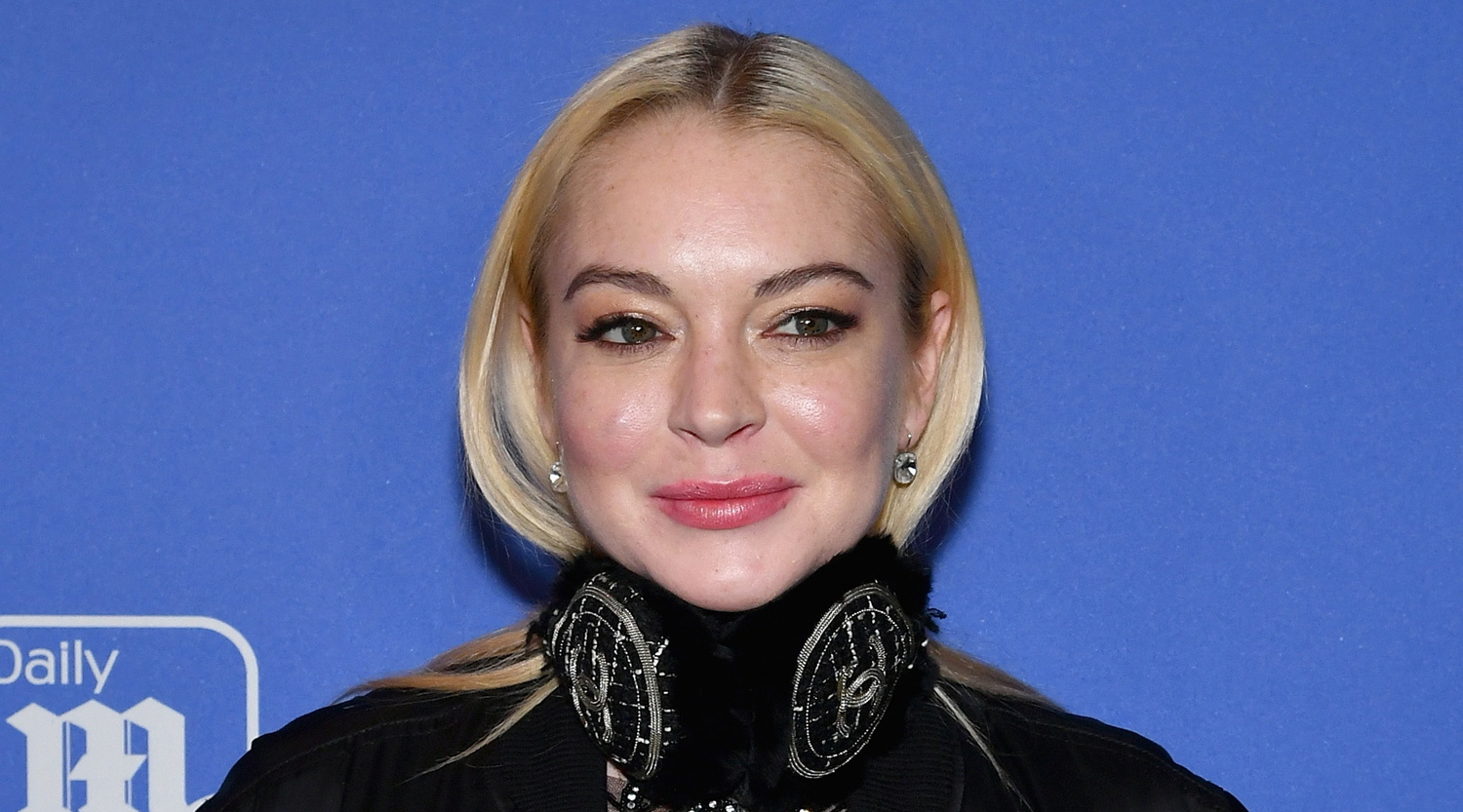
Lindsay Lohan Moscow Instagram Live Incident Explained: What Happened and Why It Went Viral
In September 2018, actress Lindsay Lohan sparked widespread internet shock after broadcasting an Instagram Live video in Moscow, Russia, during which she approached a homeless family on the street, accused them of human trafficking, an...
In September 2018, actress Lindsay Lohan sparked widespread internet shock after broadcasting an Instagram Live video in Moscow, Russia, during which she approached a homeless family on the street, accused them of human trafficking, and attempted to take their children. The encounter ended when the mother struck Lohan in the face, knocking her to the ground.
Contents
Timeline of the 2018 Moscow Incident
The incident occurred during late September 2018 while Lindsay Lohan was traveling in Moscow, Russia. At the time, Lohan was active on social media, frequently documenting her international travels, business ventures in Europe, and personal interactions using Instagram's live-streaming feature.
Late at night, Lohan began an impromptu live broadcast while walking through the streets of Moscow. During the stream, she came across a family—a couple and two young boys—sleeping on a sidewalk wrapped in blankets. What began as a stream showing an offer of shelter rapidly escalated into a distressing confrontation that played out in real time before tens of thousands of viewers.
- Late-Night Encounter
- Unsolicited Hotel Offer
- Accusations of Trafficking
- Physical Strike
The video, which lasted several minutes, was captured by viewers and swiftly re-uploaded across Twitter, YouTube, and major news platforms. Within hours, the clip became a global news story, raising critical questions regarding celebrity behavior, mental health, live-stream ethics, and personal safety while traveling abroad.
Step-by-Step Breakdown: What Happened During the Stream
To understand how the situation turned violent, it is necessary to examine the progression of events recorded on the live broadcast. The interaction can be divided into three distinct phases: the initial approach, the escalation, and the physical altercation.
1. The Initial Approach and Hotel Offer
Lohan approached the family resting on the street, believing them to be Syrian refugees in need of immediate assistance. Speaking in a distinct, blended accent that she had developed during her years living abroad, she offered to pay for a hotel room for the night. She specifically focused on the two children, telling them they could stay in a hotel and watch movies.
The family, who appeared uncomfortable and did not speak English fluently, repeatedly declined her offer through body language and brief vocal responses. Despite their reluctance to interact, Lohan continued to record them at close range with her mobile phone.
2. The Escalation and Accusations of Child Trafficking
As the family gathered their belongings and attempted to walk away from Lohan to avoid the camera, the actress began following them down the sidewalk. Her tone shifted from offering assistance to verbal confrontation.
Lohan began accusing the parents of involvement in child trafficking, asserting that they were ruining "Arabic culture" and illegally detaining the children. On the stream, she spoke directly to the camera and the family, making statements such as:
- "You're ruining Arabic culture by doing this."
- "I won't leave until I take you. I know who you are."
- "Look what's happening... they're trafficking children."
Her persistent following and loud accusations created an increasingly tense situation late at night on an isolated city street.
3. The Physical Confrontation
As the family tried to create distance, Lohan reached out toward one of the young children. At that moment, the mother turned around abruptly and struck Lohan in the face with her hand.
The blow forced Lohan backward, causing her to fall onto the pavement while dropping her phone slightly. The stream captured her gasping in shock, clutching her cheek, and exclaiming, "I'm like, in shock right now. I'm just so scared." The broadcast disconnected shortly after the blow was delivered, leaving viewers alarmed and confused.
Key Facts Summary: The Moscow Live-Stream Event
| Event Dimension | Details |
|---|---|
| Date of Incident | Late September 2018 |
| Location | Moscow, Russia (Public Sidewalk) |
| Primary Platform | Instagram Live |
| Individuals Involved | Lindsay Lohan, an unidentified family (parents and two children) |
| Core Conflict | Allegations of child trafficking made by Lohan after an unsolicited offer of shelter was rejected |
| Physical Outcome | Lohan was struck in the face by the mother; no severe medical treatment reported |
| Public Response | Widespread condemnation of harassment, concern for child welfare, and debates on celebrity behavior |
Public Backlash, Critical Reception, and Social Media Reaction
The reaction to the live stream was swift and overwhelming, drawing criticism from social media users, human rights advocates, and media commentators alike. Rather than receiving praise for attempting to help a family on the street, Lohan faced intense backlash for her actions.
Accusations of Harassment and "White Savior" Complex
Critics pointed out that Lohan had invaded the privacy of a vulnerable, unhoused family, broadcasting their faces to millions of followers without their consent. Commentators argued that her refusal to respect the parents' rejection of her offer crossed the line into active harassment.
Social commentators highlighted the incident as an extreme example of a "savior complex," where a public figure uses good deeds as content for social media validation without considering the dignity, safety, or legal rights of the people being filmed.
- Harassment Concerns
- Live-Streaming Without Consent
- Ignoring Refusal of Help
- Public False Accusations
Safety and Legal Concerns
Legal experts and travel safety analysts noted the significant risks involved in Lohan's behavior:
- Falsely Accusing Strangers: Levying heavy accusations like human trafficking against strangers in a foreign jurisdiction can provoke dangerous physical defenses.
- Attempting to Separate Children from Parents: Reaching for someone else's child in public is universally perceived as a threat, justifying self-defense actions by parents.
- Ignoring Language and Cultural Barriers: Operating under assumptions about a family's background without clear communication increases the likelihood of misinterpretation and conflict.
Broader Context: Lindsay Lohan’s Career and Persona in 2018
To fully comprehend why this incident resonated so deeply across pop culture, it helps to review Lindsay Lohan's public trajectory leading up to 2018.
- Early Acting Success
- Personal & Legal Struggles
- Relocation to Europe/Dubai
- 2018 Moscow Incident
Shift to European Business and Public Rebrand
After stepping away from mainstream Hollywood film production following years of intensive media scrutiny in the United States, Lohan relocated to Europe and the United Arab Emirates. During this period:
- She launched business ventures, including beach clubs in Mykonos and Rhodes, Greece.
- She filmed an MTV reality television show, Lindsay Lohan's Beach Club, which documented her business operations.
- She adopted a international persona, characterized by a unique international accent that frequently made headlines.
Public Perception and Mental Health Debates
The Moscow incident reignited global debates regarding the long-term impact of child stardom, intense paparazzi pressure, and personal mental health struggles. While many criticized her behavior on the live stream as inappropriate and hazardous, others expressed concern for her well-being, questioning whether she had adequate support while traveling abroad independently.
Following the backlash, Lohan removed the live-stream video from her account and largely refrained from addressing the incident in detail during subsequent media interviews, opting instead to focus on her business management and eventual return to acting.
Legal, Safety, and Ethical Lessons from Live-Streamed Incounters
The 2018 incident remains a high-profile case study in the legal and ethical boundaries of live-streaming encounters with the public.
1. The Right to Privacy vs. Public Streaming
While public spaces generally permit photography and video recording in many jurisdictions, live-streaming vulnerable populations—such as unhoused individuals or minors—raises severe ethical concerns. Recording individuals without consent, particularly when accusing them of criminal acts, can lead to civil liability for defamation or harassment depending on local statutes.
2. Self-Defense Principles in Street Encounters
From a legal standpoint, the mother's physical reaction to Lohan was viewed by many legal analysts as a protective response. When an uninvited stranger continuously follows a family late at night, accuses them of serious crimes, and attempts to physically grab or lead a child away, parents have a recognized legal right to use reasonable physical force to defend their children from perceived abduction.
3. Personal Safety Guidelines for Travelers
Security professionals frequently highlight the Moscow event to illustrate critical personal safety mistakes when traveling internationally:
- Avoid Confrontation with Strangers: Never follow or escalate arguments with unfamiliar individuals in unfamiliar environments, especially late at night.
- Respect Local Authorities: If you genuinely suspect child abuse or human trafficking, contact local law enforcement immediately rather than attempting a personal intervention.
- Maintain Situational Awareness: Conducting live broadcasts while walking through city streets distracts individuals from potential environmental hazards and surrounding threats.
Frequently Asked Questions (FAQs)
Why did Lindsay Lohan approach the family in Moscow?
Lohan stated on her live stream that she believed the family was Syrian refugees sleeping on the street who needed immediate assistance. She offered to pay for a hotel room for the night so the children could sleep in a bed and watch movies.
Did Lindsay Lohan face legal charges after the incident?
No formal criminal charges or law enforcement investigations were reported against Lindsay Lohan or the family involved. Neither party filed an official police report in Moscow following the altercation, and Lohan left the country shortly after.
Was Lindsay Lohan injured when she was struck?
Lohan was not seriously injured. The video captured her being struck across the face and falling to the pavement, after which she held her cheek in shock. She did not seek hospitalized emergency medical treatment for severe injuries.
Why did the mother punch Lindsay Lohan?
The mother struck Lohan after Lohan followed the family down the street for several minutes, refused to leave them alone when asked to back off, accused the parents of human trafficking on camera, and reached out to grab one of the children. The mother acted in defense of her children.
Did Lindsay Lohan issue an official apology for the incident?
Lohan did not issue a formal written public statement or formal apology regarding the incident. However, she deleted the video content, adjusted her social media activity, and avoided discussing the event during subsequent promotional appearances for her television projects.
Key Takeaway and Practical Recommendations
The Moscow Instagram Live incident serves as a clear reminder of the boundaries surrounding live-streaming, public interactions, and personal safety abroad. When encountering individuals in distress or witnessing potential unlawful activity in public spaces, direct confrontation or public recording is rarely the appropriate path forward.
If you observe a situation while traveling where you suspect child endangerment or human trafficking:
- Do not intervene directly: Avoid confronting unfamiliar individuals or attempting to remove children from their guardians.
- Contact local emergency services: Report the exact location, visual descriptions, and specific observations to law enforcement authorities trained in human trafficking response.
- Respect individual privacy: Avoid live-streaming or publicly posting unverified accusations on social media platforms, which can compromise personal safety and breach privacy laws.
Image Gallery