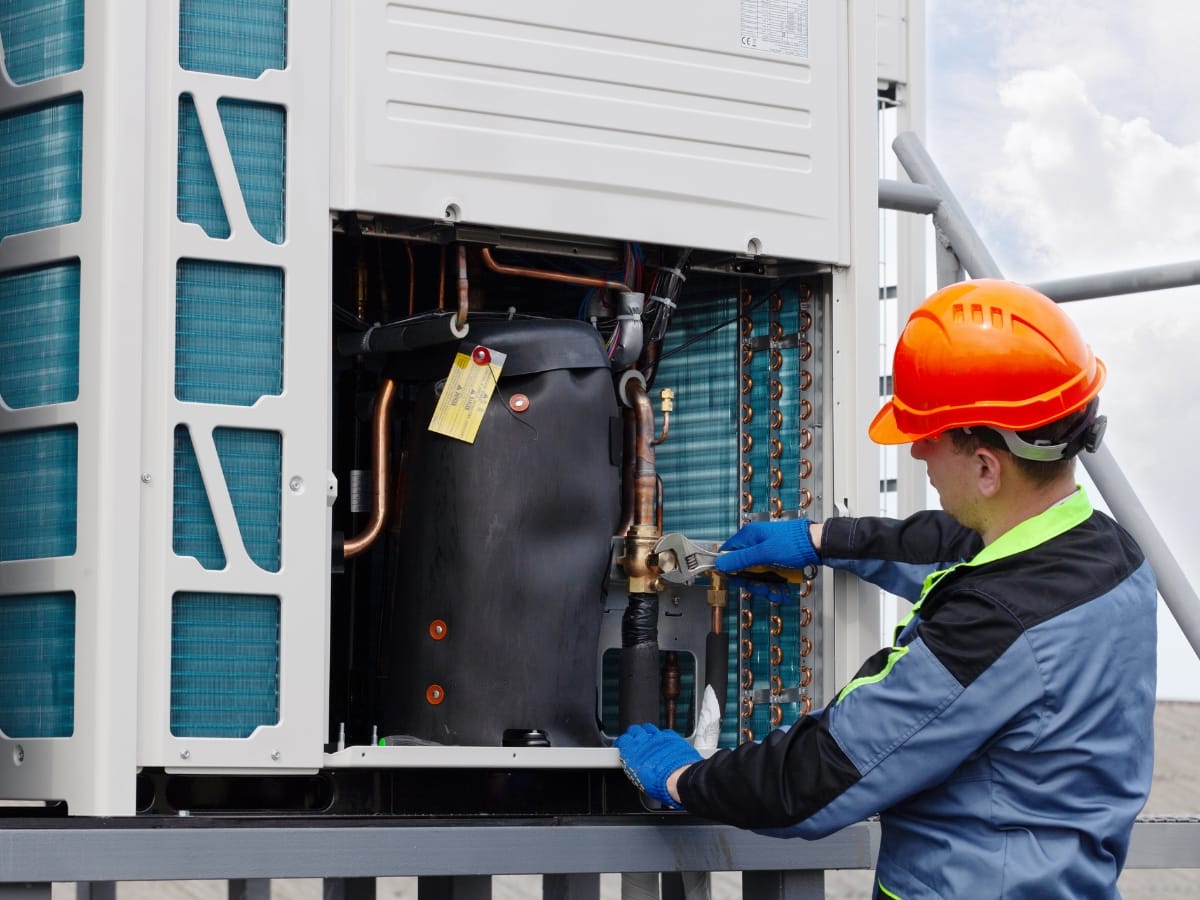
The Ultimate 2026 Air Conditioner Tune-Up Checklist: Professional Maintenance for Peak Performance
A comprehensive air conditioner tune-up checklist includes cleaning condenser coils, inspecting evaporator coils, checking refrigerant levels, testing electrical components like contactors and capacitors, clearing the condensate drain...
A comprehensive air conditioner tune-up checklist includes cleaning condenser coils, inspecting evaporator coils, checking refrigerant levels, testing electrical components like contactors and capacitors, clearing the condensate drain line, and calibrating the thermostat. Regular maintenance ensures optimal energy efficiency, prevents costly emergency repairs, and extends the operational lifespan of the HVAC system during peak summer months.
Contents
Annual maintenance is no longer just a recommendation; in 2026, it is a financial necessity. With rising energy costs and the increased complexity of modern high-efficiency HVAC systems, a proactive approach to cooling health can reduce monthly utility bills by up to 15%. This guide provides a technical breakdown of the essential steps required to keep a central air conditioning system running at factory specifications.
The Critical Role of Pre-Inspection Safety and Preparation
Before any physical work begins, safety protocols must be established. Air conditioning systems utilize high-voltage electricity and pressurized chemicals, both of which pose significant risks if handled improperly. The first step in any checklist is the total isolation of power. This involves turning off the system at the thermostat and then disconnecting the power at the outdoor breaker box (the "disconnect") and the indoor furnace or air handler switch.
Once the power is secured, the technician or homeowner should gather the necessary tools. A standard 2026 maintenance kit generally includes a fin comb, a multimeter for electrical testing, a coil cleaning solution, a shop vacuum, and specialized HVAC gauges. For systems installed or serviced in 2026, it is also important to identify the refrigerant type. Most systems now utilize R-410A or the newer A2L refrigerants like R-454B, which require specific handling procedures according to EPA Section 608 regulations.
Outdoor Condenser Unit Maintenance
The outdoor unit, or condenser, is the workhorse of the system, responsible for releasing heat gathered from inside the home into the outside air. Because it sits outdoors, it is constantly exposed to dirt, leaves, and weather-related debris.
Cleaning the Condenser Coils
Dirty coils act as an insulator, preventing the refrigerant from releasing heat efficiently. This forces the compressor to work harder and run longer, which significantly shortens its lifespan. To clean the coils, remove the outer protective cage and use a soft brush or a specialized coil cleaning foam. Rinse the coils from the inside out with a low-pressure garden hose to push debris away from the center of the unit. Never use a high-pressure power washer, as this can flatten the delicate aluminum fins and obstruct airflow.
Inspecting Fan Blades and Motor
The condenser fan pulls air through the coils. The checklist must include an inspection of the fan blades for cracks or imbalances. A wobbly fan can lead to premature motor failure or vibration damage to the refrigerant lines. In 2026, many high-end units use variable-speed motors; these should be checked for smooth rotation and signs of oil leakage, which indicates a failing seal.
Leveling the Unit
Over time, the ground beneath the condenser pad can shift. A unit that is not level can cause the oil in the compressor to settle unevenly, leading to poor lubrication and mechanical wear. Ensure the pad is stable and use a level to verify the unit is within manufacturer tolerances.
Indoor Air Handler and Evaporator Maintenance
While the outdoor unit handles heat rejection, the indoor unit is responsible for heat absorption and moisture removal. This is where indoor air quality is primarily managed.
Evaporator Coil Inspection
The evaporator coil is usually located inside the plenum above the furnace or air handler. Because it is often damp from condensation, it is a magnet for dust and biological growth. A professional checklist involves checking these coils for "dirty sock syndrome"—a foul odor caused by bacteria. If the coils are accessible, they should be cleaned with a self-rinsing evaporator cleaner.
Condensate Drain Line Clearance
As the AC removes humidity from the air, the moisture collects in a drain pan and flows out through a PVC pipe. This pipe frequently becomes clogged with algae or sludge, leading to water backups that can damage ceilings and floors. The checklist requires flushing the line with a mixture of water and vinegar or using a specialized vacuum to pull out obstructions. In 2026, many systems are equipped with "float switches" that shut the system down if a backup is detected; these switches must be tested for functionality.
Airflow and Filtration
The air filter is the simplest yet most critical component of the system. For 2026 homes, Department of Energy guidelines suggest checking filters every 30 to 90 days. During a tune-up, the technician should measure the "static pressure"—the resistance to airflow within the ducts. High static pressure often indicates undersized ductwork or a filter with a MERV rating that is too high for the system's blower motor to handle.
Electrical Systems and Component Testing
Electrical failure is the leading cause of "no-cool" service calls. A technical tune-up focuses on the components that trigger and power the compressor and motors.
Testing the Capacitor
The capacitor is a small cylindrical device that provides the "jolt" of energy needed to start the motors. Capacitors are rated in microfarads (µF) and have a specific tolerance (usually +/- 5% or 10%). Using a multimeter, the technician must verify the capacitor is still within its rated range. A weak capacitor causes the motor to run hot and will eventually lead to a total system failure.
Inspecting the Contactor
The contactor is a relay that closes to send 240V power to the compressor. Over time, the silver-plated points on the contactor can become "pitted" or charred due to electrical arcing. If the contactor sticks or fails to make a clean connection, it can burn out the compressor. The checklist involves visually inspecting the points and cleaning any debris, such as ants or dust, that may have crawled into the mechanism.
Wire Connections and Tightening
Vibration from the system can loosen electrical connections over several seasons. Loose wires create resistance, which generates heat and can melt wire nuts or damage control boards. All major terminal connections should be checked and tightened as part of a professional maintenance routine.
Refrigerant Levels and Performance Verification
Checking the refrigerant charge is a delicate process that should generally be reserved for licensed professionals. Modern systems are highly sensitive to the amount of refrigerant they hold.
Subcooling and Superheat
Technicians do not simply "top off" a system. They measure the subcooling (for systems with a Thermal Expansion Valve or TXV) or superheat (for fixed orifice systems). These measurements tell the technician if the system is absorbing and releasing heat at the correct rates. In 2026, with the phase-down of older refrigerants, maintaining the correct charge is vital to avoid the high cost of replacement gases.
The Temperature Split (Delta T)
A quick way to verify system performance is to measure the temperature difference between the return air (entering the system) and the supply air (leaving the vents). A healthy system should typically have a "split" of 16 to 22 degrees Fahrenheit. If the split is too low, it may indicate a refrigerant issue or a dirty coil; if it is too high, it may indicate restricted airflow.
Comparison of Maintenance Scope: DIY vs. Professional
| Task | DIY Suitable? | Professional Required? | Why? |
|---|---|---|---|
| Filter Replacement | Yes | No | Simple, frequent task vital for airflow. |
| Clear Debris from Unit | Yes | No | Removing leaves and grass improves airflow. |
| Clean Condenser Coils | Yes (Caution) | Recommended | Requires chemical cleaners and careful rinsing. |
| Check Refrigerant Charge | No | Yes | Requires EPA certification and specialized gauges. |
| Test Capacitors/Relays | No | Yes | High voltage risk; requires multimeter expertise. |
| Flush Condensate Line | Yes | Yes | DIY can prevent clogs; Pros use high-pressure tools. |
| Ductwork Inspection | No | Yes | Professional cameras/sensors find hidden leaks. |
Common Mistakes to Avoid During a Tune-Up
One of the most frequent errors is ignoring the "indoor-outdoor balance." Many homeowners focus on cleaning the outdoor unit while ignoring the air filter or the indoor evaporator coil. An AC system is a closed loop; an issue in one half of the system will inevitably cause failure in the other.
Another mistake is the "if it ain't broke, don't fix it" mentality. Waiting for a component to fail before replacing it often leads to collateral damage. For example, a $50 capacitor that is allowed to fail can cause a $2,500 compressor to overheat and burn out. Proactive replacement of wear-and-tear parts identified during a 2026 checklist inspection is the hallmark of a smart maintenance strategy.
Lastly, never overlook the thermostat settings. In 2026, smart thermostats have become standard. During a tune-up, ensure the thermostat is calibrated correctly and that its firmware is updated. A thermostat that misreads the temperature by even two degrees can result in hundreds of dollars of wasted energy over a long summer.
Frequently Asked Questions
How often should I perform an AC tune-up in 2026?
Professional maintenance should be performed once per year, ideally in the spring before the cooling season begins. In regions with year-round cooling needs, such as the Sun Belt, a semi-annual check (every six months) is recommended to manage the higher workload placed on the system.
Will a tune-up actually lower my electricity bill?
Yes. A well-maintained system operates more efficiently by reducing the "run time" required to reach the desired temperature. By cleaning coils and ensuring proper refrigerant levels, the system can move more heat per kilowatt-hour of electricity consumed. Most homeowners see a noticeable decrease in their mid-summer utility costs following a professional service.
Can I do an AC tune-up myself?
Homeowners can safely handle basic tasks such as changing filters, clearing debris from around the outdoor unit, and flushing the drain line with vinegar. However, electrical testing and refrigerant handling require specialized tools and certification. Attempting to service high-voltage components or pressurized refrigerant lines can result in severe injury or legal penalties.
What are the signs that my AC needs a tune-up immediately?
Key indicators include rising utility bills without a change in usage, frequent "cycling" (the unit turning on and off rapidly), unusual banging or squealing noises, and a lack of consistent cooling. If you notice ice forming on the copper lines or the indoor coil, the system should be shut off and serviced immediately to prevent compressor damage.
Does a tune-up include cleaning the ductwork?
Generally, a standard AC tune-up focuses on the mechanical and electrical components of the unit itself. While a technician will inspect the visible portions of the ducts for leaks or disconnects, a full "duct cleaning" is typically a separate, specialized service. However, maintaining the unit's filters and coils significantly reduces the amount of dust that enters the ductwork.
Practical Recommendation for Homeowners
To ensure your system survives the 2026 summer heat, start by performing a monthly filter check and keeping the area around your outdoor unit clear of vegetation. Schedule a professional technician to perform the "deep" tasks—such as electrical testing and refrigerant verification—at least 30 days before you expect the first heatwave. This "early bird" approach allows you to identify and fix small issues before they become emergency repairs during the busiest time of the year for HVAC companies.
Image Gallery