Understanding Moving Van Lines: A Comprehensive Guide to Long-Distance Relocation in 2026
Moving van lines are large-scale logistics networks that facilitate long-distance and interstate relocations through a coordinated system of corporate infrastructure and local agents. Unlike local movers, van lines possess the federal...
Moving van lines are large-scale logistics networks that facilitate long-distance and interstate relocations through a coordinated system of corporate infrastructure and local agents. Unlike local movers, van lines possess the federal authority to transport household goods across state lines, utilizing standardized pricing, centralized dispatching, and specialized long-haul equipment to ensure consistency.
Contents
The Structural Anatomy of a Moving Van Line
To understand how moving van lines operate in 2026, one must distinguish between a local moving company and a national van line network. A moving van line is not a single entity in the traditional sense; rather, it is a massive organization—often a cooperative or a franchised network—that provides the "authority" (licensing) and the "logistical spine" for hundreds of local moving companies.
In this ecosystem, the local agent is the company you interact with in your town. They provide the labor for packing, the trucks for local transport, and the warehouse for storage. However, when your shipment needs to move from New York to California, the local agent operates under the "umbrella" of the van line. The van line provides the long-haul semi-trucks, the centralized dispatching software, and the legal framework required by the Federal Motor Carrier Safety Administration (FMCSA).
The Agency Model: Booking vs. Hauling
Within a van line system, roles are often split between different agents. The Booking Agent is the company that sells you the move and performs the initial estimate. The Origin Agent handles the packing and loading. The Hauling Agent owns the tractor-trailer that moves your goods across the country, and the Destination Agent assists with unloading and debris removal at the new home. This collaborative model allows a van line to maintain a presence in nearly every major city without owning every single truck or hiring every mover directly.
Key Differences Between Van Lines and Moving Brokers
A common point of confusion for consumers is the difference between a moving van line and a moving broker. In 2026, regulatory scrutiny remains high on this distinction to protect consumers from predatory "rogue movers."
- Moving Van Lines (Carriers): These companies own the assets (trucks, warehouses) or have a contractual network of agents who do. They are responsible for the physical transport of your goods and are liable for damage under federal law. They must provide you with a Department of Transportation (DOT) number and a specific "tariff" (a public document listing their rates).
- Moving Brokers: These are sales entities that do not own trucks. They act as middlemen, selling your move to the highest bidder or a partner carrier. While legitimate brokers exist, they do not have the same direct control over the moving crew or the delivery timeline as a van line.
When choosing a van line, you are opting for a "carrier" model, which generally offers higher levels of accountability and more transparent dispute-resolution processes.
Regulatory Framework and Consumer Protections
Interstate moving is governed by strict federal regulations intended to prevent price gouging and ensure the safety of household goods. In 2026, the primary oversight body remains the Federal Motor Carrier Safety Administration (FMCSA), a division of the U.S. Department of Transportation.
The "Your Rights and Responsibilities" Requirement
Every moving van line is legally required to provide consumers with two specific documents before a move: "Your Rights and Responsibilities When You Move" and the "Ready to Move?" brochure. These documents outline the federal laws regarding estimates, claim filings, and the delivery of goods.
The Role of DOT and MC Numbers
Every legitimate van line must display a USDOT Number and a Motor Carrier (MC) Number. These identifiers allow consumers to check the company's safety record, insurance status, and complaint history via the FMCSA’s SAFER (Safety and Fitness Electronic Records) system. In 2026, digital verification has become instantaneous, allowing homeowners to scan a QR code on a mover’s credentials to verify their active status in the federal database.
Comprehensive Comparison of Leading Van Lines in 2026
The landscape of national moving van lines is dominated by a few major players who have spent decades building their agent networks.
| Van Line Name | Primary Model | Specialized Services | Technology Integration (2026) |
|---|---|---|---|
| United Van Lines | Large Agent Network | Full-service packing, specialized high-value shipping | AI-driven virtual surveys and real-time GPS tracking |
| Allied Van Lines | Global Network | Corporate relocation and international moves | Blockchain-verified digital inventory systems |
| Atlas Van Lines | Cooperative | Fine art, electronics, and sensitive equipment | Contactless "Move-Ready" digital documentation |
| Mayflower Transit | Agent-Based | Residential moves and containerized solutions | Interactive 3D home inventory mapping |
| North American Van Lines | Network-Based | Custom crating and heavy machinery | Predictive delivery window algorithms |
Understanding Estimates: Binding vs. Non-Binding
The estimate is the most critical document in the moving process. In 2026, most major van lines utilize AI-powered visual surveys, where a representative views your home via a smartphone camera to calculate the weight and volume of your belongings.
1. Non-Binding Estimate
This is a "best guess." The final cost is determined by the actual weight of your shipment and the services provided. While the initial price might look lower, it is subject to change. Under federal law, a van line cannot demand more than 110% of the non-binding estimate at the time of delivery; any remaining balance is billed 30 days later.
2. Binding Estimate
A binding estimate guarantees the total cost of the move based on the inventory listed at the time of the estimate. If you add more items on moving day, the price will increase, but if the inventory remains the same, the price is fixed, regardless of the final weight.
3. Binding Not-to-Exceed (Guaranteed Price)
Often considered the most consumer-friendly option, this estimate sets a maximum price. If your shipment weighs more than expected, you only pay the quoted price. If it weighs less, your final bill is reduced. Most premium van lines prefer this model for its transparency.
Valuation and Insurance: Protecting Your Assets
A common misconception is that moving van lines provide "insurance." In reality, they offer Valuation, which is the level of liability the company assumes.
- Released Value Protection: This is the basic, no-cost option required by federal law. It covers only $0.60 per pound per article. If a 100-pound television worth $2,000 is destroyed, the van line is only liable for $60.
- Full Value Protection (FVP): This is the comprehensive option. If an item is lost or damaged, the van line must either repair it, replace it with a like item, or offer a cash settlement for the current market replacement value. In 2026, most van lines include FVP in their initial quotes, requiring customers to "opt-out" if they want the lower coverage level.
Logistics and the "Shuttle" Service Complexity
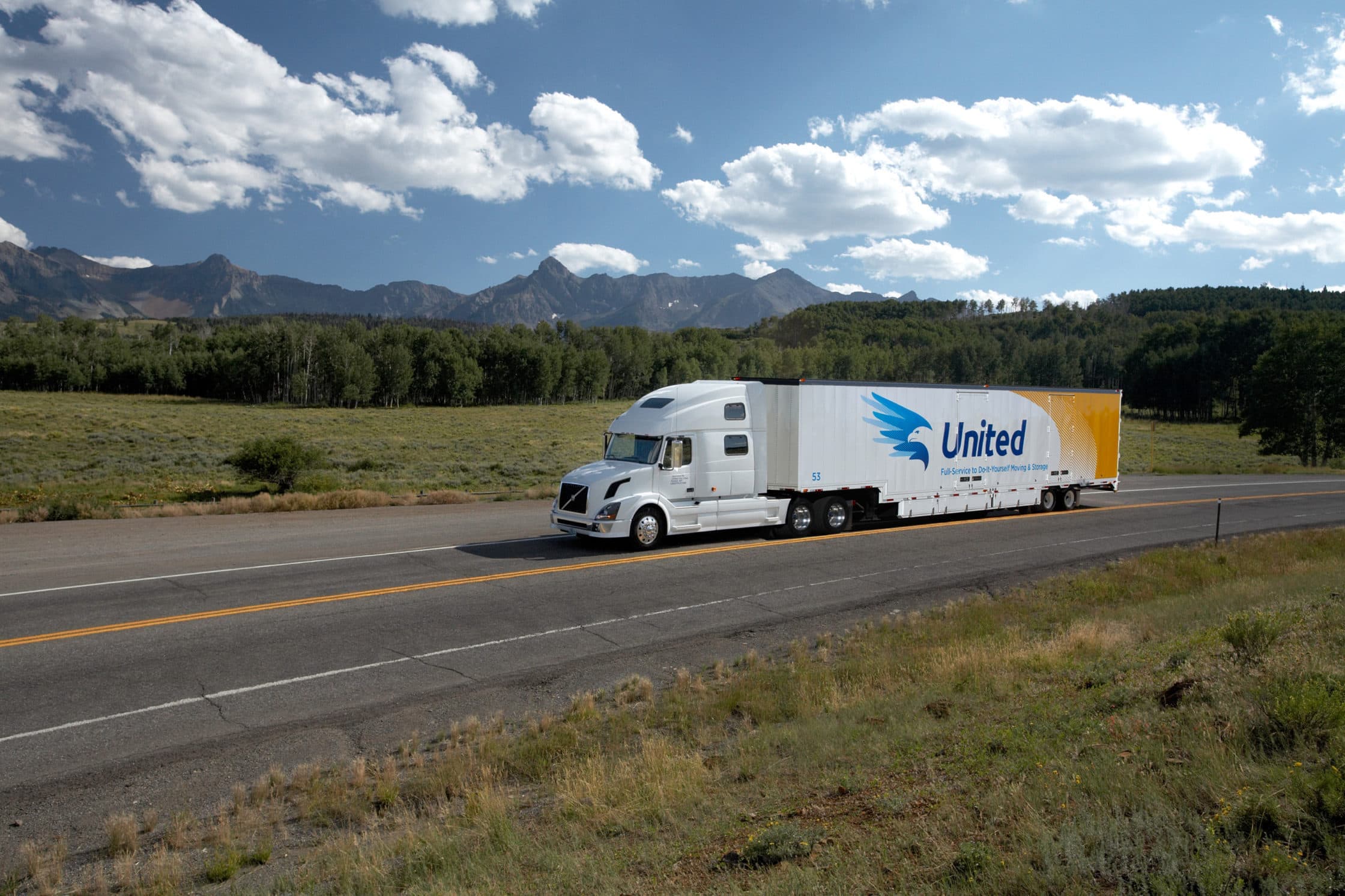
One of the most frequent hidden costs in a van line move involves the use of a "shuttle." National van lines typically use 53-foot tractor-trailers for interstate hauls. These massive vehicles cannot navigate narrow residential streets, steep hills, or areas with low-hanging trees.
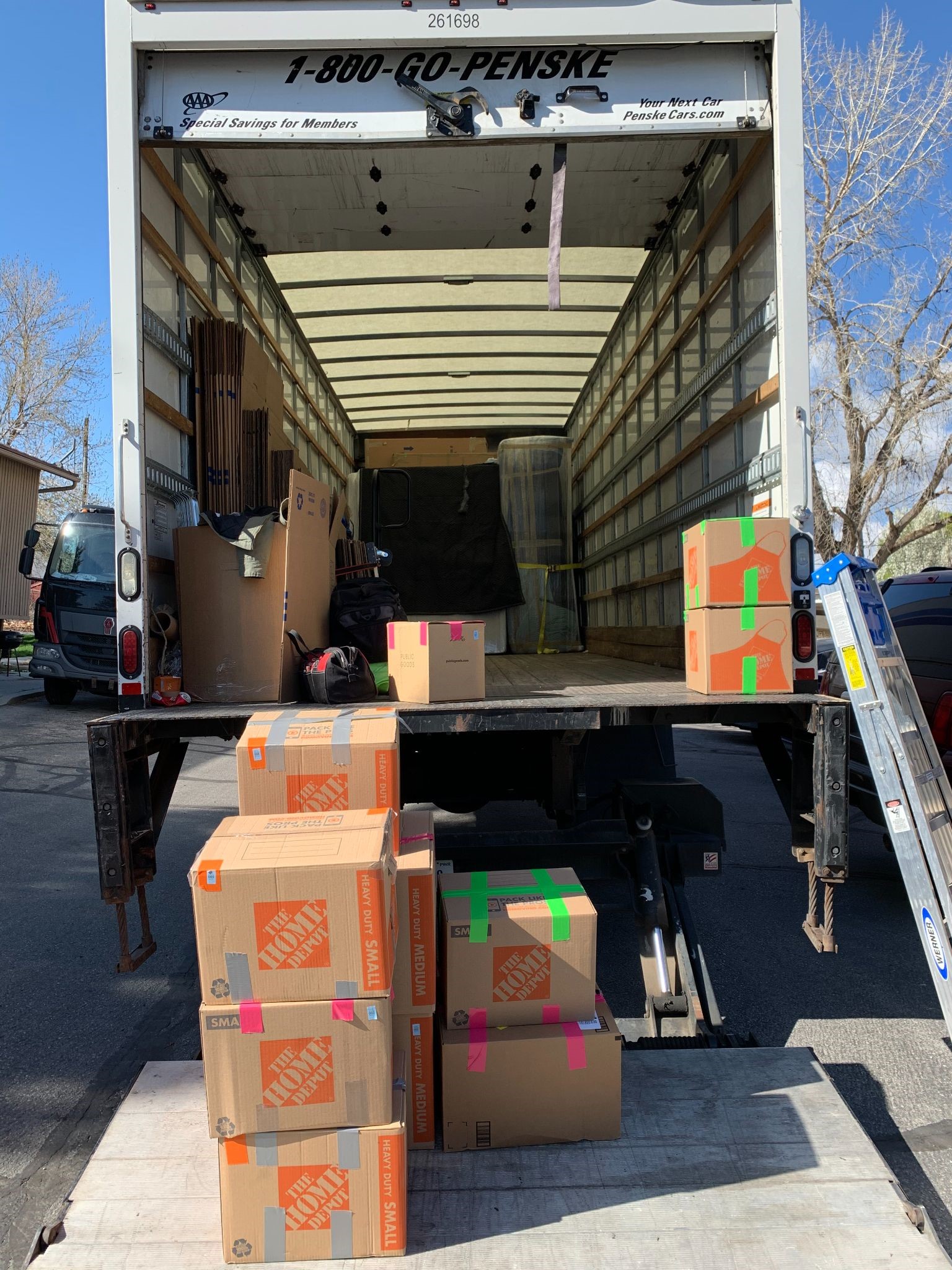
If the large van cannot get close to your home, the van line must employ a Shuttle Service. This involves loading your goods onto a smaller box truck, driving them to the semi-truck, and reloading them. This adds significant labor costs and increases the risk of damage due to the extra handling. Always ask your estimator if they foresee the need for a shuttle at either the origin or destination.
Moving Van Lines FAQs
How do van lines calculate the cost of a move?
Costs are primarily based on the weight of your belongings and the distance traveled. Additional factors include the volume of packing materials used, labor for specialty items (like pianos), and accessibility issues (stairs, long carries, or shuttles). In 2026, fuel surcharges are also dynamically adjusted based on national averages at the time of transport.
What is the "Spread" or "Delivery Window"?
Unlike a local move where delivery happens the same day, interstate moves involve a delivery window. The van line provides a range of dates (e.g., June 10th to June 18th) during which your goods will arrive. The larger the shipment, the tighter the window usually is, as your goods may be the only ones on the truck.
Can I track my shipment in real-time?
Yes. By 2026, nearly all major moving van lines provide GPS tracking. Customers receive a login for a portal or app that shows the real-time location of the hauling unit. However, keep in mind that "real-time" tracking does not change the agreed-upon delivery window, as drivers must adhere to federal Hours of Service (HOS) regulations.
What happens if the van line is late?
If a van line misses the delivery window specified in the "Order for Service," you may be entitled to Delay Claims. This typically covers reasonable expenses for lodging and food for each day the shipment is late. Always review the "Terms and Conditions" regarding late deliveries before signing.
Why is an in-home or virtual survey necessary?
Phone-based "ballpark" quotes are notoriously inaccurate and are not legally binding. A visual survey (in-person or via video) allows the estimator to see the bulk of the furniture, the complexity of the disassembly, and the quantity of boxes needed. This is the only way to ensure an accurate binding estimate.
Final Recommendations for a Successful Move
When engaging with moving van lines in 2026, the key to success lies in early preparation and rigorous verification. Start by gathering at least three written estimates from major carriers. Avoid any company that asks for a large cash deposit upfront; reputable van lines typically bill upon delivery or require a credit card authorization that isn't processed until the loading date.
Before signing a contract, verify the carrier's history on the FMCSA SAFER Website using their USDOT number. Finally, ensure that you have a detailed, descriptive inventory of every box and piece of furniture. In the event of a claim, this documentation—combined with Full Value Protection—is your only path to a full recovery of your assets' value.
Image Gallery