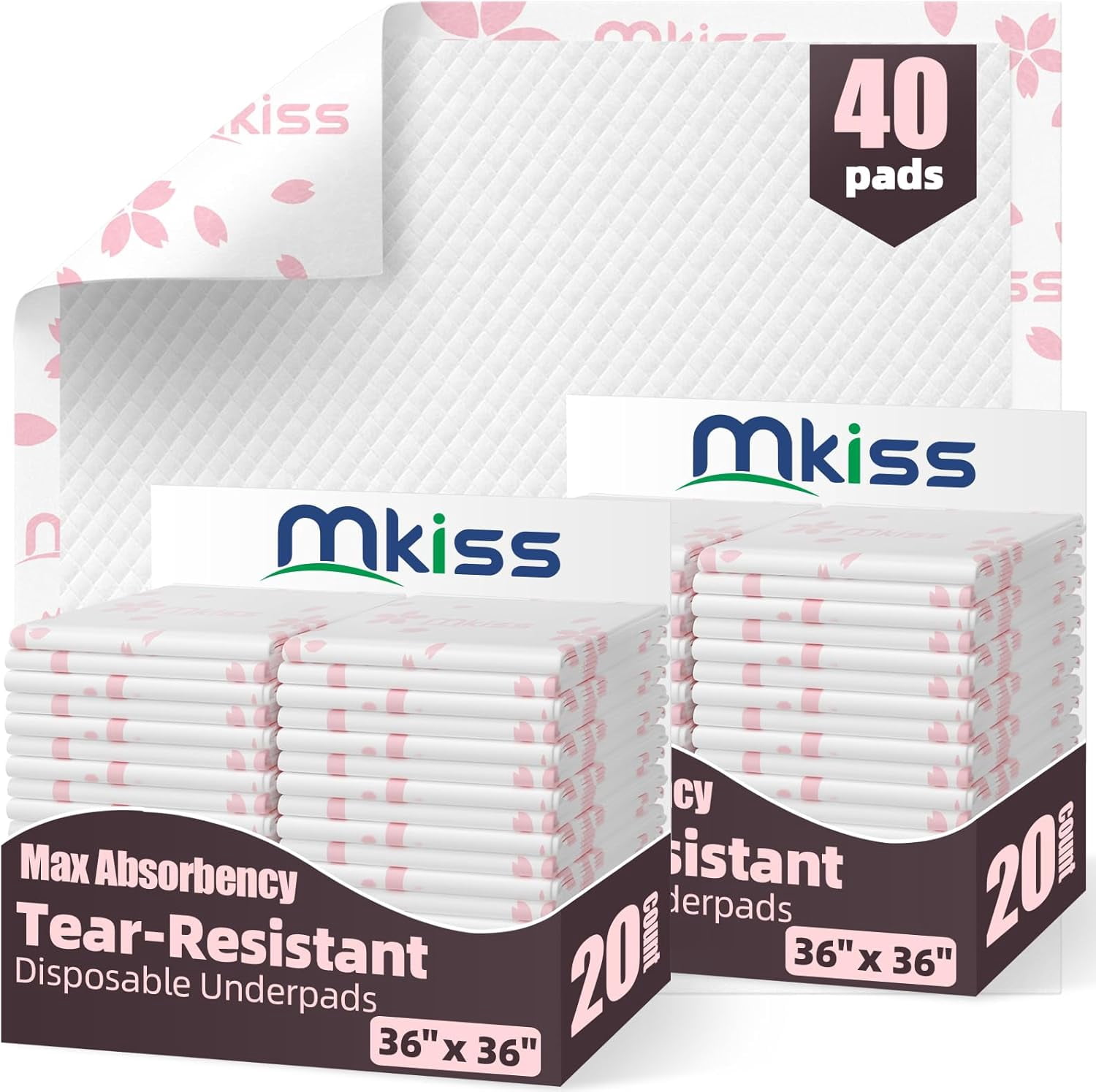
Selecting and Utilizing Heavy-Duty Incontinence Pads for Maximum Protection
Heavy-duty incontinence pads, often referred to as bariatric or overnight-absorbency pads, are specialized medical-grade products designed to manage high-volume fluid output. These products provide essential skin protection and hygiene...
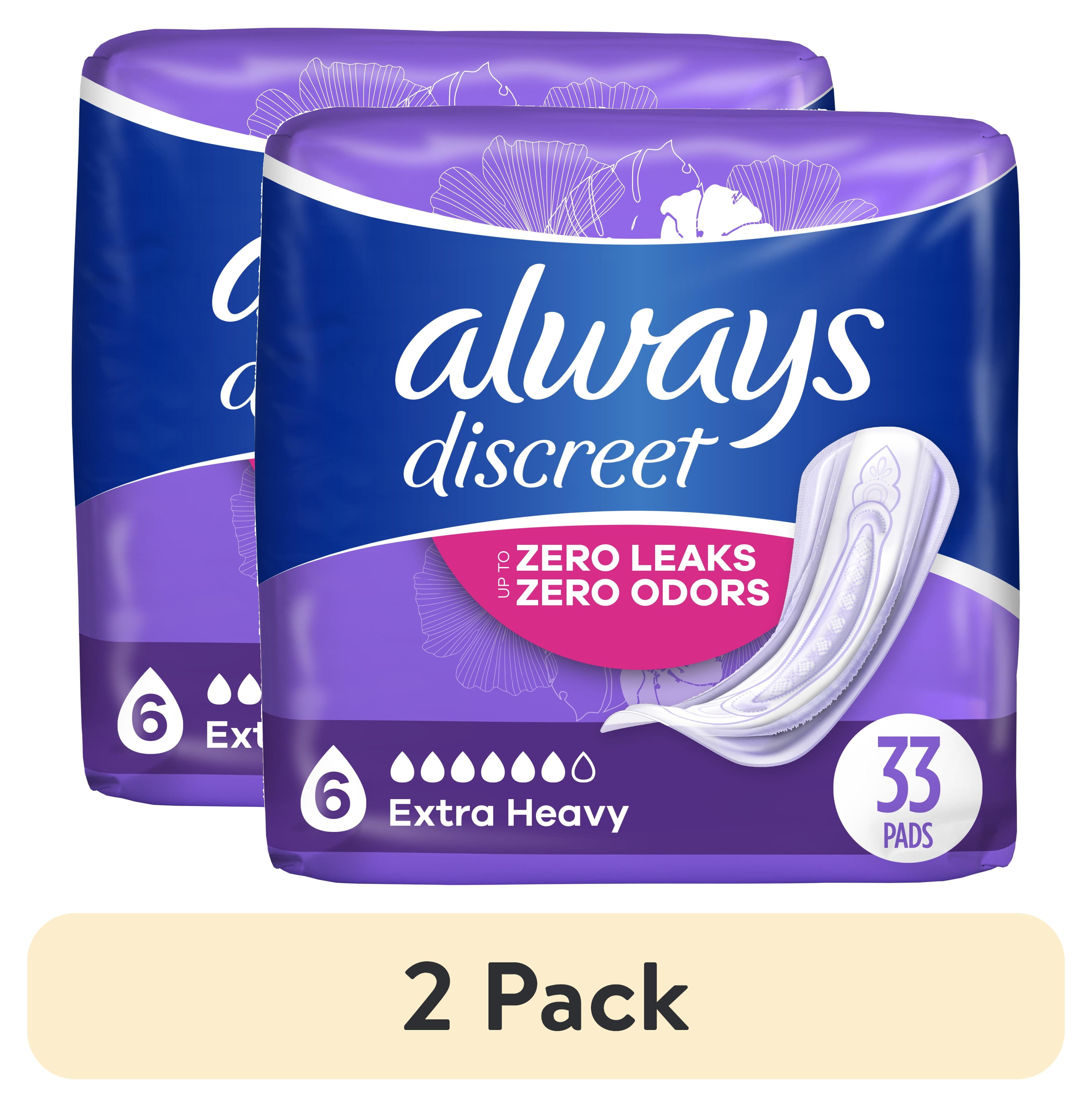
Heavy-duty incontinence pads, often referred to as bariatric or overnight-absorbency pads, are specialized medical-grade products designed to manage high-volume fluid output. These products provide essential skin protection and hygiene management for individuals with moderate to severe incontinence by utilizing advanced super-absorbent polymer (SAP) technology to lock away moisture and neutralize odors rapidly.
Contents
Understanding the Technical Requirements of Heavy-Duty Pads
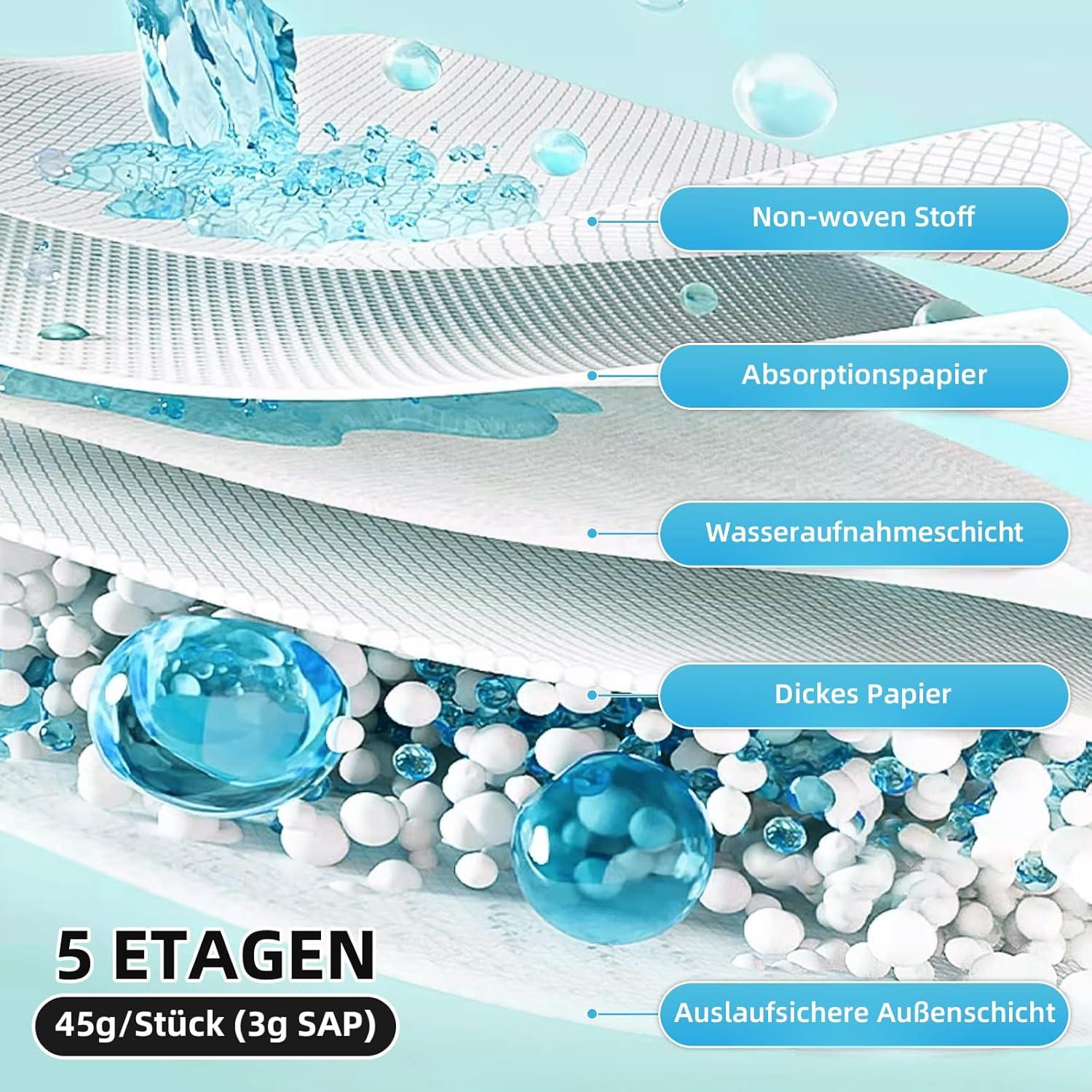
The effectiveness of a heavy-duty incontinence pad is dictated by its core construction. Unlike standard retail-store liners, which are designed for light leakage or "dribble" incontinence, heavy-duty variants are engineered for total bladder or bowel incontinence. The primary technical requirement for these products is the moisture-wicking capacity of the acquisition distribution layer (ADL).
The ADL is the porous material directly beneath the top sheet that rapidly moves liquid away from the body toward the absorbent core. In high-performance pads, this layer is crucial because it keeps the skin surface dry, preventing dermatitis—a common complication when moisture remains in contact with the dermis for extended periods. Beneath this, the core utilizes a mixture of cellulose pulp and SAPs. The SAPs are the critical component; they undergo a chemical reaction to turn liquid into a gel, which prevents "re-wetting" even under the pressure of a user sitting or lying down.
Key Factors for Selection: Capacity and Size
When evaluating incontinence pads, the term "heavy-duty" is often shorthand for high-capacity performance. However, size and shape are just as critical as raw absorption volume.
- Anatomical Shaping: Many high-absorbency pads are contoured to match the human anatomy. An ergonomic fit prevents gaps at the legs, which are the most common points of failure for leaking.
- Backing Material: Quality heavy-duty pads feature a moisture-proof back sheet, typically made from a soft polyethylene or a "cloth-like" non-woven material. While the cloth-like backing is quieter and more discreet, polyethylene backing is often more effective at preventing liquid from soaking through if the pad remains saturated for a long period.
- The "ISO" Standards: While not always listed on retail packaging, manufacturers often test products using ISO 11948-1 standards. For heavy-duty requirements, look for products that specify a minimum capacity of 2,000ml to 3,500ml for single-use products intended for overnight protection.
Comparison of Incontinence Management Solutions
Selecting the right product requires balancing the user's mobility levels and the severity of their condition.
| Feature | Standard Liners | Heavy-Duty Pads | Incontinence Briefs |
|---|---|---|---|
| Primary Use | Light stress incontinence | Severe/Overnight | Total incontinence |
| Attachment | Adhesive strip | Adhesive or Mesh Pant | Side tabs/fasteners |
| Capacity | Low (<500ml) | High (1,500ml+) | Highest (2,000ml+) |
| Skin Health | Standard | High (Wicking focus) | Very High (Barrier focus) |
Best Practices for Proper Application
The efficacy of even the highest-quality heavy-duty pad can be neutralized by improper application. To ensure full utility, users or caregivers should follow a structured approach:
- Securing the Pad: Never rely on the adhesive strip alone if the user is ambulatory. High-absorbency pads are physically larger and heavier; therefore, they should be paired with specialized mesh "fixation pants" or incontinence underwear. These garments hold the pad firmly against the body, ensuring the ADL functions correctly.
- Positioning: Ensure the pad is centered according to the user's primary output point. For individuals who are bedridden, the pad should be positioned further toward the posterior to account for the way gravity pulls liquid when lying supine.
- Frequency of Changes: Despite the "heavy-duty" label, no pad is designed to remain in place indefinitely. To prevent skin breakdown and pressure ulcers, pads should be inspected every 4 to 6 hours or immediately following a bowel movement.
Managing Costs and Insurance Coverage
In many jurisdictions, including the United States, heavy-duty incontinence supplies may be covered under certain insurance plans or government health programs if a physician determines they are "medically necessary."
If you are pursuing reimbursement, documentation is the most significant hurdle. Your healthcare provider must provide a formal diagnosis—such as neurogenic bladder, prostate issues, or specific motility disorders—that necessitates the use of high-capacity supplies. You should maintain a copy of the prescription and the specific product specifications to demonstrate that the items purchased meet the clinical criteria for your condition. For those paying out-of-pocket, buying in bulk via specialized medical supply retailers is generally 30% to 50% more cost-effective than purchasing individual packages at local pharmacies.
Safety Considerations and Medical Advice
Incontinence is a symptom, not a disease. While heavy-duty pads effectively manage the consequences of incontinence, they do not treat the underlying cause. It is essential to consult with a urologist or a geriatric specialist to rule out treatable conditions like urinary tract infections (UTIs), medication side effects, or pelvic floor muscle atrophy.
Furthermore, prolonged use of pads can lead to Incontinence-Associated Dermatitis (IAD). If you notice persistent redness, skin irritation, or broken skin, discontinue use of that specific product type and consult a wound care nurse. Avoid using heavy lotions under the pad, as these can clog the pores of the material and reduce absorption efficiency. Use only barrier creams recommended by a medical professional, which are specifically formulated to protect the skin without degrading the pad's integrity.
Frequently Asked Questions
How do I know if a pad is truly "heavy-duty"? Look for the stated absorption capacity in milliliters (ml) rather than marketing terms like "maximum." A true heavy-duty pad should be capable of holding at least 1,500ml of liquid.
Can I wear two pads at once for more protection? No. Doubling up is ineffective and often counterproductive. The top pad acts as a barrier, preventing the bottom pad from absorbing anything. Additionally, the extra bulk increases friction against the skin, which can lead to chafing and pressure injuries.
Are heavy-duty pads bulky under clothing? Yes, by design. Because they require more SAPs and cellulose to hold larger volumes of liquid, they are thicker than standard products. If discretion is a primary concern, consider "shaped pads" which are contoured to be slimmer in the crotch area while remaining wide in the back.
How should I dispose of saturated pads? Used pads should be rolled from the front to the back to contain the moisture, secured using the built-in adhesive tabs or a small piece of tape, and disposed of in a sealed plastic bag. Do not flush pads, as they will cause severe plumbing obstructions.
What is the role of mesh pants? Mesh fixation pants are essential for heavy-duty pads. They provide the necessary compression to keep the pad’s core flush against the skin, ensuring that liquid is directed into the absorbent material rather than leaking out the sides.
Recommendation for Users
If you are currently struggling with leakage, verify the fit of your current product first. A "heavy-duty" pad will leak if the leg gathers are not snug against the inner thigh. If the fit is correct and you are still experiencing leaks, move to a higher-capacity rating (look for "Overnight" or "Bariatric" labels) or transition to a pull-on style brief, which provides more secure perimeter coverage than a pad. Always prioritize skin health by keeping a log of changes to monitor for potential dermatitis.
Image Gallery