Navigating the Average Home Loan Rate for First Time Buyers
Securing the average home loan rate for first time buyers depends heavily on credit scores, loan types, down payment sizes, and prevailing macroeconomic conditions. Because mortgage markets fluctuate daily, prospective homeowners must...
Securing the average home loan rate for first time buyers depends heavily on credit scores, loan types, down payment sizes, and prevailing macroeconomic conditions. Because mortgage markets fluctuate daily, prospective homeowners must understand how national benchmarks apply to their personal financial profiles and how to secure competitive financing terms.
Contents
Understanding the financial landscape when entering the property market for the very first time can feel overwhelming, particularly when trying to decipher how national mortgage averages apply to individual purchasing power. The interest rate attached to a home loan dictates not only the monthly mortgage payment but also the total cost of homeownership over a 15-year or 30-year amortization schedule. For first-time buyers, obtaining a competitive rate is one of the most effective ways to maximize purchasing power and long-term financial stability.
Navigating this terrain requires a clear grasp of what constitutes a typical interest rate, which factors pull those numbers up or down, and what government-backed programs exist to bridge the gap for buyers who may not yet have stellar credit or substantial cash reserves. This guide breaks down the core components of first-time homebuyer mortgage rates, explores the structural differences among various loan products, and provides actionable steps to position yourself for the best possible borrowing terms.
What Drives the Average Home Loan Rate for First Time Buyers?
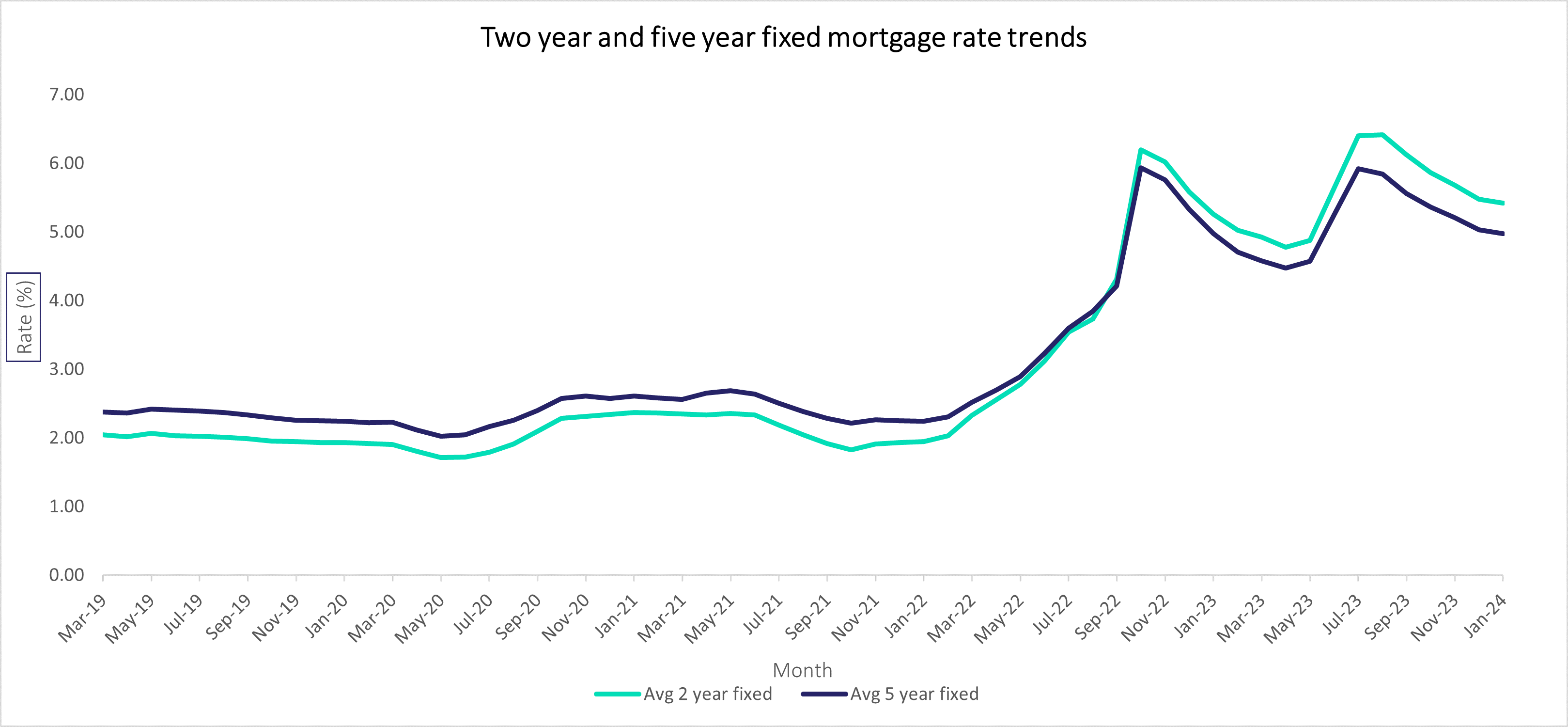
Mortgage rates are not arbitrary figures set by individual banks; rather, they are deeply tethered to broader economic indicators, monetary policy, and inflation trends. When the Federal Reserve adjusts its benchmark federal funds rate, consumer borrowing costs—including mortgages, auto loans, and credit cards—typically shift in tandem. However, the connection is indirect. Fixed-rate mortgages generally track the yield on the 10-year U.S. Treasury note rather than the overnight lending rate.
For first-time buyers, the macroeconomic environment sets a baseline, but personal financial metrics determine the exact interest rate offered by a lender. These microeconomic factors act as risk multipliers. Lenders evaluate how likely a borrower is to default on a loan by analyzing specific indicators:
- Credit Score: A higher credit score signals a history of responsible debt management, translating to a lower offered interest rate. Borrowers with scores in the 740-plus range routinely secure the most favorable rates.
- Down Payment Size: Putting down a larger percentage of the home's purchase price reduces the lender's exposure to risk. A down payment of 20% or more often eliminates the need for private mortgage insurance (PMI) and can secure better rate tiers.
- Debt-to-Income (DTI) Ratio: This metric compares monthly debt obligations to gross monthly income. A lower DTI demonstrates that the borrower has sufficient cash flow to handle a new mortgage payment comfortably.
- Loan Type: Government-backed loans (such as FHA, VA, or USDA loans) often feature lower average interest rates than conventional loans, though they carry mandatory mortgage insurance fees that affect the overall cost of borrowing.
- Loan Term: Shorter loan terms, such as a 15-year fixed mortgage, typically carry lower interest rates than traditional 30-year fixed mortgages, though the monthly payments are substantially higher.
Common Mortgage Options Available to First-Time Buyers
First-time buyers rarely rely on standard conventional loans alone. Because accumulating a 20% down payment and establishing an unblemished credit history can take years, specialized loan products exist to ease entry into the housing market.
Conventional Loans
Conventional loans are not insured or guaranteed by the federal government. They conform to guidelines set by Fannie Mae and Freddie Mac. While many people assume conventional loans require a 20% down payment, programs like HomeReady and Home Possible allow qualifying first-time buyers to purchase a home with as little as 3% down. However, these programs generally require private mortgage insurance until the loan balance reaches 78% of the home's original value.
FHA Loans
Backed by the Federal Housing Administration, FHA loans are a staple for first-time buyers with lower credit scores or limited savings. Borrowers with a credit score of 580 or higher can qualify for an FHA loan with a 3.5% down payment. Even those with scores between 500 and 579 may qualify with a 10% down payment. The trade-off is that FHA loans require an upfront mortgage insurance premium (UFMIP) as well as an annual mortgage insurance premium (MIP) that typically lasts for the entire life of the loan.
VA Loans
For eligible military service members, veterans, and surviving spouses, VA loans offered by the Department of Veterans Affairs provide exceptional benefits. These loans require $0 down payment, do not mandate private mortgage insurance, and frequently feature interest rates that sit below conventional market averages.
USDA Loans
Designed to promote homeownership in eligible rural and suburban areas, USDA loans are backed by the U.S. Department of Agriculture. Like VA loans, they offer 100% financing with zero down payment required, combined with competitive interest rates and reduced mortgage insurance costs for buyers meeting specific geographic and income limits.
| Loan Program | Minimum Down Payment | Typical Credit Requirement | Mortgage Insurance Requirement | Best Suited For |
|---|---|---|---|---|
| Conventional (Standard) | 3% to 20% | 620+ | PMI required if down payment is under 20% | Borrowers with solid credit and steady employment |
| FHA Loan | 3.5% | 580+ (500–579 with 10%) | Upfront and annual MIP for the life of the loan | Buyers with lower credit scores or smaller savings |
| VA Loan | 0% | Set by lender (typically 580–620) | None (Funding fee applies) | Eligible military members and veterans |
| USDA Loan | 0% | Typically 640+ | Upfront and annual guarantee fees | Buyers purchasing in designated rural/suburban zones |
Strategic Steps to Secure a Lower Interest Rate
Because even a fraction of a percentage point can translate to tens of thousands of dollars in interest over the life of a 30-year loan, optimizing your financial profile before applying for a mortgage is essential.
1. Monitor and Clean Up Your Credit Report
Obtain your official credit reports well in advance of house hunting. Check for errors, discrepancies, or outdated negative marks that could artificially depress your score. Pay down revolving credit card balances to lower your credit utilization ratio below 30%—or ideally below 10%. Avoid opening new lines of credit or closing old accounts, as both actions can negatively impact your credit history length and score.
2. Shop Around and Compare Multiple Lenders
A common mistake among first-time buyers is accepting the first mortgage offer they receive. Studies from consumer financial protection agencies consistently show that shopping around among multiple lenders—including national banks, credit unions, and online mortgage brokers—can yield significantly different rate quotes. Securing quotes from at least three different lenders allows you to compare annual percentage rates (APRs), origination fees, and closing costs.
3. Consider Buying Mortgage Points
Discount points are optional fees paid directly to the lender at closing in exchange for a lower interest rate over the life of the loan. One point typically costs 1% of the total loan amount and generally reduces the interest rate by about 0.25%. Determining whether this makes financial sense depends on how long you plan to stay in the home; if you sell or refinance within a few years, the upfront cost may not break even.
4. Lock in Your Rate at the Right Time
Mortgage rates fluctuate daily. Once you have an accepted purchase offer on a home, most lenders allow you to "lock" your interest rate for a specific window, such as 30, 45, or 60 days. This protects you from market spikes while your loan processes. Working closely with an experienced loan officer helps determine whether riding out a volatile market or securing a rate lock immediately is the prudent move.
Common Pitfalls to Avoid During the Mortgage Process
First-time buyers frequently encounter missteps that can derail their loan approval or result in higher-than-necessary borrowing costs. Navigating the process successfully means avoiding these frequent errors:
- Making Major Financial Changes: Do not switch jobs, buy a new car, or take out new personal loans while your mortgage application is under review. Lenders re-verify your credit and employment status right before closing; significant changes can cause a loan denial at the eleventh hour.
- Depleting All Cash Reserves: Draining every dollar of your savings to make a larger down payment leaves you vulnerable to emergency expenses or unexpected home repairs immediately after moving in. Maintain a dedicated emergency fund independent of closing costs.
- Ignoring Closing Costs: The down payment is only part of the cash required at closing. Origination fees, appraisal fees, title insurance, home inspections, and prepaid property taxes typically add 2% to 6% of the loan amount to your out-of-pocket expenses.
- Focusing Solely on the Monthly Payment: A lower monthly payment achieved by stretching a loan term or accepting a variable rate with steep future adjustments can jeopardize your long-term financial security. Evaluate the total cost of the loan, not just the immediate cash flow impact.
Frequently Asked Questions
What is the typical down payment required for a first-time home buyer?
While conventional wisdom suggests putting down 20%, the vast majority of first-time buyers put down significantly less. Programs like FHA loans allow a 3.5% down payment, and certain conventional, VA, and USDA options permit down payments ranging from 0% to 3%. However, lower down payments generally mean paying private mortgage insurance or higher overall financing fees.
Are interest rates higher for first-time buyers than repeat buyers?
Lenders do not base interest rates directly on whether you have owned a home before. Instead, they evaluate risk factors such as credit score, down payment size, and debt-to-income ratio. Because first-time buyers sometimes have shorter credit histories or smaller down payments, they may occasionally receive higher rate offers unless they take advantage of specific first-time buyer assistance programs.
Should I choose a fixed-rate or adjustable-rate mortgage?
For most first-time buyers, a fixed-rate mortgage provides superior predictability and stability because the interest rate and principal-and-interest payment remain constant for the entire life of the loan. Adjustable-rate mortgages (ARMs) start with a lower initial rate that adjusts periodically after a set period (such as 5 or 7 years). ARMs can make sense if you plan to sell or refinance before the adjustment period begins, but they carry inherent risk if market rates rise significantly.
Can first-time homebuyer assistance programs help lower my interest rate?
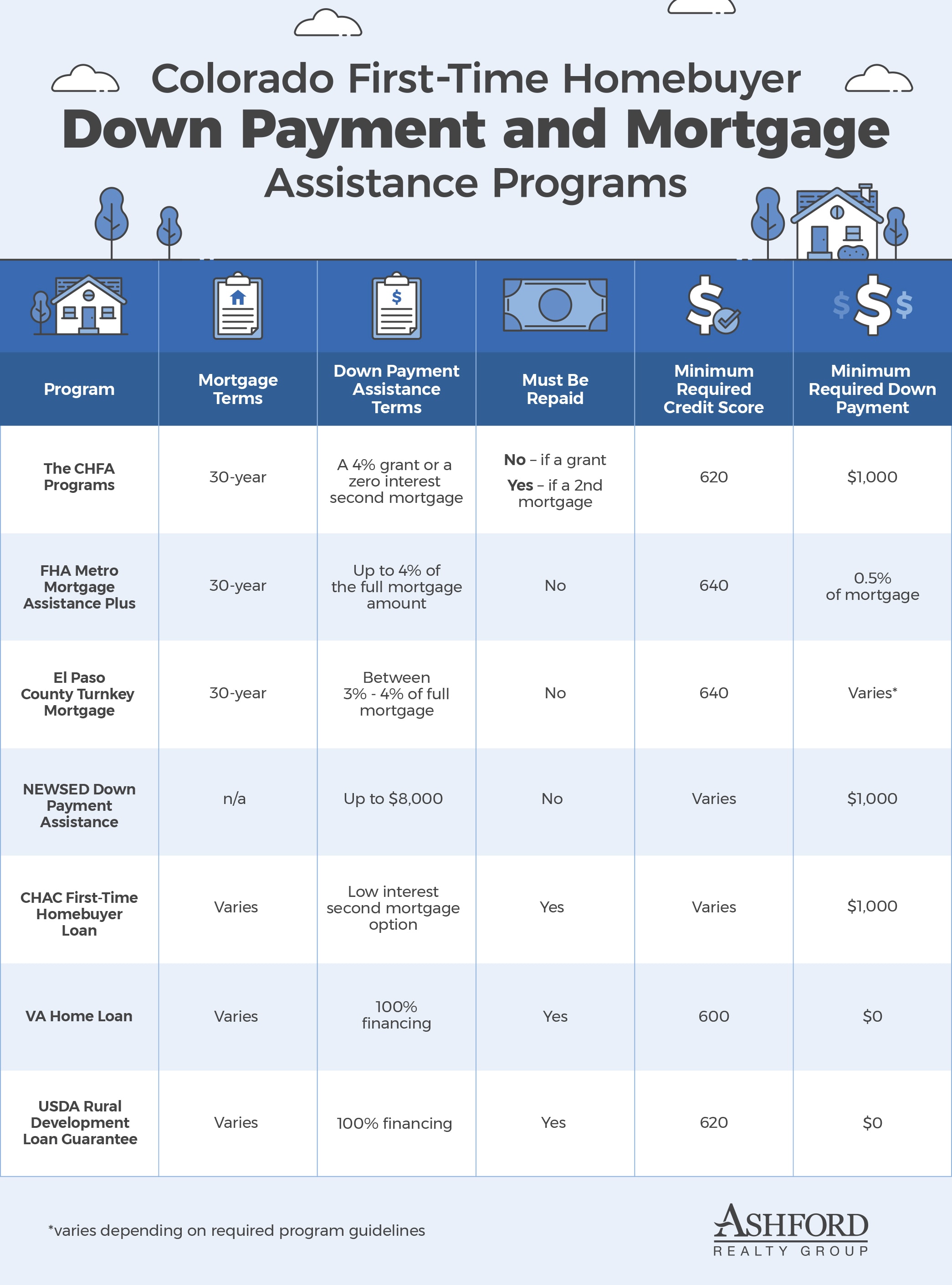
Yes. Many state and local housing finance agencies (HFAs) offer specialized first-time homebuyer programs that combine below-market interest rates with down payment assistance grants or low-interest second liens. Eligibility requirements typically include income caps, purchase price limits, and the completion of a homebuyer education course.
How does my credit score impact my mortgage interest rate?
Your credit score is one of the primary drivers of your mortgage rate. Lenders group borrowers into credit tiers. Borrowers in the highest tier (typically 740 and above) secure the lowest available market rates, while those in lower tiers face higher interest rates because lenders price in a higher perceived risk of default. Improving your score by even a few dozen points can drop your rate enough to save thousands of dollars over the loan term.
Conclusion and Next Actions
Securing a competitive home loan rate requires preparation, diligence, and a clear understanding of your financial standing. Start by pulling your credit reports, eliminating unnecessary debt, and saving deliberately for your down payment and closing costs. Research state and local assistance programs designed specifically for first-time buyers, and reach out to multiple lenders to compare personalized loan estimates before locking in a rate. By approaching the mortgage market with thorough preparation, you can position yourself to secure financing that supports your long-term financial health and homeownership goals.
Image Gallery