How Much Does Hair Removal Cost? A Comprehensive Pricing and Procedure Guide
Hair removal costs vary significantly depending on the method chosen, ranging from temporary solutions like waxing and shaving that cost a few dollars per session to permanent or long-term treatments like laser hair removal and electro...
Hair removal costs vary significantly depending on the method chosen, ranging from temporary solutions like waxing and shaving that cost a few dollars per session to permanent or long-term treatments like laser hair removal and electrolysis, which can total several thousand dollars across multiple appointments.
Contents
When evaluating how much hair removal costs, consumers must look past the initial sticker price of a single session. Temporary methods demand continuous, lifelong spending, whereas advanced professional treatments require an upfront investment that typically decreases over time as hair growth diminishes. Understanding the financial implications requires analyzing geographic variations, body treatment areas, practitioner expertise, and the exact technology utilized.
Factors Influencing Hair Removal Costs
The total expense of any hair removal regimen is dictated by a combination of biological, geographical, and technological variables. Whether opting for clinical interventions or at-home maintenance, several core drivers dictate overall expenditure.
Treatment Area and Surface Size
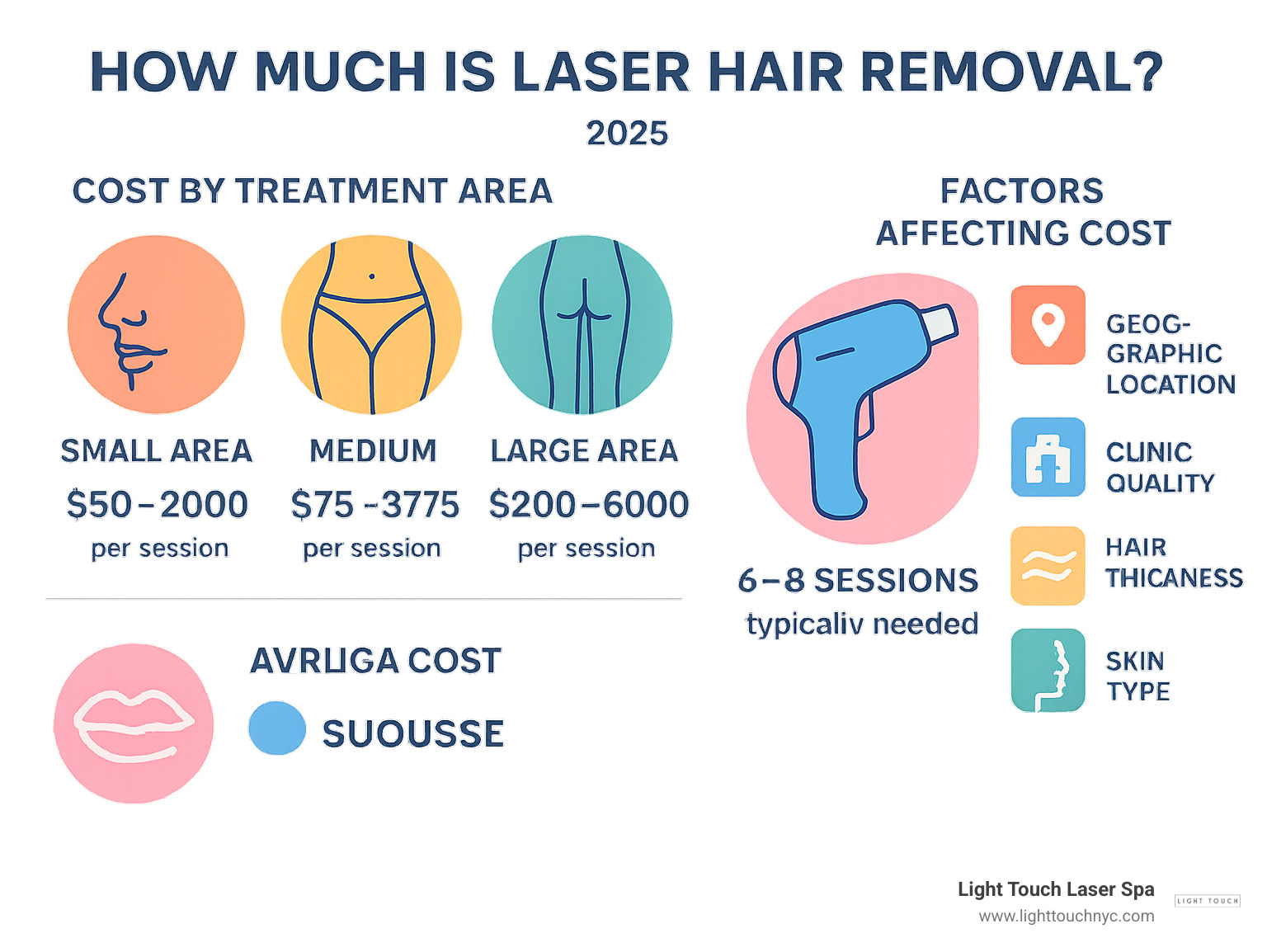
The physical dimensions of the treatment area represent the primary cost driver for professional procedures. Small zones, such as the upper lip, chin, or underarms, require minimal time and resources, often allowing for quick sessions priced at the lowest tier. Conversely, expansive surface areas like full legs, the entire back, or full-body treatments demand extensive practitioner time, higher energy output, and greater consumption of consumables like cooling gels and disposable tips.
Practitioner Expertise and Facility Type
The credentials of the professional performing the service heavily influence pricing. Board-certified dermatologists, plastic surgeons, and medical directors at high-end medical spas typically charge higher hourly or per-session rates than estheticians at standard salons. While lower-cost providers can be tempting, selecting a qualified medical professional reduces the risk of adverse effects such as hyperpigmentation, burns, or scarring, particularly when dealing with high-powered medical lasers.
Geographic Location
Regional economic factors create substantial variance in service pricing. Clinics operating in major metropolitan areas with high costs of living—such as New York, Los Angeles, or London—generally charge significantly higher rates than practices located in suburban or rural communities. Competition within densely populated urban centers can sometimes introduce promotional discounts, but baseline operating expenses usually drive prices upward.
Cost Breakdown by Removal Method
Different hair removal modalities carry radically different financial structures. The table below outlines the general financial expectations for the most common temporary and permanent hair removal solutions.
| Hair Removal Method | Average Cost Per Session | Typical Total Investment | Maintenance Requirements |
|---|---|---|---|
| Shaving | $5 – $15 (Razors & Creams) | $100 – $300 annually | Daily or weekly ongoing effort |
| Waxing (Salon) | $40 – $100+ per visit | $600 – $1,200+ annually | Every 3 to 6 weeks indefinitely |
| Depilatory Creams | $8 – $20 per bottle | $150 – $400 annually | Weekly ongoing effort |
| Laser Hair Removal | $200 – $900 per session | $1,200 – $3,000 (6–8 sessions) | Occasional annual touch-ups |
| Electrolysis | $60 – $150 per hour | Varies widely by area size | Periodic maintenance as needed |
Temporary Methods: Shaving, Waxing, and Depilatory Creams
Temporary solutions offer low entry barriers but impose a permanent recurring cost. Shaving requires minimal upfront outlay for razors and shaving creams, but the cumulative expense of replacement blades over a lifetime amounts to thousands of dollars. Professional salon waxing ranges from modest prices for eyebrow shaping to substantial sums for full-leg or Brazilian treatments repeated monthly. While individual sessions seem affordable, lifelong waxing often surpasses the total cost of permanent reduction methods.
Laser Hair Removal Pricing
Laser hair removal relies on selective photothermolysis to target melanin in hair follicles, disabling future growth. Most individuals require a series of six to eight treatments spaced four to six weeks apart to capture hairs in the active growth phase (anagen).
Per-session pricing typically spans from $200 for smaller regions like the upper lip to $600 or more for large zones like the back or legs. Many clinics sell bundled packages that offer a slight discount compared to paying for individual sessions. Maintenance touch-up sessions may be required once a year, costing a fraction of the initial package price.
Electrolysis Pricing
Electrolysis remains the only hair removal method recognized by the United States Food and Drug Administration (FDA) and the American Medical Association as permanently eliminating hair growth, regardless of hair color or skin type. Unlike lasers, which target multiple hairs simultaneously via light energy, electrolysis involves inserting a fine, sterile probe into each individual hair follicle and applying a localized current (galvanic, thermolysis, or a blend) to destroy the growth cells.
Because technicians treat hair follicles one by one, electrolysis is billed primarily by time—typically ranging from $60 to $150 per hour. Total costs depend entirely on the density of the hair and the size of the target zone, frequently requiring dozens of cumulative hours over several months or years to achieve permanent clearance.
Hidden Costs and Additional Financial Considerations
When budgeting for hair removal, consumers must account for variables that can inflate the baseline price quote provided during an initial consultation.
- Consultation Fees: Some medical spas and dermatology offices charge an initial consultation fee, though many apply this amount toward the cost of the first treatment package.
- Pre- and Post-Treatment Products: Specialized sunscreens, soothing balms, and gentle cleansers are often required to protect sensitive skin before and after laser or chemical treatments.
- Package Expirations: Clinics frequently sell multi-session laser packages with strict expiration dates (e.g., use within 12 months). Failing to complete sessions on schedule can result in forfeited treatments and lost money.
- Contrast and Skin Type Limitations: Traditional alexandrite and diode lasers perform best on light skin with dark hair. Individuals with darker skin tones or lighter hair colors (blonde, red, gray) may require specialized, more expensive technology like Nd:YAG lasers, or may be excluded from laser treatments entirely, forcing them to rely on more time-intensive methods like electrolysis.
Frequently Asked Questions
Is laser hair removal cheaper than shaving in the long run?
Yes, over a multi-decade timeline, laser hair removal can often prove more cost-effective than continuous temporary methods. While the initial package investment for laser treatment requires hundreds or thousands of dollars upfront, shaving requires purchasing razors, creams, and exfoliants indefinitely. Once a person completes a successful laser series and requires only occasional touch-ups, annual maintenance costs drop near zero.
Why do laser hair removal costs vary so much between clinics?
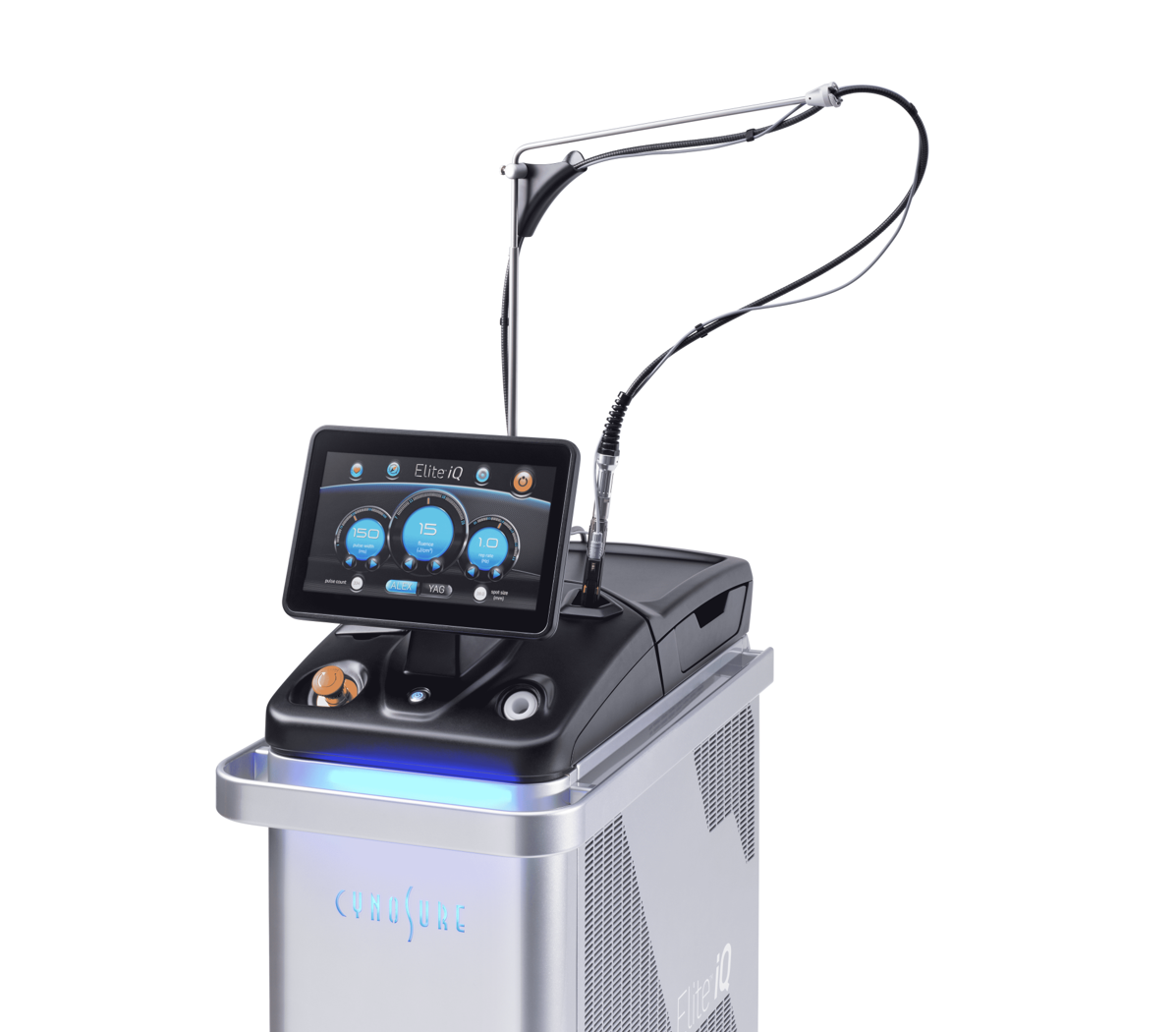
Pricing variations stem from the type of laser technology utilized, the geographic location of the practice, and the medical credentials of the staff. Clinics using advanced, FDA-cleared multi-wavelength systems generally charge more than facilities operating older, slower equipment. Furthermore, treatments administered directly by physicians command higher fees than those performed by supervised medical estheticians.
Are at-home laser and IPL devices worth the money?
At-home Intense Pulsed Light (IPL) and laser devices typically cost between $200 and $500, making them significantly cheaper than professional clinical packages. However, consumer-grade devices feature lower energy fluences and smaller treatment windows than professional machinery. While they offer noticeable hair reduction for many users, results are generally less permanent and slower to manifest compared to clinical-grade lasers.
Does health insurance cover the cost of hair removal?
Standard health insurance policies classify hair removal—whether laser, waxing, or electrolysis—as a cosmetic procedure, meaning it is excluded from coverage. Insurance providers will only cover hair removal costs in rare medical necessities, such as clearing hair from a donor graft site prior to reconstructive surgery or treating severe cases of pilonidal cysts and hidradenitis suppurativa, subject to prior authorization.
Next Steps for Prospective Patients
Before committing financial resources to any hair removal program, schedule consultations with at least two reputable providers to compare pricing structures, technology capabilities, and practitioner qualifications. Ask detailed questions regarding total estimated session counts, potential cancellation policies, and whether financing plans or interest-free payment options are available to help manage the upfront investment.
Image Gallery