Garfield Creator Jim Davis: A Legacy of Laughter and Design
Jim Davis engineered a cultural phenomenon by understanding the universal appeal of laziness, a deep love for Italian food, and a disdain for Monday mornings. Through careful syndication, merchandising discipline, and an instantly reco...
Jim Davis engineered a cultural phenomenon by understanding the universal appeal of laziness, a deep love for Italian food, and a disdain for Monday mornings. Through careful syndication, merchandising discipline, and an instantly recognizable cartoon design, the creator of Garfield transformed a cynical orange tabby into a global multimedia empire that continues to define modern comic strip history.
Contents
The Origins of Garfield and the Path to Syndication
Long before Garfield became a household name, James Robert Davis grew up on a small farm in Fairmount, Indiana. Born in 1945, Davis spent much of his childhood dealing with childhood asthma, which limited his physical activities and left him plenty of time to observe the world from indoors. He spent these quiet hours sketching animals and cartoons, developing a dry sense of humor heavily influenced by his surroundings. Davis attended Ball State University, where he studied art and business, a combination that would prove vital to his future professional success.
After graduating, Davis worked in local advertising and later joined forces with Tom Ryan, the creator of the comic strip T.R. and Company. This experience provided Davis with a comprehensive understanding of the mechanics behind comic strip production and newspaper syndication. Eager to create his own property, Davis initially launched a strip called Gnorm Gnat, which featured a cast of insects. While the strip featured the witty dialogue that would later become his trademark, the bug-centric concept failed to secure major traction with newspaper editors.
Recognizing that readers needed characters they could easily empathize with, Davis pivoted toward a more universally beloved pet: the cat. In 1978, Garfield made its debut in a modest number of newspapers. Drawing inspiration from the numerous cats that populated his childhood farm, Davis designed a fat, sarcastic feline named after his grandfather, James A. Garfield Davis. Supported by his long-suffering owner, Jon Arbuckle, and a naive dog named Odie, the orange cat struck an immediate chord with the public. Within a few years, the strip achieved historic syndication growth, eventually entering thousands of newspapers worldwide and earning a place in the Guinness World Records for the most widely syndicated comic strip.
Principles of Cartoon Design and Visual Appeal
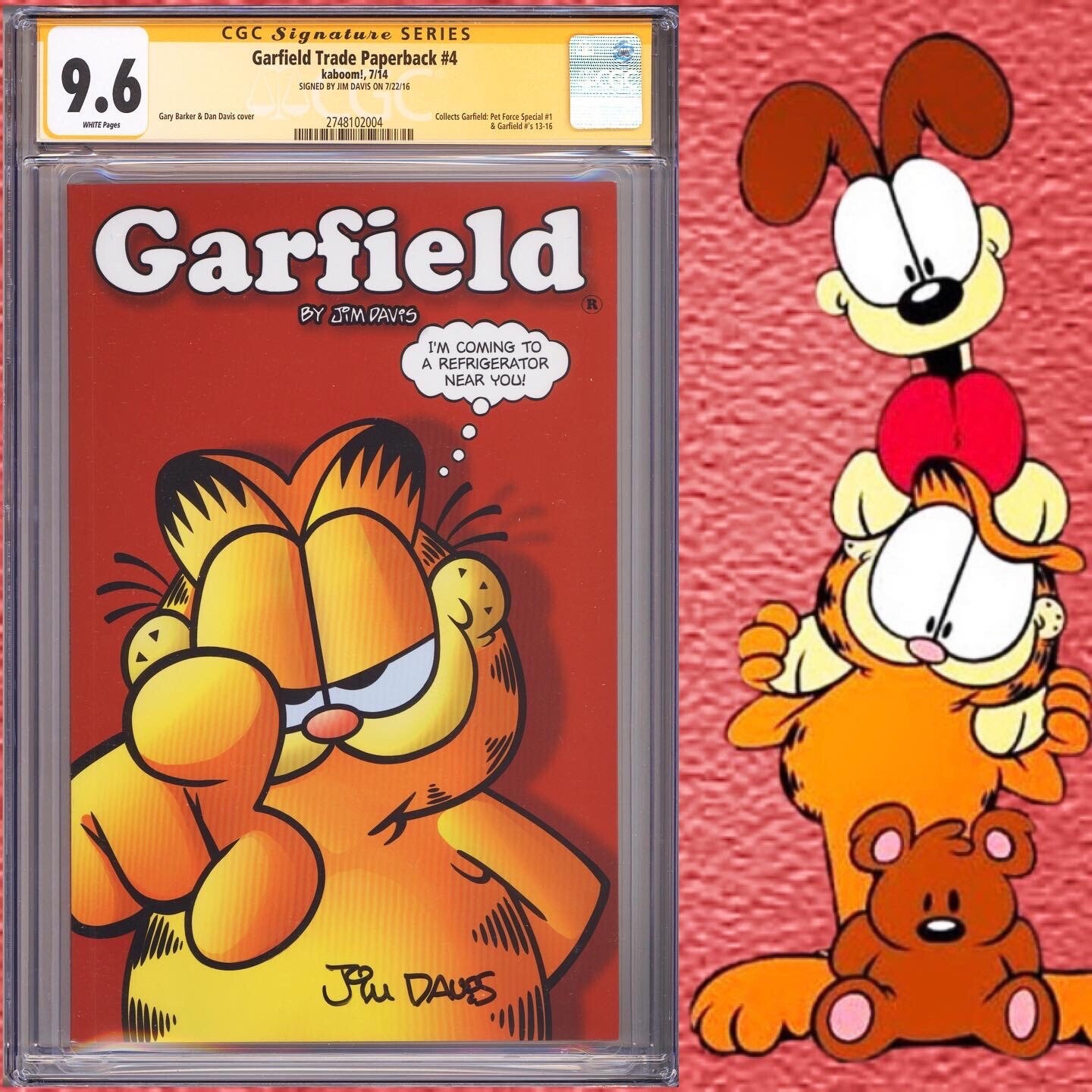
The enduring success of Garfield relies heavily on Davis’s deliberate approach to character design and visual communication. When Davis first conceptualized the cat, he realized that successful cartoon characters must possess distinct, exaggerated physical traits that make them instantly recognizable at a glance. Garfield’s massive head, drooping eyelids, small ears, and round, pear-shaped body were all meticulously crafted to convey laziness and self-indulgence.
Davis also paid close attention to the visual pacing of a standard three-panel comic strip. The minimalist backgrounds and clean lines ensured that the reader's eye went immediately to the characters' expressions and body language. By keeping the visual clutter to a minimum, Davis allowed the humor to drive the narrative without distraction.
| Design Element | Primary Characteristic | Purpose in the Strip |
|---|---|---|
| Head and Eyes | Large head with heavy-lidded, half-closed eyes | Conveys eternal boredom, cynicism, and skepticism |
| Body Shape | Exaggerated, rotund, pear-shaped silhouette | Visually emphasizes laziness, gluttony, and love for food |
| Paws and Posture | Slouched posture with oversized back feet | Reinforces a relaxed, unmotivated physical presence |
| Minimalist Backgrounds | Sparse furniture and plain walls | Focuses reader attention strictly on character interaction and dialogue |
This design discipline extended beyond the newspaper page. As the strip expanded into television specials, animated series, and extensive consumer products, the core character model remained remarkably consistent. This visual stability ensured that Garfield maintained his iconic identity across diverse media formats, from plush toys to digital screens.
Building a Global Licensing and Merchandising Empire
While many cartoonists focus solely on the creative aspects of their strips, Jim Davis understood the immense potential of commercial licensing early in the publishing run. In 1981, Davis established Paws, Inc., a creative studio located in Indiana, designed to manage the licensing, merchandising, and artistic production of the Garfield property.
By centralizing operations, Davis maintained strict quality control over every product bearing the character's likeness. This business model shifted the financial reliance away from newspaper syndication fees alone, turning Garfield into a commercial powerhouse. During the 1980s and 1990s, Garfield merchandise—ranging from ceramic coffee mugs and t-shirts to the ubiquitous suction-cup window plush cats—became omnipresent.
Key Factors in Licensing Success
- Relatable Relatability: The character's universal vices (eating too much, hating Mondays, avoiding exercise) created a broad consumer base that transcended age groups and geographic boundaries.
- Rigorous Quality Control: Paws, Inc. reviewed all third-party merchandise to ensure the character's voice and visual presentation remained consistent with the newspaper strip.
- Strategic Media Expansion: The transition into animated television specials—such as Here Comes Garfield and Garfield on the Town—alongside the long-running animated series Garfield and Friends, introduced the character to new generations of television viewers.
Evolution of the Strip in the Digital Age
As the traditional print newspaper industry faced declining circulation numbers in the late 20th and early 21st centuries, Davis adapted Garfield for changing media landscapes. The strip embraced digital distribution models, launching official websites, mobile applications, and active social media channels that delivered daily content directly to global fans.
In 2019, ViacomCBS (now Paramount Global) acquired Paws, Inc., bringing the intellectual property under a major entertainment umbrella while retaining Davis’s creative involvement. Despite these corporate changes, the core DNA of the strip remained intact. Daily strips continued to explore the same domestic trials involving Lasagna, coffee, and teasing Odie, proving that classic comedic timing does not age.
Frequently Asked Questions About Garfield and Jim Davis
Who created Garfield and when did the strip debut?
Jim Davis created Garfield, and the comic strip officially debuted on June 19, 1978, in 41 U.S. newspapers before expanding rapidly worldwide.
What inspired the creation of Garfield?
Davis grew up on an Indiana farm surrounded by numerous cats. He noticed a lack of prominent cat characters in the comic syndication market and decided to design a relatable, sarcastic feline based loosely on his grandfather.
What was Paws, Inc.?
Paws, Inc. was the creative production and licensing studio founded by Jim Davis in 1981 to manage the artistic creation, syndication oversight, and global merchandising of the Garfield franchise.
Is Jim Davis still involved with drawing Garfield?
While Davis stepped back from the daily drawing duties in later years, relying on a team of assistants and artists at his studio, he remained actively involved in the creative direction and writing of the strip.
Conclusion
Jim Davis’s professional journey demonstrates how sharp observation, disciplined character design, and astute business management can build an enduring cultural landmark. By anchoring his creation in universal human flaws and pairing them with a distinct visual style, Davis ensured that Garfield remains a beloved fixture of modern popular culture.
Image Gallery