Understanding Q-Flex Shark Tank Net Worth 2018: A Business Performance Analysis
The Q-Flex, a self-massage tool featured on the television program Shark Tank in 2018, gained significant public attention regarding its market valuation and the financial outcome of its appearance. While the company's "net worth" is n...
The Q-Flex, a self-massage tool featured on the television program Shark Tank in 2018, gained significant public attention regarding its market valuation and the financial outcome of its appearance. While the company's "net worth" is not a singular, publicly traded figure, the episode served as a pivotal moment for its founder, Andrea Aydin, and established the product’s standing within the competitive personal wellness device industry.
Contents
The Origin and Concept of Q-Flex
The Q-Flex is a non-electric, handheld pressure-point massage tool designed for trigger point therapy. Created by Andrea Aydin, the device features an ergonomic, flexible arc that allows users to reach hard-to-access areas, such as the upper and middle back, to alleviate muscle tension. The product’s design philosophy centers on portability, durability, and ease of use, aiming to provide a low-cost, mechanical alternative to high-end electronic massage chairs or professional physical therapy sessions.
Before appearing on Shark Tank in Season 9, Episode 17, which aired in early 2018, the Q-Flex had already begun building a modest consumer base through online retail channels. The primary value proposition was simple: a lightweight, effective, and "no-power-needed" tool for chronic pain management. By the time Aydin entered the "tank," the company was positioned as a bootstrap venture seeking capital to scale production and expand its marketing reach.
Analyzing the Shark Tank Appearance and Valuation
When evaluating the "net worth" of a company like Q-Flex in the context of Shark Tank, it is essential to distinguish between a company’s private valuation and its founder's personal wealth. Shark Tank offers are based on the valuation placed on the business by both the entrepreneur and the potential investors.
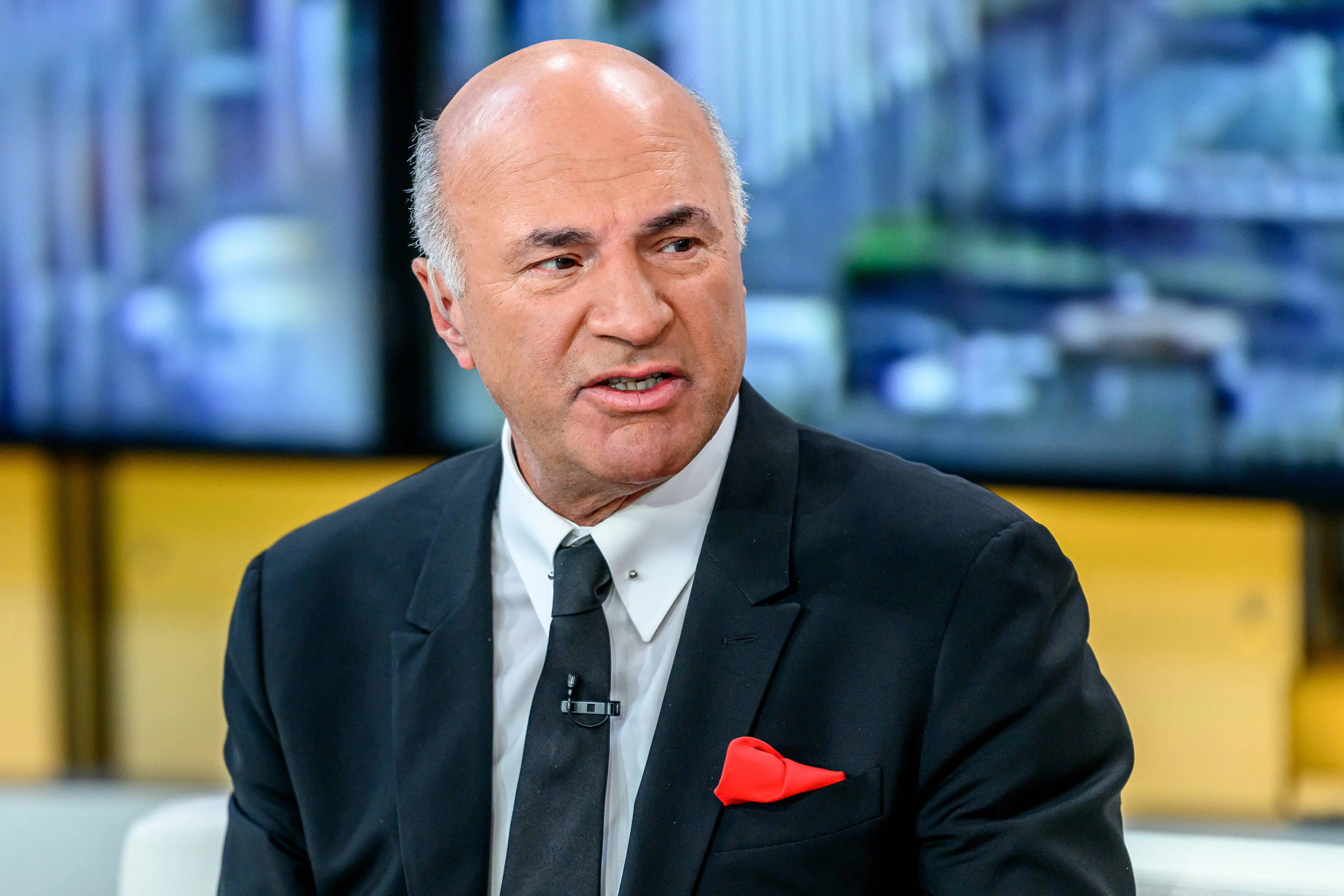
In 2018, Andrea Aydin sought an investment of $25,000 in exchange for 25% equity in Q-Flex, implying a company valuation of $100,000 at the time of the pitch. This figure represented the founder's estimate of the business's worth based on existing sales history, intellectual property, and projected growth. During the negotiation, the Sharks—Barbara Corcoran, Mark Cuban, Kevin O'Leary, Lori Greiner, and Robert Herjavec—scrutinized these financials.
Mark Cuban eventually agreed to invest $25,000 for a 25% stake in the company. This deal effectively set the "market value" of the company at $100,000 during the filming process. It is a common misconception that such a valuation is synonymous with the founder’s personal net worth. The business valuation is a snapshot of what an investor is willing to pay for a percentage of the company’s future earnings, not the total accumulated assets of the person running it.
Business Performance Metrics and Post-2018 Evolution
Following the 2018 broadcast, the Q-Flex experienced the "Shark Tank Effect," a well-documented phenomenon where visibility on the show leads to a temporary, yet significant, spike in brand awareness and consumer interest. For a small business, this level of national exposure often outweighs the cash investment provided by the Sharks.
| Metric Type | Contextual Significance |
|---|---|
| Initial Ask | $25,000 for 25% equity ($100,000 valuation) |
| Final Deal | $25,000 for 25% equity (Mark Cuban) |
| Primary Market | Direct-to-consumer wellness and self-care |
| Production Model | Mechanical/Non-Electric (low overhead) |
| Growth Strategy | Online retail and expanded digital marketing |
In the years following the 2018 appearance, the Q-Flex had to navigate the challenges inherent to the niche home wellness market. These challenges included the entry of lower-cost manufacturing competitors, fluctuations in digital advertising costs, and the need to maintain supply chain stability. As of 2026, the company remains a case study for small-scale entrepreneurs who leverage television exposure to transition from a startup phase to a more stable, albeit specialized, commercial operation.
Factors Influencing Small Business Valuation
For readers analyzing the valuation of products like the Q-Flex, it is helpful to understand the criteria investors used in 2018 and continue to use today. When determining the worth of a company, investors look at the following pillars:
- Revenue History: Consistent growth trends are far more valuable than a single viral sales month.
- Customer Acquisition Cost (CAC): How much the business spends to gain one paying customer compared to the lifetime value of that customer.
- Intellectual Property (IP): Does the company hold patents that prevent competitors from easily cloning the product?
- Scalability: Can the business move from manual assembly or small batches to mass production without compromising product quality or margins?
In the case of the Q-Flex, the simplicity of the design was both a strength and a potential vulnerability. While the lack of electronics kept costs low, it also meant that the barrier to entry for competitors was relatively low. The value perceived by investors was heavily tied to the brand's ability to maintain a foothold in the marketplace through marketing and customer loyalty rather than relying on complex proprietary technology.
Common Misconceptions Regarding Shark Tank Deals
A recurring point of confusion for viewers is the assumption that every deal shown on television is finalized exactly as it is presented. In reality, Shark Tank deals undergo a period of "due diligence" after filming. During this phase, the investors review the company’s financial records, legal status, and operational details.
Not all deals that close on camera proceed to a final, signed contract. If the due diligence process reveals inconsistencies—such as inflated sales projections or undisclosed debts—investors may retract their offer or renegotiate terms. For Q-Flex, the partnership with Mark Cuban provided the company with access to his extensive business network and operational guidance, which are often more valuable to a founder than the initial capital infusion.
Frequently Asked Questions
What was the original valuation of Q-Flex on Shark Tank? The valuation presented during the 2018 episode was $100,000. This was based on the founder's request for $25,000 in exchange for 25% of the company's equity.
Did Mark Cuban actually invest in Q-Flex? Yes, the deal between Andrea Aydin and Mark Cuban was finalized following the filming of the episode. This partnership provided the company with both the requested capital and strategic mentorship.
Does a Shark Tank valuation reflect the founder's personal wealth? No. A business valuation is the worth of the company entity itself. The founder’s personal net worth is an aggregate of their personal assets, savings, and investments, which are separate from the value of their business.
Is the Q-Flex still available for purchase in 2026? The Q-Flex remains a recognized entity in the self-massage market. While product distribution models evolve over time, the brand has maintained its presence in the wellness sector since its appearance on the program.
Why do Shark Tank valuations seem low? Valuations on the show are based on current performance and future growth potential. Investors typically buy into early-stage companies at lower valuations to mitigate the high risk that the business may fail or underperform.
Next Steps for Product Evaluation
If you are researching the Q-Flex for potential purchase or as a business case study, it is recommended to review the current product specifications on the official company website or authorized retail partners. Check for recent customer testimonials, as product quality and delivery standards can shift significantly over an eight-year period. If you are interested in the broader dynamics of small business investments, you may find the public records of SEC filings or business press releases from 2018 to 2020 useful for tracking the post-show growth trajectory of companies featured on the program.
Image Gallery