How to Choose Foundation Repair in Lombard: A Homeowner’s Guide
Choosing foundation crack repair in Lombard requires evaluating the specific nature of the cracks, the local geological conditions of DuPage County, and the credentials of structural contractors operating in the area. Homeowners must b...
Choosing foundation crack repair in Lombard requires evaluating the specific nature of the cracks, the local geological conditions of DuPage County, and the credentials of structural contractors operating in the area. Homeowners must balance the urgency of structural stability with local soil patterns, municipal permit requirements, and reliable engineering standards to ensure permanent preservation of their property.
Contents
Foundation cracks in Lombard properties often stem from regional weather shifts, seasonal frost heave, and the clay-heavy soils typical of northern Illinois. When selecting a repair method and a contractor, homeowners need to differentiate between non-structural shrinkage cracks and active structural fissures caused by hydrostatic pressure or settling footings. Understanding these variables ensures that repairs target the root cause rather than merely masking surface damage.
Understanding Lombard’s Soil and Foundation Challenges
Lombard experiences a humid continental climate featuring freeze-thaw cycles that profoundly affect residential foundations. During wet spring seasons and heavy autumn rains, the expansive clay soils in the western Chicago suburbs absorb moisture and swell, exerting immense lateral pressure against basement walls. Conversely, dry summer months cause these same soils to shrink, creating gaps that deprive foundation footings of adequate uniform support.
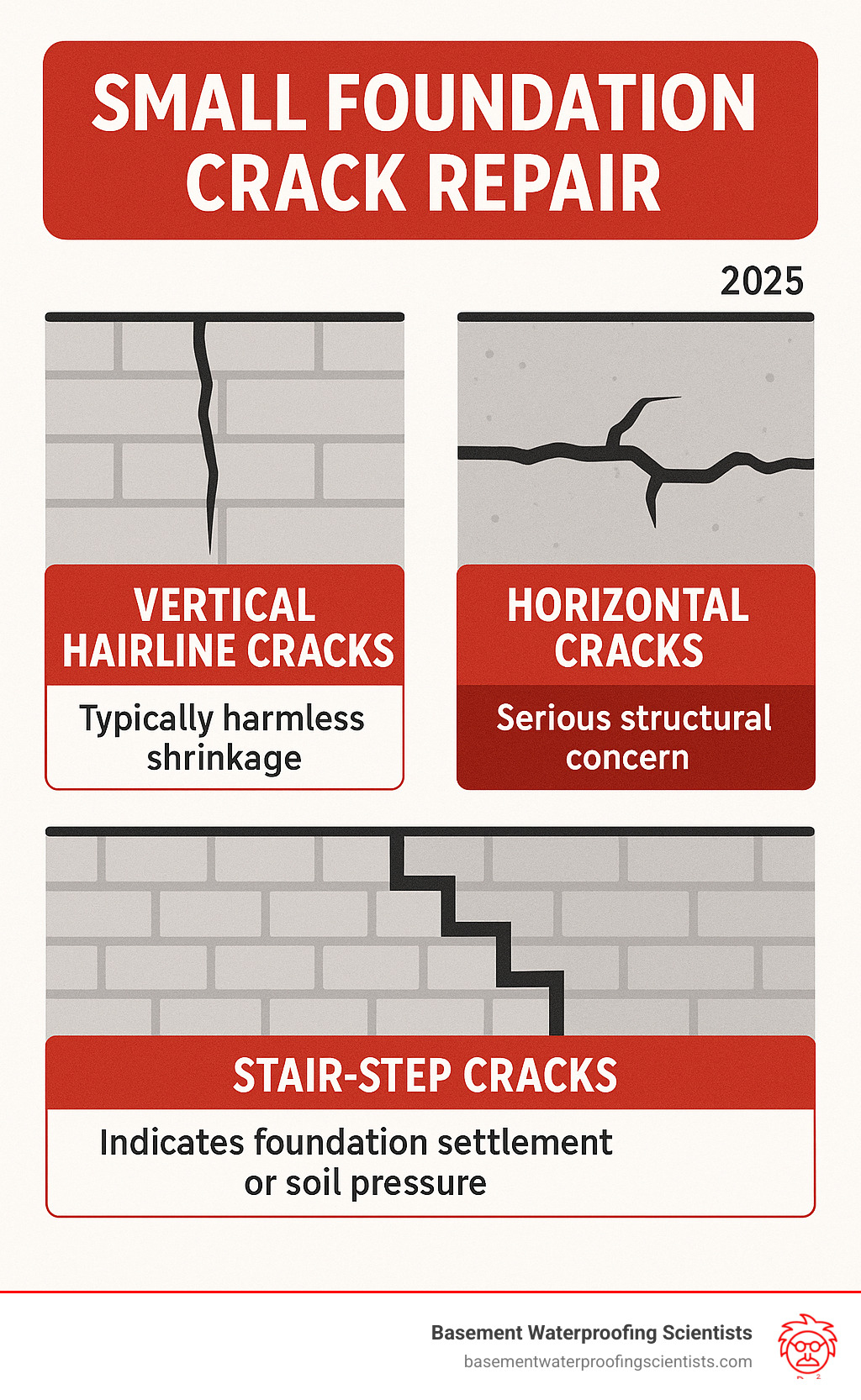
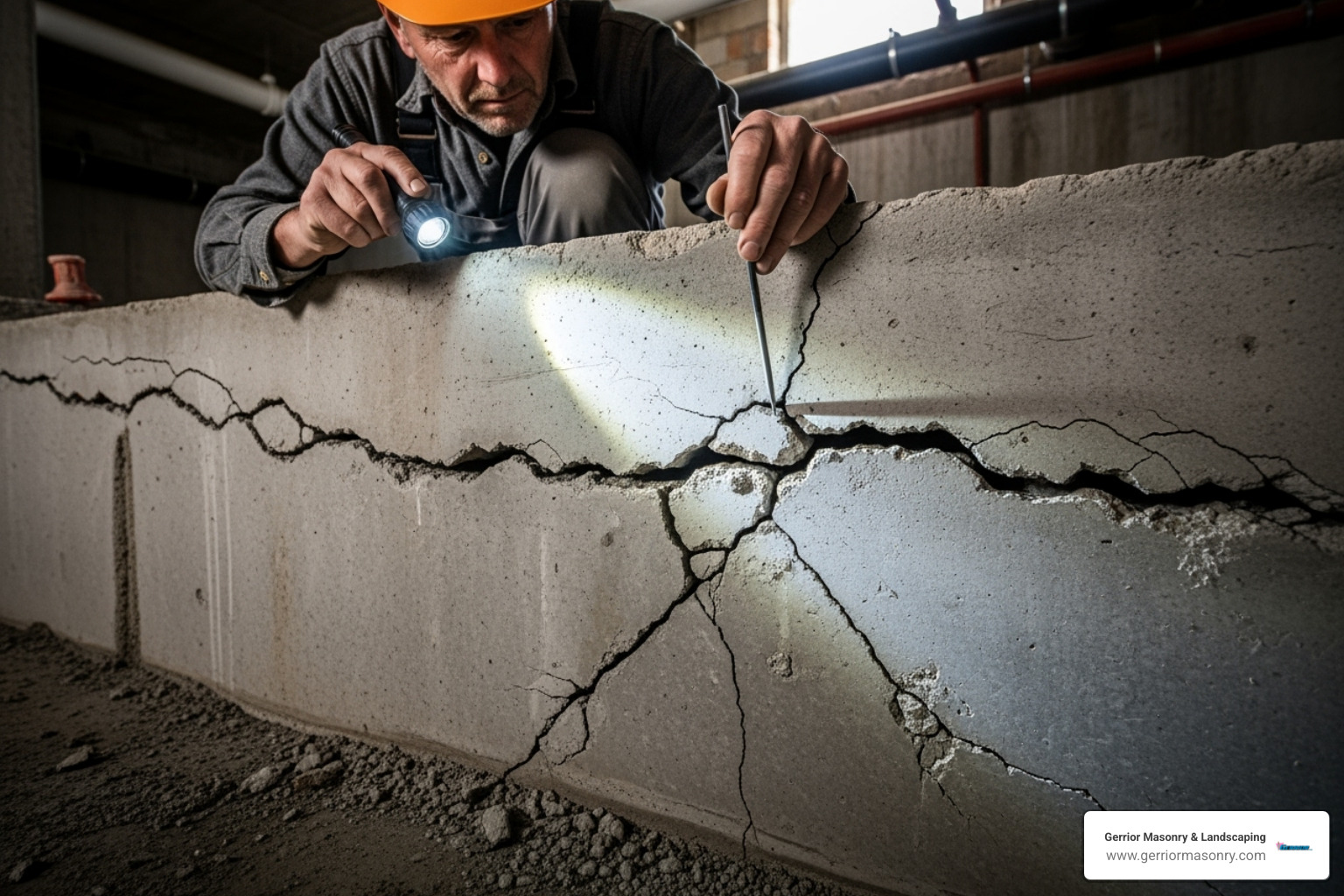
This constant soil movement tests the structural integrity of poured concrete, concrete block, and stone foundations throughout the village. Vertical hairline cracks often indicate normal, harmless curing shrinkage. However, stair-step cracks in mortar joints of concrete block walls or horizontal cracks accompanied by inward bowing signal severe structural distress requiring immediate professional intervention. Recognizing these distinctions prevents homeowners from wasting capital on cosmetic patches while active structural shifts compromise the building envelope.
Identifying Crack Types and Appropriate Repair Methods
Before hiring a contractor or requesting bids, homeowners must evaluate the physical characteristics of the foundation damage. Different crack patterns demand distinct engineering solutions. Selecting the wrong repair method can lead to recurring water infiltration or unmitigated structural failure.
Vertical and Diagonal Hairline Cracks
Hairline cracks measuring less than one-eighth of an inch wide usually result from minor concrete curing or minor settlement. While they rarely threaten overall structural integrity, they serve as pathways for subterranean moisture.
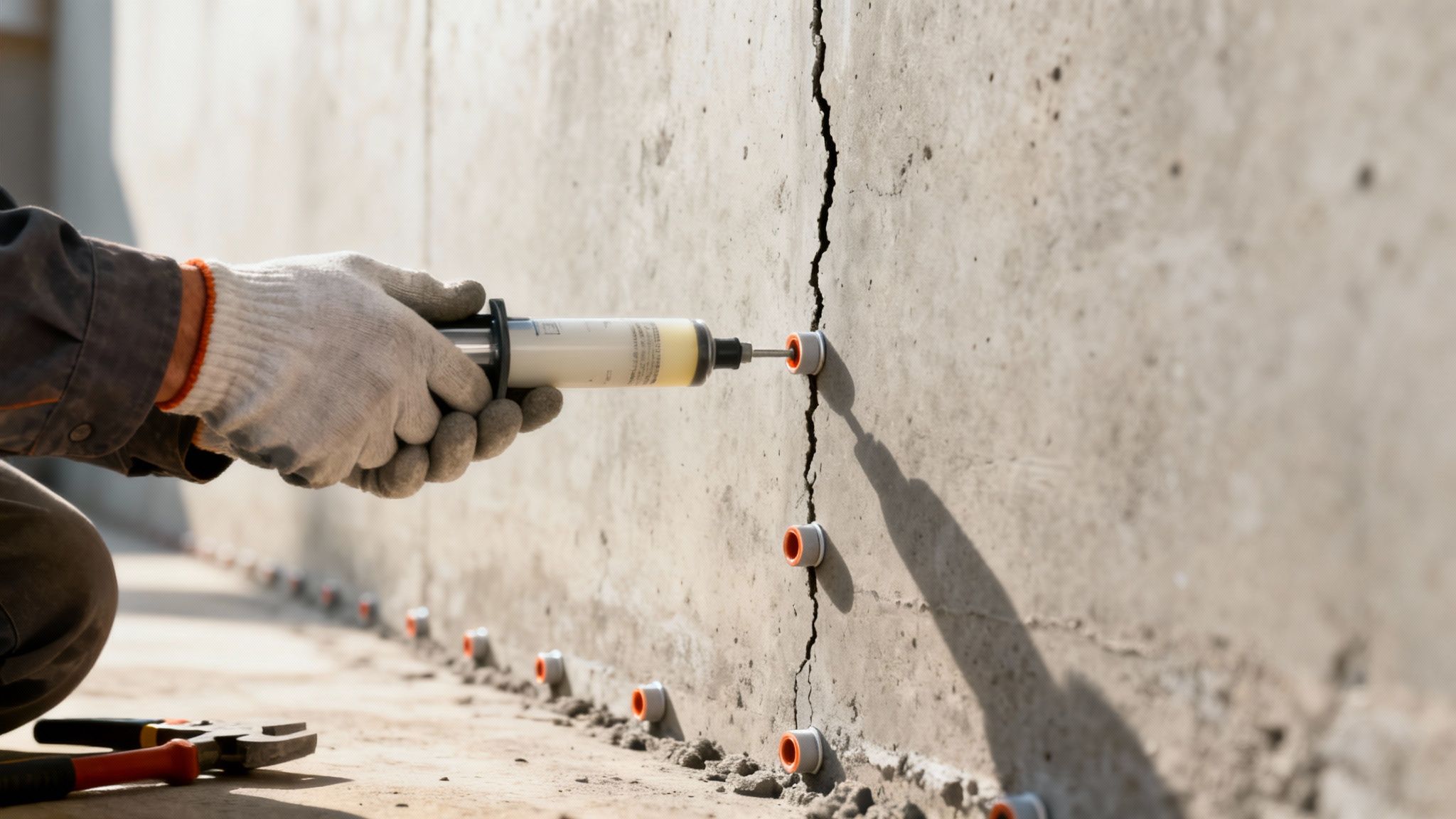
- Standard Repair: Low-pressure epoxy injection or polyurethane injection. Epoxy welds structural cracks back together with high tensile strength, while flexible polyurethane accommodates minor ongoing shifting and effectively blocks water seepage.
Horizontal and Stair-Step Structural Cracks
Horizontal cracks on poured concrete walls or stair-step patterns on brick and block foundations indicate severe lateral load pressure or differential settlement.
- Standard Repair: Carbon fiber reinforcement straps, steel I-beams, or underpinning push piers. These systems stabilize the wall against further inward movement and, in the case of piers, lift the structure back toward its original elevation.
| Crack Type | Visual Characteristic | Primary Cause | Recommended Repair Technique |
|---|---|---|---|
| Hairline Vertical | Narrow, straight up-and-down | Concrete shrinkage, minor settlement | Epoxy or polyurethane pressure injection |
| Stair-Step | Diagonal tracking along mortar joints | Uneven soil settlement, block shifting | Tuckpointing, structural epoxy, and wall anchors |
| Horizontal | Running parallel to the floor, often bowed | Hydrostatic pressure, expansive clay soils | Carbon fiber straps, steel I-beams, wall plates |
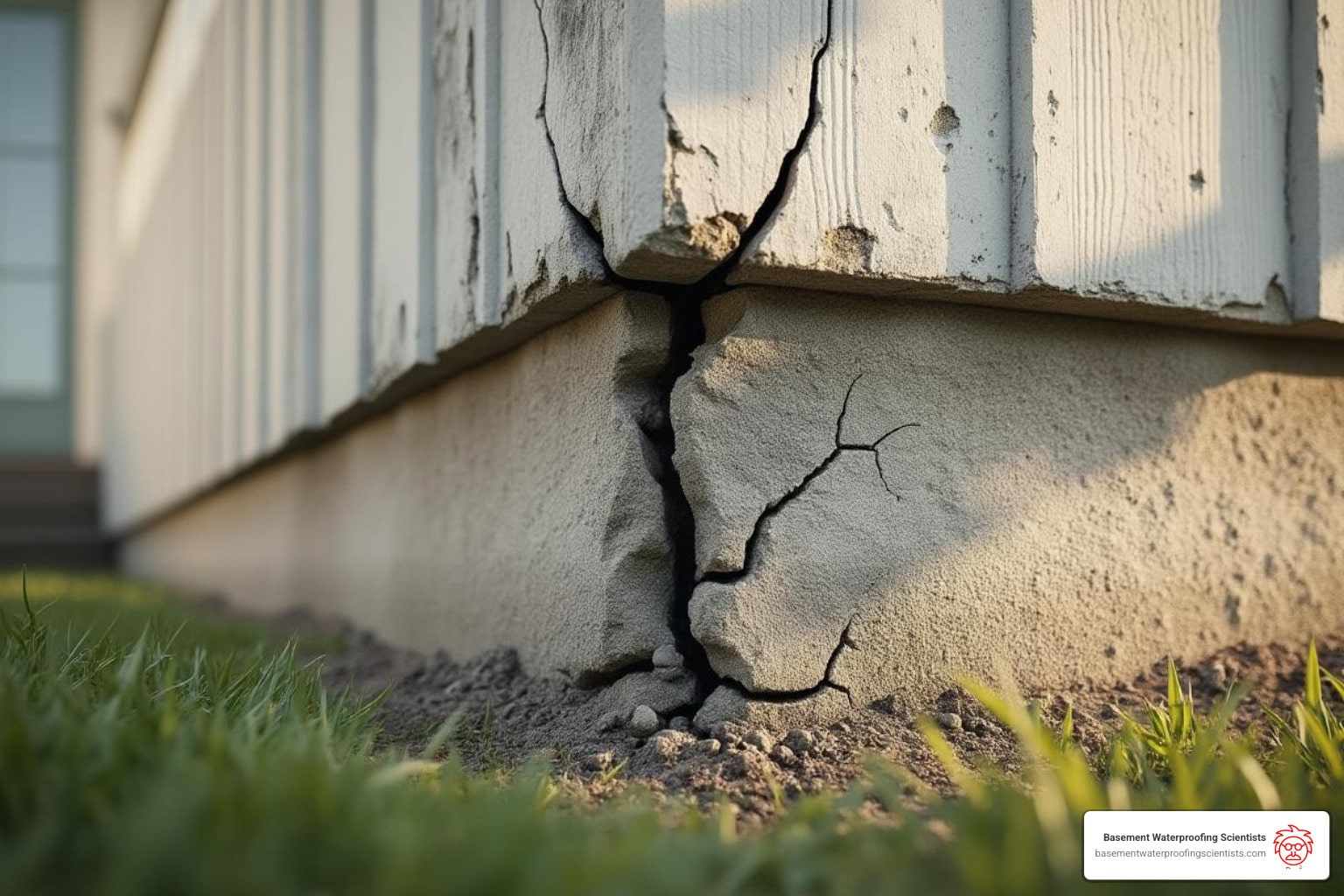
| Wide Shear | Jagged openings exceeding 1/4 inch | Extreme structural load or footing failure | Structural underpinning piers and steel bracing |
Evaluating and Vetting Lombard Foundation Contractors
Hiring a qualified foundation repair specialist in Lombard requires rigorous verification beyond reading online reviews. Because structural repairs involve the safety of the entire home, homeowners must screen prospective companies according to specific operational criteria.
Licensing, Bonding, and Insurance
Ensure the contractor holds a valid license to perform structural work and carries active general liability insurance alongside workers' compensation coverage. Local contractors operating within Lombard must adhere to DuPage County building codes and municipal ordinances. Request certificates of insurance directly from the provider's insurance agency to verify active status before signing any agreements.
Engineering Oversight and Warranties
Reputable foundation repair companies often employ or partner with structural engineers to design stabilization plans for complex failures. Look for contractors that provide clear, transferable warranties covering both materials and labor. A dependable warranty should protect against structural failure and material defects for the lifetime of the structure, providing peace of mind for future property resale.
Navigating Lombard Permits and Building Requirements
Foundation repair projects in Lombard often require municipal permits, particularly when the work involves structural alterations, exterior excavation, or underpinning. Local building codes exist to protect community safety and ensure that structural modifications meet minimum engineering standards.
Homeowners should verify whether their chosen contractor handles the permitting process as part of their service agreement. Lombard's building and zoning department reviews structural plans to confirm compliance with local codes. Attempting structural excavation or pier installation without proper municipal approval can result in stop-work orders, fines, and complications when selling the property. A professional contractor will secure the necessary permits and arrange for municipal inspections upon project completion.
Cost Considerations for Lombard Foundation Repairs
Foundation repair costs vary significantly depending on the severity of the damage, the chosen engineering method, and accessibility to the affected area. Minor epoxy injections for a few localized cracks generally range from several hundred to a few thousand dollars. In contrast, comprehensive structural stabilization involving steel I-beams, wall anchors, or hydraulic push piers can range from several thousand to over fifteen thousand dollars.
Homeowners should obtain at least three detailed, itemized bids from established regional contractors. Beware of exceptionally low bids, which may indicate substandard materials, inexperienced labor, or hidden fees. An accurate estimate should explicitly detail excavation requirements, backfilling procedures, structural materials, clean-up protocols, and exact warranty terms.
Common Mistakes to Avoid When Choosing Repairs
Homeowners facing foundation issues often feel anxious, leading to rushed decisions or oversight of critical warning signs. Avoiding common pitfalls protects both the home's structural integrity and the owner's financial investment.
- Ignoring Early Warning Signs: Waiting until minor hairline cracks expand or basement walls bow inward dramatically increases ultimate repair costs.
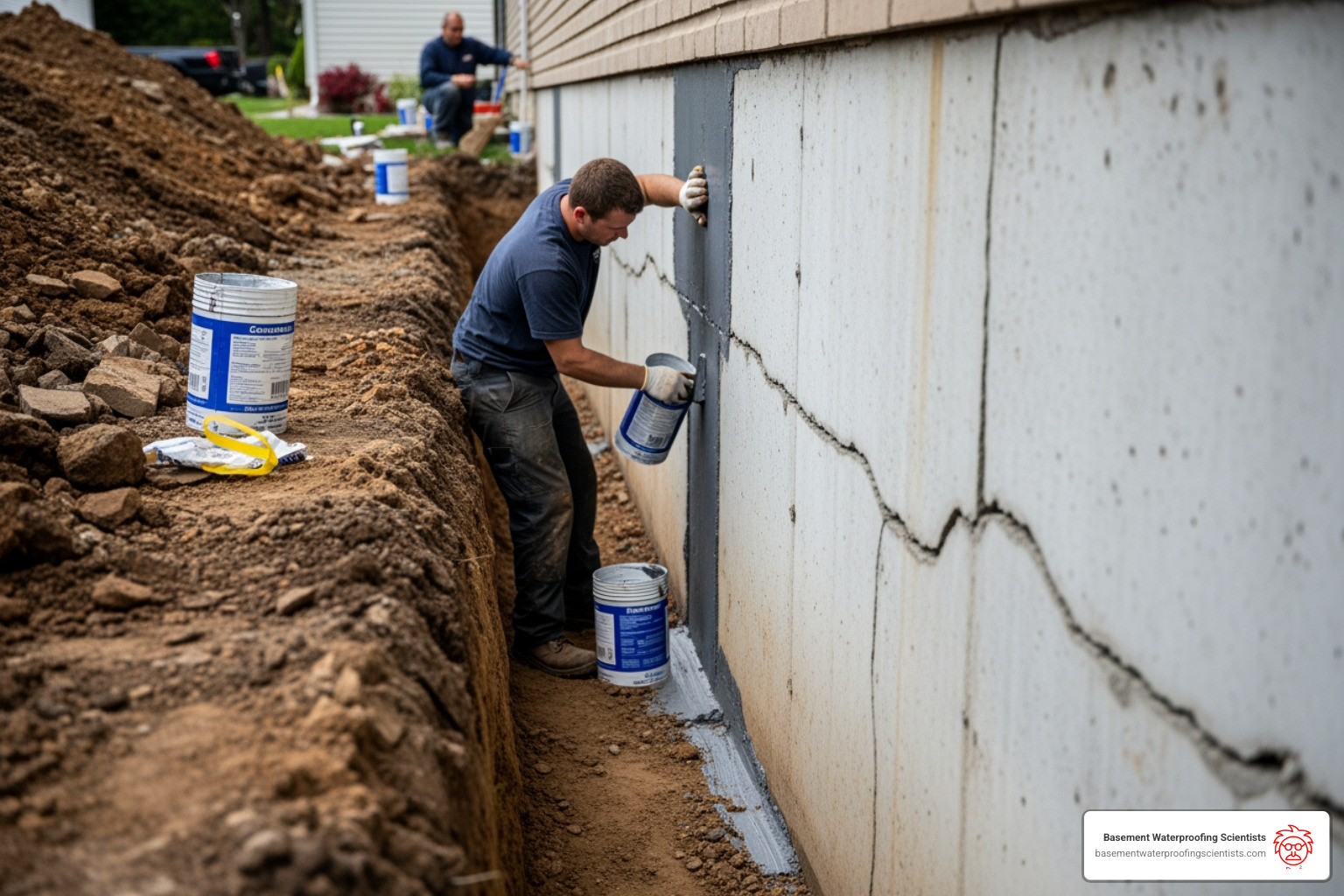
- ** Relying Solely on Cosmetic Patching:** Applying hydraulic cement or waterproof paint over a structural crack from the interior fails to address exterior hydrostatic pressure or soil movement.
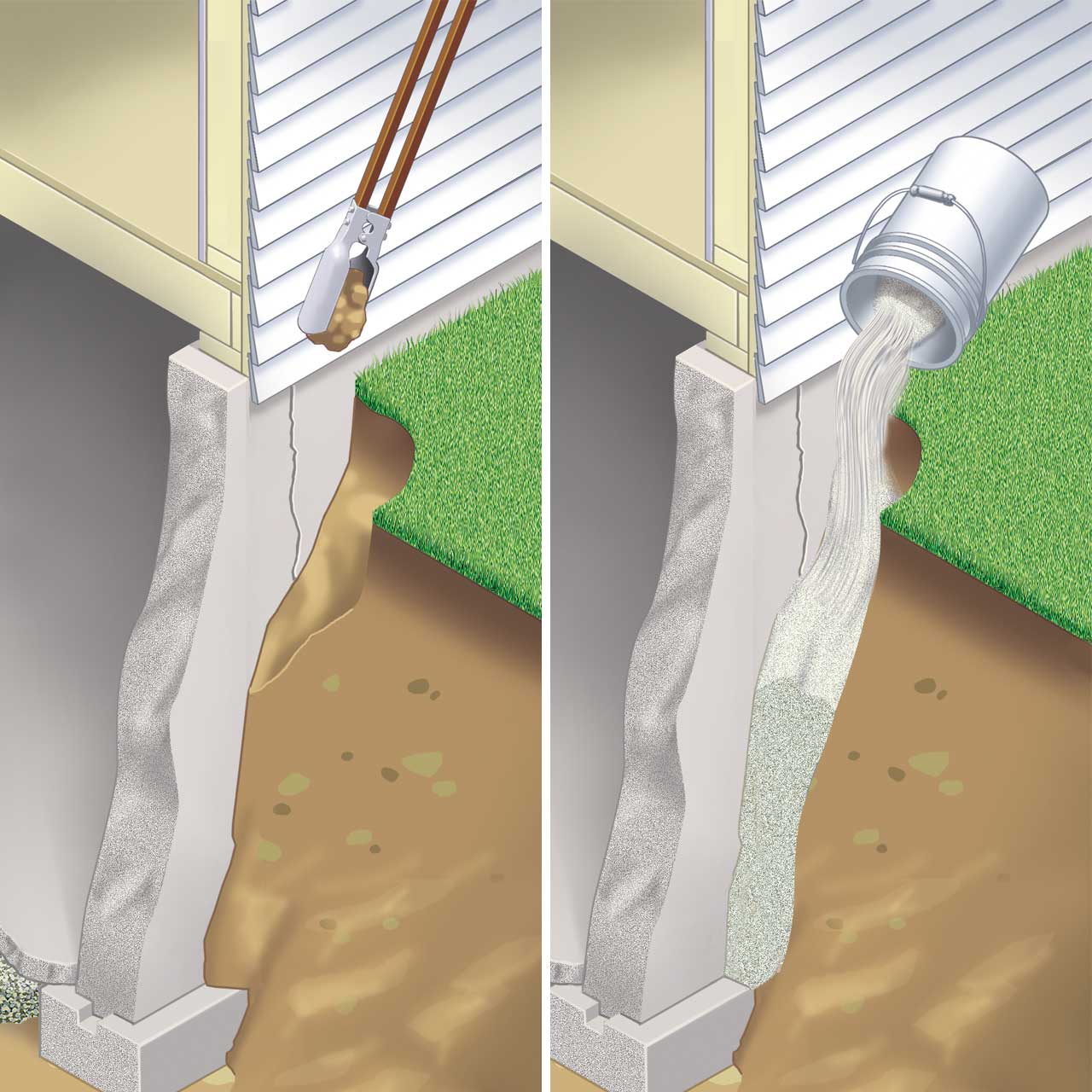
- Failing to Check Drainage: Many foundation issues stem from poor exterior drainage, such as clogged gutters, improper downspout discharge, or negative grading. Addressing water management is essential to prevent repaired cracks from reopening.
- Skipping Reference Checks: Hiring the first contractor who knocks on the door after a heavy storm without verifying licensing, local track record, and verified customer references invites poor workmanship.
Frequently Asked Questions
How do I know if a foundation crack is structural or non-structural?
Non-structural cracks are typically vertical or diagonal hair-line fractures caused by concrete shrinkage or minor settling, and they do not threaten the home's load-bearing capacity. Structural cracks are wider than one-quarter inch, run horizontally across the wall, or follow a stair-step pattern along mortar joints, indicating that exterior pressures are overcoming the wall's strength.
Does homeowners insurance cover foundation crack repair in Lombard?
Standard homeowners insurance policies in Illinois generally exclude coverage for foundation damage caused by settling, earth movement, expansive soils, or normal wear and tear. Insurance may only cover foundation repairs if the damage results directly from a covered peril, such as a sudden plumbing leak or a specific vehicle impact.
Can I repair foundation cracks myself from the inside?
DIY kits involving epoxy or hydraulic cement can successfully stop minor water leaks in non-structural hairline cracks. However, attempting to repair structural cracks, bowed walls, or settling foundations without professional engineering expertise and specialized equipment risks further structural degradation and property damage.
How long do professional foundation repairs take to complete?
Most interior crack injection projects take a single day to complete. More extensive structural stabilization methods, such as installing carbon fiber straps, steel I-beams, or exterior underpinning piers, typically require two to five days depending on weather conditions, excavation requirements, and municipal inspection schedules.
What causes basement water leaks even after cracks are repaired?
Water can still enter a basement through cove joints where the wall meets the floor, through porous concrete block walls, or via poor exterior grading that pools water against the foundation. A comprehensive waterproofing solution often requires combining crack repairs with exterior drainage improvements, grading corrections, and interior French drain systems.
Conclusion and Next Actions
Selecting the right foundation crack repair in Lombard requires careful assessment of crack types, local soil conditions, contractor credentials, and municipal permit requirements. Homeowners should begin by documenting all visible cracks, evaluating exterior water drainage patterns, and scheduling professional evaluations with licensed structural contractors. By prioritizing engineered solutions and thorough vetting over quick cosmetic fixes, property owners can secure their foundation and protect their investment for decades to come.
Image Gallery