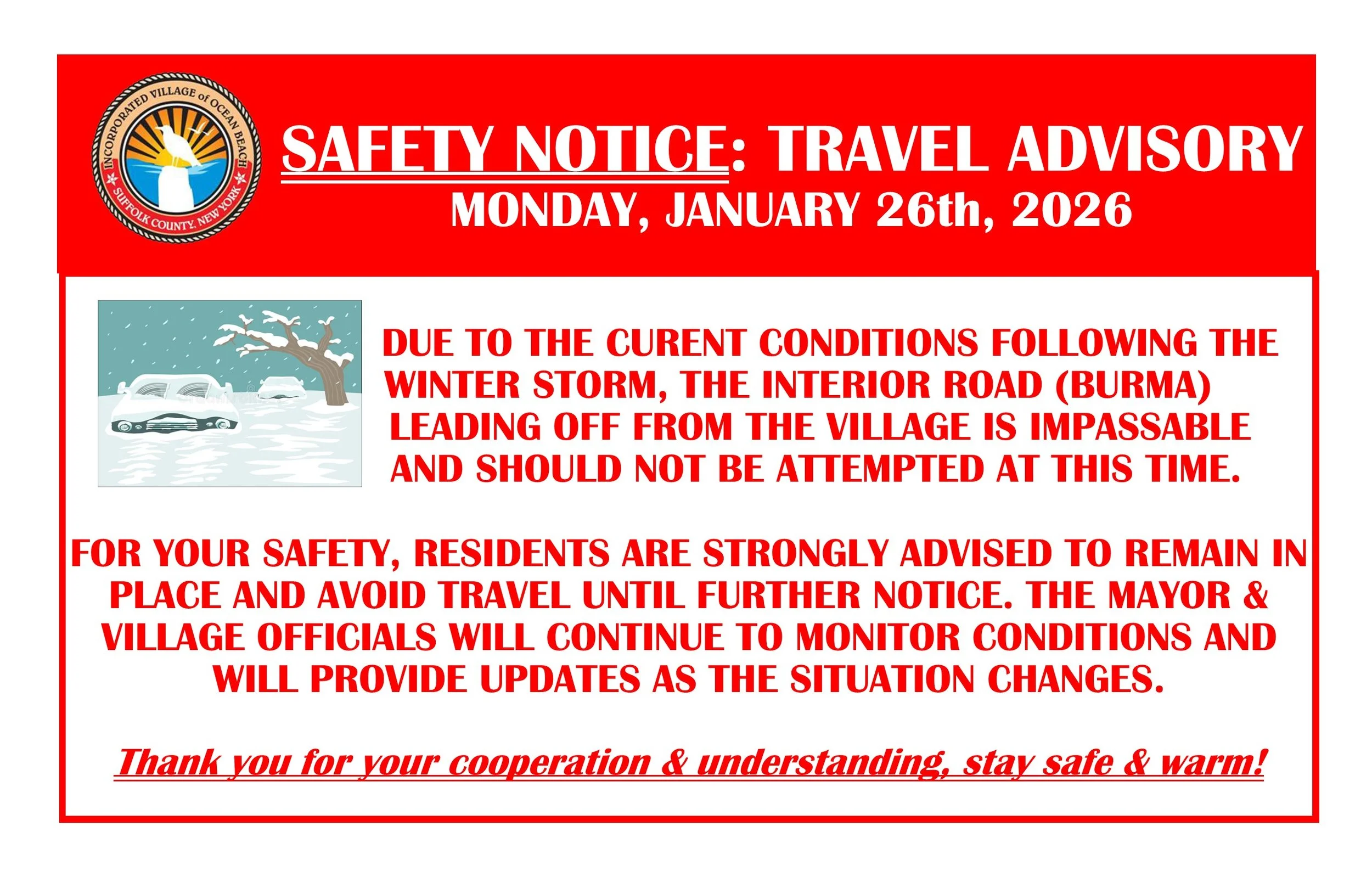
Understanding Advisory Notices: Definitions, Compliance, and Best Practices
Advisory notices are formal communications issued by regulatory bodies, manufacturers, or professional organizations to warn stakeholders about potential risks, regulatory changes, or required procedural adjustments. These documents se...
Advisory notices are formal communications issued by regulatory bodies, manufacturers, or professional organizations to warn stakeholders about potential risks, regulatory changes, or required procedural adjustments. These documents serve as a critical mechanism for risk mitigation, ensuring that businesses, consumers, and operators maintain compliance and safety standards within their respective environments.
Contents
The term "advisory notice" encompasses a broad range of communications, from technical product safety bulletins to regulatory guidance from government agencies. While the specific intent of such a notice depends on the issuing entity, the primary purpose remains consistent: to provide authoritative, actionable information that addresses a vulnerability or a shift in operational requirements. Because these notices often carry legal or financial implications, understanding how to identify, verify, and implement their requirements is essential for maintaining organizational integrity.
Identifying the Purpose of Advisory Notices
Advisory notices are rarely unsolicited. They are typically triggered by a specific event, such as a product defect report, a change in international trade law, or the discovery of a security vulnerability in software systems. Unlike a mandate or a direct legal order, an advisory notice is often consultative, though in many industries, ignoring a well-documented advisory notice can result in severe liability during an audit or a catastrophic failure.
Types of Advisory Notices
To categorize these notices effectively, one must look at the source and the target audience:
- Regulatory Advisory Notices: Issued by government bodies (such as the SEC, EPA, or FAA) to clarify how new regulations should be interpreted. These are essential for legal compliance departments.
- Product Safety Notices: Issued by manufacturers to inform users of a flaw or a specific operating condition that could cause damage or injury. These often precede or accompany a formal recall.
- Cybersecurity Advisories: Issued by organizations like CISA (Cybersecurity and Infrastructure Security Agency) to alert entities to active threats, malicious code, or necessary software patches.
- Professional Standards Advisories: Issued by industry boards to update practitioners on ethical guidelines or changes in standard operating procedures.
Verification: Ensuring the Authenticity of an Advisory
In an era where phishing attacks and disinformation campaigns are prevalent, verifying the authenticity of an advisory notice is a mandatory first step. An illegitimate "advisory" can be a vector for credential harvesting or malware deployment.
Steps for Authentication
- Direct Channel Validation: Never rely on the link or contact information provided within a suspicious email or text. Instead, navigate to the official website of the issuing organization through your browser’s bookmark or a known, secure search engine.
- Cross-Reference: Legitimate regulatory bodies and large-scale manufacturers almost always host a "Newsroom" or "Alerts" section on their primary domain. If the notice is not listed there, exercise extreme caution.
- Check Metadata: Look for an issuance date, a version number, and a clear statement of authority. Official documents from government or industrial bodies usually adhere to specific formatting standards, including high-resolution institutional logos and verifiable contact points.
- Confirm Scope: An official advisory should clearly state who it affects. If an advisory claims to apply to your organization but is vague about the specific product version or regulatory subsection involved, verify the claim through a legal or technical advisor.
Operational Implementation of Advisory Notices
Once an advisory notice is verified as legitimate, it must be integrated into your organization's workflow. This is often where firms fail, as the information may be trapped in an executive's inbox without reaching the technical or operational staff tasked with implementation.
Structured Response Workflow
An effective response to an advisory notice should follow a standardized life cycle:
- Assessment: Determine if your operations, products, or personnel fall under the scope of the notice. Document the finding regardless of whether the notice applies.
- Gap Analysis: If the notice identifies a non-compliant state, identify the gap between current operations and the recommended requirements.
- Prioritization: Rank the notice based on urgency. A cybersecurity advisory regarding an active exploit requires immediate patching, whereas a change in document retention guidelines might be scheduled for the next fiscal quarter.
- Action Plan: Assign specific tasks to the relevant departments. Use project management software to track completion and ensure that evidence of compliance is collected.
- Audit Trail: Retain the original notice and all records of your corrective actions. This documentation is your primary defense in the event of an inspection or legal dispute.
| Feature | Regulatory Advisory | Product Safety Notice | Security Advisory |
|---|---|---|---|
| Issuer | Government Agency | Manufacturer/Brand | Security Lab/Vendor |
| Primary Goal | Legal Compliance | Injury/Loss Prevention | Data/System Protection |
| Urgency | Low to Moderate | High | Immediate |
| Action Taken | Policy adjustment | Repair or Replacement | Software Patching |
Common Challenges and Pitfalls
One of the most significant challenges in handling advisory notices is "alert fatigue." When organizations are bombarded with frequent communications, there is a tendency to treat every notice as low priority. This is dangerous because an advisory is often the final warning before a firm becomes liable for an incident.
Common Mistakes
- Ignoring the Fine Print: Many advisories contain "grace periods" or "compliance thresholds." Ignoring these details can lead to premature or unnecessary expenditure, or conversely, missing a crucial deadline.
- Lack of Centralized Tracking: Distributing advisories via email to various teams often results in lost information. Use a centralized repository or a Document Management System (DMS) to ensure that all relevant parties have access to the same current information.
- Failure to Re-verify: If a product is updated or a regulation is amended, check the status of previous advisories. Often, a new notice will supersede or cancel an older one, rendering previous mitigation efforts obsolete.
Frequently Asked Questions
Are advisory notices legally binding? Advisory notices are typically not laws themselves, but they are authoritative interpretations or safety guidelines. However, in court or regulatory audits, failure to act on a known advisory can be cited as negligence or a violation of "due care" standards.
What should I do if I receive a conflicting advisory? If two sources provide conflicting information, always prioritize the direct regulator or the primary manufacturer. When in doubt, contact the entity’s official support line or legal office and request clarification in writing.
How long should I keep records of addressed advisory notices? The retention period depends on your industry's legal requirements. Generally, maintain these records for at least the statute of limitations period for liability in your jurisdiction, or until the hardware/software associated with the advisory is decommissioned.
Can advisory notices be used for marketing purposes? No. Using advisory notices—particularly safety or security alerts—to imply that a company is "more compliant" than competitors is generally considered unethical and can violate advertising standards.
What is the difference between an advisory notice and a recall? An advisory notice is a warning or guidance document. A recall is a mandatory or voluntary action to withdraw a product from the market or correct a defect. A recall is often the result of an escalation following an ignored or ineffective advisory notice.
Recommended Next Steps
To manage advisory notices effectively in 2026, establish a formal "Advisory Management Protocol." Begin by auditing your subscription sources—ensure you are signed up for official alerts from the regulatory agencies and vendors that impact your core business. Assign a dedicated "Compliance Lead" who is responsible for triaging incoming notices and assigning them to the relevant department heads. Finally, review your organization’s document retention policy to ensure that all actions taken in response to these notices are archived and easily retrievable for future audits.
Image Gallery