What Is the Current Value of Red Bull in 2026? Enterprise Valuation and Brand Worth Explained
In 2026, the estimated enterprise value of Red Bull GmbH stands between $25 billion and $35 billion, with independent brand valuation agencies valuing the standalone Red Bull brand at approximately $18 billion to $20 billion. Because R...
In 2026, the estimated enterprise value of Red Bull GmbH stands between $25 billion and $35 billion, with independent brand valuation agencies valuing the standalone Red Bull brand at approximately $18 billion to $20 billion. Because Red Bull remains a privately held company based in Fuschl am See, Austria, it does not trade on public stock exchanges, meaning its precise value is derived from annual revenue multiples, peer comparisons, and asset portfolio evaluations.
Contents
Disclaimer: This article provides corporate financial analysis and market research for educational purposes and does not constitute financial, investment, or valuation advice.
Understanding Red Bull’s Private Valuation: Market Cap vs. Enterprise Value
Determining the exact valuation of a publicly traded company is straightforward: multiplying its share price by total outstanding shares yields its market capitalization. However, Red Bull GmbH has deliberately avoided public stock listings since its founding in 1984 by Dietrich Mateschitz and Chaleo Yoovidhya. Assessing the current value of Red Bull requires private equity analysis, focusing on Enterprise Value (EV) and Brand Equity.
Enterprise Value measures the total intrinsic worth of a business, factoring in market capitalization, short- and long-term debt, and liquid cash reserves. Financial analysts calculate Red Bull’s EV by examining its annual top-line revenue—which reached over €10.5 billion to €11 billion in recent financial reporting—and applying earnings multiples established by publicly traded peers in the functional beverage sector, such as Monster Beverage Corporation (NASDAQ: MNST) and Celsius Holdings (NASDAQ: CELH).
Financial Multiples Applied to Red Bull
Publicly traded beverage brands typically trade at enterprise-value-to-revenue (EV/Revenue) multiples between 2.5x and 4.5x, depending on gross margins, global distribution scale, and brand strength. Monster Beverage Corporation, for instance, frequently trades at 5x to 7x revenue due to its high profit margins and distribution alignment with The Coca-Cola Company. Applying a standard 2.5x to 3.5x EV/Revenue multiple to Red Bull’s annual revenues yields a corporate baseline valuation of $25 billion to $35 billion.
Key Drivers of Red Bull's Corporate Value
Red Bull’s modern corporate valuation is not built solely on beverage sales. The company operates a heavily integrated hybrid business model that combines high-margin fast-moving consumer goods (FMCG) with a multi-billion-dollar sports media and entertainment conglomerate.
- RED BULL ENTERPRISE VALUE ($25B - $35B Est.)
- Energy Beverage Core
- 12B+ Cans Sold
- Global Distribution
- Premium Pricing Model
- Sports Franchises
- Red Bull Racing (F1)
- Global Football Clubs
- Extreme Sports Assets
- Media & Entertainment
- Red Bull Media House
- Event Sponsorships
- Content Licensing
- Energy Beverage Core
1. Core Beverage Operations
The primary engine of Red Bull's enterprise value is its functional energy drink segment. Red Bull sells more than 12 billion cans annually across 175 countries. The company relies on a high-margin business model:
- Outsourced Manufacturing: Red Bull contracts the vast majority of its canning and production to third-party partners like Rauch Fruchtsäfte in Austria and Switzerland, keeping capital expenditure (CapEx) low.
- Premium Pricing Strategy: Red Bull maintains premium retail pricing relative to traditional soft drinks, generating substantial gross margins estimated between 60% and 70%.
- Global Penetration: While mature markets in North America and Western Europe provide consistent cash flow, rapid expansion in Latin America, Southeast Asia, and India drives top-line revenue growth.
2. Sports Franchises and Athletic Assets
Red Bull owns and operates premier sports assets that generate independent revenue and elevate overall company valuation:
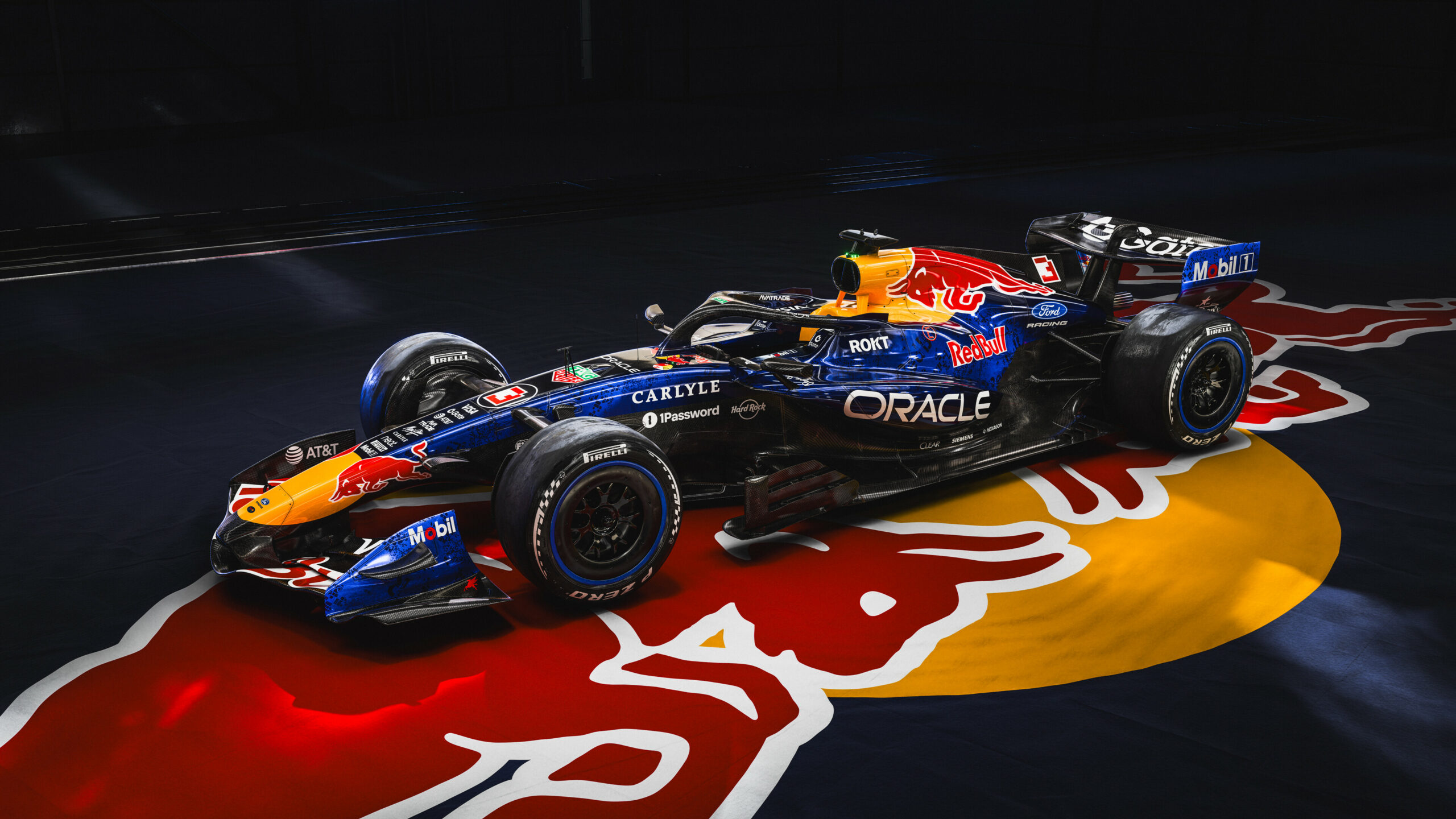
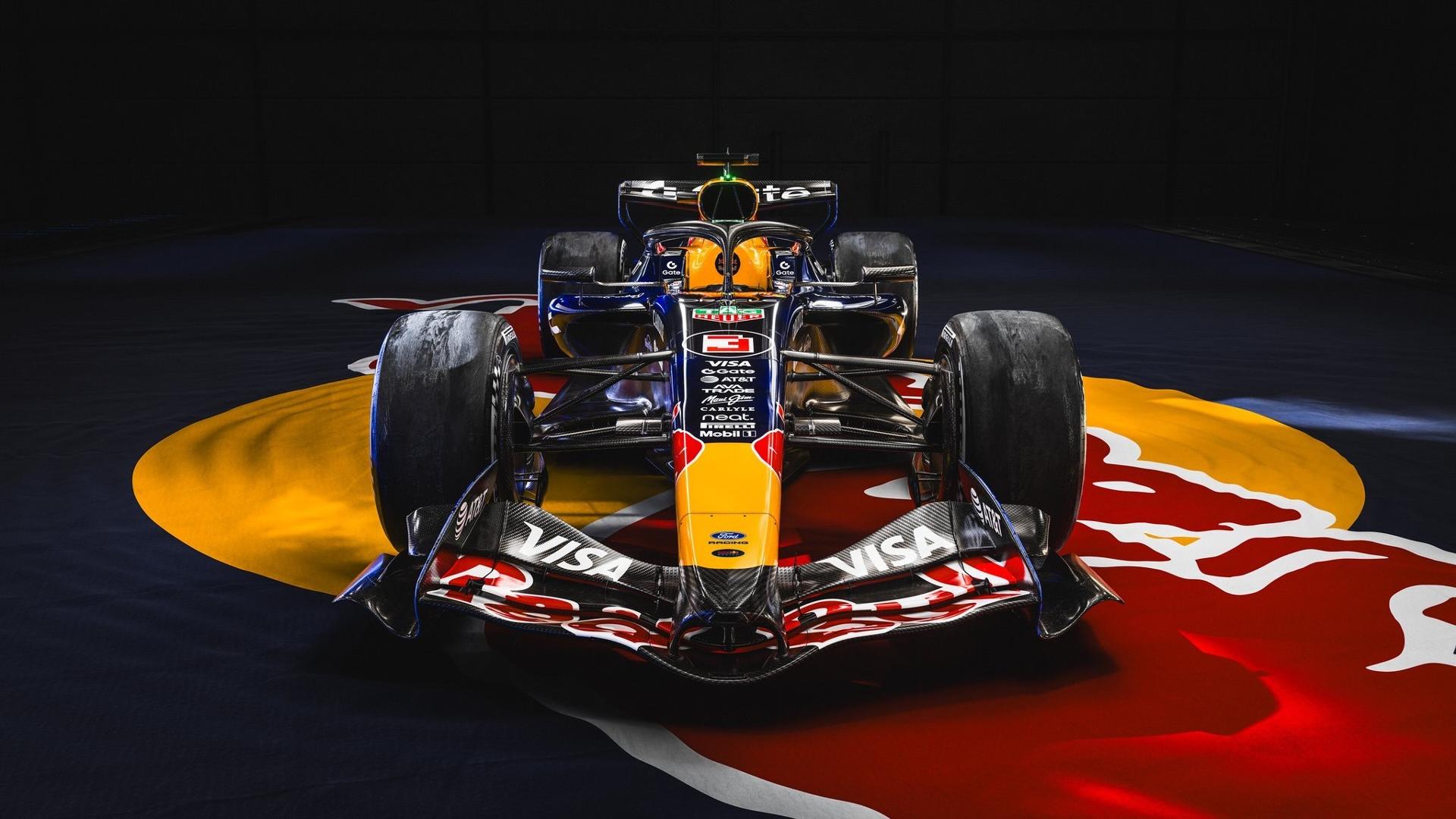
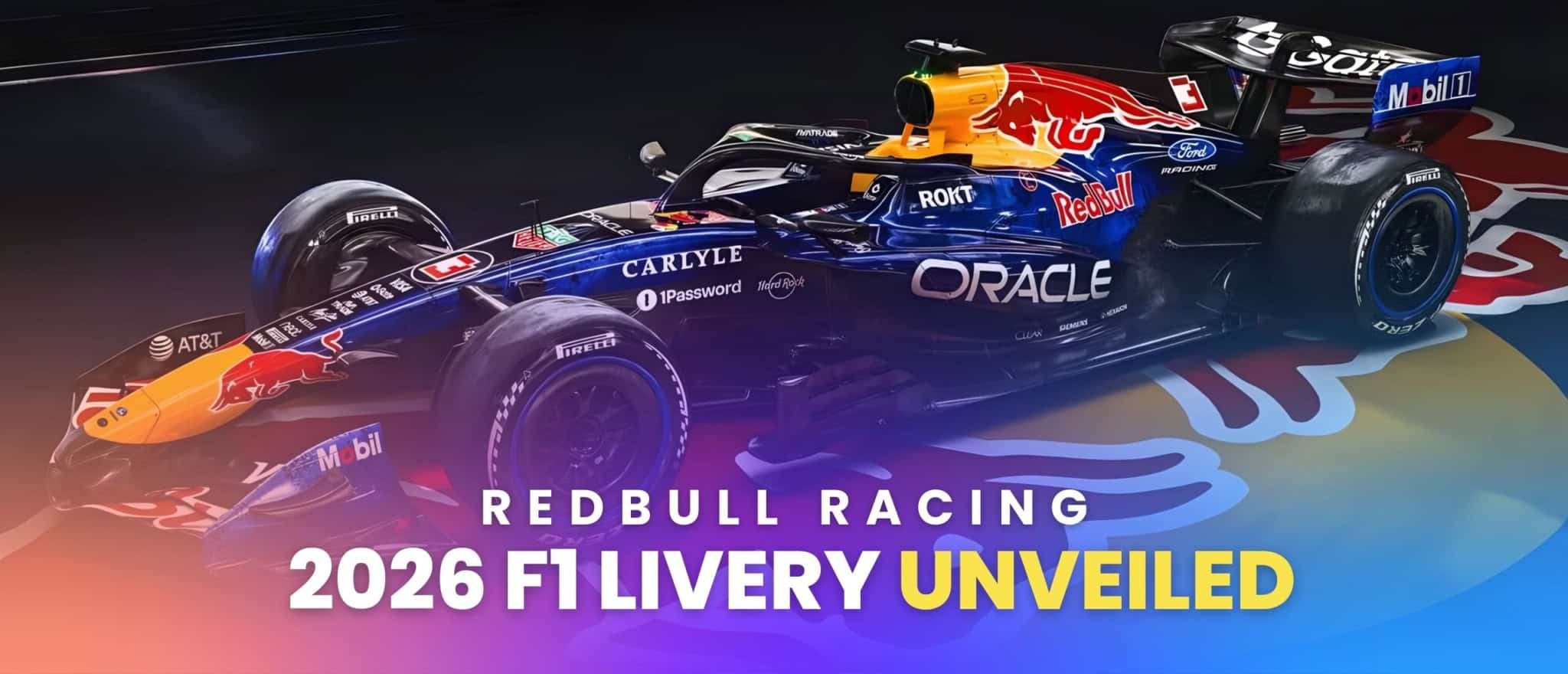
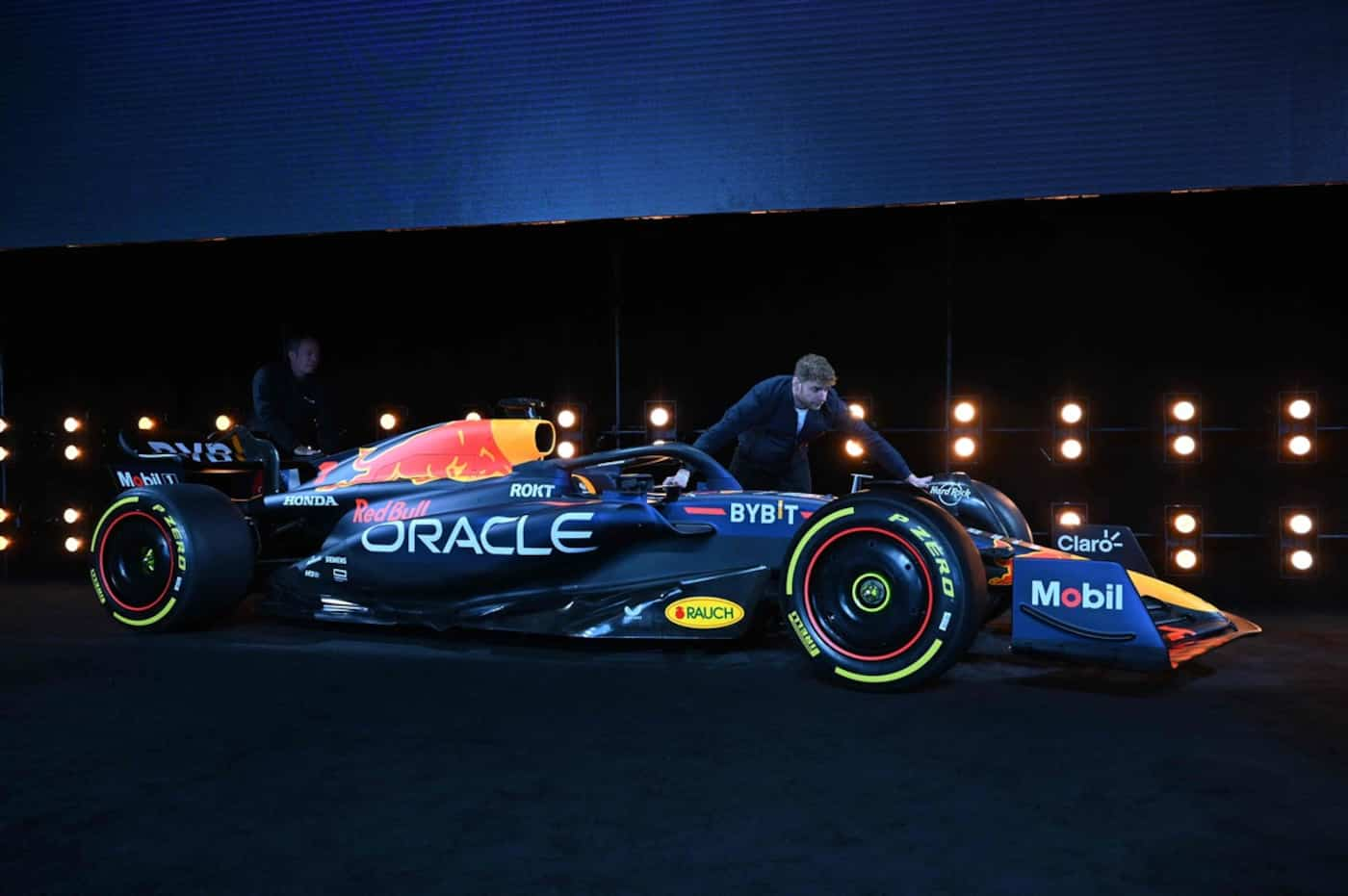
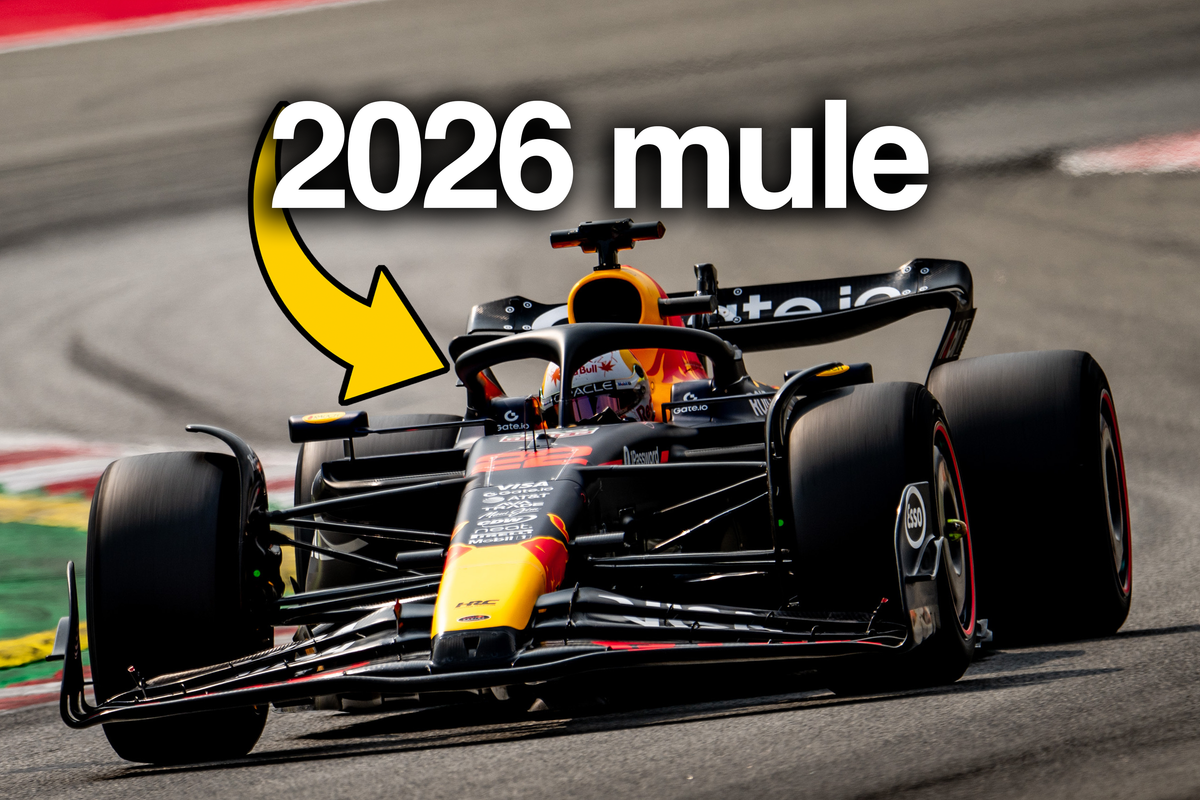
- Formula 1 Teams: Red Bull Racing and its sister team, Visa Cash App RB, represent significant standalone value. With F1 team valuations surging under the FIA cost cap and Liberty Media's global expansion, Red Bull Racing alone is estimated to be worth between $2.5 billion and $3.0 billion.
- Global Football Network: Red Bull’s multi-club soccer network includes RB Leipzig (Germany), Red Bull Salzburg (Austria), New York Red Bulls (USA), and Red Bull Bragantino (Brazil). Combined, these football properties represent over $1.5 billion in enterprise value, driven by player development, transfer fee revenue, and media rights.
- Extreme Sports & Action Sports Portfolio: Red Bull sponsors hundreds of high-profile athletes worldwide and owns rights to major extreme sports events, providing proprietary distribution rights and eliminating traditional third-party advertising overhead.
3. Red Bull Media House
Operating as a standalone subsidiary, Red Bull Media House produces original long-form documentaries, extreme sports broadcasting, print magazines, and digital content. Rather than spending budget purely on traditional advertising agencies, Red Bull reinvests approximately 25% to 30% of its total revenue back into marketing and content creation, turning marketing expenses into long-term media assets.
Ownership Structure and Equity Stake Distribution
Understanding who owns Red Bull is critical to evaluating how company profits are held and distributed. Red Bull GmbH remains controlled by two main entity groups:
- RED BULL GMBH OWNERSHIP
- Yoovidhya Family (Thailand)
- 51% Controlling Interest
- 49% via TC Agro Holding
- 2% via Chalerm Yoovidhya
- Mark Mateschitz (Austria)
- 49% Equity Stake
- Inherited via Distribution from Dietrich Mateschitz
- Yoovidhya Family (Thailand)
- The Yoovidhya Family (51% total):
- TC Agro Holding Company Ltd.: Holds a 49% stake.
- Chalerm Yoovidhya: Holds a personal 2% stake, giving the Thai family overall majority voting control.
- Mark Mateschitz (49%):
- The sole heir of co-founder Dietrich Mateschitz, who passed away in October 2022. Mark Mateschitz inherited the 49% Austrian stake, placing his personal net worth in excess of $35 billion to $40 billion, making him one of the wealthiest young billionaires in Europe.
Because the company distributes substantial annual dividends to its shareholding families—often exceeding €500 million to €1 billion annually in combined cash payouts—the liquidity generated for its owners remains extraordinarily strong without needing a public market flotation.
Financial Comparison: Red Bull vs. Public Competitors
To contextualize Red Bull’s enterprise value, it is helpful to benchmark the company against publicly traded beverage and energy drink leaders.
| Metric / Attribute | Red Bull GmbH (Est. 2026) | Monster Beverage Corp (MNST) | Celsius Holdings (CELH) |
|---|---|---|---|
| Corporate Status | Private (Austrian GmbH) | Public (NASDAQ) | Public (NASDAQ) |
| Estimated Enterprise Value | $25B – $35B | $50B – $58B | $10B – $15B |
| Annual Global Revenue | ~$11B – $12B (€10.5B+) | ~$7.5B – $8.5B | ~$1.5B – $2.2B |
| Primary Markets | Global (175+ countries) | Global (via Coca-Cola system) | North America, Selective Global |
| Valuation Multiple (EV/Rev) | ~2.5x – 3.2x | ~6.5x – 7.5x | ~5.5x – 7.0x |
| Key Flagship Assets | Energy Drinks, F1 Teams, Soccer Clubs | Monster Energy, Reign, Bang | Celsius Energy Drinks |
| Primary Marketing Engine | Direct Sports/Media Ownership | Concerts, Action Sports Sponsorships | Fitness, Lifestyle, Digital Influencers |
Data compiled from enterprise financial disclosures, SEC filings of peer corporations, and independent business intelligence reporting.
Strategic Advantages of Remaining a Private Company
Red Bull’s decision to remain private significantly impacts its enterprise valuation trajectory:
- Long-Term Capital Allocation: Red Bull is not subjected to public market pressures, quarterly earnings calls, or Wall Street analyst targets. This allows executive management to invest heavily in multi-year projects like constructing Formula 1 engine facilities (Red Bull Powertrains) or acquiring soccer clubs without fearing short-term stock price drops.
- Dividend Yield and Cash Reinvestment: Without public shareholders demanding share buybacks or stock split maneuvers, net cash flow is split cleanly between strategic marketing reinvestment and direct owner distributions.
- Confidentiality of Financial Margins: As a private Austrian limited liability company (Gesellschaft mit beschränkter Haftung), Red Bull publishes required statutory balance sheet data in Austria but keeps regional profit margins, strategic deal structures, and operational contracts private from market competitors.
Potential Risks and Valuation Sensitivity
While Red Bull maintains a strong market position in the functional beverage category, several long-term factors could influence its enterprise value moving forward:
- Category Saturation and Rivalry: The energy drink market faces intense competition from high-growth competitors like Celsius, localized digital-first brands, and established soft drink giants like PepsiCo and Coca-Cola expanding their functional beverage lines.
- Regulatory & Health Scrutiny: Increased regulatory pushback regarding caffeinated beverages, potential youth consumption restrictions, or sugar taxes across the European Union and North America present operational cost risks.
- Sports Franchise Performance: A substantial portion of Red Bull's non-beverage enterprise value hinges on Formula 1 regulatory cycles and soccer club performance. Major shifts in F1 engine regulations or sporting declines can directly impact franchise asset valuations.
Frequently Asked Questions
Is Red Bull publicly traded on any stock exchange?
No, Red Bull GmbH is a privately held company. It has no public ticker symbol, and its stock cannot be purchased on retail stock brokerages or financial exchanges.
How much is the Red Bull brand name worth on its own?
Independent brand equity valuation firms, including Interbrand and Brand Finance, estimate the standalone Red Bull brand value at $18 billion to $20 billion. This figure measures consumer brand equity, trademark power, and global recognition separately from hard corporate assets.
How much is Red Bull Racing worth as an F1 team?
As of 2026, Red Bull Racing is valued at approximately $2.5 billion to $3.0 billion. The introduction of the Formula 1 financial cost cap, paired with soaring global viewership in North America and Asia, has rapidly elevated team valuations across the grid.
Who owns the majority of Red Bull?
The Yoovidhya family of Thailand holds a combined 51% controlling majority stake (49% through TC Agro Holding Company Ltd. and 2% held personally by Chalerm Yoovidhya). Mark Mateschitz owns the remaining 49% stake.
Will Red Bull ever launch an Initial Public Offering (IPO)?
There are no current plans or official indications that Red Bull GmbH will pursue an IPO. The company generates more than enough internal organic cash flow to finance its global expansion, sports acquisitions, and marketing operations without taking on public equity capital.
Summary and Key Takeaways
Red Bull’s current value in 2026 reflects its evolution from a single Thai energy drink recipe into a global beverage, media, and sports titan. With an enterprise value of $25 billion to $35 billion, annual revenues topping €11 billion, and an independent brand equity valuation approaching $20 billion, Red Bull remains one of the most commercially successful privately owned consumer goods corporations in modern business history.
Investors seeking exposure to Red Bull cannot buy direct equity due to its private ownership structure. However, tracking peer metrics—such as Monster Beverage Corporation (NASDAQ: MNST) and Celsius Holdings (NASDAQ: CELH)—provides clear public market benchmarks for the overall energy drink and functional beverage industry.
Image Gallery