Is UPMC a Good Hospital? Clinical Quality, Rankings, and Patient Care Evaluation
The University of Pittsburgh Medical Center (UPMC) is widely recognized as one of the premier health systems in the United States. Its flagship academic facilities, including UPMC Presbyterian Shadyside and UPMC Children’s Hospital of...
The University of Pittsburgh Medical Center (UPMC) is widely recognized as one of the premier health systems in the United States. Its flagship academic facilities, including UPMC Presbyterian Shadyside and UPMC Children’s Hospital of Pittsburgh, consistently earn top placement on national honor rolls for clinical quality, advanced research, surgical innovation, and pediatric care.
Contents
Disclaimer: This article provides information for educational and research purposes only. Individual medical decisions should always be made in consultation with qualified healthcare professionals and insurance plan representatives.
Evaluating UPMC: National Rankings and Quality Accreditations
Determining whether a health system is "good" requires looking beyond branding to independent clinical evaluations, safety scores, and accreditation standards. Across major national evaluation frameworks, UPMC’s core academic campuses regularly achieve exceptional ratings.
U.S. News & World Report Recognition
For decades, UPMC Presbyterian Shadyside has maintained a place among the top-ranked hospitals nationwide in the U.S. News & World Report Best Hospitals rankings. The facility frequently secures national placement in high-acuity adult specialties, including:
- Gastroenterology & GI Surgery
- Pulmonology & Lung Surgery
- Geriatrics
- Neurology & Neurosurgery
- Otorhinolaryngology (ENT)
- Urology
Simultaneously, UPMC Children’s Hospital of Pittsburgh is consistently ranked on the U.S. News Best Children’s Hospitals Honor Roll, recognized among the top pediatric medical centers across North America for pediatric cardiology, gastroenterology, diabetes and endocrinology, and neonatal care.
CMS Star Ratings and Leapfrog Safety Grades
The Centers for Medicare & Medicaid Services (CMS) evaluates hospitals on a 1-to-5-star scale based on mortality, safety of care, readmissions, patient experience, and timely/effective care. UPMC’s academic campuses generally maintain high CMS star ratings, though scores vary across its broader network of over 40 regional and community facilities.
Similarly, The Leapfrog Group evaluates general acute-care hospitals on preventable medical errors, accidents, injuries, and infections. UPMC’s primary academic and tertiary hospitals—such as UPMC Passavant, UPMC St. Margaret, and UPMC Shadyside—frequently achieve "A" or "B" Hospital Safety Grades. However, regional community hospitals within the expansive system exhibit varying safety grades, reflecting differences in staffing density, patient volume, and facility infrastructure.
Magnet Designation for Nursing Excellence
Several UPMC hospitals have earned Magnet® recognition from the American Nurses Credentialing Center (ANCC). Magnet status is achieved by less than 10% of hospitals nationwide and serves as a major benchmark for high-quality nursing care, positive patient outcomes, and clinical safety. Facilities such as UPMC Passavant, UPMC St. Margaret, UPMC Magee-Womens Hospital, and UPMC Children's Hospital of Pittsburgh hold this distinction.
Core Clinical Specialties and Centers of Excellence
UPMC operates several specialized institutes that draw patients nationally and internationally for complex medical conditions and advanced surgical procedures.
- UPMC Health System Network
- Academic & Tertiary Care (Presbyterian, Shadyside, Magee)
- Organ Transplantation
- Comprehensive Oncology
- Advanced Neurosurgery
- High-Risk Pediatrics
- Regional Community Hospitals (Passavant, Hamot, Horizon, etc.)
- General Medical/Surgical
- Emergency Services
- Routine Diagnostics
- Local Rehabilitation
- Academic & Tertiary Care (Presbyterian, Shadyside, Magee)
UPMC Hillman Cancer Center
As the flagship cancer network of the system, UPMC Hillman Cancer Center is an NCI-Designated Comprehensive Cancer Center—one of an elite group recognized by the National Cancer Institute for clinical excellence and groundbreaking research. Hillman integrates immunotherapy, precision radiation oncology, advanced surgical techniques, and early-phase clinical trials across more than 70 community-based cancer care locations in Western Pennsylvania, Ohio, and New York.
Thomas E. Starzl Transplantation Institute
Named after Dr. Thomas E. Starzl, known as the father of modern transplantation, the UPMC Thomas E. Starzl Transplantation Institute is a global pioneer in organ replacement therapy. UPMC has performed tens of thousands of liver, kidney, pancreas, heart, and lung transplants. The institute is particularly recognized for living-donor liver transplantation and managing high-risk, complex transplant cases that other institutions decline.
UPMC Children’s Hospital of Pittsburgh
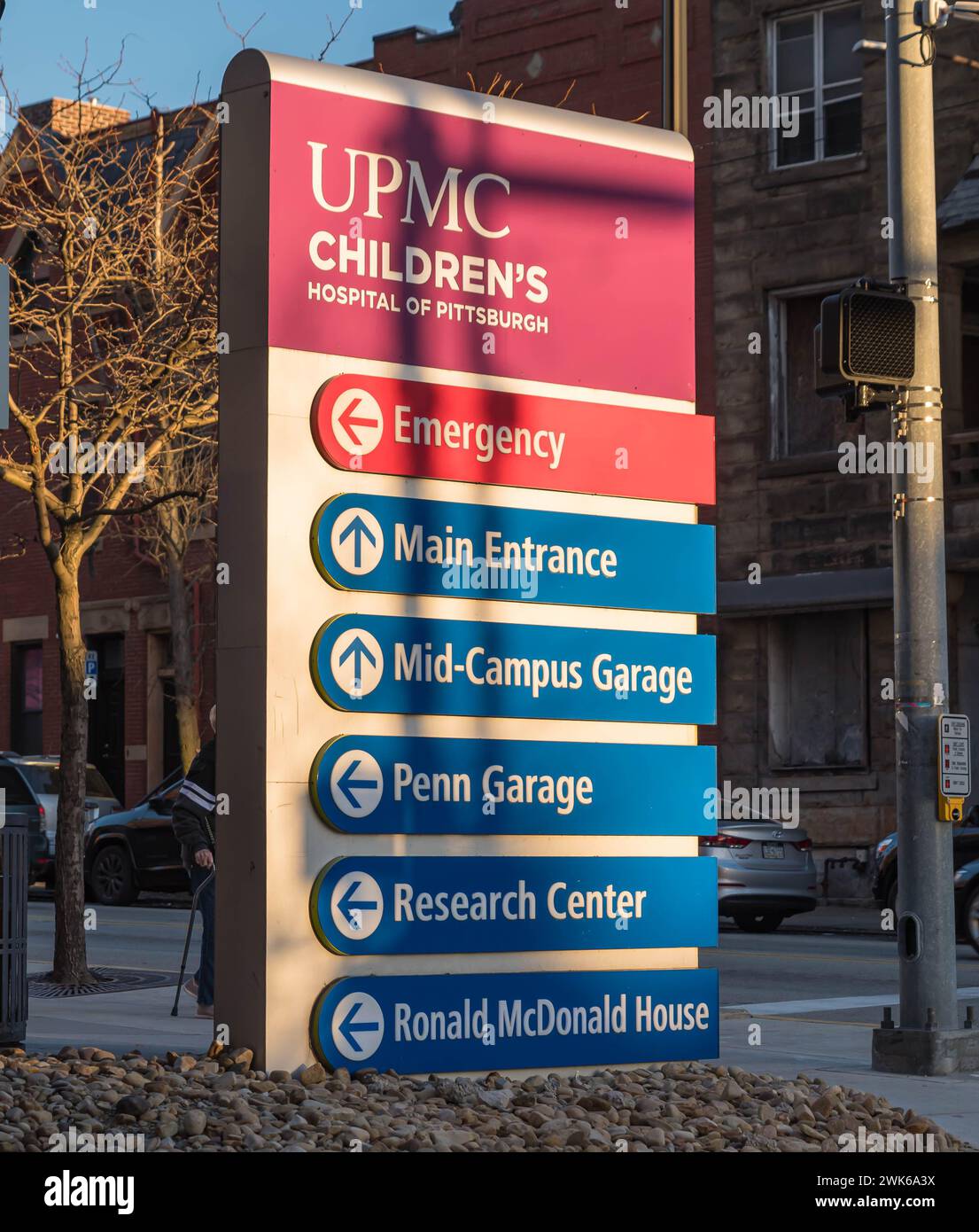
UPMC Children’s Hospital is a 315-bed facility located in the Lawrenceville neighborhood of Pittsburgh. It serves as a major referral hub for pediatric organ transplantation, pediatric neurosurgery, rare genetic disorders, and pediatric emergency medicine. The hospital features dedicated pediatric intensive care units (PICU) and neonatal intensive care units (NICU) capable of providing advanced ECMO (extracorporeal membrane oxygenation) support.
UPMC Magee-Womens Hospital
Specializing in women’s health, UPMC Magee-Womens Hospital delivers nearly 10,000 babies annually and serves as a regional leader in obstetrics, gynecology, gynecologic oncology, and reproductive endocrinology. The hospital houses a Level IV NICU, equipping it to handle the most severe neonatal complications and high-risk pregnancies.
Academic Medicine and Research Infrastructure
A primary factor contributing to UPMC’s strong clinical reputation is its tight integration with the University of Pittsburgh School of Medicine. The medical school consistently ranks among the top recipients of research funding from the National Institutes of Health (NIH).
This academic alliance delivers direct patient benefits:
- Access to Clinical Trials: Patients with treatment-resistant conditions often gain access to novel therapeutics, biologics, and medical devices years before widespread commercial availability.
- Subspecialist Physician Talent: Academic medical centers attract subspecialists who focus exclusively on rare, complex diseases rather than general internal medicine.
- Translational Medicine: Breakthroughs developed in Pitt research laboratories—such as immunotherapies, brain-computer interfaces, and genomic diagnostics—are rapidly translated into bedside treatment protocols.
Comparing Quality Across UPMC Facilities
While UPMC’s major academic centers rank among the best in the nation, quality and capabilities vary across its network of community hospitals. The table below outlines key UPMC facilities, their focus areas, and clinical distinctions.
| Hospital Name | Facility Type | Primary Clinical Strengths | Key Quality & Accreditation Metrics |
|---|---|---|---|
| UPMC Presbyterian Shadyside | Academic Medical Center / Quaternary | Organ Transplantation, Neurosurgery, Oncology, Cardiology | U.S. News Honor Roll status; Top-tier specialty rankings |
| UPMC Children’s Hospital of Pittsburgh | Specialized Pediatric Hospital | Pediatric Surgery, Liver/Kidney Transplant, Neonatology | U.S. News Pediatric Honor Roll; Magnet® Nursing status |
| UPMC Magee-Womens Hospital | Specialty Acute Care | Obstetrics, Gynecologic Oncology, Reproductive Medicine | Level IV NICU; Magnet® Nursing status; High-risk delivery center |
| UPMC Hillman Cancer Center | Comprehensive Cancer Center | Medical & Surgical Oncology, Immunotherapy, Clinical Trials | NCI-Designated Comprehensive Cancer Center status |
| UPMC Passavant (Cranberry/McCandless) | Regional Tertiary Center | Spine Care, Cardiology, Advanced Emergency Medicine | Magnet® Nursing status; Consistently high Leapfrog Safety Grades |
| UPMC Hamot (Erie, PA) | Regional Trauma Center | Level II Trauma, Stroke Care, Cardiovascular Surgery | Regional referral center for Northwestern Pennsylvania |
| UPMC Horizon / Jameson | Community Hospitals | General Surgery, Emergency Services, Local Diagnostics | Serves rural/suburban populations; Focus on community access |
Patient Considerations and Potential Drawbacks
Despite UPMC’s high clinical marks, prospective patients should weigh several practical considerations when selecting care within the system.
Insurance Network Compatibility
Historically, regional competition between UPMC and other regional healthcare entities (such as Highmark Health / Allegheny Health Network) created network restrictions for patients. While broad access agreements exist, patients must verify that their specific health insurance plan—whether commercial, Medicare Advantage, or Medicaid—covers UPMC facilities and physicians at an in-network tier. Receiving care out-of-network can lead to substantial out-of-pocket expenses.
Navigating a Multi-Hospital System
Because UPMC is an integrated healthcare system employing tens of thousands of personnel, patient experience can feel administrative or decentralized.
- Communication: Navigating referrals, scheduling appointments across different subspecialties, and resolving billing across distinct entities requires active patient management.
- Emergency Department Wait Times: High-volume tertiary centers like UPMC Presbyterian emergency departments often experience extended wait times for non-critical triage levels due to incoming trauma and acute transfers.
Facility Level vs. Need Matching
Patients seeking routine preventive care, minor elective procedures, or common diagnostic testing may not need the high-density specialized resources of a quaternary center like UPMC Presbyterian. Choosing a well-rated regional campus—such as UPMC Passavant or UPMC St. Margaret—often yields faster appointment availability and easier logistics while retaining access to the broader UPMC specialist network if complications arise.
How to Choose the Right UPMC Facility
To maximize care quality and streamline the healthcare experience within UPMC, follow these steps:
- Match Care Level to Acuity: For rare diagnoses, complex cancers, or multi-organ failure, seek care at flagship hubs (Presbyterian, Shadyside, Hillman, Children's). For routine surgeries, screening colonoscopies, or uncomplicated emergency care, community campuses are often more convenient.
- Verify Physician Credentials and Hospital Affiliations: Confirm that your treating specialist holds board certification and active hospital privileges at the specific UPMC location where your procedure will occur.
- Check Insurance Coverage Ahead of Time: Review your insurance provider directory or call UPMC Member Services to ensure your plan classifies both the facility and the attending physician as in-network.
- Utilize Patient Portals: Use the MyUPMC portal to consolidate electronic health records, view lab results, track prescriptions, and communicate directly with care teams across different clinics.
Frequently Asked Questions
Is UPMC Presbyterian considered a good hospital for complex surgery?
Yes. UPMC Presbyterian is widely regarded as a leading center for high-acuity surgical procedures, including cardiothoracic surgery, complex neurosurgery, and solid organ transplantation. It acts as the central tertiary/quaternary hub for the health system.
Does UPMC accept non-UPMC insurance plans?
Yes, UPMC facilities accept a broad array of third-party commercial insurance plans, Medicare, and Medicaid. However, network inclusion varies depending on the specific product, geographic region, and employer group plan. Always check coverage directly with your insurer prior to scheduled admissions.
How does UPMC Children’s Hospital rank nationally?
UPMC Children’s Hospital of Pittsburgh is consistently recognized as one of the top pediatric facilities in the country by U.S. News & World Report, earning spots on the Best Children's Hospitals Honor Roll with top-10 rankings in subspecialties like pediatric cardiology and pediatric gastroenterology.
Are UPMC community hospitals as good as the main Pittsburgh campuses?
UPMC community hospitals (such as UPMC Passavant, UPMC St. Margaret, or UPMC Hamot) provide high-quality general medical, surgical, and emergency care, frequently earning solid safety grades. However, they are structured for lower-acuity cases; highly complex, rare, or multi-system medical conditions are typically transferred to main academic campuses in Pittsburgh.
What is the difference between UPMC and Allegheny Health Network (AHN)?
UPMC and AHN are the two major competing health systems operating in Western Pennsylvania. UPMC is associated with the University of Pittsburgh School of Medicine, while AHN is affiliated with Highmark Health and Drexel University College of Medicine. Both provide comprehensive healthcare, but they maintain distinct hospital networks, medical groups, and plan contracts.
Final Recommendation: Is UPMC Right for You?
UPMC is an outstanding healthcare system, particularly for patients requiring advanced subspecialty care, complex surgical intervention, pediatric care, or oncology treatment. Its flagship academic facilities hold some of the highest honors in American medicine, backed by the scientific research engine of the University of Pittsburgh.
For routine medical care or low-acuity conditions, UPMC’s regional and community hospitals offer accessible, high-standard treatment. To ensure a positive experience, patients should confirm in-network insurance status, choose a facility scaled to their specific clinical needs, and leverage digital tools like MyUPMC to manage their care pathway effectively.
Image Gallery