Ocular Side Effects of Ozempic: Understanding the Risks and Protecting Your Vision
Ozempic (semaglutide) is primarily associated with gastrointestinal side effects, but it also carries documented risks to ocular health, specifically the potential for worsening diabetic retinopathy and a rare link to non-arteritic ant...
Ozempic (semaglutide) is primarily associated with gastrointestinal side effects, but it also carries documented risks to ocular health, specifically the potential for worsening diabetic retinopathy and a rare link to non-arteritic anterior ischemic optic neuropathy (NAION). These risks are often manageable through proactive pre-treatment screening and consistent monitoring by an ophthalmologist.
Contents
The Relationship Between GLP-1 Receptor Agonists and the Eye
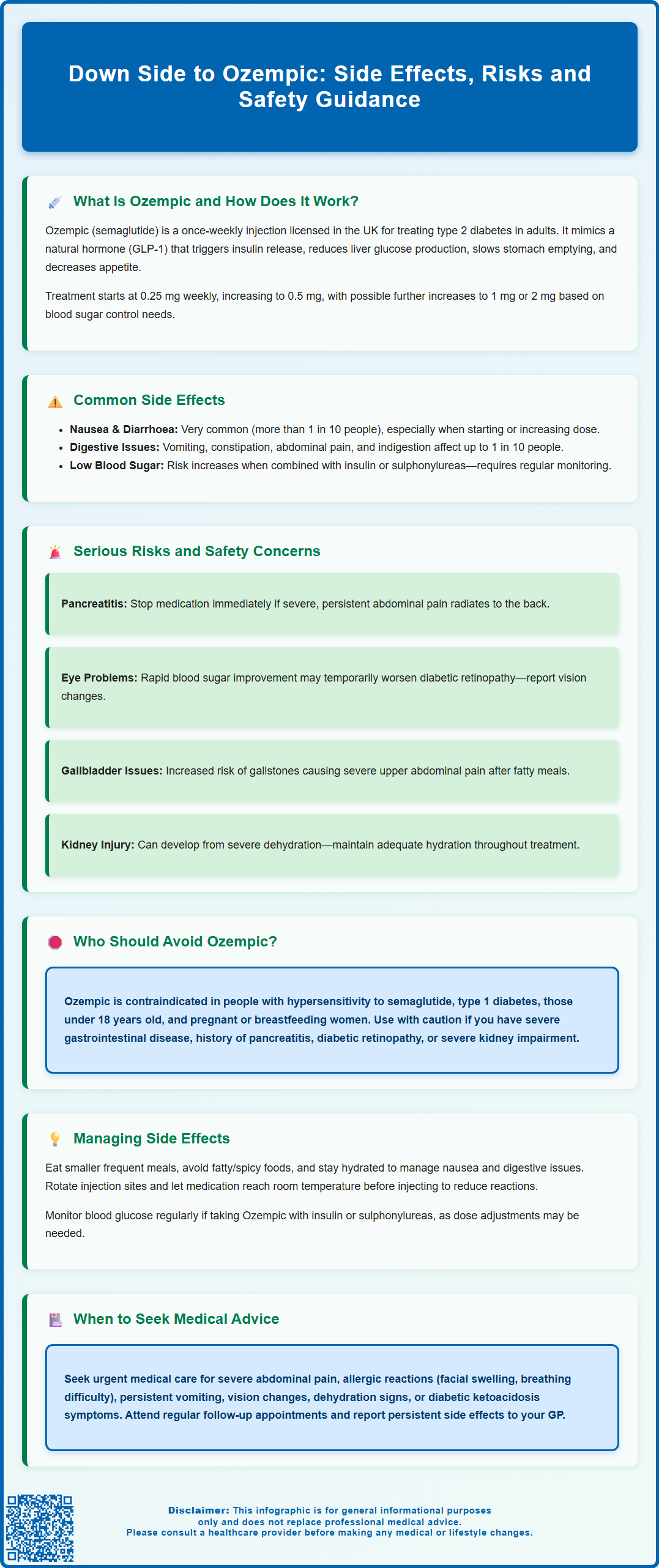
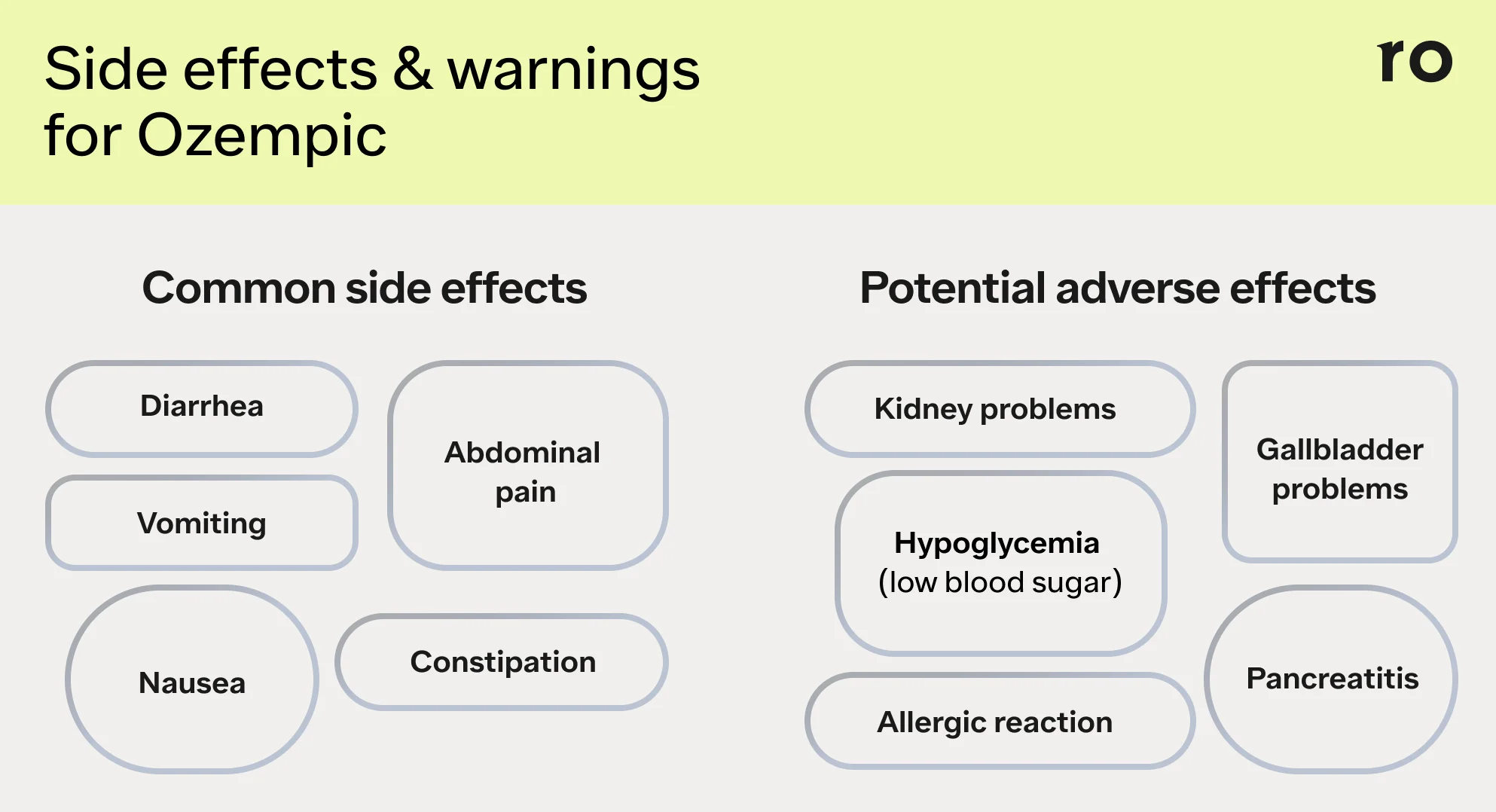
Semaglutide, the active ingredient in Ozempic, belongs to a class of medications known as glucagon-like peptide-1 (GLP-1) receptor agonists. While these drugs have revolutionized the management of Type 2 diabetes and obesity by improving glycemic control and inducing weight loss, their systemic effects can extend to the ocular microenvironment. As of 2026, clinical data suggests that the ocular risks associated with Ozempic are generally divided into two categories: transient refractive changes caused by rapid glucose fluctuations and structural complications related to retinal or optic nerve health.
The primary mechanism of Ozempic involves stimulating insulin secretion, inhibiting glucagon release, and slowing gastric emptying. When blood glucose levels drop significantly and rapidly—a common occurrence when starting Ozempic—the osmotic balance within the eye can shift. The lens and vitreous humor are sensitive to these changes, which can lead to temporary vision disturbances. However, more serious concerns involve the medication's impact on the retinal vasculature and the blood supply to the optic nerve.
Diabetic Retinopathy and the "Early Worsening" Phenomenon
The most well-documented ocular risk associated with Ozempic is the potential for the "early worsening" of diabetic retinopathy (DR). This phenomenon is not unique to semaglutide; it has been observed with other intensive glucose-lowering therapies, including insulin. Diabetic retinopathy occurs when high blood sugar levels damage the blood vessels in the retina, leading to leakage, swelling, and the growth of abnormal new vessels.
In the pivotal SUSTAIN-6 clinical trial, researchers noted a statistically significant increase in diabetic retinopathy complications among participants treated with semaglutide compared to the placebo group. These complications included the need for retinal photocoagulation, vitreous hemorrhage, or the onset of diabetes-related blindness.
Why Rapid Glucose Control Affects the Retina
The pathophysiology behind early worsening is complex. When blood sugar levels are brought under control very quickly, the body may respond by transiently increasing the levels of vascular endothelial growth factor (VEGF) in the retina. VEGF is a signaling protein that promotes the growth of new blood vessels, but in the context of a diabetic eye, these new vessels are fragile and prone to bleeding. Furthermore, the rapid reduction in glucose levels can cause an immediate decrease in retinal blood flow or changes in oxygen delivery to the retinal tissues, which can exacerbate pre-existing damage.
Long-term data suggests that this worsening is often temporary. Once the retinal environment stabilizes at the new, healthier glucose level, the long-term benefits of improved A1c levels generally lead to a reduction in the progression of diabetic retinopathy. However, for patients who already have advanced or proliferative retinopathy, the initial "spike" in complications can be vision-threatening.
Understanding the NAION Risk: Recent Findings
As of mid-2024 and continuing into the 2026 clinical landscape, significant attention has been focused on a potential link between semaglutide and Non-Arteritic Anterior Ischemic Optic Neuropathy (NAION). Often referred to as an "eye stroke," NAION is a condition where the blood supply to the optic nerve is compromised, leading to sudden, painless vision loss in one eye.
A retrospective cohort study published in JAMA Ophthalmology indicated that patients prescribed semaglutide for diabetes or obesity had a higher risk of developing NAION compared to those on non-GLP-1 medications.
- For Diabetes Patients: The study found that those on semaglutide were more than four times as likely to be diagnosed with NAION.
- For Weight Loss Patients: The risk was more than seven times higher compared to those on other weight-loss medications.
It is important to note that NAION remains a relatively rare condition. The absolute risk is still low, but because NAION can cause permanent vision loss and has no definitive cure, the association is a critical consideration for patients with existing optic nerve issues or those who have already experienced NAION in one eye.
Transient Blurred Vision and Refractive Shifts
The most frequent ocular complaint from patients starting Ozempic is blurred vision. Unlike retinopathy or NAION, this is usually a transient side effect that does not indicate permanent damage to the eye's structure.
When glucose levels in the blood drop rapidly, the concentration of sugar in the aqueous humor (the fluid inside the eye) also changes. This creates an osmotic gradient that draws water into or out of the lens, causing it to swell or change shape slightly. Because the lens is responsible for focusing light onto the retina, any change in its shape will result in a refractive error, making vision appear blurry or out of focus.
Most patients find that their vision stabilizes within a few weeks to a couple of months as their body adjusts to the more consistent blood sugar levels. During this period, it is often recommended that patients delay getting a new prescription for eyeglasses or contact lenses, as their refractive needs may shift again once the stabilization is complete.
Comparing Ocular Risks of Ozempic
The following table summarizes the key ocular side effects identified in clinical studies and post-marketing surveillance as of 2026.
| Condition | Nature of Risk | Primary Symptoms | Clinical Frequency | Recommended Action |
|---|---|---|---|---|
| Blurred Vision | Transient / Refractive | Fluctuating clarity, difficulty focusing | Common (Early stages) | Monitor; wait for glucose stabilization before new RX. |
| Diabetic Retinopathy | Vascular Worsening | Floaters, dark spots, blurred areas | Notable in high-risk patients | Baseline eye exam and frequent monitoring. |
| NAION | Ischemic (Eye Stroke) | Sudden, painless vision loss in one eye | Rare | Immediate cessation of drug and urgent ophthalmology consult. |
| Macular Edema | Fluid Accumulation | Distorted central vision, "wavy" lines | Uncommon | Targeted retinal imaging (OCT) and potential injections. |
Risk Factors: Who Should Be Most Cautious?
Not every patient starting Ozempic carries the same level of risk for ocular side effects. Clinical guidelines emphasize that certain pre-existing conditions significantly increase the likelihood of complications.
- Pre-existing Retinopathy: Patients who already have moderate to severe non-proliferative or proliferative diabetic retinopathy are at the highest risk for the "early worsening" effect.
- High Baseline A1c: Individuals starting the medication with very high blood sugar levels (e.g., A1c above 10%) are likely to experience a more dramatic and rapid drop in glucose, which triggers osmotic and vascular shifts.
- History of NAION: Because Ozempic may influence blood flow to the optic nerve, patients who have already lost vision in one eye due to NAION should discuss alternative medications with their healthcare provider.
- Duration of Diabetes: Patients who have lived with Type 2 diabetes for a longer duration often have underlying microvascular damage that may not be symptomatic but can be exacerbated by intensive therapy.
Practical Steps for Vision Protection
To mitigate the risks associated with Ozempic, a collaborative approach between the prescribing physician (endocrinologist or GP) and an eye care specialist is essential.
Pre-Treatment Screening
Before the first dose of Ozempic is administered, patients with Type 2 diabetes should undergo a comprehensive dilated eye exam. This baseline assessment allows the ophthalmologist to document the current state of the retina and optic nerve. If significant retinopathy is discovered, the physician may recommend treating the eyes (e.g., with laser therapy or anti-VEGF injections) before or concurrent with starting the medication.
Ongoing Monitoring
The American Academy of Ophthalmology (AAO) suggests that patients on Ozempic who have known retinopathy should be monitored more frequently during the first 6 to 12 months of treatment. Regular screenings can catch the early signs of worsening before they progress to permanent vision loss.
Symptom Recognition
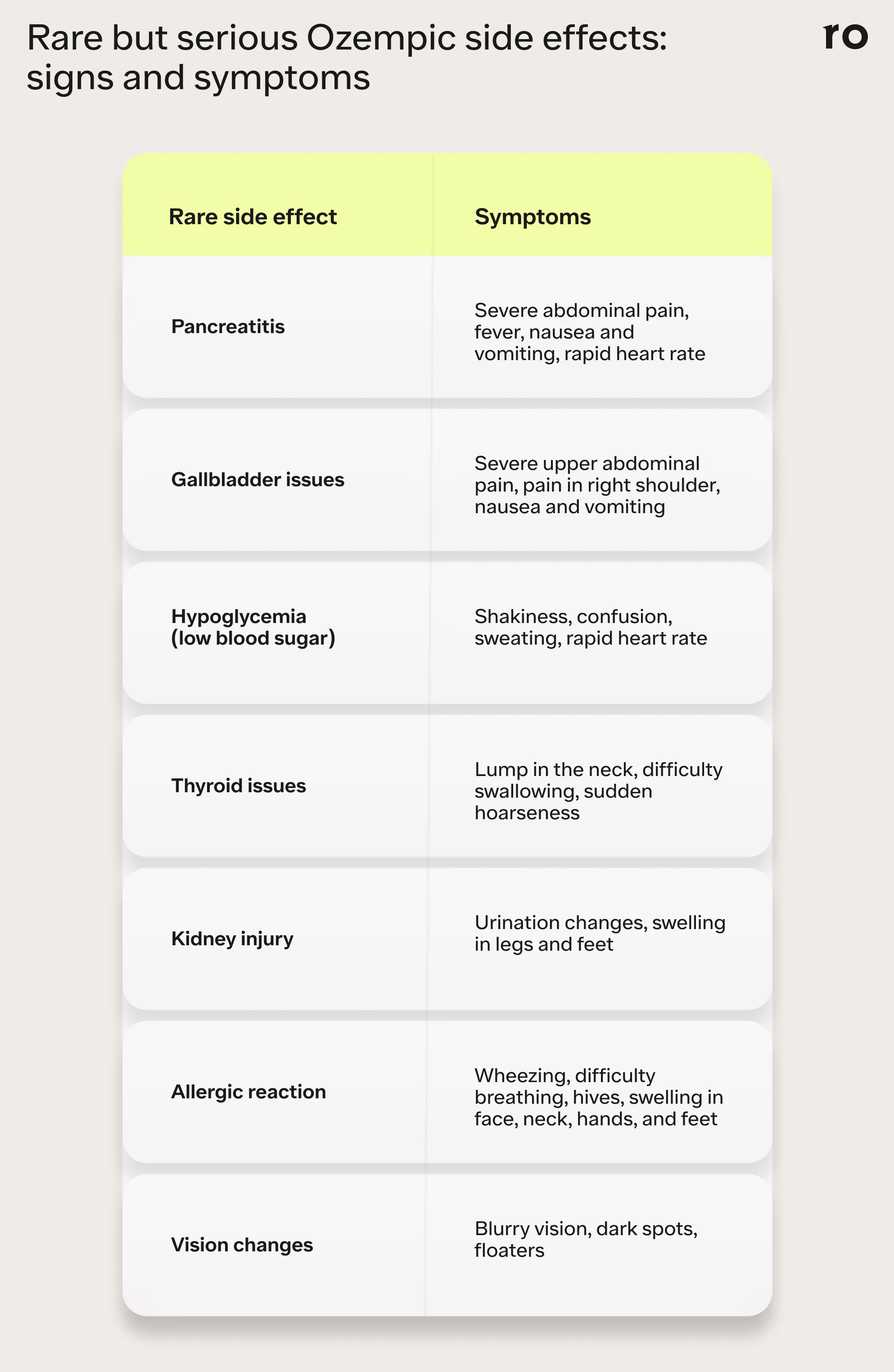
Patients must be educated on the "red flag" symptoms that require immediate medical attention. While mild blurring is common, the following symptoms are not normal:
- A sudden "curtain" or shadow falling over the field of vision.
- The sudden appearance of many new "floaters" or flashes of light.
- Sudden, painless loss of vision in one eye (potential NAION).
- Severe distortion where straight lines appear wavy.
Frequently Asked Questions
Can Ozempic cause permanent blindness?
While Ozempic itself is not toxic to the eye, the rapid changes in blood sugar it induces can cause complications like vitreous hemorrhage or NAION, which may lead to permanent vision loss if not managed. However, with proper ophthalmic monitoring, the risk of total blindness is very low.
Should I stop taking Ozempic if my vision becomes blurry?
You should not stop your medication without consulting your doctor. Mild, fluctuating blurriness is often a temporary side effect of shifting glucose levels. However, you should report any vision changes to your healthcare provider immediately to rule out more serious conditions like retinopathy progression or NAION.
Does Wegovy have the same eye risks as Ozempic?
Yes. Wegovy and Ozempic contain the same active ingredient, semaglutide. While Wegovy is marketed for weight loss and Ozempic for diabetes, the potential impacts on the retina and optic nerve remain relevant for both, especially in patients with underlying vascular issues.
How long do the vision changes from Ozempic usually last?
Transient blurred vision caused by osmotic shifts usually resolves within 4 to 8 weeks as blood sugar levels stabilize. If vision changes persist beyond three months, a comprehensive eye exam is necessary to check for other underlying causes.
Is there a specific test for Ozempic-related eye damage?
There is no single "Ozempic test," but ophthalmologists use Optical Coherence Tomography (OCT) to look for fluid in the retina (macular edema) and dilated fundus exams to check for retinal bleeding or optic nerve swelling.
Final Recommendation
For the vast majority of patients, the systemic benefits of Ozempic—including improved glycemic control and reduced cardiovascular risk—outweigh the potential for ocular side effects. However, vision health cannot be ignored. If you are starting Ozempic in 2026, ensure you have a baseline eye examination and maintain an open line of communication between your endocrinologist and your ophthalmologist. Early detection of retinal changes is the most effective way to prevent permanent vision loss while benefiting from this class of medication.
Image Gallery