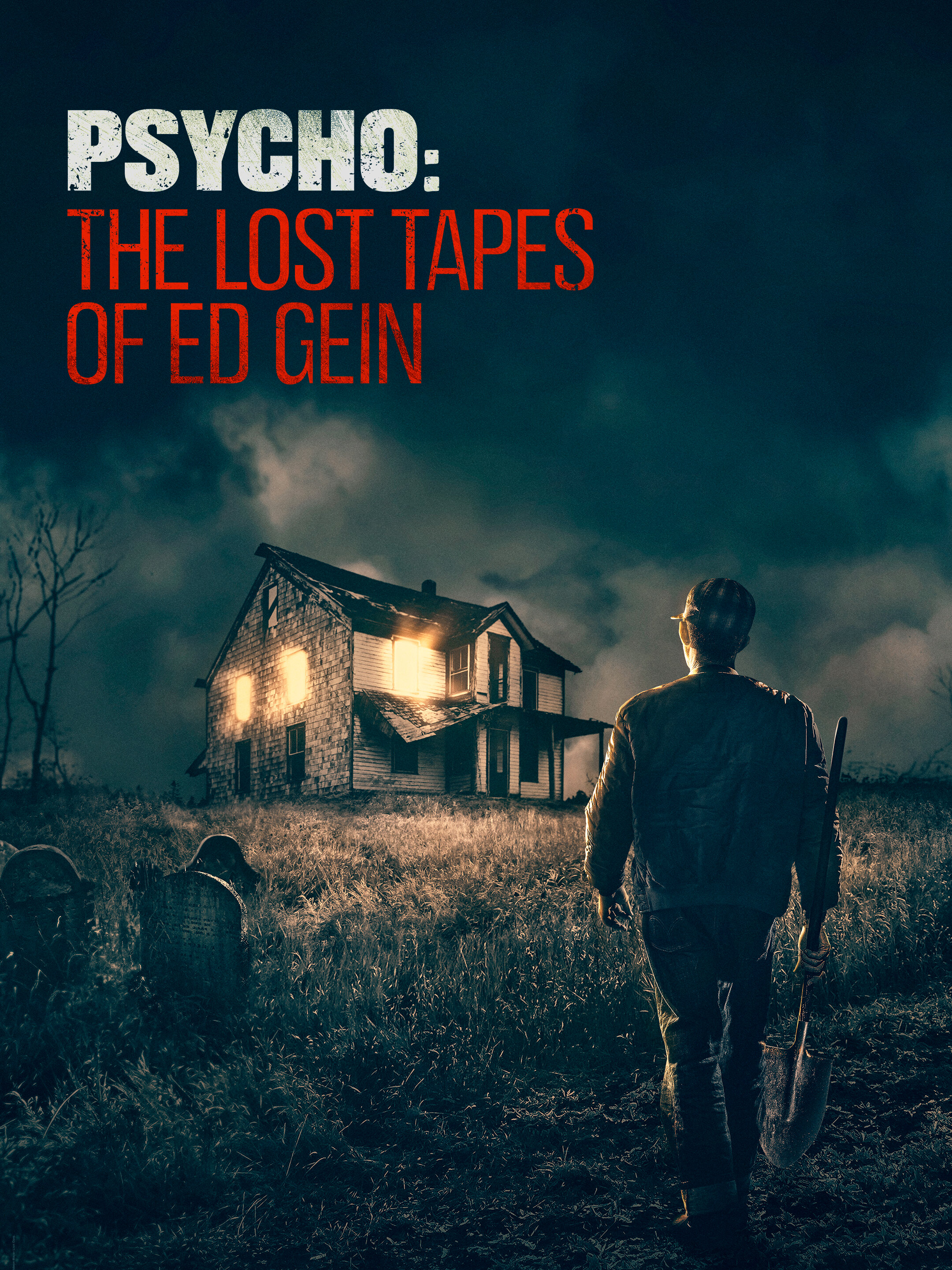
Understanding the Cast and Production of Psycho: The Lost Tapes of Ed Gein
Psycho: The Lost Tapes of Ed Gein is a 2023 documentary series that explores the real-life origins of the fictional horror icon Norman Bates. Unlike traditional narrative dramas featuring actors in roles, this production functions as a...
Psycho: The Lost Tapes of Ed Gein is a 2023 documentary series that explores the real-life origins of the fictional horror icon Norman Bates. Unlike traditional narrative dramas featuring actors in roles, this production functions as an investigative docuseries. It utilizes archival audio recordings, historical photographs, and interviews with contemporary experts and those connected to the case to reconstruct the macabre history of Ed Gein, the Wisconsin man whose crimes shocked the world in 1957.
Contents
Defining the Nature of the Production
When audiences search for the "cast" of Psycho: The Lost Tapes of Ed Gein, they are often looking for the actors portraying Ed Gein or his victims. However, it is essential to clarify that this is a documentary series, not a dramatized feature film or a television adaptation of Robert Bloch’s novel. Because the project focuses on historical documentation and true crime analysis, it does not employ a traditional cast of actors portraying fictionalized versions of the individuals involved.
Instead, the "participants" consist of filmmakers, criminal psychologists, investigative journalists, and historians who provide context for the audio tapes. The "star" of the series is Ed Gein himself, presented through the archival records that form the basis of the narrative. By avoiding reenactments, the production seeks to maintain a journalistic standard, allowing the primary sources—the police tapes and testimonies—to serve as the foundation of the storytelling.
The Role of Archival Audio in the Series
The centerpiece of the documentary is the collection of "lost tapes." These recordings capture interviews conducted with Ed Gein while he was in state custody. For students of criminology and true crime enthusiasts, these tapes are significant because they provide a direct, albeit disturbing, window into the psyche of a man whose actions became a cultural touchstone.
The production team, led by director James Buddy Day, integrated these tapes to provide a chillingly authentic narrative. Unlike films like Alfred Hitchcock’s Psycho (1960) or The Texas Chain Saw Massacre (1974), which took inspiration from Gein’s life to build fictional narratives, this series anchors itself in the historical reality of the Plainfield, Wisconsin, case. The inclusion of these tapes allows the audience to hear the cadence and tone of Gein's voice, which often contrasts sharply with the monstrous nature of the crimes he confessed to.
Key Perspectives and Expert Contributors
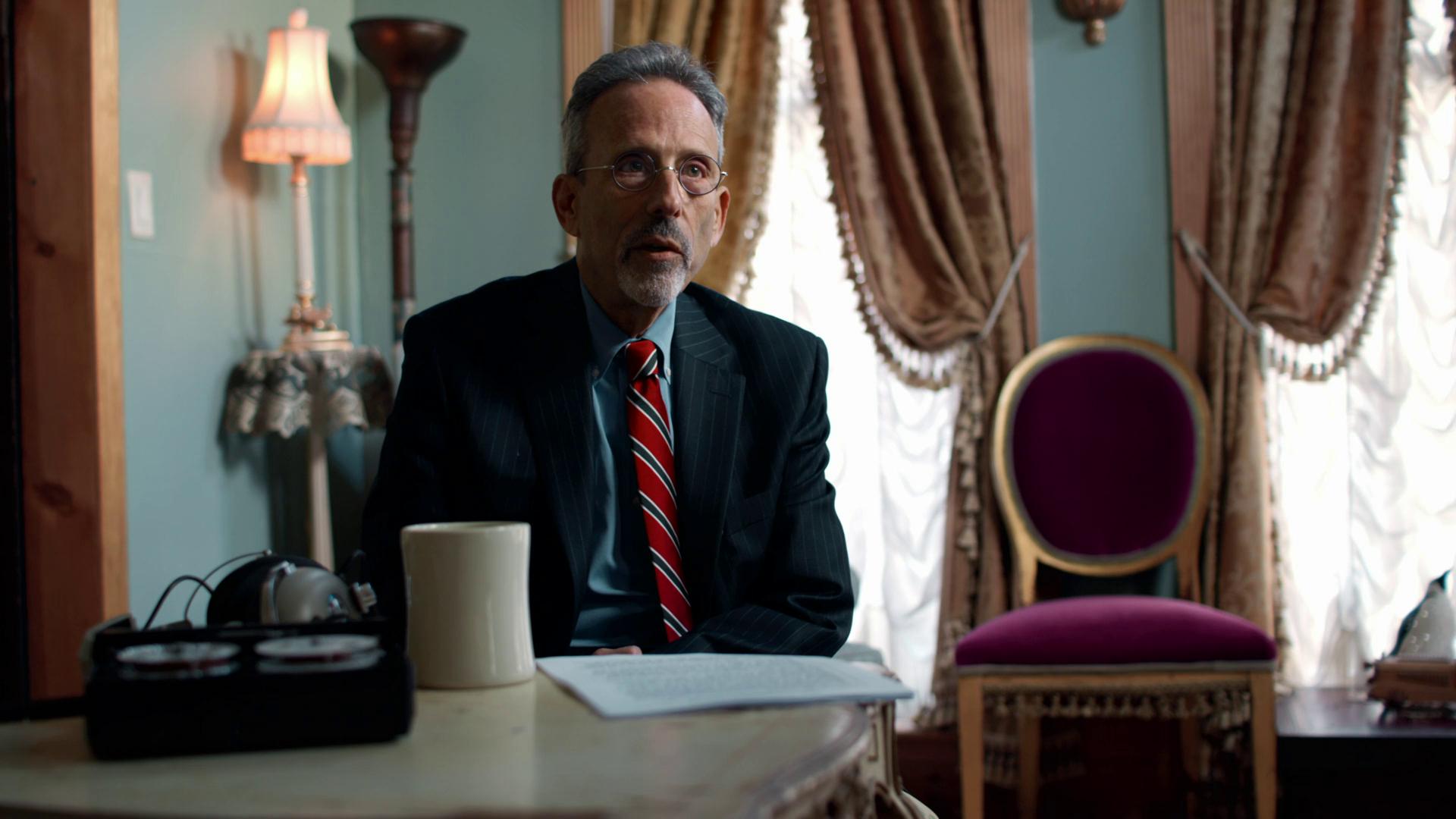
While there is no scripted cast, the series features several experts who guide the viewer through the complexities of the investigation and the resulting legal proceedings. These contributors serve as the bridge between the historical events of the late 1950s and the audience in 2026.
Primary Contributors and Their Roles
- Investigative Journalists: These professionals analyze the media frenzy that followed the discovery of Gein's crimes. They explain how the press of the era, particularly in Wisconsin, shaped the public’s perception of "The Plainfield Ghoul."
- Criminal Psychologists: These individuals examine the behavior of Ed Gein, discussing the influence of his upbringing, his relationship with his mother, and the psychological mechanisms that led to his detachment from societal norms.
- Historical Researchers: Specialists in Wisconsin history provide the setting for the events. They detail the small-town atmosphere of Plainfield and how the discovery of Gein’s "house of horrors" permanently altered the trajectory of the local community.
Comparison of Interpretations: Fact vs. Fiction
Understanding the difference between the documentary series and the films inspired by Ed Gein is crucial for clarity. The following table highlights the distinction between the docuseries and the fictionalized cinematic adaptations.
| Feature | Psycho: The Lost Tapes of Ed Gein | Fictional Adaptations (e.g., Psycho) |
|---|---|---|
| Format | Investigative Docuseries | Narrative Feature Film |
| Cast | Real-life experts, historians | Professional actors (e.g., Anthony Perkins) |
| Primary Material | Archival tapes, court records | Scripted screenplay |
| Objective | Historical exploration | Entertainment and artistic interpretation |
| Focus | Ed Gein’s biography | Psychological horror/Suspense |
The Influence of Ed Gein on Pop Culture
The series meticulously documents how Ed Gein transitioned from a local news story into a permanent fixture of horror cinema. The "cast" of characters surrounding his legacy includes the filmmakers and authors who used him as an archetype. The documentary explores how the public’s fascination with Gein’s crimes paved the way for the "slasher" genre.
By interviewing those who study the cultural impact of crime, the series explains why the name "Ed Gein" remains synonymous with psychological terror. It examines the boundary between the tragic, disturbing reality of a mentally ill man and the mythological status he acquired in American cinema. This section of the series is particularly valuable for viewers interested in the intersection of criminal history and media studies.
Challenges of Documentary Production
Producing a series based on such dark subject matter requires a delicate balance. The filmmakers faced the challenge of presenting the raw, often graphic nature of the tapes while maintaining a respectful tone toward the victims of Ed Gein.
- Ethical Considerations: Ensuring that the families of victims are handled with dignity.
- Accuracy in Transcription: Verifying that the archival audio is presented without misleading edits.
- Contextualizing Crime: Preventing the glorification of Gein, an issue that often arises in true crime content.
The production team navigated these challenges by relying heavily on the objective testimony of legal experts who were present during the original 1950s trials. This prevents the series from devolving into sensationalism, keeping the focus on the historical reality of the case.
Frequently Asked Questions
Is there a cast of actors in this series? No, there is no cast of actors. The series is a documentary that uses archival audio and interviews with real-world experts rather than dramatized reenactments or actors playing characters.
Are the "lost tapes" of Ed Gein authentic? Yes, the series utilizes historical audio recordings captured during the legal proceedings and investigations following Ed Gein's arrest in 1957. These tapes are widely recognized as primary sources within the context of the case.
Why is Ed Gein connected to the film Psycho? Robert Bloch, who wrote the novel Psycho, was living in Wisconsin at the time of the Gein discovery. He used elements of Gein's life—specifically the isolated home and the intense, complex relationship between the perpetrator and his mother—as inspiration for the character of Norman Bates.
Does this series show graphic imagery of the crimes? The series handles the subject matter with documentary-style seriousness. While it discusses the nature of the crimes, it focuses primarily on the psychological and legal aspects of the investigation rather than visual gratuitousness.
Who directed the series? Psycho: The Lost Tapes of Ed Gein was directed by James Buddy Day, a filmmaker known for his work in the true crime genre, including documentaries on other high-profile American cases.
Recommendation for Further Exploration
If you are interested in the historical context of this series, consider cross-referencing the documentary’s claims with primary court documents from the Waushara County records regarding the 1957 trial. For those studying the evolution of the horror genre, compare the accounts in the documentary with the original 1959 novel Psycho by Robert Bloch to see which elements of Gein’s personality were successfully translated into literature and which were artistic enhancements by the author. By separating the historical man from the cinematic icon, you will gain a much more nuanced understanding of this defining case in American crime history.
Image Gallery