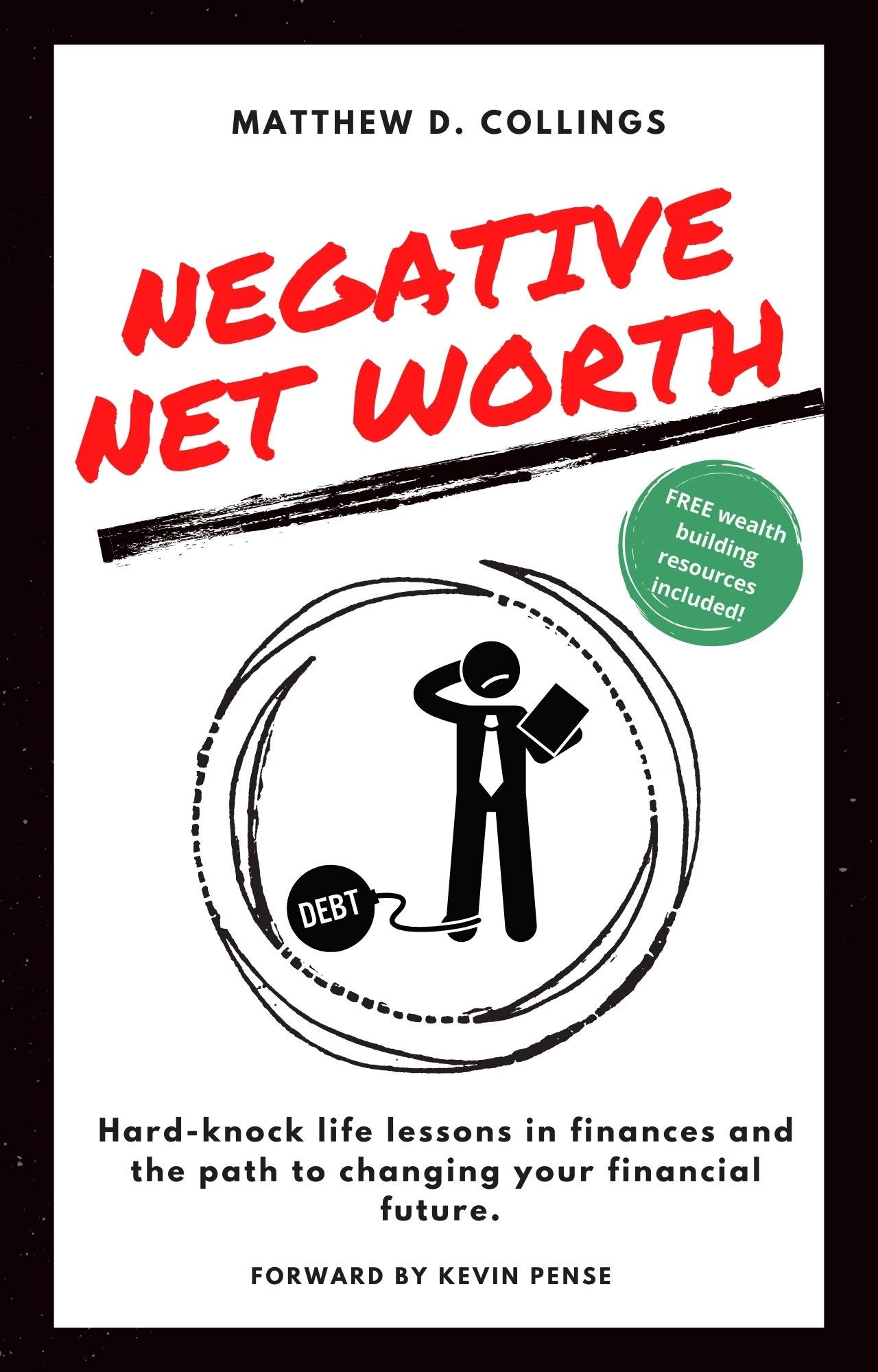
U.S. Negative Net Worth: Scope, Causes, and Economic Realities in 2026
In the United States, negative net worth occurs when an individual's or household's total liabilities—such as student loans, mortgages, and credit card balances—exceed the total fair market value of their assets. As of 2026, approximat...
In the United States, negative net worth occurs when an individual's or household's total liabilities—such as student loans, mortgages, and credit card balances—exceed the total fair market value of their assets. As of 2026, approximately 12% to 15% of American households remain "underwater," driven primarily by the rising cost of higher education, medical debt, and the persistent gap between wage growth and housing inflation.
Contents
Understanding the Mechanics of Negative Net Worth
Net worth is the standard metric for measuring financial health, calculated by subtracting total debt from total assets. While often associated with low-income households, negative net worth is a structural phenomenon that affects a wide spectrum of the population, including high-earning young professionals with significant educational debt and older adults facing catastrophic healthcare costs.
In the economic landscape of 2026, the concept of "wealth" is increasingly bifurcated. For those with negative net worth, every dollar of income is often spoken for before it is earned, as interest payments on existing debt consume the surplus that would otherwise be used for investment or savings. This creates a "debt trap" where the lack of collateral prevents access to lower-interest credit, further entrenching the negative balance sheet.
The Scope of Negative Net Worth in the United States
The scope of negative net worth in the U.S. is not uniform; it is concentrated within specific demographic and socioeconomic segments. Understanding who is most affected requires looking past the national averages to see the underlying disparities in asset ownership and debt burdens.
Demographic Concentration
Data from the Federal Reserve’s Survey of Consumer Finances and updated 2026 projections indicate that negative net worth is most prevalent among the following groups:
- Young Adults (Ages 18–34): This cohort is most likely to have a negative net worth due to the "entry-level debt" phase. High student loan balances often exceed the value of their limited assets, such as used vehicles or small savings accounts.
- Renters: Unlike homeowners, who may build equity over time, renters do not have a primary residence to offset their consumer or educational debts.
- Minority Households: Due to historical systemic factors, Black and Hispanic households are statistically more likely to have zero or negative net worth compared to white households, often due to lower rates of intergenerational wealth transfer.
The Statistical Reality of 2026
While the U.S. economy has shown resilience in the mid-2020s, the "wealth floor" has not risen for everyone. The bottom 20% of households by wealth frequently fluctuate between zero and negative net worth. For these families, a single "financial shock"—such as a car breakdown or a medical emergency—can push a neutral balance sheet into the negative for years.
| Debt Category | Primary Demographic Affected | Typical Impact on Net Worth | Recovery Timeframe |
|---|---|---|---|
| Student Loans | Young Professionals/Graduates | High ($-30k to $-150k) | 10–25 Years |
| Medical Debt | Uninsured/Underinsured & Seniors | Moderate to Severe | Variable (often leads to bankruptcy) |
| Credit Card Debt | Low-to-Middle Income Households | Moderate (High Interest) | 3–7 Years |
| Underwater Mortgages | Homeowners in Volatile Markets | Severe ($-10k to $-100k+) | Market Dependent |
Primary Causes of Negative Net Worth
The transition from a positive or neutral net worth to a negative one is rarely the result of a single factor. Instead, it is usually a combination of systemic economic pressures and specific life events.
1. The Educational Debt Crisis
Higher education remains the most significant driver of negative net worth among the American middle class. As tuition costs have outpaced inflation for decades, students are forced to take on five- and six-figure loans. In 2026, even with various federal income-driven repayment plans, the principal balances on these loans often remain higher than the graduate's total assets for the first decade of their career. This "credential debt" prevents young earners from participating in wealth-building activities like homeownership or stock market investment.
2. Medical Expenses and Systemic Vulnerability
The United States remains unique among developed nations for the role medical debt plays in household insolvency. Despite the evolution of healthcare mandates, out-of-pocket maximums and non-covered procedures can quickly accumulate. A major illness or injury can result in hundreds of thousands of dollars in debt. For a household with $50,000 in home equity and $10,000 in savings, a $100,000 medical bill immediately results in a negative net worth of $40,000.
3. The Housing Affordability Gap
In 2026, the "rent burden"—defined as spending more than 30% of gross income on housing—remains a primary obstacle to asset accumulation. When a significant portion of income is diverted to rent, there is no opportunity to build equity. Furthermore, in regions where property values have stagnated or declined following the interest rate shifts of the early 2020s, some homeowners find themselves "underwater," meaning they owe more on their mortgage than the home is currently worth.
4. High-Interest Consumer Credit
The proliferation of "Buy Now, Pay Later" (BNPL) services and high-interest credit cards has created a layer of "invisible debt" for many consumers. While individual balances may seem manageable, the cumulative interest rates (often exceeding 20-25%) ensure that payments primarily cover interest rather than principal. This cycle prevents the accumulation of liquid assets, keeping the net worth calculation firmly in the red.
Economic and Social Impacts of Negative Net Worth
The consequences of negative net worth extend beyond a simple balance sheet. It influences every aspect of a household’s interaction with the economy.
- Reduced Economic Mobility: Negative net worth acts as a literal weight on geographic mobility. Individuals who are underwater on a car or home, or who are tethered to specific debt-repayment structures, are less likely to move for better job opportunities.
- Psychological Stress and Health: There is a documented correlation between negative net worth and increased levels of cortisol and chronic stress. The "scarcity mindset" induced by debt can lead to shorter-term financial decision-making, which often exacerbates the problem.
- Reduced Entrepreneurship: Building a business typically requires collateral or initial capital. Those with negative net worth are often disqualified from business loans and lack the "friends and family" capital necessary to start new ventures, stifling innovation in lower-wealth communities.
Strategies for Reversing Negative Net Worth
Moving from a negative to a positive net worth requires a strategic, multi-year approach focused on both liability reduction and asset acquisition.
Debt Prioritization (The Avalanche vs. Snowball Methods)
To fix a negative balance sheet, one must address the "leakage" caused by interest. The Avalanche Method focuses on paying off the debt with the highest interest rate first, which is mathematically the fastest way to reduce total liability. The Snowball Method focuses on paying off the smallest balances first to create psychological momentum. In 2026, financial advisors increasingly recommend a hybrid approach that prioritizes high-variable-interest debt to hedge against market volatility.
Asset Building Through Small Wins
It is a common misconception that one must pay off all debt before building assets. In reality, establishing an emergency fund—even as small as $1,000—is a critical first step. This asset acts as a buffer against taking on new high-interest debt when unexpected expenses arise. Once a small buffer is established, shifting focus to employer-sponsored retirement matches (like a 401k) provides an immediate 100% return on investment, which is a powerful tool for flipping the net worth calculation.
Legal and Structural Remedies
For those whose negative net worth is insurmountable due to medical or consumer debt, Chapter 7 or Chapter 13 bankruptcy remains a legal tool for restructuring. While it has a long-term impact on credit scores, it provides a "reset" for the net worth calculation, allowing individuals to begin building assets from a zero baseline rather than a deep negative one.
Frequently Asked Questions
Can you have a high income and a negative net worth?
Yes. This is common among "HENRYs" (High Earners, Not Rich Yet). A specialized physician earning $300,000 a year may have a negative net worth if they have $400,000 in medical school loans and no significant home equity or investments. Net worth is a measure of accumulated wealth, not annual cash flow.
How long does it typically take to move from negative to positive net worth?
The timeframe varies based on the cause. Those with consumer debt can often reach a positive net worth in 3 to 5 years with aggressive budgeting. However, those with significant student loans or underwater mortgages may require 10 to 15 years of consistent effort to tip the scales into the positive.
Does negative net worth affect my credit score?
Not directly. Credit bureaus do not know your total assets (like the value of your jewelry, car, or savings), so they cannot calculate your net worth. However, the factors that cause negative net worth—such as high credit utilization and high debt-to-income ratios—do negatively impact your credit score.
Is negative net worth the same as being insolvent?
Technically, yes. In accounting terms, insolvency is the state of being unable to pay one's debts. However, in personal finance, many people with negative net worth are "cash-flow solvent," meaning they can make their monthly payments even though their total liabilities exceed their total assets.
What is the most effective way to track net worth in 2026?
Most consumers now use automated financial aggregation tools that link bank accounts, investment portfolios, and loan balances. It is recommended to perform a "deep dive" audit once a year to manually verify the fair market value of physical assets like vehicles or real estate to ensure the net worth calculation is accurate.
Moving Forward: Next Actions
If you are currently facing a negative net worth, the first step is to perform a comprehensive financial audit. List every asset you own at its current resale value (not the price you paid) and every debt you owe, including the interest rate.
Prioritize the elimination of high-interest consumer debt while simultaneously contributing enough to a retirement account to capture any employer match. This "dual-track" strategy reduces the cost of your liabilities while jump-starting your asset growth. For those overwhelmed by student or medical debt, consulting with a non-profit credit counseling agency can provide a roadmap for federal repayment programs or debt management plans tailored to the 2026 regulatory environment.
Disclaimer: This article provides general financial information and is not a substitute for professional advice from a certified financial planner or tax professional regarding your specific jurisdictional or personal circumstances.
Image Gallery