Texas Car Registration Guide for New Residents in 2026
Moving to the Lone Star State is an exciting transition, but navigating the bureaucratic requirements of vehicle ownership can quickly become overwhelming. Under Texas law, new residents are bound by strict statutory deadlines to title...
Moving to the Lone Star State is an exciting transition, but navigating the bureaucratic requirements of vehicle ownership can quickly become overwhelming. Under Texas law, new residents are bound by strict statutory deadlines to title and register out-of-state vehicles. Failure to comply can result in local citations, late fees, and administrative complications with your auto insurance provider. This comprehensive guide outlines every step, fee schedule, and technical requirement necessary to complete your Texas car registration smoothly in 2026.
Contents
Understanding Texas Statutory Deadlines for New Residents
Texas Transportation Code Section 502.042 dictates that a person moving to Texas must apply for a vehicle title and registration within 30 days of establishing residency or entering gainful employment in the state.
Establishing residency in Texas is legally defined by several clear actions. If you register to vote in Texas, enroll your children in public schools, accept permanent employment, or reside in the state for 30 consecutive days, you are officially classified as a Texas resident. The 30-day clock for vehicle registration begins the moment one of these criteria is met.
Important Compliance Note: Relying on your out-of-state license plates past the 30-day window exposes you to traffic citations by local law enforcement. Furthermore, many auto insurance policies mandate that vehicles be registered in the state of primary garaging within a specific timeframe following a move, making timely registration vital for policy validity.
Step 1: Securing Compliant Texas Auto Insurance
Before you can visit a county tax assessor-collector office or pass a state vehicle inspection, you must secure a Texas auto insurance policy. Out-of-state insurance coverage is generally not accepted for local vehicle registration purposes.
Texas law enforces minimum liability insurance requirements, commonly referred to as 30/60/25 coverage:
- $30,000 of bodily injury liability per person
- $60,000 of total bodily injury liability per accident
- $25,000 of property damage liability per accident
When shopping for coverage, ensure your insurance agent inputs your Vehicle Identification Number (VIN) into the TexasSure database system, which law enforcement and county offices use to verify active financial responsibility electronically. Keep a physical or digital copy of your Texas insurance card handy, as inspectors and county clerks will require it.
Step 2: Passing the Texas Two-Step Vehicle Inspection
Texas utilizes the "Two-Step 1K" system, which combines vehicle safety and emissions testing into a unified process before registration renewal and initial titling. However, new residents face a specific inspection sequence.
- Locate a Certified Inspection Station: Drive your vehicle to any official Texas Department of Public Safety (DPS) safety inspection station, typically located at certified local service centers and mechanic shops.
- Safety and Emissions Standards: Depending on the county you reside in (such as Harris, Travis, Dallas, or Bexar counties), your vehicle will undergo both an emissions test and a comprehensive multi-point safety check. Vehicles registered in non-emissions counties only require a safety inspection.
- Receive the Passing Report: Upon passing, the technician will issue a passing Vehicle Inspection Report (VIR). Ensure your VIN and license plate or VIN and description match your vehicle documentation. This VIR must be presented during your county office visit.
Step 3: Completing the Application for Texas Title (Form 130-U)
To register your vehicle, you must first or simultaneously apply for a Texas motor vehicle title. This transfers your legal ownership record from your previous state to Texas.
You will need to complete Form 130-U (Application for Texas Title and/or Registration). This document requires detailed information regarding your vehicle, lienholder details if you are still financing the car, and your Texas driver's license number.
Essential Documentation Checklist for Your County Office Visit
- Completed Form 130-U: Signed by all registered owners or authorized agents.
- Out-of-State Title: If your vehicle is financed and the title is held by a lienholder, you must request that the lienholder forward the physical title or a certified copy directly to your local Texas county tax office, or provide a formal verification letter.
- Proof of Insurance: An active Texas auto insurance card matching the vehicle's VIN.
- Passing Vehicle Inspection Report (VIR): Issued within the last 90 days.
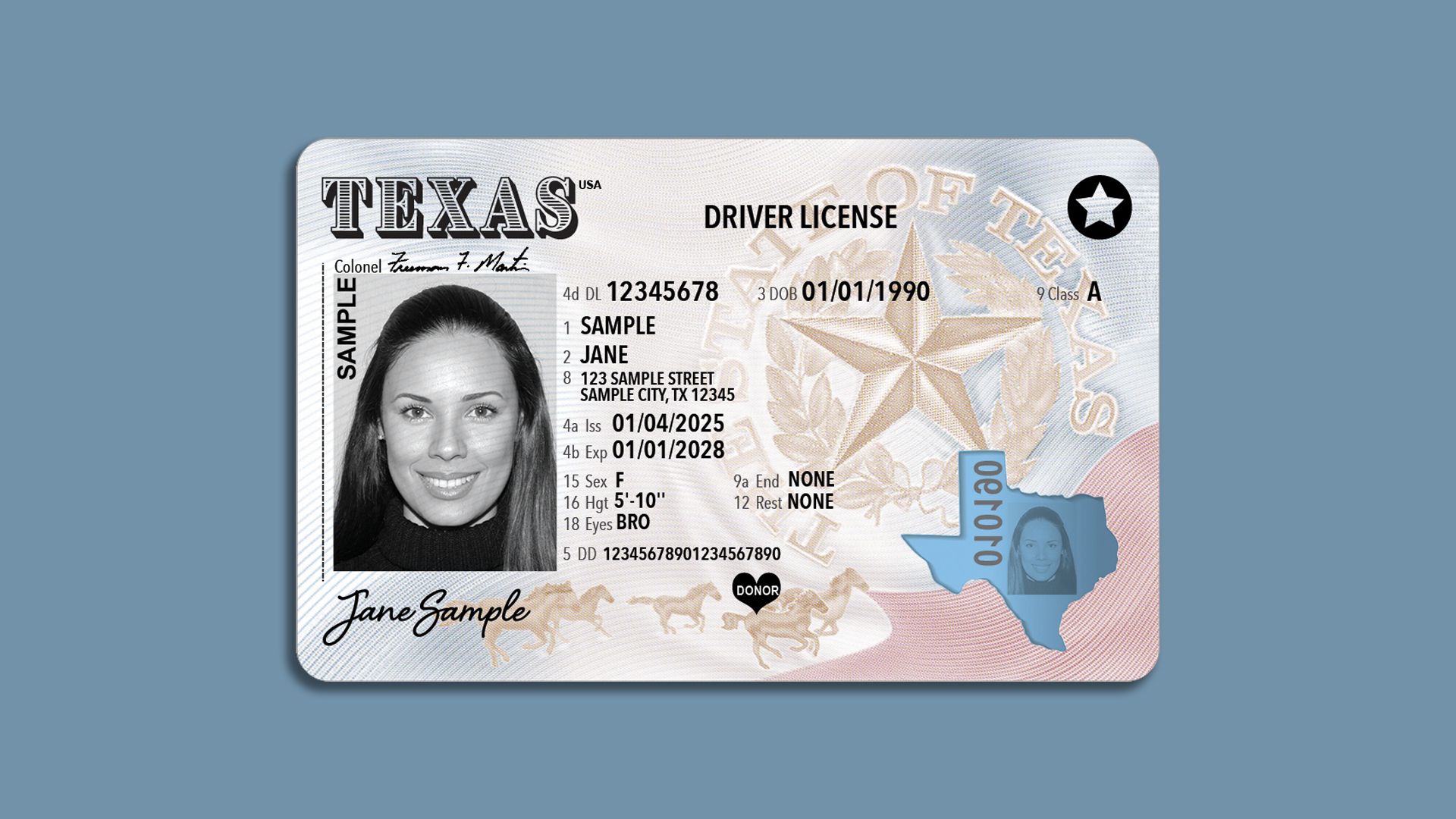
- Proof of Identity: A valid government-issued photo ID, such as a Texas driver's license (which you should obtain concurrently or prior to registration).
Financial Breakdown: Fees, Taxes, and Cost Estimates
Registering a vehicle in Texas involves several statutory fees. Understanding these costs helps prevent surprises when you reach the registration counter.
| Fee Type | Description | Standard Cost / Calculation |
|---|---|---|
| New Resident Tax | Imposed in lieu of sales tax for vehicles previously registered elsewhere by the owner. | $90 flat fee |
| State Title Fee | Processing fee for issuing the Texas vehicle title. | $28 to $33 (varies slightly by county) |
| Local Registration Fee | Base state registration fee for standard passenger vehicles. | $50.75 |
| Inspection Fee | Paid directly to the inspection station for safety/emissions testing. | $7.00 to $40.00 (varies by test type and county) |
| Local County Fees | Add-on fees designated for local road and bridge maintenance. | $10.00 to $31.50 (county-dependent) |
Note: If you purchased the vehicle shortly before moving to Texas and the state sales tax paid in your previous state was less than the 6.25% Texas motor vehicle sales tax, you may be assessed the difference.
County Tax Assessor-Collector Office Visit
Once you have gathered your insurance, inspection report, title documentation, and completed Form 130-U, visit your local County Tax Assessor-Collector office. Many populated counties—such as Travis, Harris, Tarrant, and Bexar—allow you to schedule appointments online to minimize wait times.
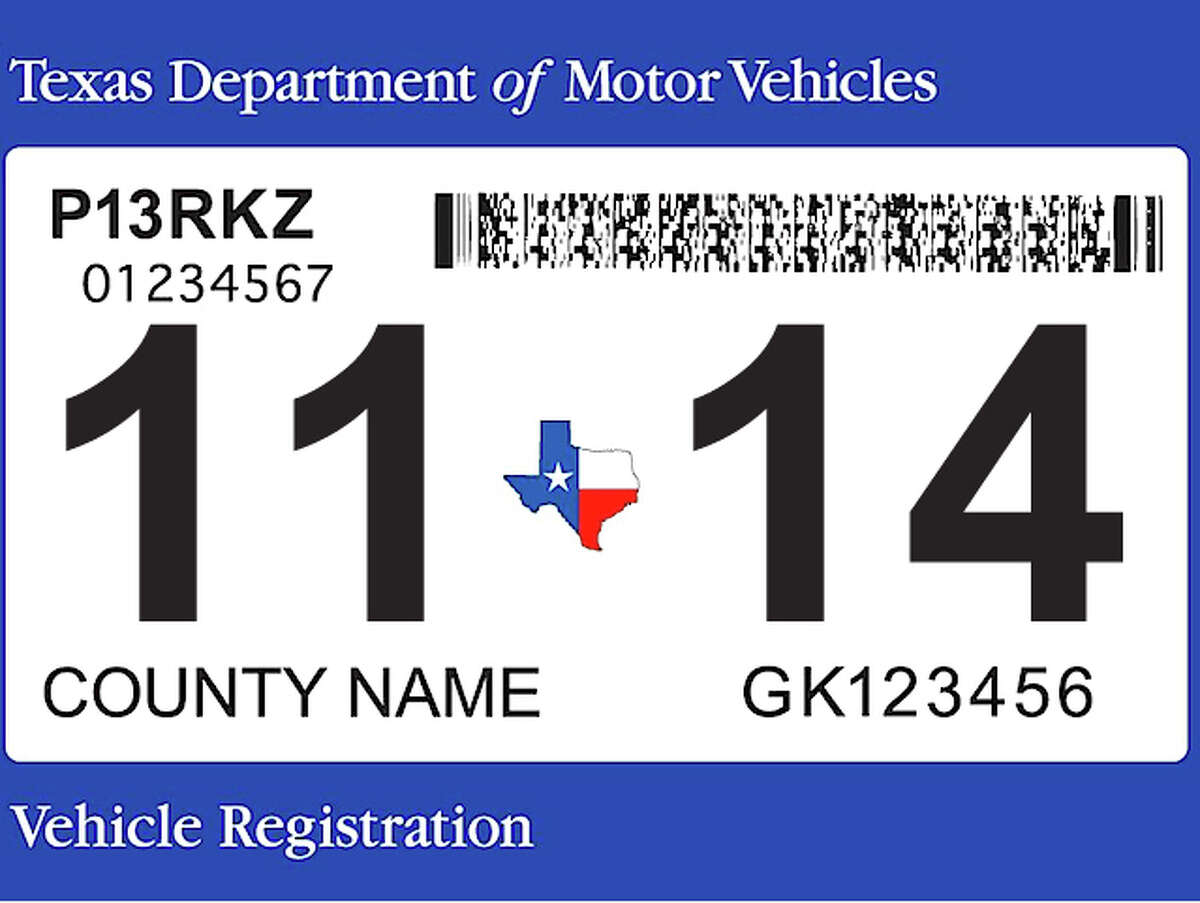
The county clerk will review your paperwork, calculate your exact total fees, process your application, and issue your metal license plates and registration sticker on the spot. Affix your registration sticker to the lower left-hand corner of your front windshield (or as dictated by current state placement guidelines), and securely mount your license plates to both the front and rear of the vehicle, as Texas law strictly mandates dual-plate display.
Frequently Asked Questions for New Texas Residents
How many days do I have to register my car after moving to Texas?
You have 30 days from the date you establish residency or enter gainful employment in Texas to title and register your vehicle. Delaying past this window risks late penalties and traffic citations.
Can I use my out-of-state vehicle inspection to register my car in Texas?
No. Texas requires all vehicles entering the state to undergo a safety and, where applicable, emissions inspection performed at a certified Texas inspection station before registration can be finalized.
What happens if my out-of-state car is still being financed by a bank?
If your vehicle has an active lien, your out-of-state title will typically be held by your lender. You must contact your lender to request that they send the title or a certified copy of the title to your local Texas county tax office to facilitate the transfer.
Do I need a Texas driver's license before I can register my car?
While you technically have 90 days to obtain a Texas driver's license after moving, obtaining your driver's license first or simultaneously streamlines the vehicle registration process, as county systems cross-reference identity and residency documentation.
Is the vehicle sales tax applied again when I move to Texas with my car?
No. New residents transferring a vehicle they already owned and registered in another state pay a flat $90 new resident tax rather than the standard 6.25% motor vehicle sales tax, provided the vehicle was previously registered in your name.
Secure Your Texas Road Compliance Today
Transitioning your vehicle registration is a vital milestone in establishing your roots in Texas. By ensuring your insurance meets state guidelines, completing your vehicle inspection promptly, and visiting your local county tax office with all required paperwork, you will achieve full compliance within the legal window. Gather your documents, verify your local county office hours, and complete your registration today to hit the Texas highways with absolute peace of mind.
Image Gallery