Male Catheter Care: Practical Steps for Safe Management
Effective management of a male indwelling urinary catheter requires a consistent routine centered on hygiene, drainage system maintenance, and diligent monitoring for signs of infection. By adhering to standardized aseptic techniques,...
Effective management of a male indwelling urinary catheter requires a consistent routine centered on hygiene, drainage system maintenance, and diligent monitoring for signs of infection. By adhering to standardized aseptic techniques, patients and caregivers can significantly reduce the risk of catheter-associated urinary tract infections (CAUTI) and physical trauma while ensuring the system functions reliably.
Contents
Understanding Indwelling Catheter Components
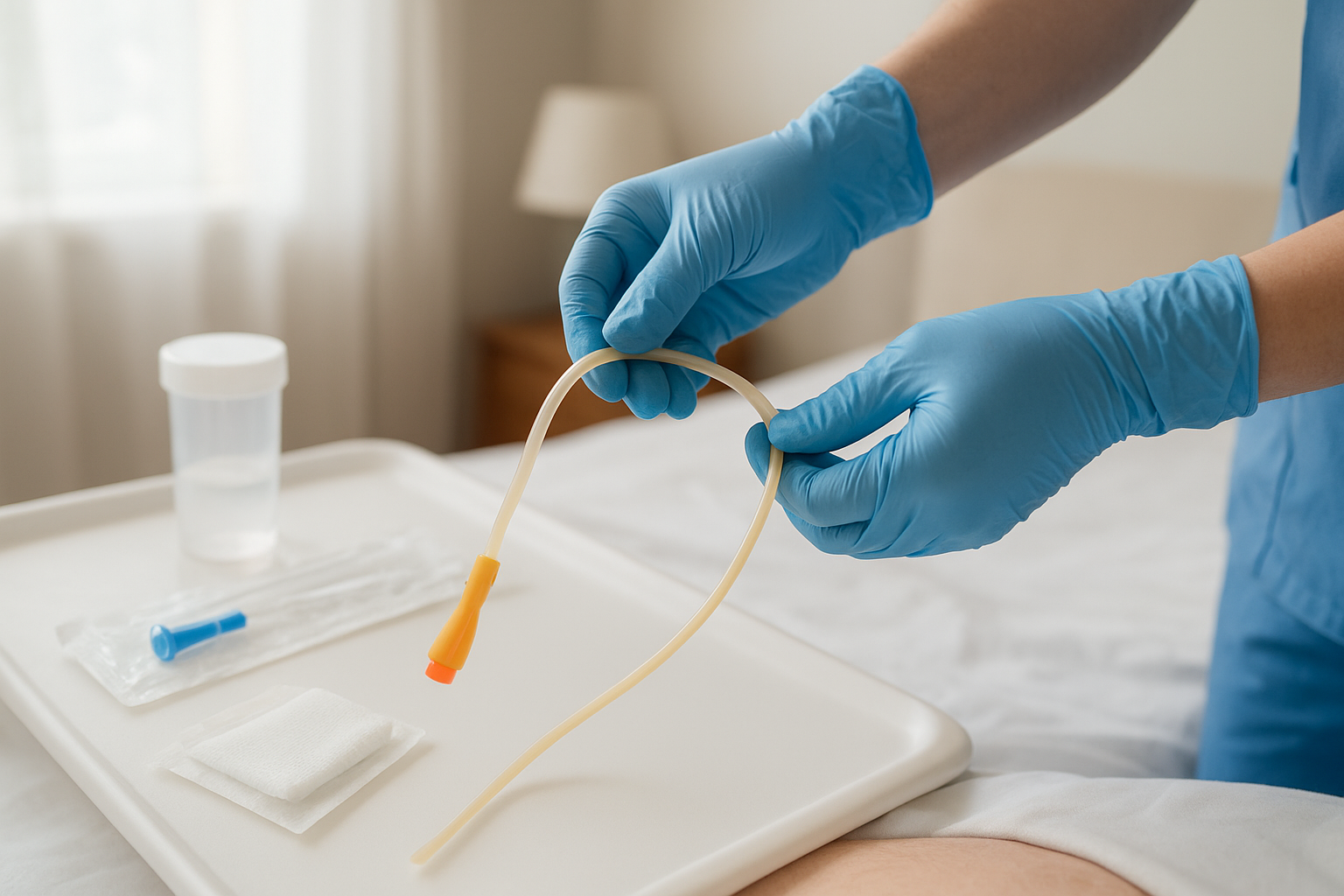
An indwelling catheter, often referred to as a Foley catheter, is a flexible tube passed through the urethra into the bladder to drain urine. The system is closed to prevent bacteria from entering the bladder. The primary components include the catheter itself, which is held in place by a small, sterile water-filled balloon, and the drainage system, consisting of the tubing and a collection bag.
Understanding the mechanics of the system is the first step in maintenance. The drainage bag must always be kept lower than the level of the bladder to utilize gravity for flow and to prevent urine from backflowing into the bladder, which is a common pathway for bacterial introduction.
Essential Hygiene and Handwashing Protocols
The single most important practice in catheter management is strict hand hygiene. Pathogens are frequently introduced during the manipulation of the catheter or drainage bag.
- Preparation: Before touching any part of the catheter system, wash your hands thoroughly with soap and warm water for at least 20 seconds. If a sink is not immediately available, use an alcohol-based hand sanitizer with at least 60% alcohol content.
- Cleaning the Insertion Site: Clean the area where the catheter exits the body daily. Use mild, fragrance-free soap and warm water. Gently wash the catheter tubing itself, wiping away from the body to ensure that any potential bacteria on the tube are moved away from the urethral opening.
- Drying: After cleaning, pat the area dry with a clean, disposable paper towel rather than a shared cloth towel to prevent cross-contamination.
Daily Maintenance and System Management
Managing a catheter involves daily tasks that ensure patient comfort and system integrity. The tubing should be secured to the patient's thigh using a stabilization device or securement strap. This prevents the catheter from pulling, which can cause urethral trauma or lead to the accidental deflation of the retention balloon.
Drainage Bag Positioning and Emptying
The drainage bag must be emptied regularly—usually when it reaches two-thirds capacity—to prevent the weight of the bag from pulling on the catheter. When emptying the bag:
- Ensure the drainage spout does not touch the floor or the rim of the toilet/receptacle.
- Clean the spout with an alcohol swab before and after emptying.
- Keep the system closed as much as possible; avoid disconnecting the tubing from the drainage bag unless absolutely necessary for changing the bag or cleaning.
Table: Guidelines for Safe Catheter Maintenance
| Task | Frequency | Objective |
|---|---|---|
| Hand Hygiene | Before/After any contact | Prevent bacterial transfer |
| Perineal Cleaning | At least once daily | Remove colonization at entry point |
| Emptying Bag | When 2/3 full | Prevent tension and backflow |
| Tubing Stabilization | Constant | Prevent urethral tugging/trauma |
| Hydration | Throughout the day | Ensure consistent bladder flushing |
Monitoring for Complications
Even with meticulous care, complications can occur. Patients should monitor for signs of potential issues daily. A cloudy, foul-smelling, or blood-tinged urine output can indicate an infection or physical irritation. Additionally, if the patient experiences lower abdominal pain, fever, or chills, it may suggest a systemic response to a blockage or infection.
Check the tubing periodically for kinks or loops that may obstruct urine flow. If the bag remains empty for several hours while the patient is hydrated, assess the system for bends. If no obstruction is visible and urine is not flowing, contact a healthcare provider immediately, as a blocked catheter can cause bladder distension and significant discomfort.
Troubleshooting Common Issues
When managing a catheter at home, you may encounter minor issues that can be resolved with basic adjustments.
- Bypassing: Urine leaking around the outside of the catheter is known as bypassing. This often occurs due to bladder spasms or if the catheter balloon is partially blocking the bladder outlet. Do not pull on the catheter. If this persists, consult a physician to evaluate the balloon size or the possibility of bladder spasms.
- Sediment Build-up: Sometimes, small amounts of debris or "grit" appear in the tubing. Encouraging higher fluid intake helps keep the bladder flushed and reduces the likelihood of sediment causing a blockage.
- Bag Disconnection: If the drainage bag accidentally disconnects from the catheter tubing, clean both ends with sterile alcohol swabs before reconnecting them to minimize the introduction of contaminants.
When to Seek Professional Assistance
Self-management is appropriate for routine care, but certain clinical indicators require immediate medical intervention. These include:
- High fever (over 101°F or 38.3°C).
- Complete cessation of urine flow for more than 4 hours.
- Bright red blood in the urine.
- Extreme pain or severe bladder spasms that do not subside.
- The catheter falling out of the bladder (do not attempt to reinsert the device; seek professional assistance).
Frequently Asked Questions
How much water should I drink while on a catheter? Unless advised otherwise by your doctor due to other health conditions (such as heart failure or kidney issues), aim for 1.5 to 2 liters of fluid daily. Adequate hydration maintains good urine flow, which naturally cleanses the bladder and prevents sediment buildup in the tubing.
Can I take a shower with an indwelling catheter? Yes, showering is generally safe. Ensure the drainage bag is attached and positioned below the level of the bladder. Avoid submerging the catheter insertion site in a bathtub or hot tub, as these environments increase the risk of introducing bacteria into the urinary tract.
How often should the drainage bag be changed? This depends on the specific product guidelines and healthcare facility policy. Generally, large bags are changed weekly, or sooner if they develop an odor or become discolored. Follow the specific recommendations provided by your medical supply manufacturer.
Is it normal to have a small amount of leaking? Occasional leakage around the catheter (bypassing) can happen due to bladder spasms. However, if the leakage is constant or accompanied by pain, it is not considered normal and should be reported to your healthcare provider to ensure the catheter is positioned correctly.
What should I use to clean the catheter area? Use mild, non-perfumed soap and clean water. Avoid using harsh antiseptics, powders, or lotions near the insertion site, as these can cause irritation or lead to allergic reactions and inflammation.
Recommended Next Steps
Maintain a "Catheter Care Log" where you document the date and time of bag changes, daily irrigation (if prescribed), and any observations regarding urine color or volume. This log is invaluable during follow-up appointments with your urologist or primary care physician. If you are uncertain about any aspect of your care, contact your healthcare provider’s office to request a demonstration from a visiting nurse or clinical specialist.
Image Gallery