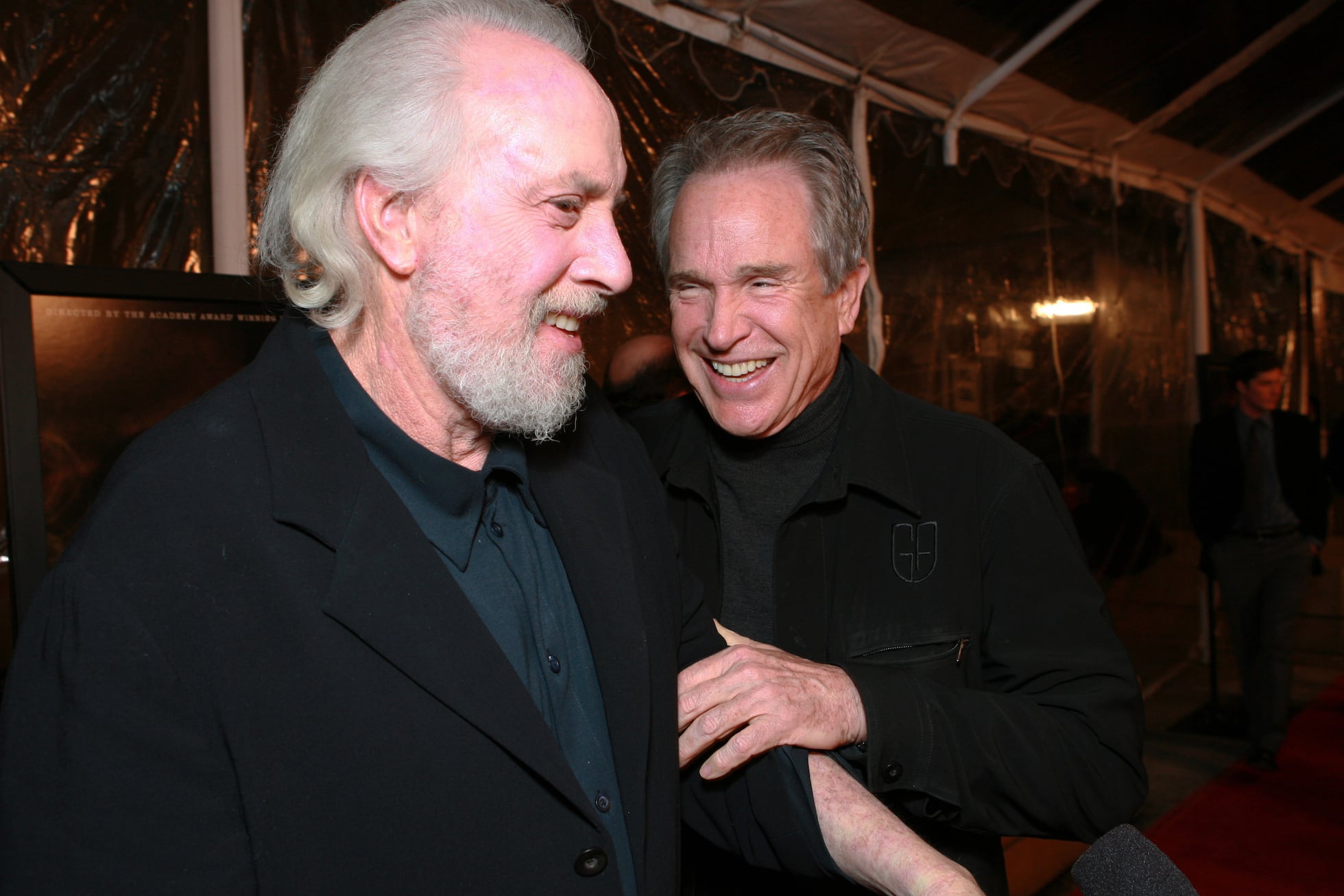
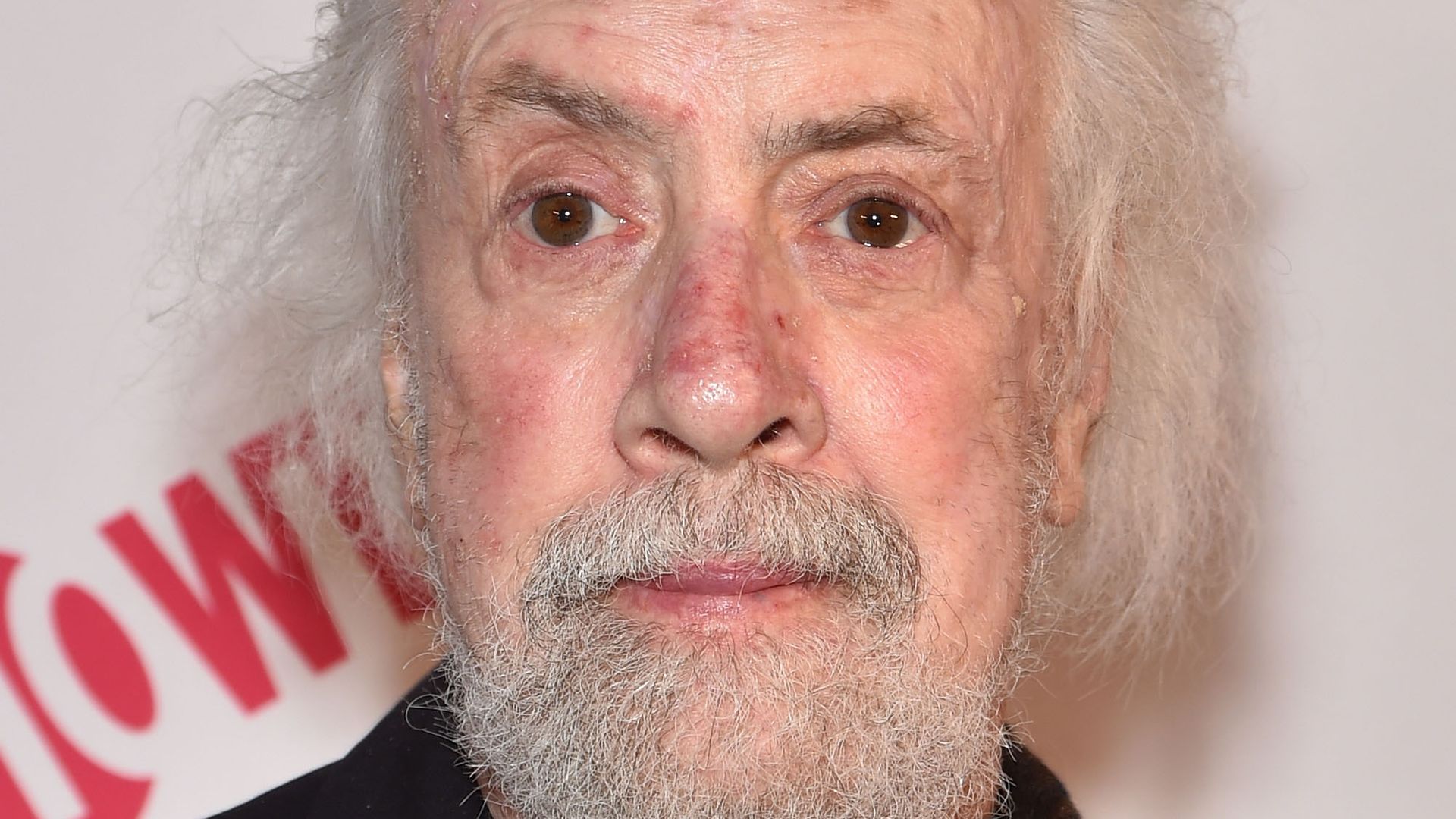
Robert Towne Cause of Death Explained: A Legacy in Screenwriting
Robert Towne, the legendary screenwriter whose work redefined the neo-noir genre and shaped the landscape of modern American cinema, died on July 1, 2024, at his home in Los Angeles. He was 89 years old. The cause of his death was dete...
Robert Towne, the legendary screenwriter whose work redefined the neo-noir genre and shaped the landscape of modern American cinema, died on July 1, 2024, at his home in Los Angeles. He was 89 years old. The cause of his death was determined to be congestive heart failure, a chronic condition that had affected his health in his final years. His passing marked the end of an era for Hollywood, specifically for the generation of "New Hollywood" filmmakers who rose to prominence in the 1970s.
Contents
Towne’s career was defined by his extraordinary ability to craft complex, morally ambiguous narratives. His most celebrated work, the screenplay for Chinatown (1974), remains a gold standard for scriptwriting, often taught in film schools for its structural perfection and thematic depth. Beyond his writing, his influence extended into directing, script doctoring, and acting as a vital mentor for a generation of creative talent in the industry.
Understanding Congestive Heart Failure
Congestive heart failure (CHF), the condition identified as the primary cause of Robert Towne’s passing, is a chronic, progressive state where the heart muscle is unable to pump blood efficiently enough to meet the body’s metabolic demands. It does not mean the heart has stopped working entirely; rather, it signifies that the heart is struggling to keep up with its workload.
As the heart's pumping power weakens, blood backs up in the circulatory system, which causes fluid to build up in the lungs, liver, and lower extremities. This physiological stress often manifests in patients through symptoms such as persistent fatigue, shortness of breath, fluid retention, and decreased exercise tolerance. In elderly patients, CHF is frequently the culmination of years of underlying conditions, such as hypertension, coronary artery disease, or previous cardiac events.
Management of CHF typically involves a multifaceted medical approach, including diuretics to reduce fluid buildup, ACE inhibitors or beta-blockers to manage blood pressure and heart rate, and strict lifestyle modifications. However, given that Towne was in his late eighties, the condition represents a significant strain on the body’s compensatory mechanisms.
The Professional Legacy of Robert Towne
While his death at 89 was attributed to natural causes linked to heart health, the focus remains heavily on the monumental body of work he left behind. Towne was not merely a writer; he was a master of subtext. His characters often operated in gray areas where greed, trauma, and societal corruption intersected.
Notable Contributions to Cinema
Towne was an essential architect of the 1970s cinematic renaissance. His involvement spanned various roles:
- Chinatown (1974): Widely considered one of the greatest screenplays ever written, this film earned Towne an Academy Award. It successfully reinvented the hard-boiled detective archetype for a post-Watergate audience.
- The Last Detail (1973): His adaptation of Darryl Ponicsan's novel showcased his ear for authentic, gritty dialogue and his ability to humanize military personnel.
- Shampoo (1975): Co-written with Warren Beatty, this satire provided a sharp, biting critique of late-sixties social decadence.
- Mission: Impossible (1996): Towne proved his versatility by contributing to the script for the first installment of the franchise, helping to translate an ensemble television show into a sophisticated global spy blockbuster.
Comparing Screenwriting Contributions
To understand the weight of Towne’s career, it is helpful to look at the caliber of his collaborations and the specific strengths he brought to these projects. The following table illustrates some of his most impactful works and the nature of his contribution.
| Film Title | Year | Primary Role | Key Impact |
|---|---|---|---|
| The Last Detail | 1973 | Screenwriter | Established the "New Hollywood" tone of raw, grounded realism. |
| Chinatown | 1974 | Screenwriter | Standardized the modern neo-noir mystery structure. |
| Shampoo | 1975 | Co-writer | Mastered the art of social satire and character-driven narrative. |
| Mission: Impossible | 1996 | Screenwriter | Successfully modernized a classic franchise for high-stakes action. |
| Ask the Dust | 2006 | Director/Writer | Demonstrated his long-term dedication to literary adaptation. |
The "Script Doctor" Phenomenon
Towne was perhaps the most famous "script doctor" in Hollywood history. This term refers to professional writers brought in to polish, rewrite, or restructure scripts for other directors and producers without necessarily receiving full credit. His reputation for being able to "fix" a broken script was legendary.
His process involved a deep understanding of character motivation. He argued that if a character’s goal was clear, the dialogue would follow naturally. He often spent weeks deconstructing the logic of a scene until every line served the plot or the character’s psychological arc. This rigorous approach made him one of the most expensive and sought-after writers in the industry during the 1980s and 1990s.
Influence on Modern Filmmaking
Even in 2026, the techniques Robert Towne popularized remain standard practice. His focus on "show, don't tell" and his insistence that a script should be a blueprint for a director rather than a rigid instruction manual changed how Hollywood perceived writers.
He famously noted that "a movie should be a movie," meaning the visual components of a film are as critical as the written words. By prioritizing the visual narrative—the long shots, the subtle facial expressions, and the environmental storytelling of a setting like Los Angeles—he helped bridge the gap between literature and visual art.
Frequently Asked Questions
1. What was the exact cause of Robert Towne’s death?
Robert Towne passed away due to congestive heart failure. At age 89, the progression of this chronic condition eventually reached a point where the heart could no longer effectively support the body’s functions.
2. Was Robert Towne still working before he passed?
Yes, Towne remained active in various capacities well into his later years. While he was not writing at the same frantic pace as he was in the 1970s, he remained a consultant and creative voice in the industry, lending his expertise to various projects and mentoring younger writers.
3. How is a diagnosis of congestive heart failure managed?
Medical management for CHF typically includes medications to lower blood pressure, reduce fluid (diuretics), and optimize heart rate. In late stages, it involves palliative care to manage comfort and quality of life, which is often the standard for geriatric patients facing heart failure.
4. Why is Robert Towne considered a legendary screenwriter?
He is legendary because he elevated the craft of screenwriting by introducing psychological depth and complex, morally gray protagonists to mainstream films. His screenplay for Chinatown is widely regarded as structurally flawless.
5. What is meant by "script doctoring"?
Script doctoring is the practice of hiring an experienced writer to refine, rewrite, or improve a screenplay written by another person. Robert Towne was known for his ability to identify structural flaws that prevented a story from working effectively.
6. Where can I watch his most notable works today?
In 2026, most of Robert Towne’s major works are available on major streaming platforms and digital rental services. Chinatown and The Last Detail are staples of cinema history and are widely cataloged in most reputable film archives and streaming libraries.
Final Recommendation
If you are interested in the evolution of cinema, studying the work of Robert Towne is an essential endeavor. To truly appreciate his impact, it is recommended to watch the original Chinatown with a focus on the screenplay’s structure rather than just the plot. Observing how he builds tension through dialogue and subtext provides a practical masterclass in storytelling. For those interested in the craft of writing, the published scripts of his work, which are available through major publishers and academic collections, offer deep insights into how a professional screenwriter translates ideas into actionable cinematic moments.
Image Gallery