Jeff Barry Net Worth 2026: The Financial Legacy of a Songwriting Legend
As of 2026, Jeff Barry’s net worth is estimated to be between $15 million and $25 million. This wealth is primarily derived from his extensive catalog of legendary pop hits, television theme song royalties, and his historical role as a...
As of 2026, Jeff Barry’s net worth is estimated to be between $15 million and $25 million. This wealth is primarily derived from his extensive catalog of legendary pop hits, television theme song royalties, and his historical role as a producer and executive during the peak of the Brill Building era.
Contents
Jeff Barry is not merely a figure from music history; he is one of the foundational architects of modern pop music. His financial standing in 2026 reflects the enduring value of intellectual property in the music industry. Unlike many contemporary artists whose wealth is tied to touring or brand deals, Barry’s net worth is built on the "mailbox money" generated by some of the most recognizable melodies in the American songbook. From the "Wall of Sound" hits of the 1960s to iconic television themes of the 1970s, Barry’s work continues to generate revenue through streaming, synchronization in film and advertising, and radio play.
The Brill Building Era and Early Financial Foundation
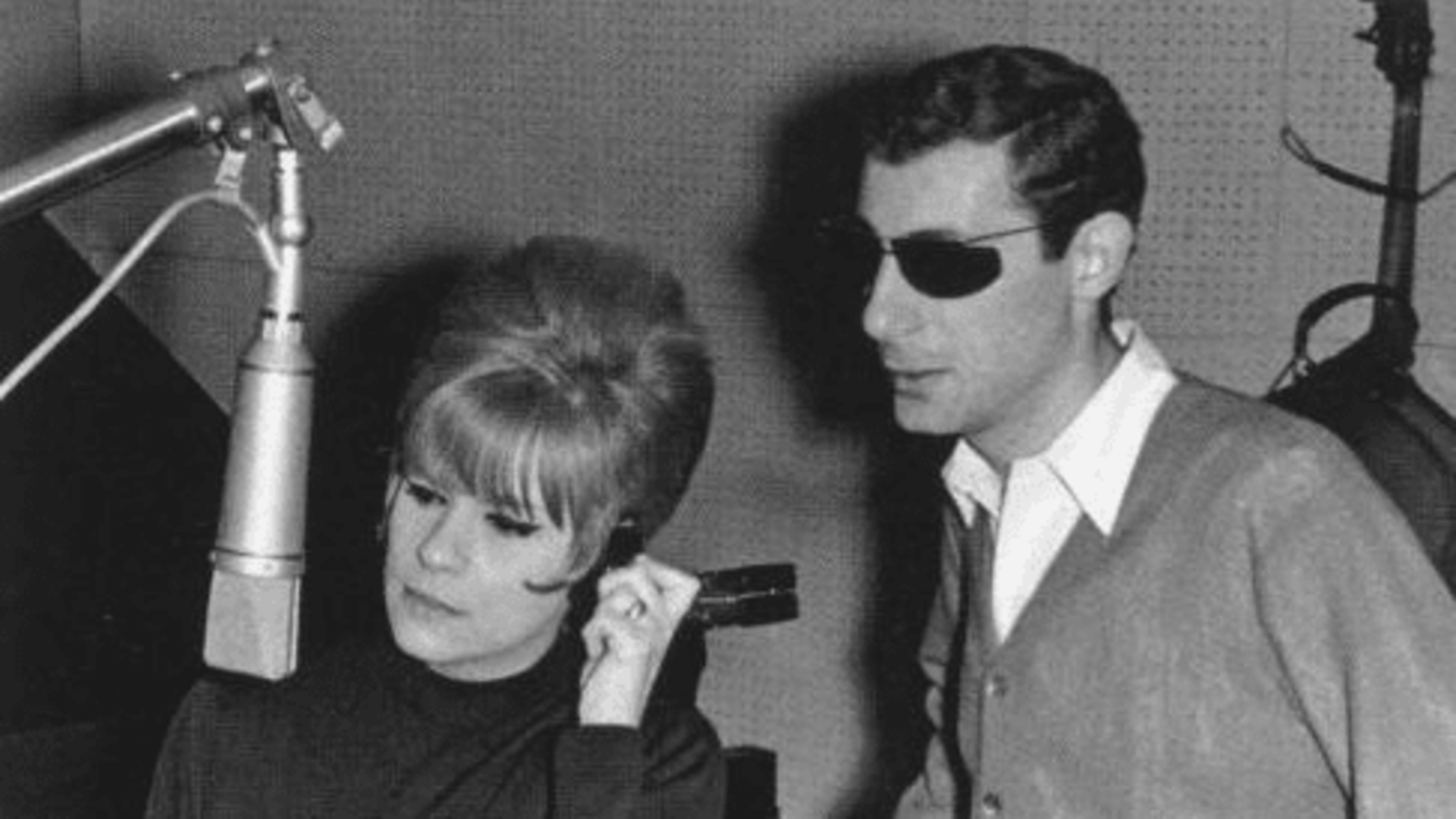
The foundation of Jeff Barry's wealth was laid in the early 1960s within the competitive confines of the Brill Building and 1650 Broadway in New York City. This was an era where songwriting was a disciplined, 9-to-5 profession. Barry, alongside his then-wife and creative partner Ellie Greenwich, became part of a powerhouse songwriting team that defined the "Girl Group" sound.
The financial structure of the music industry at the time favored the publishers, but the sheer volume of hits produced by the Barry-Greenwich duo ensured a significant income stream. They were responsible for hits such as "Be My Baby" and "Baby, I Love You" (The Ronettes), "Then He Kissed Me" and "Da Doo Ron Ron" (The Crystals), and "Chapel of Love" (The Dixie Cups).
During this period, income was primarily generated through mechanical royalties (the sale of physical records) and performance royalties (radio airplay). Because their songs were frequently covered by multiple artists, the "long-tail" value of these compositions began to accumulate early. For instance, "Be My Baby" has been covered hundreds of times, with each version contributing to Barry's performance royalty distributions through organizations like BMI (Broadcast Music, Inc.).
The Red Bird Records Years and Production Income
In 1964, Jeff Barry and Ellie Greenwich joined forces with Jerry Leiber and Mike Stoller to launch Red Bird Records. This move was a strategic shift from being just "songwriters for hire" to having an ownership stake in the recording process. Acting as both songwriters and producers allowed Barry to claim a larger percentage of the revenue generated by a hit.
Red Bird Records was remarkably successful in its short lifespan, with 28 of its first 30 releases reaching the charts. One of the most significant financial successes from this era was "Leader of the Pack" by The Shangri-Las. As a writer and producer, Barry benefited from multiple revenue streams:
- Songwriting Royalties: The 50% writer's share of the performance and mechanical income.
- Publishing Royalties: A portion of the publisher's share if the rights were held by a company he influenced.
- Producer Points: A percentage of the retail price of every record sold, independent of the songwriting credit.
The success of Red Bird Records demonstrated Barry’s ability to navigate the business side of the industry, further insulating his growing net worth against the volatility of the pop charts.
The Archies and the "Sugar, Sugar" Phenomenon
By the late 1960s, Jeff Barry moved into a niche that would prove to be incredibly lucrative: "bubblegum pop." He was hired by Don Kirshner to oversee the music for the animated series The Archie Show. This resulted in the creation of The Archies, a fictional band that produced real-world hits.
The pinnacle of this era was "Sugar, Sugar," co-written by Barry and Andy Kim. Released in 1969, it became the number one song of the year in both the United States and the United Kingdom. From a financial perspective, "Sugar, Sugar" is a masterclass in revenue generation. Because the "band" was animated, there were no expensive touring costs or diva-like contract negotiations to eat into the profits. The song has remained a staple in commercials, movies (such as Bee Movie), and "oldies" radio for over five decades.
In the context of 2026, the digital streaming era has provided a resurgence for such tracks. "Sugar, Sugar" consistently garners millions of streams annually on platforms like Spotify and YouTube, ensuring that Barry's estate continues to see "passive" income from a song written nearly 60 years ago.
Television Themes and the Power of Syndication
One of the most overlooked aspects of Jeff Barry’s net worth is his contribution to television music. In the 1970s and 1980s, Barry composed several iconic theme songs. The most financially significant of these is "Movin' On Up," the theme for the hit sitcom The Jeffersons, which he co-wrote with Ja'net Dubois.
Television theme songs are a goldmine for songwriters due to syndication royalties. Every time an episode of The Jeffersons airs on a local affiliate, a cable network, or a streaming service like Hulu or Netflix, a performance royalty is triggered. Given that The Jeffersons has been in constant syndication for decades, this single song has likely generated millions of dollars in cumulative royalties.
Barry also contributed to the themes of:
- One Day at a Time
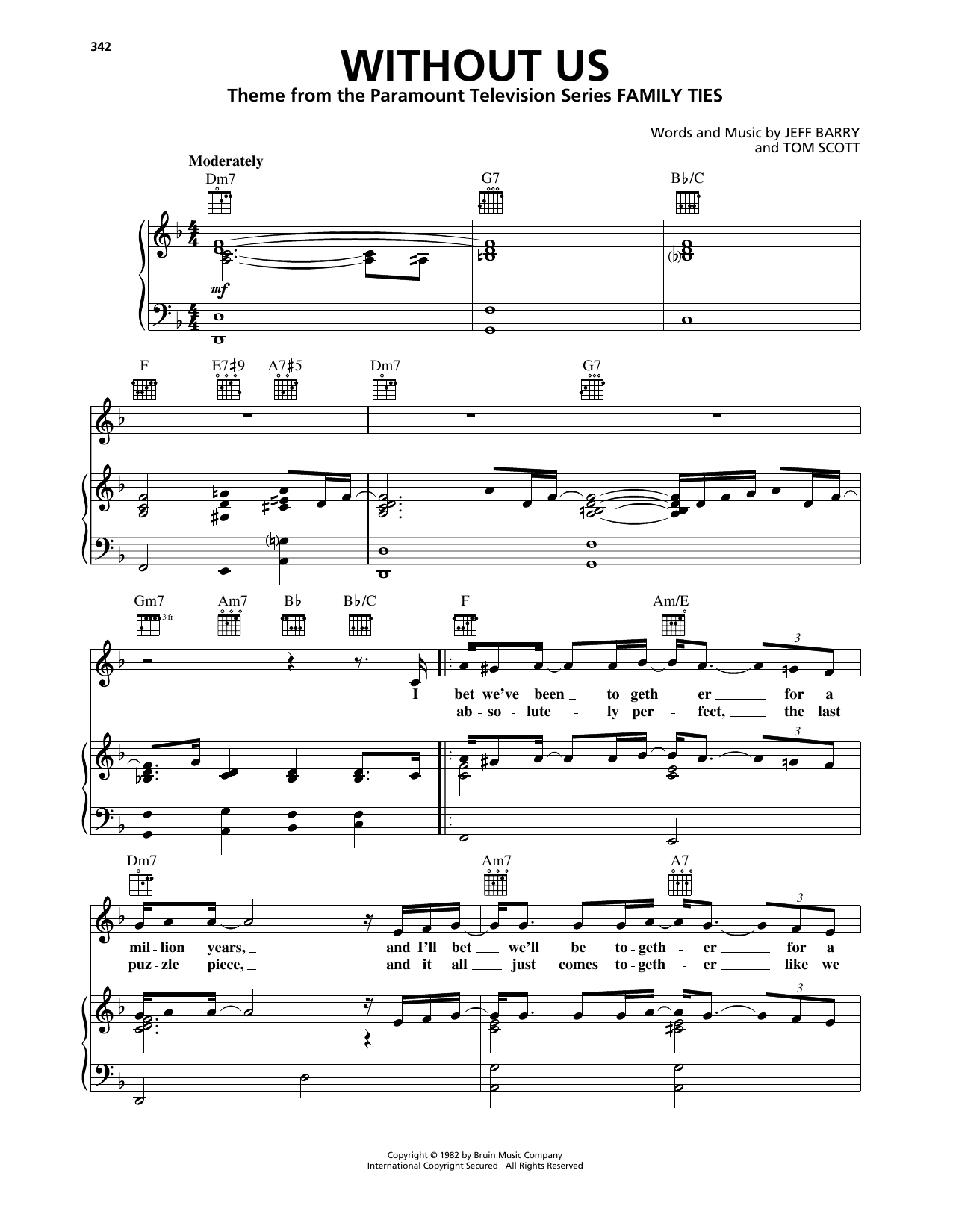
- Family Ties (the song "Without Us")
- The Nancy Walker Show
These contributions diversified his portfolio, moving his income away from the trend-heavy world of Top 40 radio and into the stable, long-term world of television licensing.
Strategic Asset Valuation: The Song Catalog
In the mid-2020s, the music industry saw a massive surge in catalog acquisitions. Companies like Hipgnosis Songs Fund and BMG began buying the publishing rights of legendary songwriters for multiples of 15x to 20x their annual royalty income.
While the exact status of Barry’s entire catalog ownership is often private, the valuation of his written works remains the primary driver of his net worth. A catalog containing "Be My Baby," "Sugar, Sugar," and "River Deep – Mountain High" is considered a "blue-chip" asset. Even if an artist does not sell their catalog, banks and financial institutions treat these future royalty streams as collateral for high-value loans and investments.
Comparison of Key Jeff Barry Compositions and Their Impact
| Song Title | Primary Artist | Year Released | Financial Significance |
|---|---|---|---|
| "Be My Baby" | The Ronettes | 1963 | Massive synchronization value in film/TV. |
| "Chapel of Love" | The Dixie Cups | 1964 | Wedding industry staple; constant performance royalties. |
| "Leader of the Pack" | The Shangri-Las | 1964 | Iconic narrative song; high licensing demand. |
| "Sugar, Sugar" | The Archies | 1969 | Global #1; massive streaming and commercial use. |
| "Movin' On Up" | The Jeffersons Theme | 1975 | High-frequency syndication royalties for 50+ years. |
| "I've Got Sunshine" | Various | Multiple | Ongoing use in advertising and retail background music. |
Awards and Recognition as Financial Catalysts
Jeff Barry’s induction into the Songwriters Hall of Fame (1991) and the Rock and Roll Hall of Fame (1991) did more than just cement his legacy; these honors increase the market value of a songwriter's brand. When a songwriter is recognized as a "Hall of Famer," the licensing fees for their music often command a premium.
Furthermore, Barry received the Ahmet Ertegun Award from the Rock and Roll Hall of Fame, a distinction that highlights his influence as a producer and industry leader. In the 2020s, such prestige is vital for estate planning and the negotiation of master recording rights.
2026 Financial Outlook and Industry Impact
In 2026, the music industry has stabilized its relationship with streaming, and legislative changes like the Music Modernization Act (MMA) have improved the rate-setting process for mechanical royalties. This benefits legacy writers like Barry, ensuring they receive a fairer share of digital revenue.
Barry’s net worth also reflects his work in musical theater. His contributions to the musical The Leader of the Pack, based on his and Ellie Greenwich's lives and music, provided income through ticket sales and cast recording royalties. The enduring nature of "jukebox musicals" ensures that his songs have a life on stage as well as on the airwaves.
Frequently Asked Questions
What is Jeff Barry's most profitable song?
While "Sugar, Sugar" was his biggest global hit in terms of sales, "Be My Baby" and "Movin' On Up" (The Jeffersons theme) are likely the most profitable over the long term due to their constant use in movies, commercials, and television syndication.
Did Jeff Barry sell his music catalog?
Unlike many of his peers who sold their catalogs in the early 2020s, Barry has historically maintained a level of control over his publishing through various entities. Any partial sales or administration deals would have significantly boosted his liquid net worth while potentially reducing long-term royalty percentages.
How does streaming affect a legacy songwriter like Jeff Barry?
Streaming initially offered lower payouts than physical sales, but the high volume of "passive" listening for 1960s hits has turned into a steady, reliable income stream. Songs like "Sugar, Sugar" act as "evergreens" that appear on thousands of curated "Oldies" and "Feel Good" playlists.
What role did Ellie Greenwich play in his wealth?
Ellie Greenwich was his primary co-writer during his most successful years. They shared the writer's royalties on their collaborations equally. After their divorce and her subsequent passing in 2009, their respective estates continued to manage their shares of the joint catalog.
Is Jeff Barry still active in the music business?
While he is no longer producing Top 40 hits, Barry remains active in supervising his legacy, participating in industry events, and occasionally contributing to specialized projects or musical theater adaptations of his work.
Final Recommendation for Music Investors
For those looking at the business of music, Jeff Barry’s career serves as a blueprint for long-term wealth through intellectual property. The key takeaway is diversification: Barry did not rely solely on pop hits; he expanded into production, label ownership, television themes, and theater. For modern creators, the "Jeff Barry model" suggests that the most stable net worth is built by creating "utility" music—songs that fit perfectly into the cultural fabric of weddings, movies, and television—ensuring they remain relevant regardless of changing musical trends.
Image Gallery