The Origins of Shake Shack in Madison Square Park: A Culinary Evolution
Shake Shack originated in New York City’s Madison Square Park in 2001 as a humble hot dog cart designed to support a public art installation. Founded by restaurateur Danny Meyer, it evolved into a permanent kiosk in 2004, sparking a gl...
Shake Shack originated in New York City’s Madison Square Park in 2001 as a humble hot dog cart designed to support a public art installation. Founded by restaurateur Danny Meyer, it evolved into a permanent kiosk in 2004, sparking a global "fine casual" revolution by combining high-quality ingredients with the accessibility of fast food.
Contents
The Humble Beginnings: The 2001 Hot Dog Cart
While Shake Shack is now a multi-billion dollar global brand, its roots are deeply planted in the soil of a once-neglected Manhattan green space. In 2001, Madison Square Park was undergoing a significant revitalization effort led by the Madison Square Park Conservancy. At the time, the park was far from the pristine community hub it is today; it had suffered decades of neglect and was often avoided by locals.
Danny Meyer, the founder of Union Square Hospitality Group (USHG) and a pioneer in the New York dining scene, was a key supporter of the park’s restoration. To support the "I ♥ Taxi" art installation by artist Navin Rawanchaikul, Meyer and his team decided to launch a small, temporary hot dog cart. The goal was not to start a franchise, but rather to provide a service that would draw people into the park and support the local community.
The cart operated out of the kitchen of Eleven Madison Park, Meyer’s nearby fine-dining establishment. This proximity meant that even the simple hot dogs were prepared with the same level of care and culinary standards as a Michelin-starred meal. The cart was an immediate success, with lines forming daily as New Yorkers embraced the combination of high-quality street food and the opportunity to enjoy a rejuvenated public space. This three-summer experiment laid the conceptual foundation for what would eventually become a permanent fixture in the New York culinary landscape.
The Birth of the Modern Shake Shack (2004)
By 2004, the success of the hot dog cart had proven that there was a massive appetite for high-quality, accessible food in Madison Square Park. The city’s Department of Parks and Recreation put out a Request for Proposals (RFP) for a permanent food kiosk in the park. Meyer’s USHG won the bid, and the permanent version of Shake Shack was born.
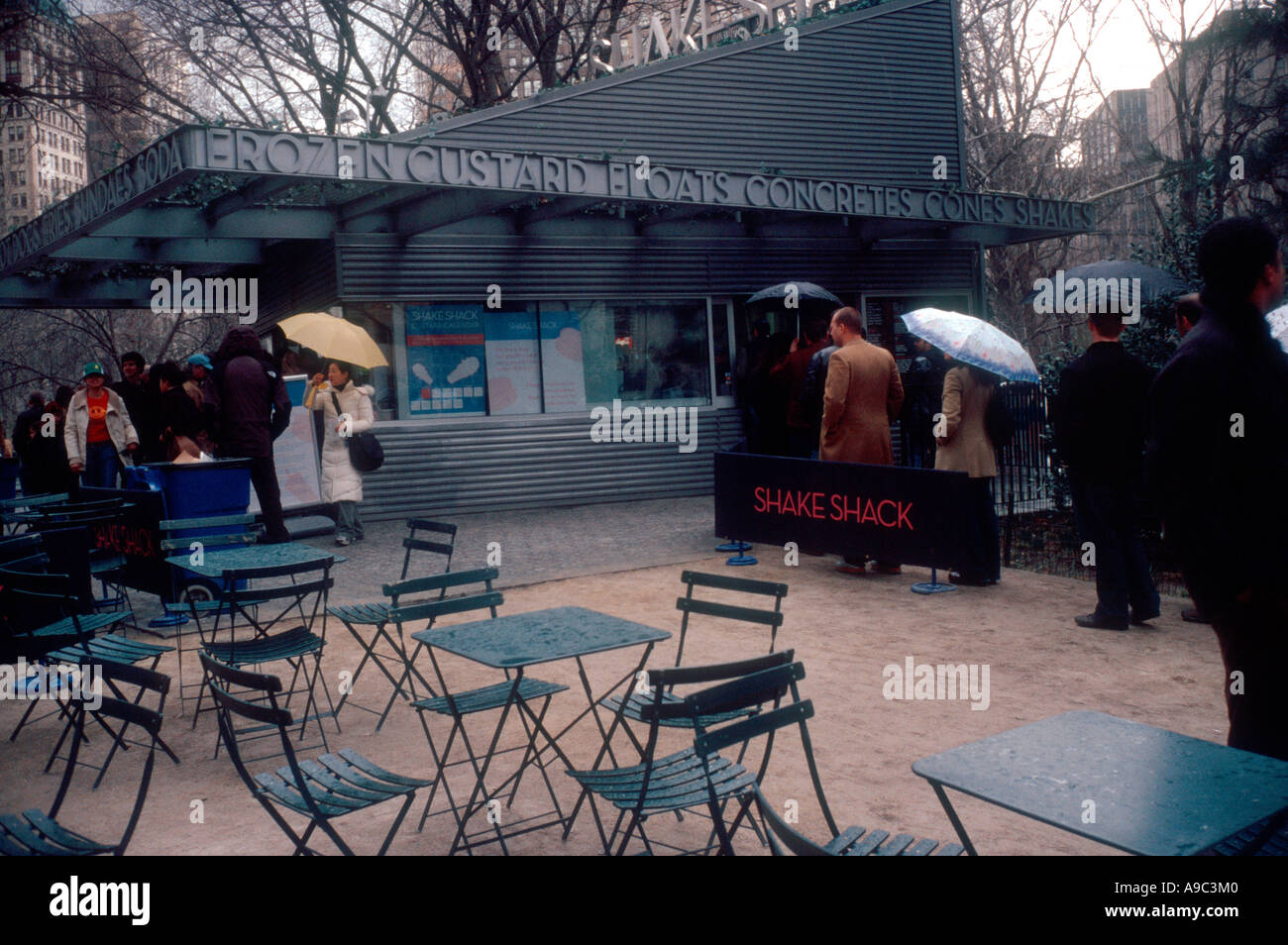
The transition from a cart to a kiosk allowed the menu to expand beyond hot dogs to include the items that would define the brand: burgers, crinkle-cut fries, and frozen custard shakes. The original Madison Square Park location was designed not just as a restaurant, but as an architectural contribution to the park itself.
Architectural Significance of the Madison Square Park Kiosk
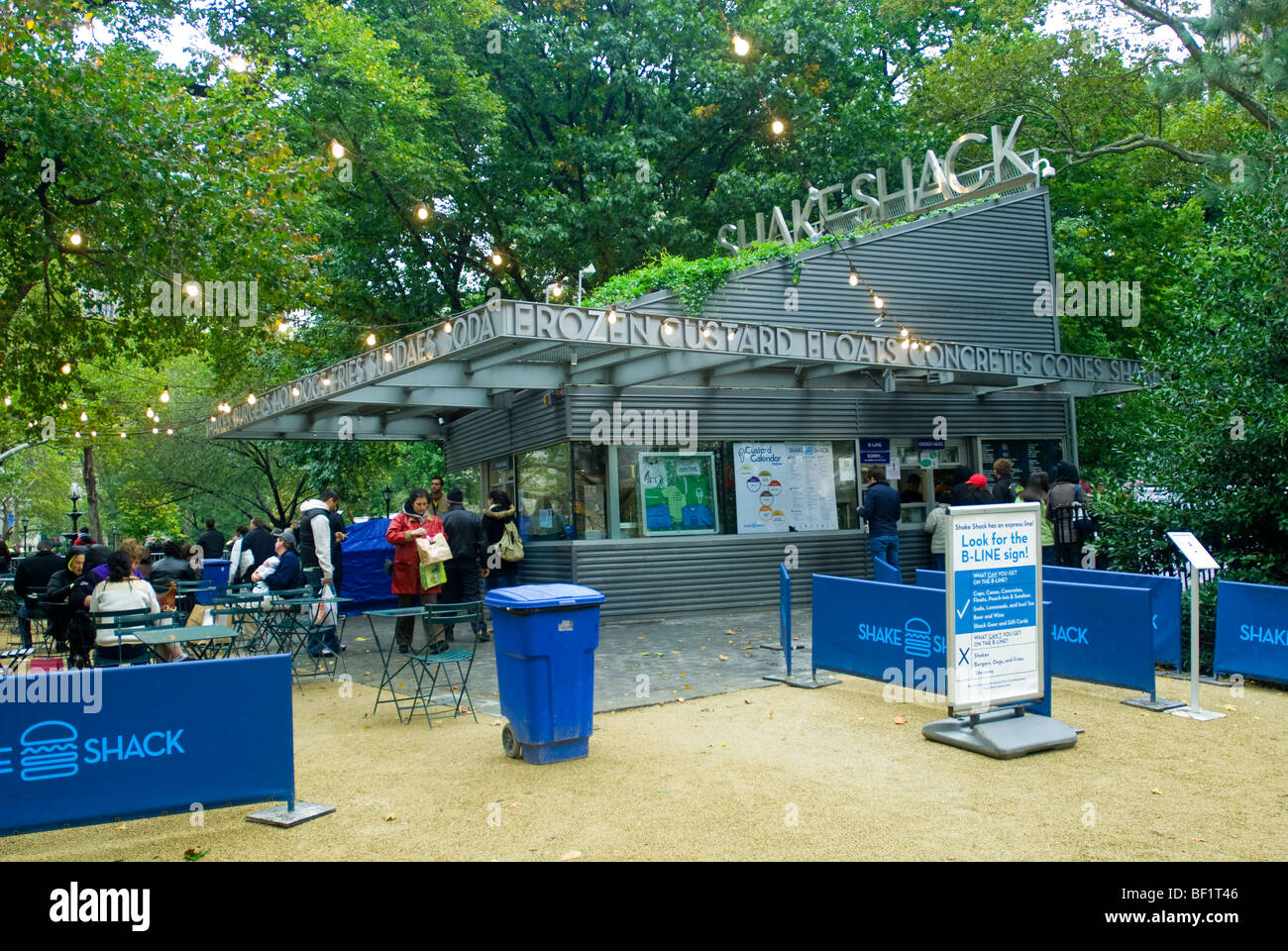
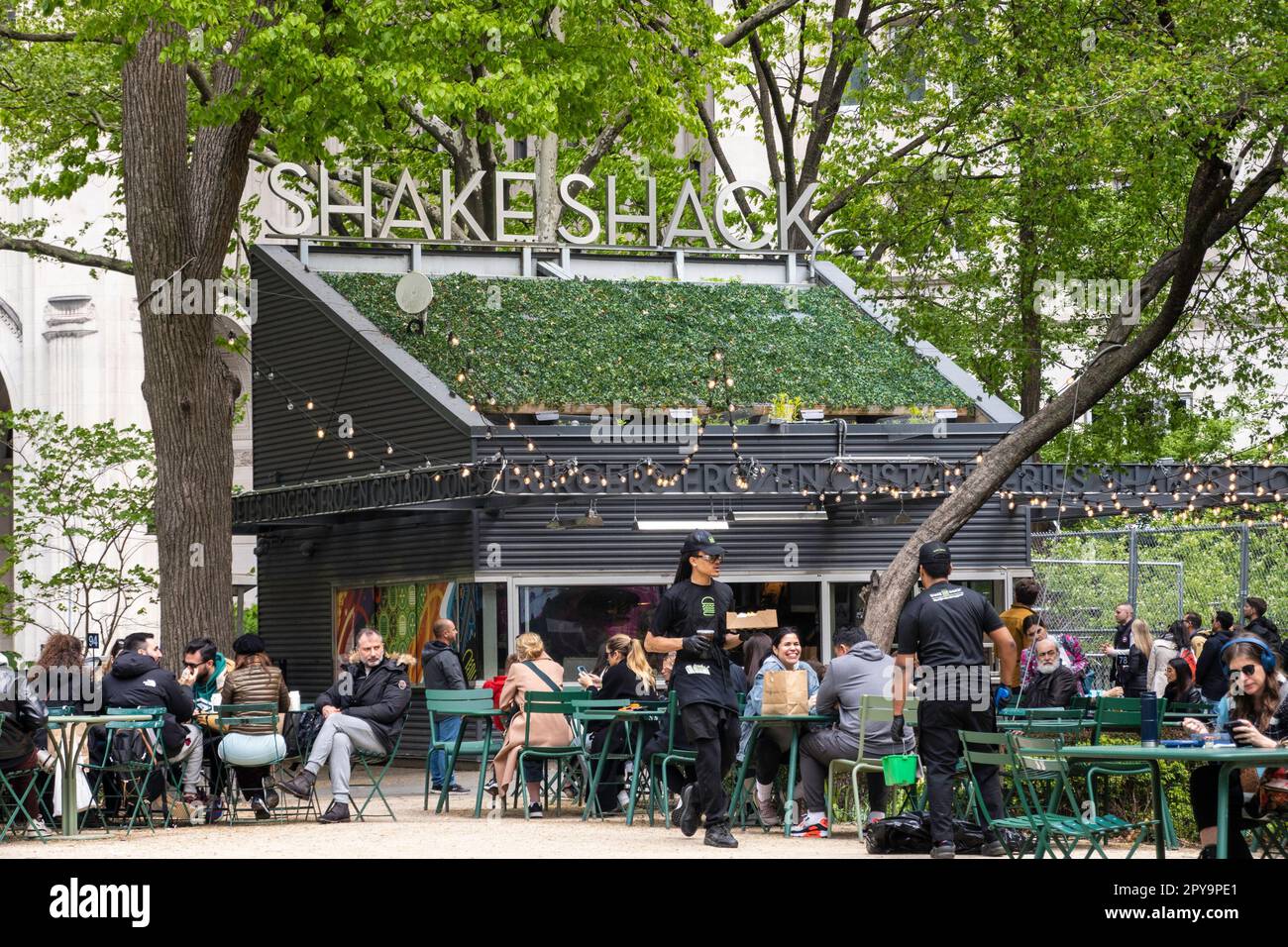
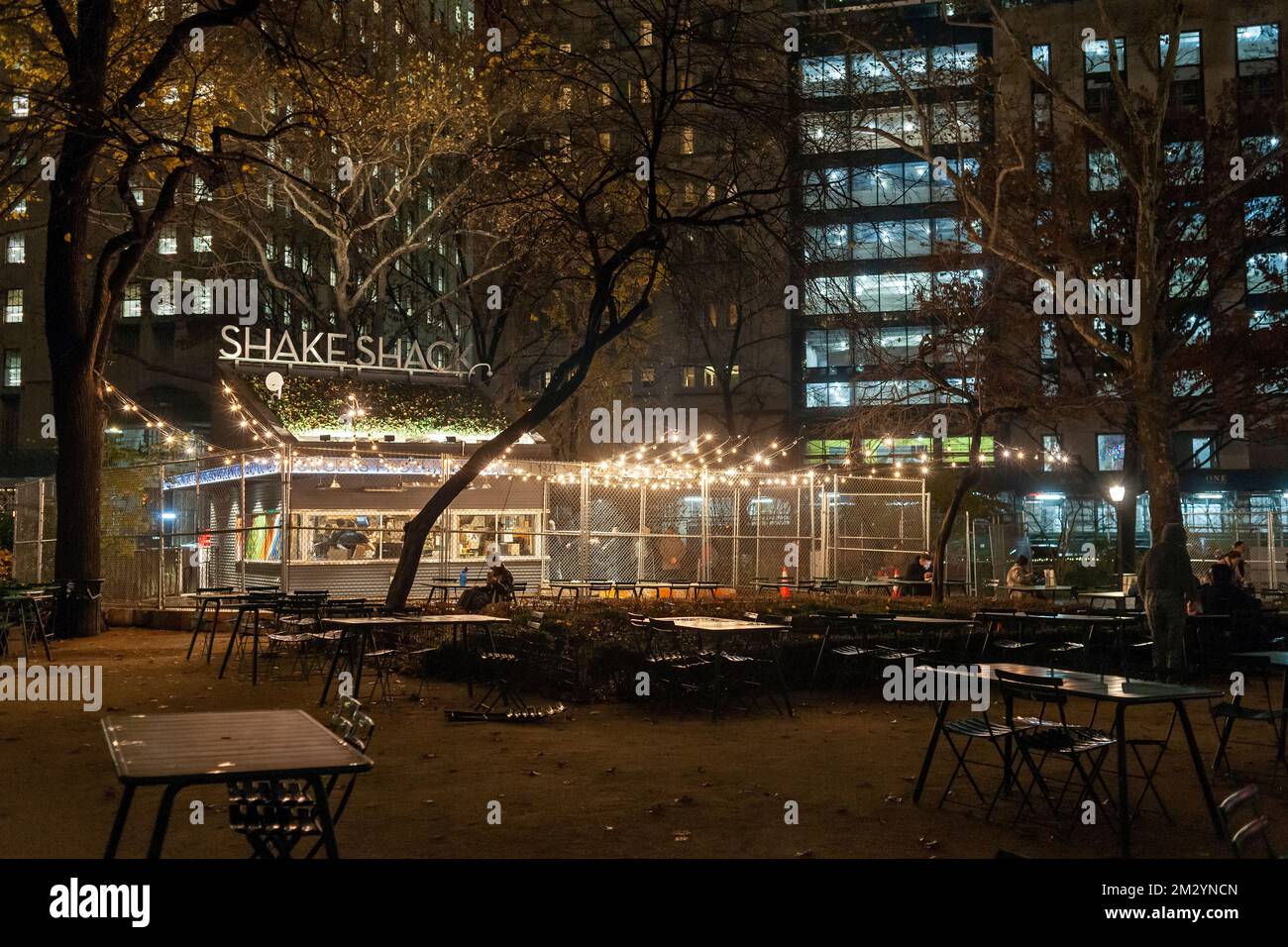
The design of the original kiosk was handled by SITE Environmental Design, led by James Wines. The structure was intentionally low-profile, featuring an ivy-covered roof and a sleek, modern aesthetic that allowed it to blend seamlessly with the surrounding greenery. The use of sustainable materials and a design that prioritized the park’s views reflected Meyer’s commitment to urban stewardship.
Unlike traditional fast-food outlets that often clash with their surroundings, the Madison Square Park Shake Shack enhanced the environment. The "Shack Cam," a webcam that allowed fans to check the length of the line in real-time, became a cultural phenomenon, signaling the brand's early adoption of technology to manage its burgeoning popularity.
Danny Meyer’s Vision: Defining "Fine Casual"
The core philosophy behind Shake Shack is what Danny Meyer calls "Enlightened Hospitality." This concept, which he pioneered in his fine-dining restaurants like Gramercy Tavern, prioritizes the well-being of employees and the community, under the belief that happy staff provide better service, leading to a superior guest experience.
In the context of Shake Shack, Meyer introduced the "Fine Casual" category. This business model applies the standards of fine dining—such as sourcing premium ingredients, investing in employee training, and prioritizing hospitality—to the speed and convenience of a fast-food setting.
- Premium Sourcing: From the beginning, Shake Shack utilized a custom blend of 100% Angus beef from Pat LaFrieda Meat Purveyors.
- The Potato Roll: The use of Martin’s Potato Rolls became a signature element, chosen for its ability to absorb juices without falling apart.
- Frozen Custard: By using real sugar and high-quality dairy, the "Shack" redefined the American milkshake for a modern audience.
Expansion from a Park Kiosk to a Global Empire
For years, the Madison Square Park location was the only Shake Shack in existence. It wasn't until 2010 that the brand began its rapid expansion, first opening in the Upper West Side and then moving into suburban markets and international locations. As of 2026, the company has grown to over 500 locations worldwide, ranging from airports in Dubai to high streets in London and Tokyo.
The challenge of this expansion was maintaining the "park vibe" and the quality of the original kiosk. Each new location was designed to reflect its local community while adhering to the core DNA established in Madison Square Park. The brand’s ability to scale without losing its cult-like following is a case study in modern brand management.
The 2015 IPO and Institutional Growth
In 2015, Shake Shack went public on the New York Stock Exchange (NYSE: SHAK). The IPO was one of the most successful in the restaurant industry, valuing the company at over $1.6 billion on its first day of trading. This influx of capital allowed for even more aggressive growth, yet the Madison Square Park location remains the spiritual and historical flagship of the company. Even in 2026, it remains one of the highest-grossing locations in the entire system, a testament to its enduring appeal.
Visiting the Original Madison Square Park Location in 2026
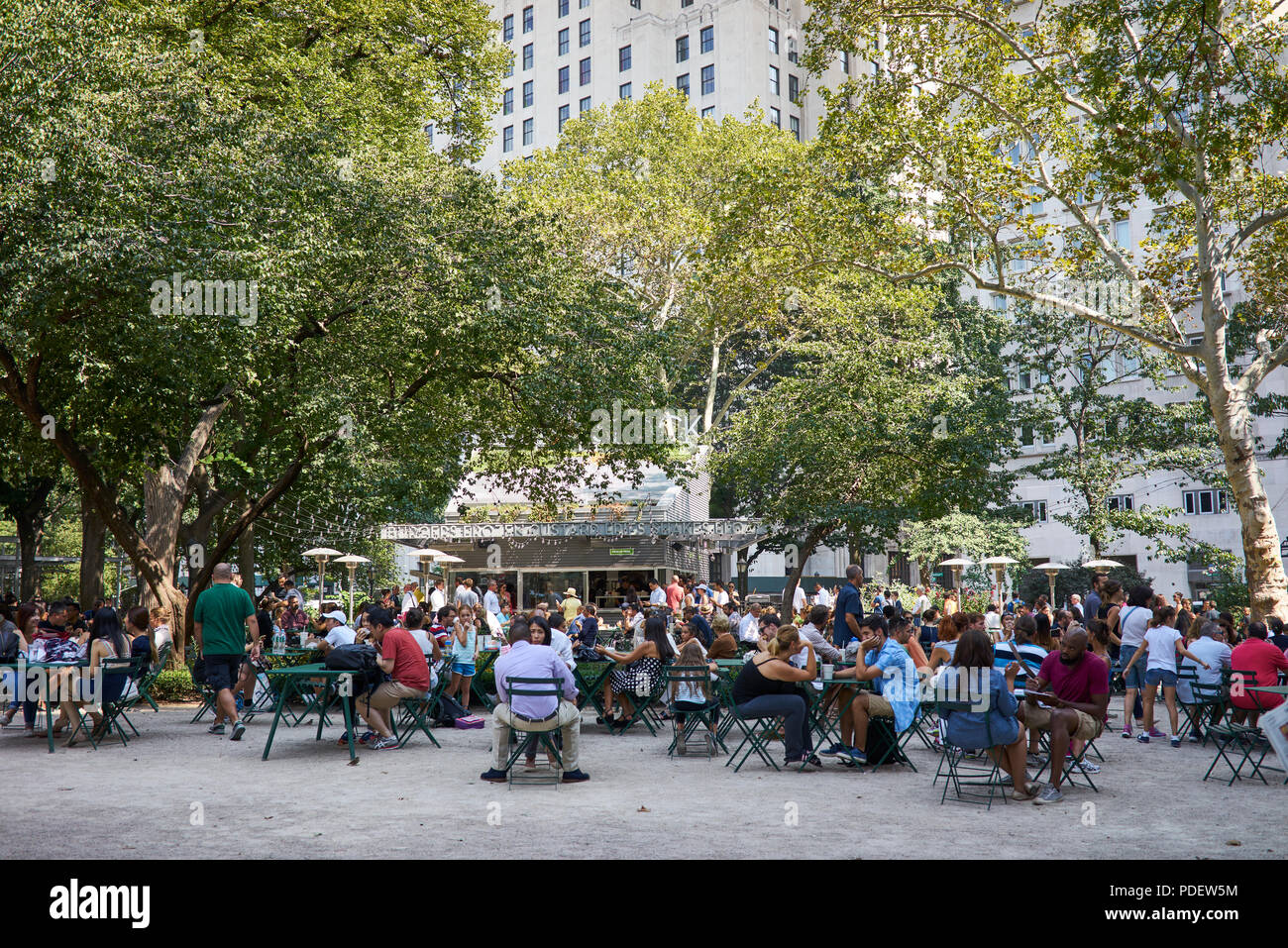
If you are visiting the original Shake Shack in 2026, the experience has evolved to blend classic nostalgia with modern efficiency. While the physical kiosk remains in its iconic spot at the southern end of the park, the way guests interact with it has changed to accommodate the massive crowds that still flock to the site.
Operating Hours, Menu Exclusives, and Tips for Visitors
The park location typically opens at 11:00 AM and stays busy until the park closes. While most Shake Shacks now offer mobile ordering and delivery, the Madison Square Park location still encourages the "stand in line" experience, though digital kiosks and mobile pickup windows have been integrated to reduce wait times.
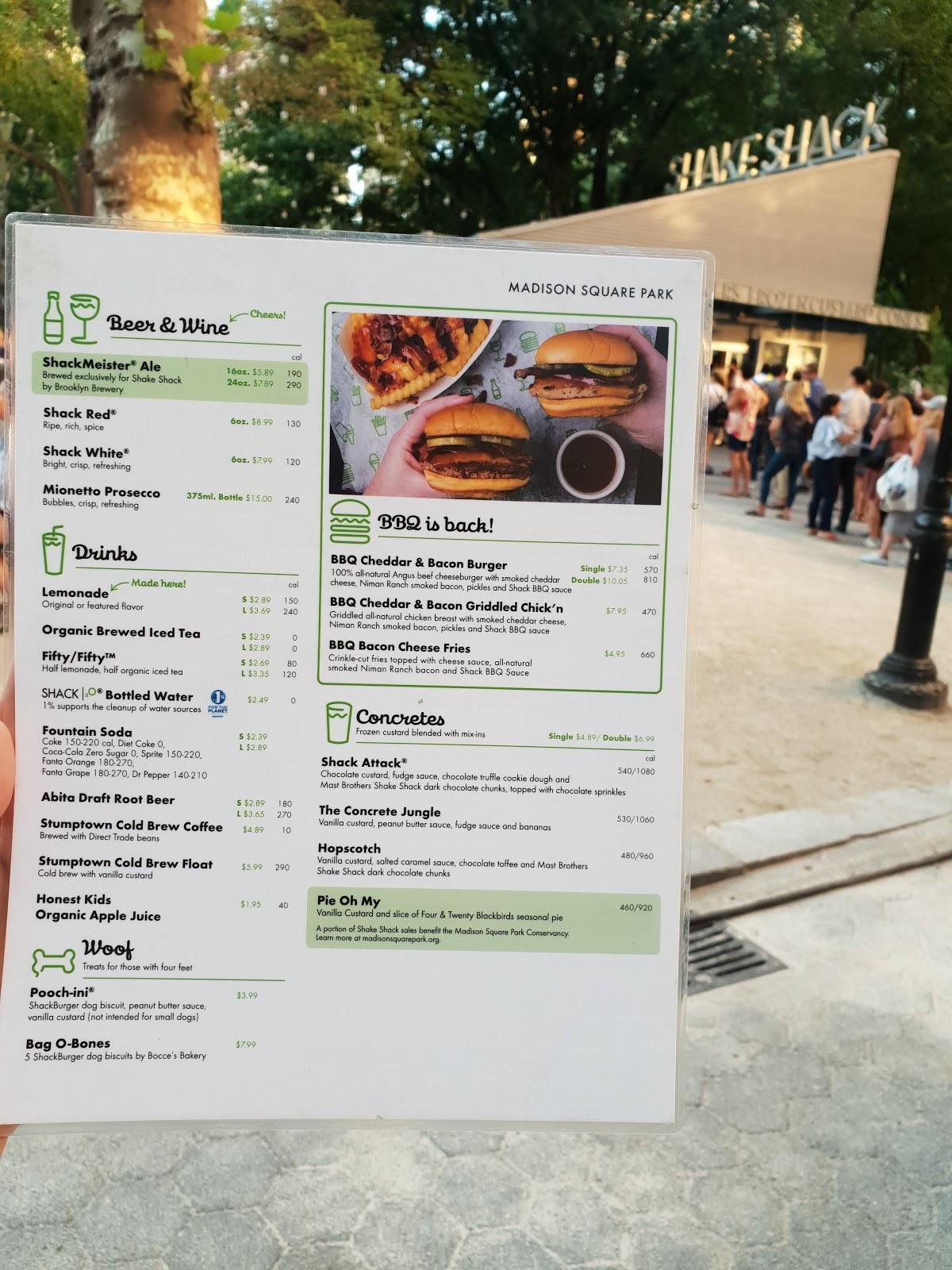
One unique aspect of the original location is its menu items that occasionally pay homage to the original 2001 hot dog cart. Limited-edition collaborations with local NYC chefs are also common here before they roll out to other locations.
| Feature | Original MSP Kiosk (2004/2026) | Standard Corporate Location |
|---|---|---|
| Seating | Outdoor park benches/Public space | Indoor dining room with climate control |
| Architecture | Custom site-specific green design | Standardized modern industrial aesthetic |
| Ordering | Walk-up window + Mobile Pickup | Counter service + Kiosks + Drive-thru (select) |
| Atmosphere | Community-focused, urban park vibe | High-efficiency retail environment |
| Menu | Flagship exclusives & test items | Standardized national menu |
The Impact on Urban Park Revitalization
The success of Shake Shack in Madison Square Park did more than just launch a burger brand; it provided a blueprint for how private-public partnerships can revitalize urban spaces. The revenue generated from the Shack’s lease significantly funds the Madison Square Park Conservancy’s maintenance and programming efforts.
This "concession model" has been replicated in cities across the globe. By placing high-quality, desirable amenities in public parks, cities can generate the funds necessary to keep those parks safe, clean, and beautiful. Shake Shack's origin story is as much a story about urban planning and community development as it is about food.
Frequently Asked Questions
When did the original Shake Shack open?
The original permanent kiosk opened in Madison Square Park in 2004. However, the concept began as a temporary hot dog cart that operated during the summers of 2001, 2002, and 2003 to support a public art project.
Who founded Shake Shack?
Shake Shack was founded by Danny Meyer, the CEO of Union Square Hospitality Group. Meyer is a renowned restaurateur who also founded iconic New York establishments such as Union Square Cafe and Gramercy Tavern.
Is the original Madison Square Park location still open?
Yes, as of 2026, the original location in Madison Square Park remains open and serves as the brand's flagship. It underwent a significant renovation in 2015 to modernize the kitchen equipment while preserving the original architectural design.
What was the first item sold at Shake Shack?
The very first item sold at the 2001 cart was a Chicago-style hot dog. Burgers and shakes were not added to the menu until the permanent kiosk was established in 2004.
Why is the Madison Square Park location so famous?
It is famous because it represents the birth of the "fine casual" dining movement. It transformed a neglected urban park into a global culinary destination and proved that high-quality food could be served in a fast-casual, outdoor setting.
Recommendation for Visitors
If you plan to visit the original Shake Shack in Madison Square Park, we recommend arriving between 2:00 PM and 4:30 PM on a weekday to avoid the heaviest lunch and dinner rushes. Utilize the official Shake Shack app to check for any park-exclusive items and consider pairing your meal with a walk through the park to view the rotating contemporary art installations—the very thing that brought the Shack into existence in the first place.
Image Gallery