Understanding the Illusion Devil Fruit in One Piece: Powers, Canon Status, and Mechanics
In the world of One Piece, there is no official, canon Paramecia Devil Fruit explicitly named the "Illusion-Illusion Fruit" (or Maboroshi Maboroshi no Mi). However, illusion-based powers exist through specific non-canon fruits—most not...
In the world of One Piece, there is no official, canon Paramecia Devil Fruit explicitly named the "Illusion-Illusion Fruit" (or Maboroshi Maboroshi no Mi). However, illusion-based powers exist through specific non-canon fruits—most notably Ann’s Biyo Biyo no Mi (Vision-Vision Fruit)—and canon abilities like Charlotte Brûlée’s Mira Mira no Mi and Catarina Devon’s Mythical Zoan powers.
Contents
Defining the "Illusion Devil Fruit" Concept in One Piece
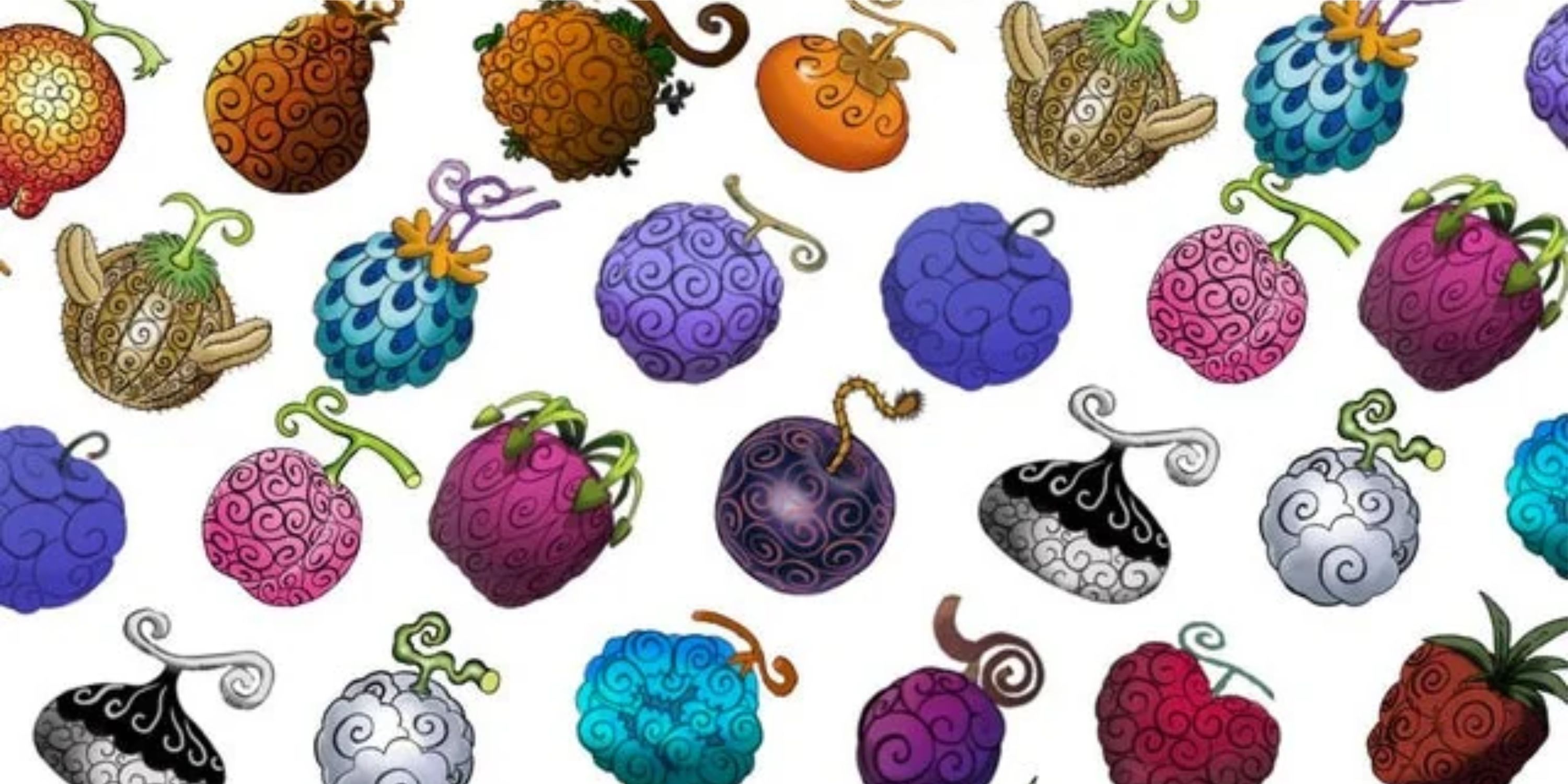
The phrase "Illusion Devil Fruit" typically causes confusion among One Piece fans because it refers to a cluster of distinct abilities rather than a single canonical fruit. Eiichiro Oda’s worldbuilding separates visual trickery into three distinct categories: movie-exclusive Paramecia fruits, canonical fruits that simulate illusions through mirrors or shapeshifting, and non-Devil Fruit techniques grounded in physics, martial arts, or hypnotic arts.
When fans discuss an Illusion Devil Fruit, they are almost always referencing the Biyo Biyo no Mi (often translated as the Vision-Vision Fruit or Illusion Fruit). This fruit debuted in special media and featured prominently in One Piece: Stampede (2019). However, because movie events take place outside the main manga continuity, understanding how illusion powers function requires separating official canon mechanics from theatrical side stories.
The Biyo Biyo no Mi: The Primary Illusion Fruit
The Biyo Biyo no Mi is a Paramecia-class Devil Fruit eaten by Ann, a character originally created for the Tokyo One Piece Tower live attraction who later appeared in the feature film One Piece: Stampede. It represents the purest execution of visual illusion generation shown in the franchise's animated media.
- Touch Image/Graphic
- Activate Biyo Biyo no Mi
- Project 3D Holographic Illusion
Operational Mechanics and Activation
The Biyo Biyo no Mi allows its user to create short-lived, three-dimensional visual manifestations of anything depicted in a picture, drawing, or photograph.
- Tactile Trigger: The user must physically touch a two-dimensional image or graphic representation of an object, creature, or person.
- Projection: Upon touching the image, the fruit projects a full-sized, realistic 3D replica into the physical environment.
- Behavioral Emulation: The illusion mimics the voice, movements, and characteristic aura of the original subject based on the image provided.
Capabilities and Strategic Utility
During the climax of One Piece: Stampede, Ann uses her fruit to touch a discarded wanted poster of Portgas D. Ace. She projects a full-scale illusion of Ace alongside Sabo, executing a joint fire attack (Karei) that disperses a wall of flames to clear an escape path for the Straw Hat Pirates.
While the illusion produced an intense visual display of Ace's Hiken (Fire Fist) technique, the fruit's manifestations are inherently intangible. The projected flames served as a visual screen and emotional catalyst rather than inflicting direct thermodynamic combustion damage on physical structures.
Structural Limitations of the Biyo Biyo no Mi
Despite its high tactical utility for deception, distraction, and psychological warfare, the Biyo Biyo no Mi possesses strict operational boundaries:
- Intangibility: The projections are light-based visual constructs. They cannot deliver physical attacks, block incoming weapons, or exert physical force against opponents.
- Dependency on Media: Ann cannot manifest an illusion out of pure imagination. She requires a physical medium, such as a paper drawing, photograph, or poster, to trigger the manifestation.
- Temporal Instability: The illusions fade quickly once the user breaks concentration or when the projection moves beyond the immediate operational radius of the user's power.
Canon Devil Fruits That Simulate Illusions
While a standalone "Illusion-Illusion Fruit" does not exist in canon manga chapters, several canonical Paramecia and Zoan fruits grant users the ability to create optical illusions, duplicates, or full structural disguises.
CANON ILLUSIONARY ABILITIES:
- Mira Mira no Mi (Charlotte Brûlée) - Reflection & Clone Illusions
- Inu Inu no Mi: Kyubi no Yoko (Catarina Devon) - Physical Transformation
- Mane Mane no Mi (Bentham / Bon Kurei) - Touch-Based Shapeshifting
1. Mira Mira no Mi (Mirror-Mirror Fruit)
Eaten by Charlotte Brûlée of the Big Mom Pirates, the Mira Mira no Mi is a Paramecia fruit that allows the user to manipulate mirrors and mirror reflections.
Brûlée demonstrates high-level illusionary capabilities during the Whole Cake Island Arc, specifically within the Seducing Woods:
- Reflection Clones: Brûlée can project the reflection of a target onto animals or other human beings, turning forest wildlife into exact visual and vocal duplicates of Luffy, Nami, or Chopper.
- Attack Reflection: She uses mirrors to capture incoming combat strikes and reflect them directly back at opponents, creating the illusion that the attacker is fighting their own shadow.
- Mirror World Access: She can step into a pocket dimension accessible through any glass or reflective surface in the surrounding environment.
2. Inu Inu no Mi, Model: Kyubi no Yoko (Nine-Tailed Fox)
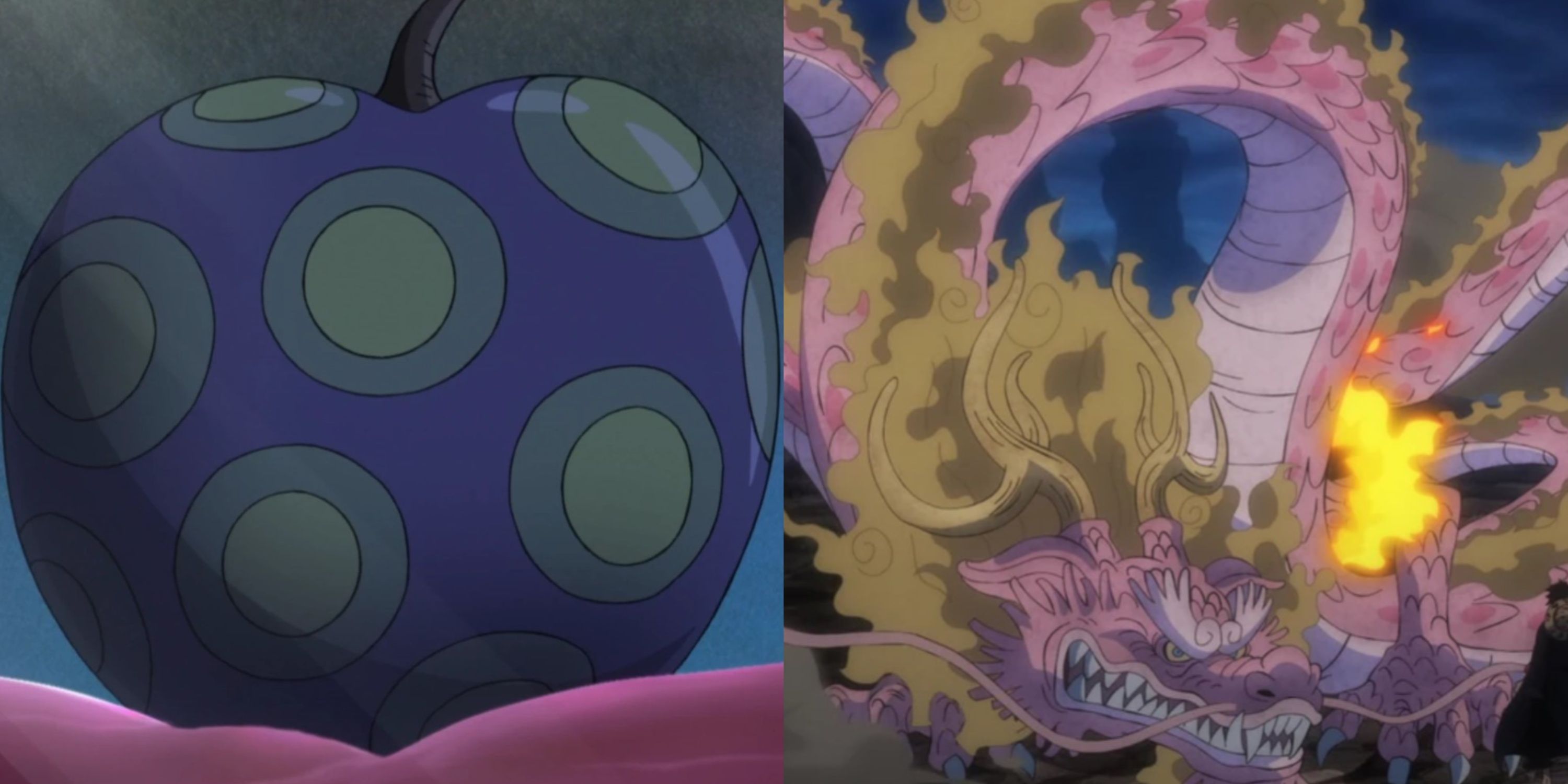
Eaten by Catarina Devon, commander of the Blackbeard Pirates' Sixth Ship, this Mythical Zoan fruit grants its user the legendary powers of the nine-tailed fox (Kitsune).
Unlike standard Zoan transformations that merely alter body scale and animal traits, the Kyubi no Yoko fruit grants flawless disguise and illusionary deception:
- Complete Physical Assimilation: Devon can transform into an identical double of another person, including their clothes, voice, and facial features.
- Tactical Infiltration: During the Pirate Island (Hachinosu) events, Devon impersonates Absalom to trick Gecko Moria, demonstrating that her illusion withstands close-range visual inspection.
3. Mane Mane no Mi (Clone-Clone Fruit)
Eaten by Bentham (Mr. 2 Bon Kurei) and previously by Kurozumi Higurashi, the Mane Mane no Mi grants perfect physical impersonation.
By touching an individual’s face with their right hand, the user memorizes that person's physical blueprint. Touching their own face with their left hand instantly transforms their body, voice, and appearance into the target. While technically physical shapeshifting rather than a visual projection, it functions as an absolute illusion for covert operations.
4. Fude Fude no Mi (Brush-Brush Fruit)
Eaten by Kurozumi Kanjuro, this Paramecia fruit allows its user to turn ink drawings into physical, living entities.
Unlike the intangible light projections of Ann's Biyo Biyo no Mi, Kanjuro's drawings possess physical substance. However, when combined with deception, Kanjuro can paint identical visual doubles of himself or others to trick enemies into striking fake targets while his true body remains hidden.
Comparing Illusion-Style Devil Fruits in One Piece
To evaluate how these fruits compare in combat, utility, and canon status, examine their structural differences across key parameters:
| Fruit Name | Class | Primary User | Canon Status | Illusion Mechanism | Tangibility / Physicality | Key Weakness |
|---|---|---|---|---|---|---|
| Biyo Biyo no Mi | Paramecia | Ann | Non-Canon (Stampede) | Projects 3D light constructs from 2D images | Completely Intangible | Requires physical artwork/poster medium |
| Mira Mira no Mi | Paramecia | Charlotte Brûlée | Canon (Manga) | Overlays mirror reflections onto living bodies | Tangible (affects host body) | Distorted or broken mirrors neutralize active domain |
| Inu Inu no Mi, Model: Kyubi no Yoko | Mythical Zoan | Catarina Devon | Canon (Manga) | Transforms user's body into target's identity | Fully Tangible | Physical damage can break disguise concentration |
| Mane Mane no Mi | Paramecia | Bentham (Bon Kurei) | Canon (Manga) | Replicates physical body structure of touched targets | Fully Tangible | User cannot utilize original strength during specific forms |
| Fude Fude no Mi | Paramecia | Kurozumi Kanjuro | Canon (Manga) | Animates ink drawings into physical entities | Semi-Tangible (Solidity depends on ink quality) | Dissolves rapidly upon contact with water |
Non-Devil Fruit Illusion Techniques in the Series
Illusion generation in One Piece is not limited to Devil Fruit users. Several major characters rely on environmental science, martial technique, or hypnotic rhythm to distort sensory perception.
Sensory distortion types:
- Nami: Atmospheric refraction (Mirage Tempo)
- Brook: Soul-based hypnotic music (Nemuri Uta)
- Miss Goldenweek: Psychological color traps (Realism Art)
- Jango: Hypnotic pendulum suggestion
Nami’s Mirage Tempo
Nami uses her meteorological knowledge and the Clima-Tact (and later the Smart Clima-Tact) to alter localized atmospheric temperature and air density:
- Refraction Mirage: By rapidly heating and cooling air currents, Nami distorts light rays passing through the field, creating giant visual illusions of herself or rendering her body completely invisible to the naked eye.
- Fata Morgana: Advanced iterations of this technique split her image into multiple distinct avatars—some tall, some short, some distorted—making it impossible for opponents without advanced Haki to pinpoint her true physical location.
Brook’s Soul Solid and Musical Hypnosis
As a master musician and user of the Yomi Yomi no Mi, Brook integrates soul energy into his violin and sword techniques:
- Soul Projections: Brook can detach his soul from his skeleton, allowing his spectral body to pass through solid walls as an intangible, green visual aura.
- Nemuri Uta Flanc (Lullaby Flanc): Brook plays sword-rhythm tunes that project auditory illusions, convincing targets they are entering a calm dreamscape before knocking them unconscious.
Miss Goldenweek’s Colors Trap
Marianne (Miss Goldenweek) does not possess a Devil Fruit power. Instead, she utilizes Colors Trap, a painter's technique that exerts psychological mind control through visual perception:
- Emotion Manipulation: By applying specific paint colors to an opponent’s clothes or skin, she induces severe emotional responses—such as extreme sadness, uncontrollable laughter, or absolute obedience.
- Visual Hypnosis: While not an optical hologram, Colors Trap distorts the target's perception of reality, forcing their body to react to painted suggestions as if they were physical laws.
Countering Illusion Powers: Haki and Tactical Vulnerabilities
In high-level combat within the New World, illusion abilities face severe counters from advanced martial capabilities and environmental conditions.
- Illusionary Target Visualized
- Observation Haki Activation
- Presence / Aura Detected
- No Heat / Soul Signal
- Illusion Identified & Bypassed
Observation Haki (Kenbunshoku Haki)
The single greatest counter to visual illusion Devil Fruits is Observation Haki:
- Presence Detection: Observation Haki senses the underlying life force, aura, and emotional intent of a living target rather than relying on visual light waves.
- Bypassing Holograms: An illusion created by the Biyo Biyo no Mi has no physical presence or aura. A trained Haki user, such as Fujitora or Sanji, immediately identifies the projection as empty space because it emits no life signature.
- Identifying Shapeshifters: While Catarina Devon or Bentham can visually copy an ally, high-level Observation Haki users can detect discrepancies in spiritual aura or emotional state, rendering physical disguises ineffective against masters of the technique.
Standard Devil Fruit Weaknesses
All illusion-based Devil Fruits remain subject to standard Grand Line environmental constraints:
- Seastone (Kairoseki): Direct physical contact with Seastone drains the user's stamina and instantly cancels active transformations, mirror domains, or holographic projections.
- Submersion in Water: Submerging an illusion user in standing water (such as the ocean or deep baths) neutralizes their ability to maintain active manifestations.
Tactical Guidance for Lore Analysts and Fan Creators
Understanding how Oda structures Devil Fruit concepts is crucial when analyzing lore debates or evaluating custom fan creations (fanon).
Distinguishing Official Mechanics from Fanon
- Name Conventions: Official Devil Fruits follow a strict two-syllable repetition pattern in Japanese (e.g., Biyo-Biyo, Mira-Mira, Mane-Mane). Generic fan terms like "The Illusion Fruit" often miss these linguistic roots.
- System Balance: Oda rarely designs fruits with absolute invulnerability. If a fruit creates optical illusions, it is typically balanced by requiring media touch (Ann), mirrors (Brûlée), or physical contact (Bentham).
- Intangibility vs. Solidity: True optical illusions (light constructs) cannot cause physical trauma in One Piece. Powers that deal real damage require material generation (such as Kanjuro's ink or Mr. 3's wax).
Frequently Asked Questions
Is the Illusion Devil Fruit canon in One Piece?
No. The specific "Illusion Fruit" (Biyo Biyo no Mi) used by Ann is a non-canon Paramecia introduced in Tokyo One Piece Tower and featured in One Piece: Stampede. No standalone fruit called the "Illusion-Illusion Fruit" exists in the main canon manga.
Can Observation Haki see through Devil Fruit illusions?
Yes. Observation Haki detects life energy, intent, and spiritual presence rather than light. Because projections like Ann's illusions possess no soul or physical aura, Observation Haki users can immediately identify them as hollow constructs.
Did Ann's Ace illusion deal real damage in One Piece: Stampede?
No. The flame projection created by Ann's Biyo Biyo no Mi during One Piece: Stampede was a visual and auditory illusion. It provided a visual barrier and smoke cover to facilitate an escape, but it did not inflict physical thermal damage on targets.
What is the difference between the Biyo Biyo no Mi and the Fude Fude no Mi?
The Biyo Biyo no Mi creates light-based 3D holographic illusions by touching pre-existing pictures or graphics. The Fude Fude no Mi (used by Kanjuro) uses physical ink to paint original drawings that manifest as tangible, physical objects capable of interacting with the physical world.
How does Nami create illusions without a Devil Fruit?
Nami creates illusions using atmospheric physics via her Clima-Tact. By manipulating heat, cold, and humidity, she alters air density, causing light rays to bend and refract. This creates optical mirages (Mirage Tempo) without consuming a Devil Fruit.
Final Summary and Next Actions
Understanding the concept of the Illusion Devil Fruit in One Piece requires distinguishing between non-canon media representations and canonical manga rules. While Ann's Biyo Biyo no Mi provides the most direct depiction of pure 3D visual projection, canon story arcs achieve illusionary outcomes through alternative Paramecia mechanisms (Charlotte Brûlée's Mira Mira no Mi) or Mythical Zoan transformations (Catarina Devon's Inu Inu no Mi, Model: Kyubi no Yoko).
For fans, lore researchers, and analysts evaluating illusion mechanics:
- Refer to official chapter releases for canon power interactions rather than anime-exclusive movie media.
- Remember that high-tier New World combatants rely on Observation Haki to negate optical trickery.
- Cross-reference character abilities against the official One Piece Magazine databooks for updated Devil Fruit classifications and taxonomy.
Image Gallery