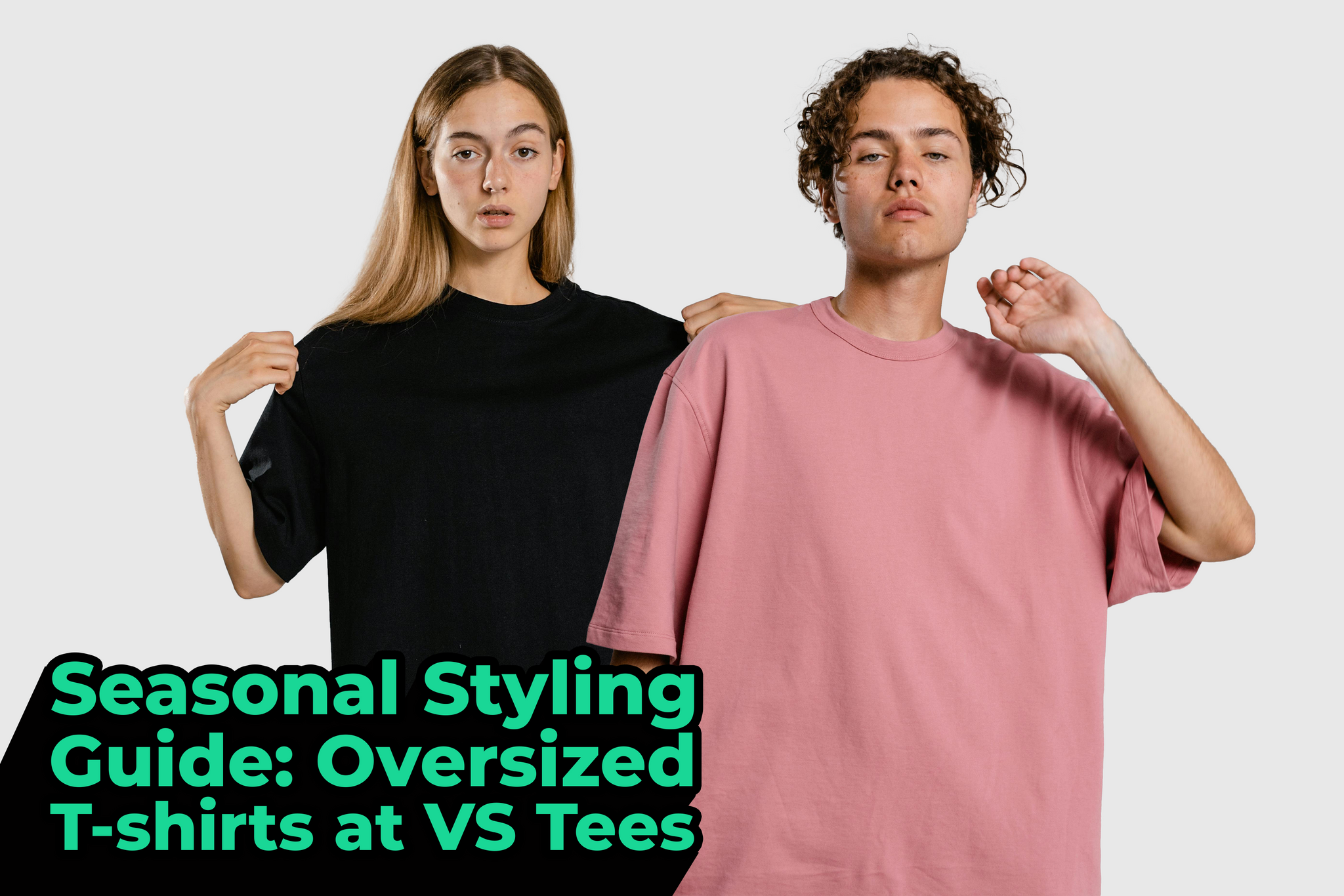
Mastering the Art of Styling a T-Shirt for Impact
Styling a T-shirt for impact requires a deliberate shift from viewing the garment as a passive base layer to treating it as a foundational design element. By balancing proportions, layering textures, and utilizing intentional color coo...
Styling a T-shirt for impact requires a deliberate shift from viewing the garment as a passive base layer to treating it as a foundational design element. By balancing proportions, layering textures, and utilizing intentional color coordination, you can elevate a standard T-shirt into a cohesive, high-impact aesthetic that anchors an entire outfit through deliberate sartorial choices.
Contents
The Foundation: Selecting the Right T-Shirt
Before considering stylistic flourishes, the garment itself must be evaluated for quality, fit, and material integrity. A T-shirt’s "impact" is fundamentally determined by its structural composition, which dictates how it drapes against the body and interacts with secondary layers.
Fabric Composition and Weight
The weight of the fabric—measured in GSM (grams per square meter)—is a primary indicator of how the garment will perform.
- Lightweight (120–150 GSM): Best for layering under blazers or thick knits. These fabrics drape closely to the body but lack the structure to stand alone if the goal is a sharp, architectural look.
- Mid-weight (160–190 GSM): The industry standard for versatility. It provides enough opacity to be worn alone while maintaining sufficient pliability for tucking.
- Heavyweight (200+ GSM): Ideal for achieving a boxy, structured silhouette. These shirts maintain their shape regardless of movement and provide a more "dressed-up" appearance due to the dense, matte finish of the fabric.
Silhouette and Cut
The silhouette is the most visible aspect of your styling. For impact, avoid the extremes of excessive bagginess or restrictive tightness. A "relaxed fit" with dropped shoulders offers a contemporary, intentional look, whereas a "slim fit" is generally reserved for situations where the T-shirt is strictly an undergarment. Ensure the collar—be it crew, V-neck, or mock-neck—is free of fraying or uneven stretching, as the neckline serves as the focal point of the upper torso.
Principles of Layering for Visual Depth
Layering is the most effective technique for transforming a basic outfit into a high-impact ensemble. The objective is to create a hierarchy of visual interest, where the T-shirt serves as the bridge between textures.
Contrast in Texture
When pairing a cotton T-shirt with a jacket, contrast is essential. A crisp, plain cotton T-shirt provides a soft visual break against tougher, more tactile fabrics like leather, suede, or heavy-weight denim. The interplay between the smooth surface of the T-shirt and the coarse or complex weave of a jacket creates a sophisticated, multi-dimensional aesthetic.
Proportional Balance
The "rule of thirds" is a useful guideline for impact. If your T-shirt is tucked in, you create a clear division that highlights the waist. If worn untucked, ensure the hem hits no lower than the mid-fly of your trousers. A common mistake is allowing the T-shirt hem to interfere with the break of the pants, which disrupts the silhouette and diminishes the "impact" of the outfit’s proportions.
Color Theory and Palette Management
A T-shirt’s color can either ground an outfit or make it appear disjointed. To achieve impact, consider the following strategies:
- Monochromatic Intensity: Wearing a T-shirt in the same color family as your trousers—but in a different shade or texture—creates a sleek, elongating effect. This is a hallmark of minimalist high-fashion styling.
- High Contrast: Utilizing a stark white T-shirt under a charcoal or navy blazer is a timeless, high-impact combination. It provides a visual anchor that clarifies the rest of the outfit.
- Tonal Coordination: If your secondary pieces have patterns or complex textures, opt for a neutral-colored T-shirt (white, cream, black, or navy) to ensure the outfit remains balanced rather than chaotic.
Comparison Table: Styling Approaches for Different Contexts
| Context | T-Shirt Selection | Recommended Pairing | Primary Goal |
|---|---|---|---|
| Professional | High-GSM, solid color | Unstructured blazer, tailored trousers | Sophisticated minimalism |
| Casual/Street | Heavyweight, boxy cut | Raw denim, leather jacket | Structural volume |
| Social/Evening | Mid-weight, dark tones | Slim-fit chinos, Chelsea boots | Polished, sleek aesthetic |
| Active/Summer | Breathable cotton blend | Tailored shorts, minimalist sneakers | Clean, functional lines |
Execution: The "Tuck" and Finishing Details
The difference between a "thrown together" look and an "impactful" look often lies in small, technical adjustments.
- The French Tuck: For a slightly polished yet relaxed appearance, tuck only the front portion of the T-shirt into your trousers. This defines the waist while keeping the silhouette relaxed.
- Sleeve Management: If the sleeves of your T-shirt are too long or wide, a small, clean single-roll can sharpen the lines of your arms. Avoid bulky double-rolls, which can look messy.
- Footwear Alignment: A high-impact T-shirt outfit is often finished by the shoes. Ensure the formality of your footwear complements the garment. A structured T-shirt can support a refined leather sneaker or a boot, whereas a thin, undershirt-style T-shirt often struggles to hold its own against anything other than very casual canvas shoes.
Common Mistakes to Avoid
- The "Undershirt" Syndrome: Never wear a thin, translucent T-shirt as a standalone top. If the fabric is thin enough to show the outline of your skin or undergarments, it is an underlayer, not a fashion statement.
- Ignoring Collar Health: A stretched-out or "bacon-neck" collar instantly devalues an outfit. If the collar has lost its elasticity, the garment can no longer provide a crisp, intentional look.
- Over-Accessorizing: Because the T-shirt is a minimalist piece, it can be easily overwhelmed by excessive jewelry or busy accessories. Choose one or two high-quality focal points—such as a clean watch or a simple chain—to avoid diluting the impact of the silhouette.
Frequently Asked Questions
How do I keep my white T-shirt looking crisp for longer? To maintain a high-impact white T-shirt, avoid washing it with colored garments, which causes graying over time. Use a cool-to-lukewarm water setting and hang-dry whenever possible; the high heat of a machine dryer breaks down fibers and leads to the "pilling" that makes a shirt look worn out.
Is it ever appropriate to wear a graphic T-shirt for impact? Yes, provided the graphic is intentional. A high-impact graphic T-shirt should feature clean typography or high-contrast, minimalist art. Avoid busy, low-resolution prints, as they distract from the overall outfit structure rather than enhancing it.
How does the mock-neck T-shirt differ from the standard crew neck? The mock-neck offers a more formal, architectural silhouette. It sits higher on the neck, which elongates the frame and provides a more sophisticated look when paired with blazers or leather jackets, making it a powerful tool for elevating a standard T-shirt aesthetic.
What is the best way to handle a T-shirt that is too long? While tailoring is an option, it is often more cost-effective to swap the garment for a "cropped" or "boxy" fit that is designed to hit at the belt line. If you must wear a long shirt, ensure it is tucked in securely; a poorly executed tuck that comes undone ruins the lines of the entire outfit.
Does material blend matter as much as 100% cotton? It depends on your goal. 100% cotton offers the best breathability and structure for classic looks. However, a small percentage of elastane (usually 2–5%) can help a T-shirt retain its shape and "recovery" (the ability to spring back after being stretched), which is useful for maintaining a tailored silhouette throughout the day.
Next Actions
To refine your personal style for impact, audit your current collection. Remove any T-shirts that no longer hold their shape or feature visible wear on the collar. Invest in one or two high-quality, heavyweight cotton shirts in neutral tones to act as the baseline for your wardrobe. By prioritizing the structural integrity of these core pieces, you establish a reliable foundation for all future outfit construction.
Image Gallery