Understanding The Grey Lady in Harry Potter: A Comprehensive Guide to Helena Ravenclaw
The Grey Lady, known in life as Helena Ravenclaw, serves as a pivotal, albeit elusive, figure within the Harry Potter series. As the daughter of Hogwarts founder Rowena Ravenclaw and the resident ghost of Ravenclaw Tower, her tragic hi...
The Grey Lady, known in life as Helena Ravenclaw, serves as a pivotal, albeit elusive, figure within the Harry Potter series. As the daughter of Hogwarts founder Rowena Ravenclaw and the resident ghost of Ravenclaw Tower, her tragic history and role in safeguarding her mother's diadem make her essential to the eventual destruction of Lord Voldemort’s Horcruxes.
Contents
The Origins of Helena Ravenclaw
Helena Ravenclaw was the daughter of Rowena Ravenclaw, one of the four legendary founders of Hogwarts School of Witchcraft and Wizardry. Growing up in the shadow of her mother’s immense intellect and status, Helena developed a profound sense of inadequacy. This jealousy drove her to commit an act that would define her existence for the next millennium: the theft of the fabled Diadem of Ravenclaw.
The diadem was said to grant wisdom to the wearer. Helena, desperate to prove her own intelligence surpassed that of her mother, absconded with the artifact, fleeing to Albania. Her choice of destination was not accidental; she sought to escape the reach of her mother, who was initially so mortified by her daughter’s betrayal that she concealed the theft from the other founders, claiming the object was simply missing.
The Tragic Fate and Becoming the Grey Lady
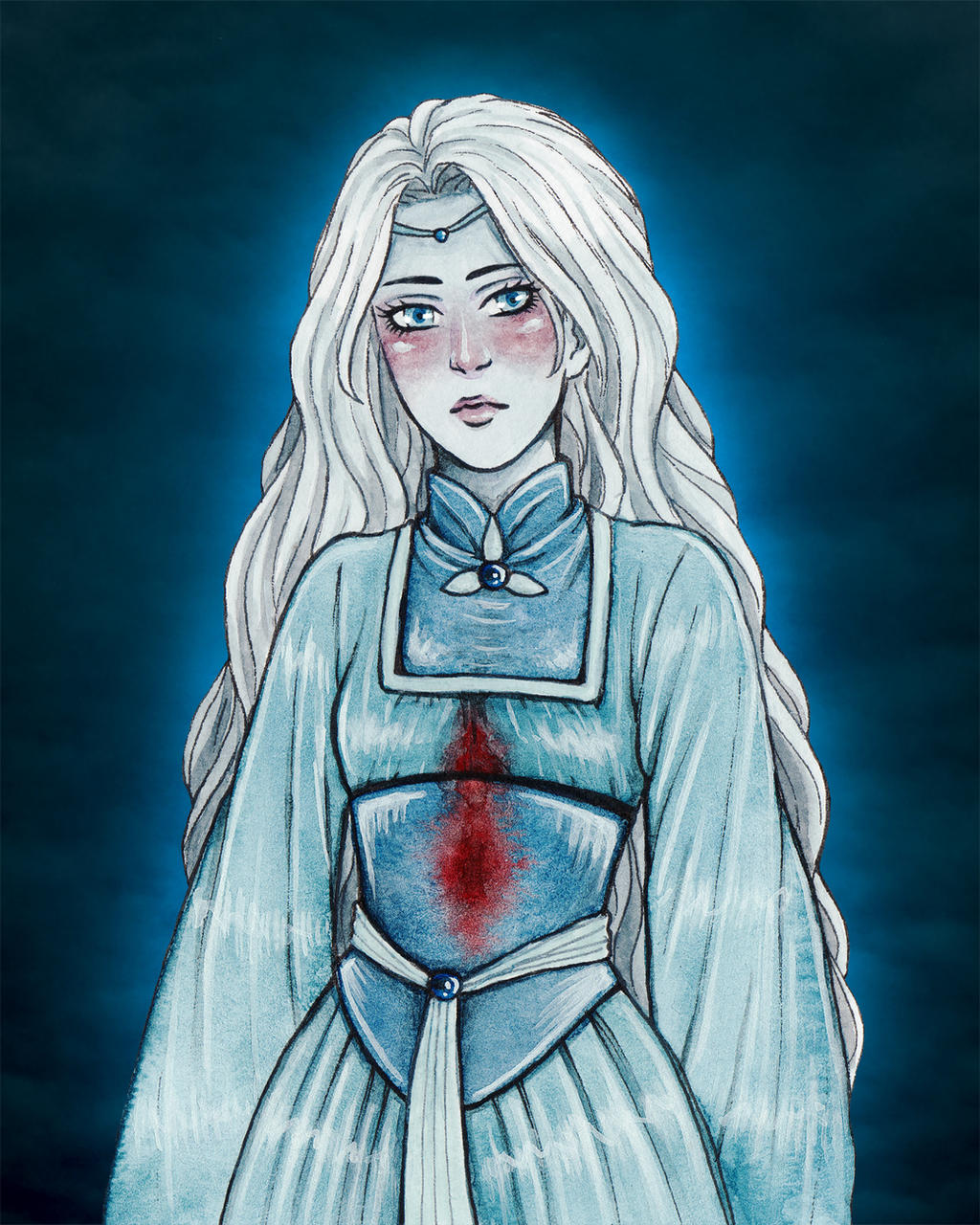
Rowena Ravenclaw, sensing her own end approaching, wished to see her daughter one last time. She dispatched the Bloody Baron—a man known for his volatile temper and unrequited obsession with Helena—to retrieve her. When the Baron located Helena in an Albanian forest, she refused to return with him. In a fit of rage and grief, the Baron murdered Helena, stabbing her through the heart.
Realizing the gravity of his crime, the Baron committed suicide shortly thereafter. Helena returned to Hogwarts as the ghost of Ravenclaw House, forever wandering the corridors in a state of quiet mourning. She became known as the Grey Lady, a title that obfuscated her true identity to all but the most observant students and staff, eventually becoming an iconic, if melancholy, fixture of the castle.
The Connection to Tom Riddle and the Horcruxes
The Grey Lady’s significance increases dramatically in Harry Potter and the Deathly Hallows. As a ghost, she possesses knowledge that bridges the gap between the founders' era and the modern wizarding world. Tom Riddle, during his time at Hogwarts, became enamored with the history of the school’s founders. By manipulating the lonely, centuries-old ghost, he extracted the location of the lost diadem.
Riddle exploited Helena’s vulnerability, acting as an interested student to gain her trust. Once he learned where she had hidden the diadem in the Albanian forest, he retrieved it, desecrated it, and turned it into his sixth Horcrux. This revelation is crucial to the narrative; it explains how Harry Potter and his allies were able to locate the final piece of Voldemort's soul hidden within the Room of Requirement.
Comparative Overview of Hogwarts House Ghosts
To better understand the role of the Grey Lady within the magical community of Hogwarts, it is helpful to compare her to the other house ghosts. Each ghost reflects the ethos and the ultimate fate of their respective founders or the house values.
| House | Ghost Name | Connection to House | Status in Lore |
|---|---|---|---|
| Ravenclaw | The Grey Lady | Daughter of Rowena | Keeper of the hidden diadem |
| Slytherin | The Bloody Baron | Haunted by his murder of Helena | Represents the house's dark history |
| Gryffindor | Nearly Headless Nick | Courtier to Henry VII | Represents house pride and chivalry |
| Hufflepuff | The Fat Friar | Executed for curing pox | Represents tolerance and forgiveness |
The Grey Lady occupies a unique position in this hierarchy. While the other ghosts are often comedic or purely representative of their house, the Grey Lady is intrinsically tied to the central mystery of the plot, functioning as a primary witness to the corruption of a founder’s legacy.
The Psychological Burden of the Ghostly Existence
The state of being a ghost in the wizarding world is described as a "feeble imitation" of life. For the Grey Lady, this state is arguably a form of eternal penance. Having spent centuries in isolation, her personality is defined by her original sin: the theft of the diadem. Her reluctance to share information with Harry Potter—even when it becomes clear that the diadem is facilitating evil—stems from her deep-seated shame and her desire to keep her past mistakes buried.
Her eventual decision to reveal the truth to Harry represents a moment of personal catharsis. By assisting in the destruction of the Horcrux that used her mother’s creation, she effectively helps destroy the artifact she once coveted, finally allowing her to break the cycle of secrecy that had defined her afterlife.
Frequently Asked Questions
Why did the Grey Lady hide the location of the Diadem for so long?
She hid the location because she was deeply ashamed of her theft. Admitting where the diadem was meant confessing to the act of stealing from her mother, which she viewed as a betrayal of her own identity and her mother's trust.
Did the Bloody Baron have a specific reason for killing her?
The Baron’s motivations were rooted in possessive obsession and rejection. When Helena refused to return to Hogwarts with him, he was overcome by a volatile emotional response, leading him to strike her down in a moment of violent instability.
How was Tom Riddle able to trick the Grey Lady?
Tom Riddle possessed a unique ability to charm those around him, especially authority figures or those who felt overlooked. By playing the part of a curious, respectful, and sympathetic student, he exploited her long-standing isolation and loneliness to make her feel valued.
Why is the Grey Lady considered a key ally to Harry Potter?
Without her testimony, Harry would not have known that the diadem was a Horcrux. Her willingness to trust Harry, despite her history of guarding her secrets, provides the essential intel required to complete his mission.
Is the Grey Lady ever referred to by her real name in the books?
The name Helena Ravenclaw is revealed late in the series, specifically during the dialogue between Harry and the ghost in the Ravenclaw common room. For the majority of the series, she is only identified by her moniker.
Practical Next Steps for Enthusiasts
If you are researching the lore surrounding Hogwarts ghosts, the best primary source is the text of Harry Potter and the Deathly Hallows, particularly the chapters involving the Room of Requirement and the interaction in the Ravenclaw common room. For those interested in the artistic interpretation of the character, the film adaptations provide a visual representation of her ethereal nature, highlighting the sorrowful performance that captures her centuries of regret. To deepen your understanding, consider mapping the timelines of the founders against the known history of the castle, which helps clarify why certain artifacts became so elusive to later generations.
Image Gallery