Did Michael Jackson Have Vitiligo? Medical Truths and Autopsy Findings
Michael Jackson did have vitiligo, a chronic autoimmune condition that causes the skin to lose its pigment. His diagnosis was first confirmed by his dermatologist in the 1980s, publicly disclosed by Jackson during a 1993 interview with...
Michael Jackson did have vitiligo, a chronic autoimmune condition that causes the skin to lose its pigment. His diagnosis was first confirmed by his dermatologist in the 1980s, publicly disclosed by Jackson during a 1993 interview with Oprah Winfrey, and definitively verified by his 2009 autopsy report.
Contents
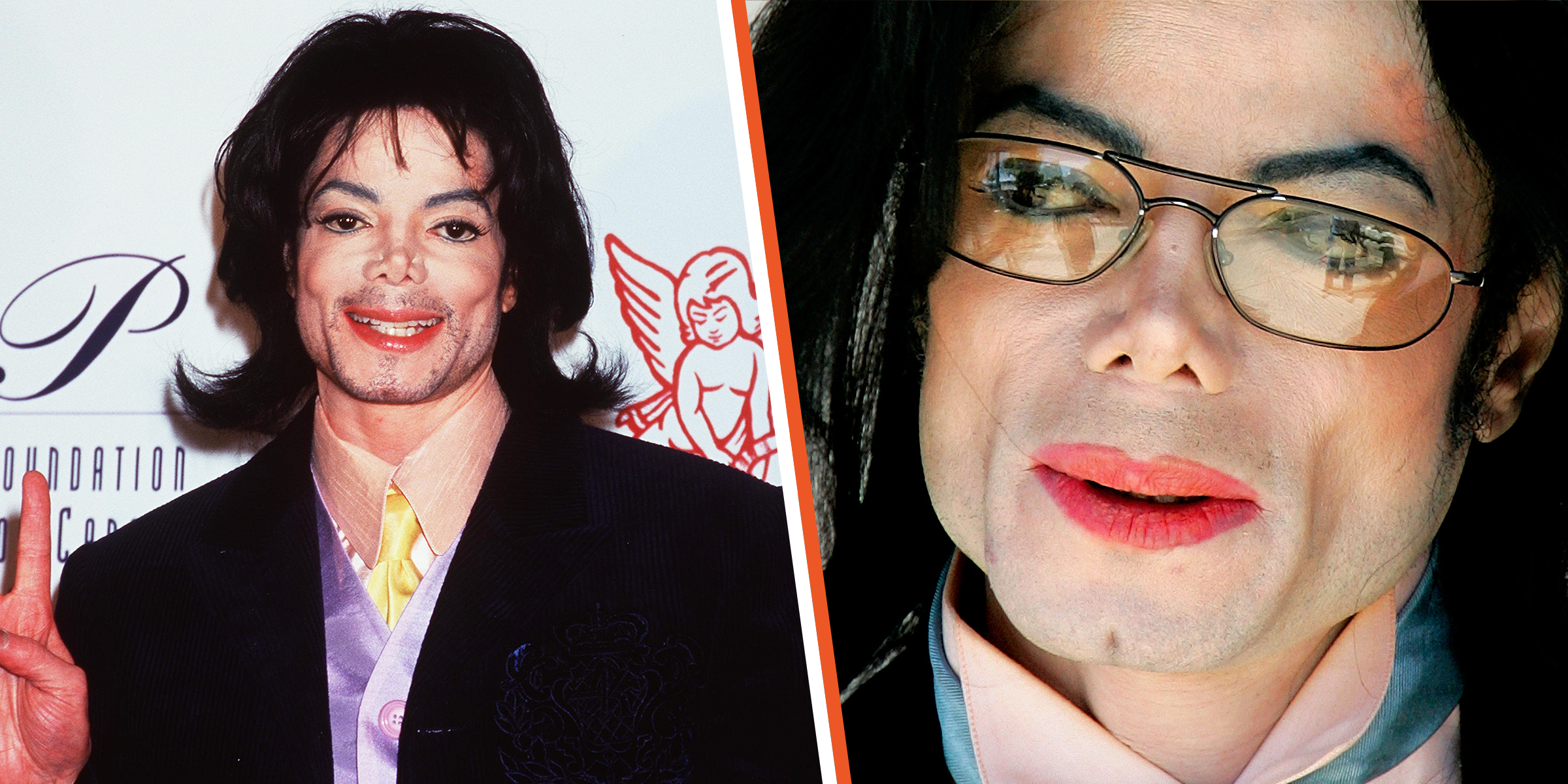
For decades, the changing appearance of Michael Jackson was a central theme of tabloid speculation and cultural debate. While many observers theorized that the "King of Pop" was intentionally bleaching his skin to distance himself from his African American heritage, the medical reality was far more complex. As of 2026, looking back at the established medical records and forensic evidence, the consensus remains clear: Jackson suffered from a severe case of vitiligo alongside other autoimmune challenges.
Understanding Vitiligo: The Science of Depigmentation
Vitiligo is an autoimmune disorder in which the body’s immune system attacks and destroys melanocytes, the cells responsible for producing skin pigment (melanin). When these cells die or stop functioning, patches of skin become milky white. The condition is unpredictable; for some, it remains localized, while for others, it spreads across the majority of the body.
The condition is not life-threatening or contagious, but the psychosocial impact is often profound, particularly for individuals with darker skin tones where the contrast is most visible. There are two primary types of vitiligo:
- Non-segmental vitiligo: The most common type, appearing in symmetrical patches on both sides of the body.
- Segmental vitiligo: Less common, appearing on only one segment or side of the body.
In Michael Jackson’s case, he suffered from a form that eventually became vitiligo universalis, which involves the loss of pigment over nearly the entire body.
The Timeline of Michael Jackson's Changing Appearance
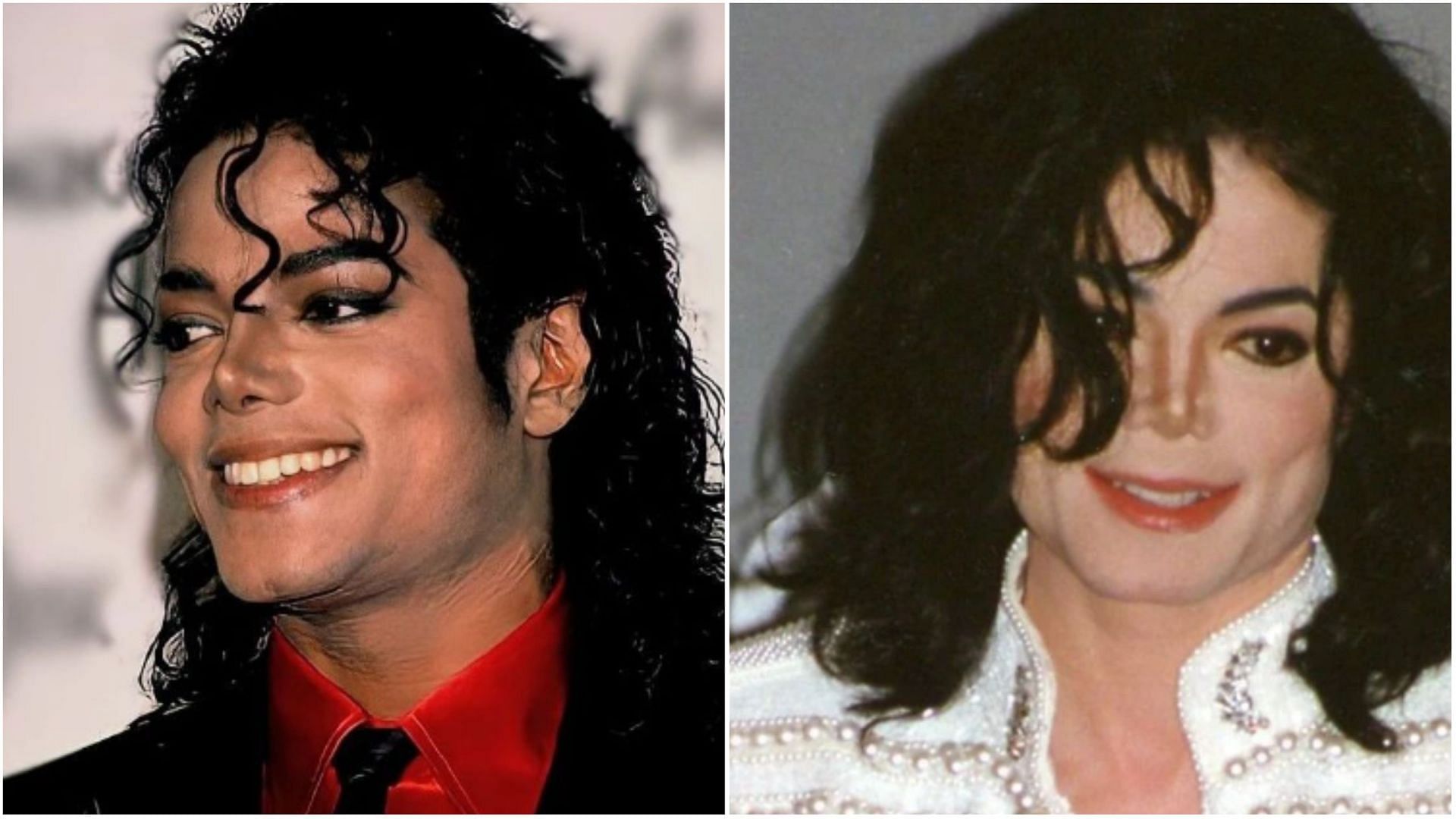
The evolution of Jackson’s skin tone did not happen overnight. It was a progressive change that began in the late 1970s and became increasingly difficult to manage by the mid-1980s.
The Early Signs and the Use of Cover-up
During the Off the Wall era (1979), Jackson’s skin tone appeared consistent with his heritage. However, by the Thriller era (1982), those close to him noticed small white patches appearing on his hands and face. To manage these early symptoms, Jackson used dark-colored "pancake" makeup to cover the white spots and match them to his natural skin tone.
As the condition progressed, the ratio of white patches to pigmented skin shifted. By the late 1980s, particularly during the Bad world tour, it became more efficient to use light-colored makeup to even out the remaining dark spots rather than trying to cover the growing white areas with dark makeup.
The Iconic Glove as a Medical Tool
One of the most famous fashion statements in history—the single sequined glove—was initially a functional accessory. According to Jackson’s long-time friend and actress Cicely Tyson, the glove was originally used to cover the early onset of vitiligo on his hand. What began as a way to hide a medical condition eventually evolved into a global fashion phenomenon.
The 1993 Oprah Winfrey Interview: A Public Revelation
For years, Jackson remained silent about his changing appearance, which allowed rumors of cosmetic "skin bleaching" to flourish. On February 10, 1993, during a live televised interview with Oprah Winfrey, Jackson addressed the rumors directly.
"I have a skin disorder that destroys the pigmentation of the skin. It is something I cannot help," Jackson stated. He expressed pain at the public's perception that he was trying to change his race, explaining that the condition ran in his family (his father's side). He emphasized that he was using makeup to even out the blotchiness caused by the disease.
This interview was a pivotal moment in pop culture history, though skepticism remained in the media until the finality of medical evidence was presented years later.
Definitive Evidence: The 2009 Autopsy Report
Following Michael Jackson's death on June 25, 2009, the Los Angeles County Coroner performed a thorough autopsy. The report, conducted by Deputy Medical Examiner Dr. Christopher Rogers, provided the most definitive scientific evidence regarding Jackson's health.
The autopsy report explicitly confirmed the presence of vitiligo. Dr. Rogers noted "patches of light and dark areas" on Jackson’s skin during the examination. Specifically, the report mentioned depigmented skin on his face, chest, abdomen, and arms. Microscopic examination of the skin samples confirmed a lack of melanocytes, which is the clinical hallmark of vitiligo.
This forensic evidence effectively ended the decades-long debate. The autopsy proved that Jackson was not "bleaching" for cosmetic preference but was managing a diagnosed medical condition.
Monobenzone and the Depigmentation Process
A major source of confusion regarding Jackson’s skin was the use of "bleaching creams." In a medical context, when vitiligo covers more than 50% of the body, a treatment called depigmentation is often recommended.
The primary medication used for this is Benoquin (monobenzone ethyl ether). Unlike standard cosmetic skin lighteners that slightly brighten the skin, monobenzone is a potent pharmaceutical agent that permanently destroys the remaining melanocytes. The goal is to create a uniform, stark-white skin tone to eliminate the "cow-spotted" appearance that can cause significant emotional distress.
Jackson’s autopsy revealed that tubes of Benoquin and hydroquinone were found in his home. His use of these substances was consistent with the standard medical treatment for universal vitiligo, intended to create a singular, albeit very pale, skin tone.
The Connection Between Vitiligo and Lupus
Michael Jackson did not only suffer from vitiligo; he was also diagnosed with Discoid Lupus Erythematosus (DLE). Lupus is another autoimmune disease that can affect the skin, often causing rashes and permanent scarring.
Jackson’s lupus primarily affected his scalp and face. This condition was exacerbated by the severe second and third-degree burns he suffered during the filming of a Pepsi commercial in 1984. The combination of lupus and the subsequent surgeries to repair his scalp led to further skin sensitivity and hair loss, which contributed to his frequent use of wigs and heavy umbrellas to shield himself from the sun.
Both vitiligo and lupus are characterized by the immune system attacking the body’s own tissues. People with one autoimmune disorder are statistically more likely to develop another.
How Vitiligo Influenced Jackson’s Lifestyle and Style
The progression of vitiligo dictated much of Michael Jackson’s public persona and lifestyle choices in his later years:
- Sun Protection: People with vitiligo have no natural protection against UV rays in the affected areas. This explains Jackson’s constant use of umbrellas (parasols), wide-brimmed hats, and long sleeves, even in hot weather.
- Heavy Makeup: Even after depigmentation, Jackson used makeup to ensure a perfectly uniform appearance, as the remaining patches of pigment can be stubborn and uneven.
- Privacy: The unpredictable nature of the disease often led Jackson to withdraw from public life during "flare-ups" or periods when the depigmentation was particularly blotchy.
Comparing Vitiligo Myths vs. Medical Realities
The following table summarizes the common misconceptions regarding Michael Jackson's skin versus the verified medical facts documented up to 2026.
| Feature | Common Myth | Medical Reality (Verified) |
|---|---|---|
| Primary Cause | Cosmetic surgery/Self-hatred | Autoimmune disease (Vitiligo) |
| Bleaching Intent | To look "white" or European | To unify skin tone due to blotchiness |
| The Single Glove | A random fashion choice | Originally used to hide hand vitiligo |
| Sun Sensitivity | Pretentious behavior | Medical necessity (lack of melanin) |
| Autopsy Findings | Evidence of "bleaching" | Confirmed lack of melanocytes (Vitiligo) |
| Lupus Connection | Fake illness for sympathy | Confirmed Discoid Lupus Erythematosus |
Psychosocial Impact and Public Perception
The tragedy of Michael Jackson's medical journey was the intersection of a rare, disfiguring disease with global superstardom. In the 1980s and 90s, public awareness of vitiligo was extremely low. Consequently, Jackson's changing appearance was interpreted through the lens of racial identity and plastic surgery.
For a Black man who was a symbol of "Black is Beautiful" during his youth, the loss of skin pigment was viewed by many as a betrayal. However, dermatologists and vitiligo advocates have since used Jackson's case to educate the public on the devastating emotional effects of the disease. The stress of maintaining a public image while your physical identity literally fades away is a burden few can comprehend.
Frequently Asked Questions
Did Michael Jackson have a skin transplant?
No. There is no such medical procedure as a "skin transplant" to change one's entire body color. Jackson used topical treatments (monobenzone) to depigment his skin and makeup to mask the uneven patches.
Was Michael Jackson’s vitiligo hereditary?
Vitiligo often has a genetic component. Jackson stated in his 1993 interview that the condition ran on his father’s side of the family. While not everyone with the gene develops the condition, environmental triggers can activate it.
Why did he only start looking "white" in the mid-80s?
Vitiligo is a progressive disease. In the early 80s, he could still cover the white patches with dark makeup. Once the white patches covered the majority of his body, it became easier to "even out" the skin by depigmenting the remaining dark spots.
Could his vitiligo have been cured?
As of 2026, there is no permanent cure for vitiligo, though various treatments like light therapy (PUVA) and topical corticosteroids can help some patients regain some pigment. For universal vitiligo like Jackson’s, permanent depigmentation is often the only practical solution.
Did the Pepsi fire cause his vitiligo?
While the 1984 fire did not "cause" vitiligo (which is autoimmune), physical trauma to the skin—known as the Koebner phenomenon—can trigger or worsen vitiligo in individuals already predisposed to the condition. The stress of the accident and subsequent surgeries may have accelerated its progression.
Practical Recommendation for Those Seeking Information
When researching historical medical cases like Michael Jackson’s, it is essential to prioritize peer-reviewed forensic documents and statements from licensed medical professionals over tabloid reports. For those suffering from similar symptoms, consulting a board-certified dermatologist is the first step. Modern treatments for vitiligo have advanced significantly since the 1990s, offering more options for repigmentation than were available during Jackson's lifetime.
Understanding that vitiligo is a medical condition—not a cosmetic choice—is vital for fostering empathy for those living with the disease today.
Image Gallery