What is Team Building Skills? A Comprehensive Guide for 2026 Leaders
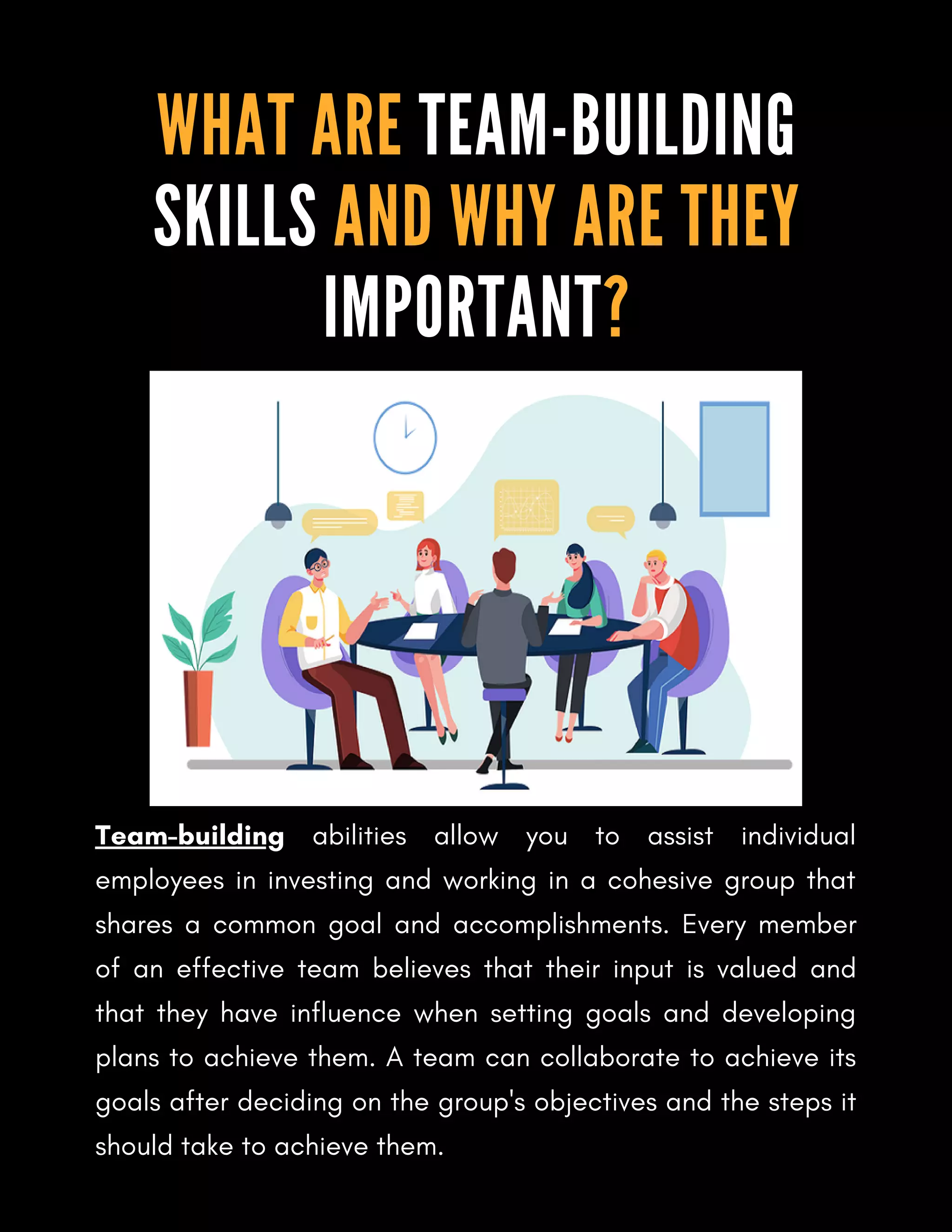
Team building skills are a diverse set of interpersonal and strategic competencies that enable individuals to organize, motivate, and harmonize a group of people to achieve a common objective. These skills include active listening, con...
Team building skills are a diverse set of interpersonal and strategic competencies that enable individuals to organize, motivate, and harmonize a group of people to achieve a common objective. These skills include active listening, conflict resolution, delegation, and the cultivation of psychological safety to improve collective productivity and morale.
Contents
Defining Team Building Skills in the Modern Workplace
In 2026, the definition of team building skills has moved beyond the traditional "icebreaker" exercises once common in corporate retreats. Today, these skills represent a sophisticated blend of emotional intelligence (EQ), technical orchestration, and cultural stewardship. They are the "connective tissue" of an organization, ensuring that individual talents are not just added together, but multiplied through effective collaboration.
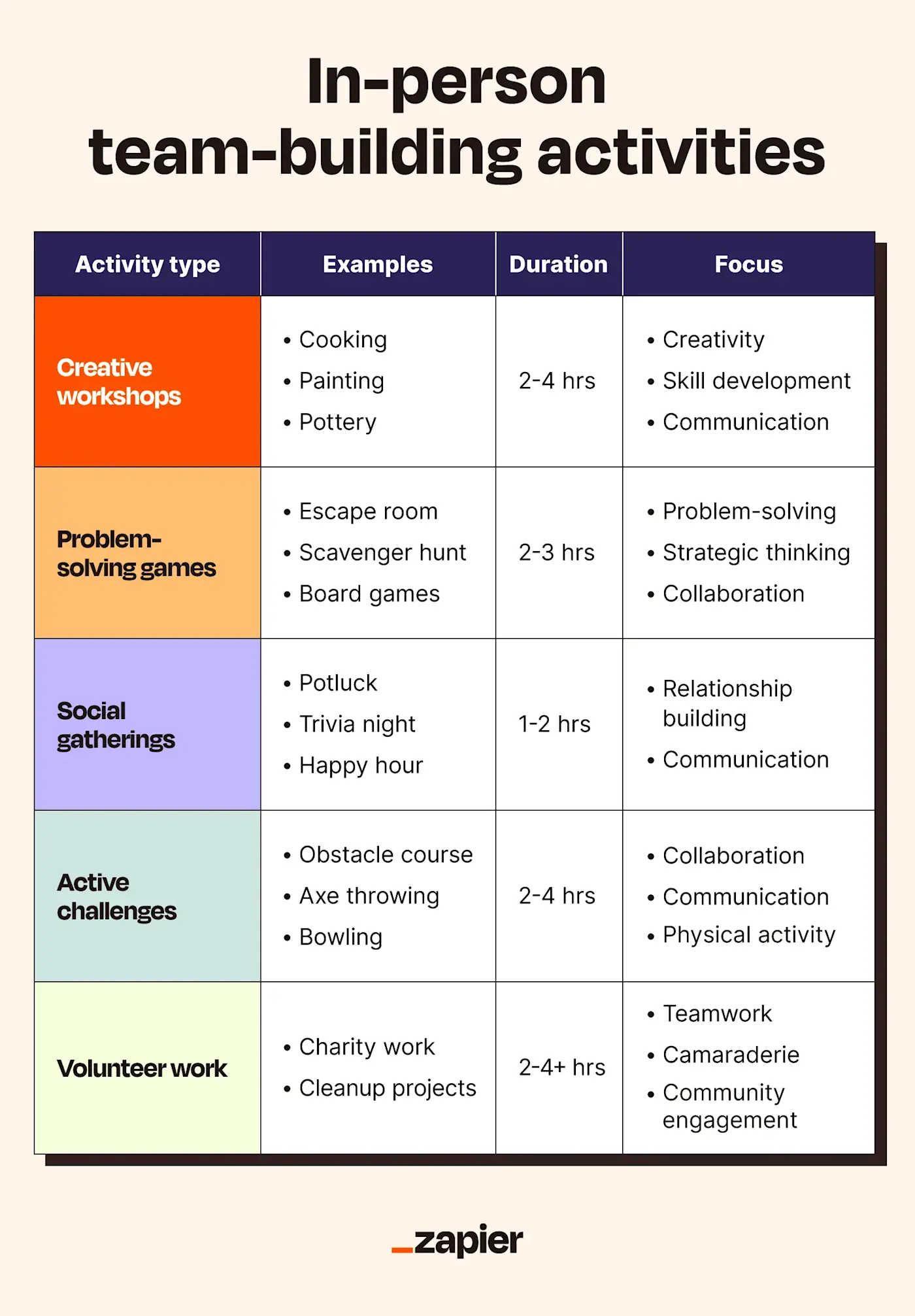
While many people confuse team building activities with team building skills, there is a fundamental difference. An activity is a discrete event; a skill is a repeatable competency that a leader or team member utilizes daily. These skills allow individuals to navigate the complexities of human personality, varying work styles, and the inevitable friction that arises when high-stakes goals are on the line.
Soft Skills vs. Strategic Leadership
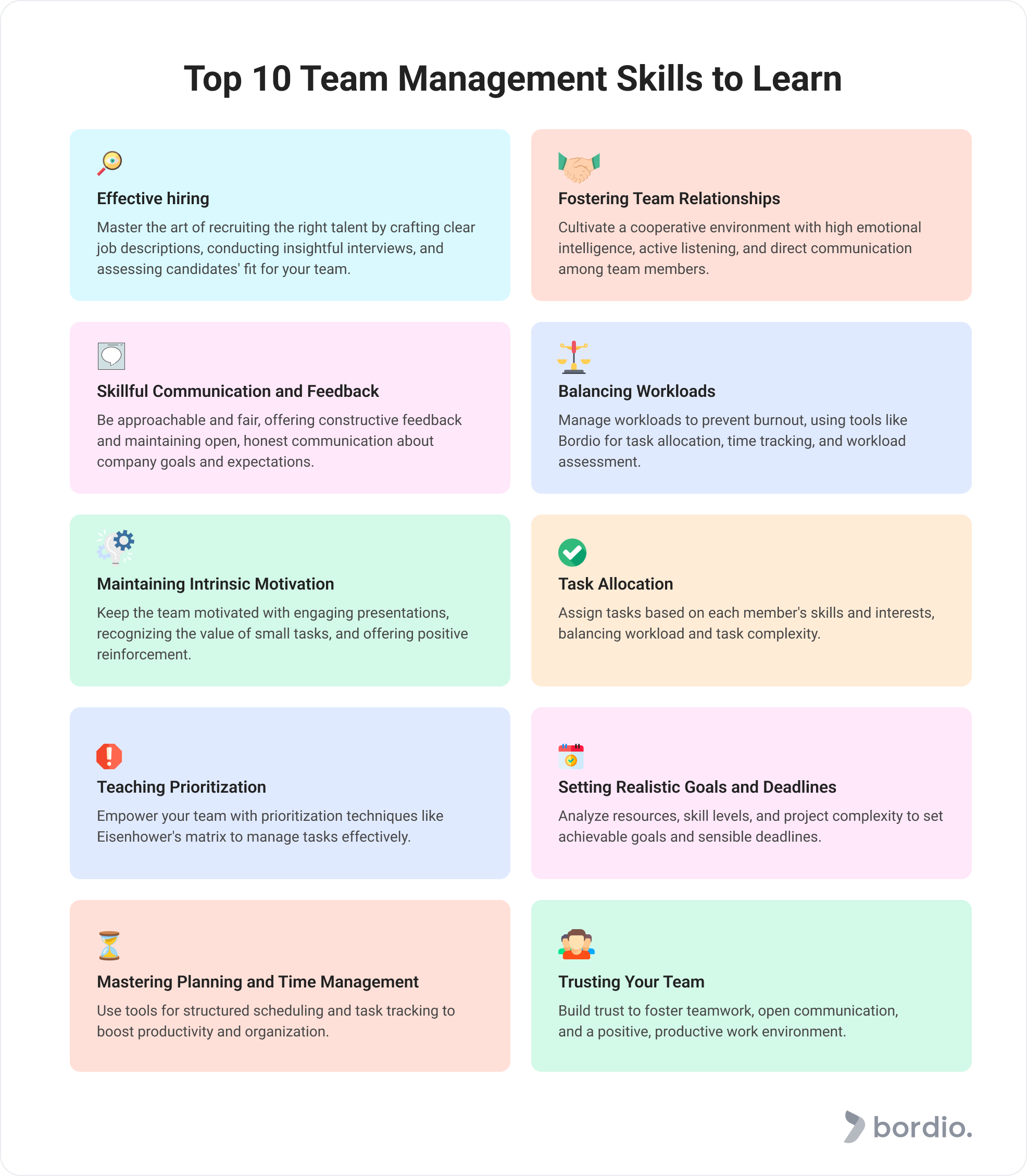
Team building skills are often categorized into two main pillars: soft skills and strategic leadership. Soft skills involve the "human" element—empathy, communication, and patience. These are essential for creating a comfortable environment where people feel valued. Strategic leadership, on the other hand, involves the "structural" element—knowing how to align roles with strengths, setting clear benchmarks, and managing the lifecycle of a project.
In a high-functioning environment, these two pillars support one another. Without soft skills, a strategic leader may appear cold or transactional, leading to burnout. Without strategic skills, an empathetic leader may create a happy but directionless team that fails to meet its KPIs (Key Performance Indicators).
Core Components of Effective Team Building
To master team building, one must develop several sub-skills that work in tandem. These components are not static; they require constant refinement as team dynamics shift and new members are integrated.
Communication and Active Listening
Communication is the foundational skill of team building. However, in 2026, this involves more than just speaking clearly. It encompasses "high-fidelity" communication—the ability to convey complex ideas across various mediums (video, asynchronous text, and AI-augmented platforms) without losing nuance.
Active listening is the often-overlooked counterpart to communication. It requires the listener to fully concentrate, understand, respond, and then remember what is being said. In a team setting, active listening validates the speaker and ensures that diverse perspectives are actually integrated into the decision-making process rather than just being heard.
Conflict Resolution and Mediation
Conflict is an inevitable byproduct of diversity and ambition. Team building skills do not aim to eliminate conflict but to transform it into constructive friction. A skilled team builder identifies the root cause of a disagreement—whether it is a resource constraint, a personality clash, or a misunderstanding of goals—and mediates a resolution that preserves the relationship.
Successful mediation requires neutrality and a focus on the "we" instead of the "me." Leaders who excel here often use "I" statements and encourage their team members to focus on interests rather than positions.
Trust and Psychological Safety
Perhaps the most critical development in organizational psychology over the last decade is the emphasis on psychological safety. Coined by Amy Edmondson and popularized by Google’s Project Aristotle, this is the belief that one will not be punished or humiliated for speaking up with ideas, questions, concerns, or mistakes.
Building trust is a slow process of "micro-validations." It involves consistently following through on promises, being transparent about organizational changes, and demonstrating vulnerability. When a leader admits they do not have all the answers, it signals to the team that it is safe for them to be honest about their own limitations.
Goal Alignment and Vision Casting
A team without a clear goal is simply a group of people working near each other. Team building skills include the ability to translate high-level organizational goals into actionable, local tasks. This is often referred to as vision casting.
Every team member needs to understand not just what they are doing, but why it matters. This connection to a larger purpose is a primary driver of engagement and helps teams stay resilient during challenging quarters.
The Evolution of Team Building in 2026: Hybrid and Virtual Dynamics
The landscape of 2026 necessitates that team building skills adapt to hybrid and fully remote environments. The "watercooler effect"—where team bonding happened spontaneously in an office—has largely been replaced by intentional digital interaction.
- Asynchronous Empathy: Understanding that team members are working across different time zones and life constraints. This requires a shift from monitoring "hours worked" to "outcomes achieved."
- Digital Presence: The ability to project warmth and authority through a screen. This involves mastering non-verbal cues in video calls and maintaining a supportive tone in written communications.
- Inclusion in Mixed Reality: As more teams use VR/AR for collaborative sessions, team building skills now include ensuring that everyone—regardless of their technical proficiency—feels included in the virtual space.
The Society for Human Resource Management (SHRM) emphasizes that "intentionality" is the keyword for 2026. Leaders can no longer rely on proximity to build a team; they must curate experiences and communication channels that foster connection.
Why Team Building Skills are Essential for Organizational Success
The impact of these skills extends far beyond "feeling good" at work. There are measurable, bottom-line benefits to investing in team building competencies.
Productivity and Efficiency
When a team has high levels of trust and clear communication, the "transaction cost" of doing business drops. There is less time spent on second-guessing motives, navigating office politics, or re-doing work because of poor instructions. High-performing teams often develop a "shorthand" that allows them to move faster than their competitors.
Employee Retention and Satisfaction
According to longitudinal studies by the Workplace Research Foundation, employees who feel a strong sense of belonging to their team are 50% less likely to look for a new job. In the talent-scarce market of 2026, team building is a critical retention strategy. People do not just leave managers; they leave dysfunctional environments where they feel isolated.
Practical Strategies to Develop Team Building Competencies
Improving these skills requires a combination of self-reflection and practical application. It is not enough to read about them; one must practice them in real-world scenarios.
Role-playing and Simulation
Many organizations now use AI-driven simulations to help managers practice difficult conversations. Whether it is delivering a performance review or addressing a team-wide failure, these low-stakes environments allow leaders to hone their phrasing and emotional regulation.
Feedback Loops and Peer Reviews
You cannot improve what you do not measure. Implementing 360-degree feedback loops allows team members to provide anonymous input on a leader's team-building efficacy. Key questions to ask include:
- Do you feel your contributions are valued?
- Is the team's mission clear to you?
- How effectively does the team handle disagreements?
Comparing Skill Categories
The following table breaks down the three primary categories of team building skills and their specific applications in a 2026 corporate environment.
| Skill Category | Primary Focus | Key Examples | 2026 Contextual Application |
|---|---|---|---|
| Interpersonal | Emotional intelligence and rapport | Empathy, Active Listening, Patience | Managing "Zoom fatigue" and mental health awareness. |
| Operational | Workflow and task management | Delegation, Goal Setting, Time Management | Coordinating tasks across asynchronous platforms like Notion or Jira. |
| Strategic | Long-term vision and culture | Vision Casting, Trust Building, Change Management | Maintaining culture during rapid AI integration and restructuring. |
Common Challenges and Troubleshooting
Even with the best intentions, team building can falter. Recognizing these roadblocks early is a key skill in itself.
- The "One-Size-Fits-All" Fallacy: Different team members require different leadership styles. An extroverted salesperson might thrive on public recognition, while a quiet developer might find it mortifying. Great team builders tailor their approach to the individual.
- The Trust Gap: If a leader preaches transparency but keeps secrets about company health, a trust gap forms. This cannot be fixed with a team outing; it can only be fixed by a sustained period of honest communication.
- Groupthink: A "cohesive" team that never disagrees is actually in danger. Groupthink occurs when the desire for harmony overrides the realistic appraisal of alternative courses of action. A skilled team builder encourages a "designated dissenter" to ensure all angles are considered.
Frequently Asked Questions
Can team building skills be learned, or are they innate?
While some people are naturally more empathetic or communicative, team building skills are absolutely learnable. Much like technical skills, they require study, practice, and feedback. Many of the world’s most effective leaders are "learned" extroverts or individuals who have studiously practiced the mechanics of active listening and delegation.
How do team building skills differ from general leadership?
Leadership is a broad umbrella that includes things like financial oversight, industry expertise, and public relations. Team building is a specific subset of leadership focused entirely on the internal health and efficacy of a group. You can be a visionary leader (like a famous inventor) but have poor team building skills if you cannot manage the people around you.
What is the most important team building skill for remote work?
Communication clarity is the most vital. In a remote setting, the lack of body language and immediate feedback means that any ambiguity in a message is likely to be misinterpreted. Leaders must over-communicate and use multiple formats to ensure alignment.
How do I measure the success of team building efforts?
Success is measured through a combination of "hard" and "soft" data. Hard data includes meeting project deadlines, staying under budget, and low turnover rates. Soft data is gathered through employee engagement surveys, the frequency of spontaneous collaboration, and the overall "vibe" or morale of the team during meetings.
How often should team building activities occur?
In 2026, the trend is away from annual "big events" and toward "micro-engagements." This means incorporating small, meaningful interactions into every week—such as a 5-minute "win of the week" shout-out or a voluntary virtual coffee break—rather than relying on a single yearly retreat to fix a broken culture.
Moving Forward: Implementation Steps
To improve your team building skills, start with a self-assessment. Identify which of the three categories (Interpersonal, Operational, or Strategic) is your weakest link.
- Seek Feedback: Ask your team directly where the communication bottlenecks are.
- Define the Mission: Ensure every member can articulate the team's top three goals for 2026.
- Audit Your Meetings: Are they collaborative or just informative? If the latter, move them to an asynchronous format to respect your team's time.
- Practice Vulnerability: The next time a mistake is made, lead by acknowledging your own role in the process. This small act is the fastest way to build psychological safety.
By focusing on these competencies, you transform a group of workers into a cohesive, resilient team capable of navigating the complex business environment of 2026.
Image Gallery