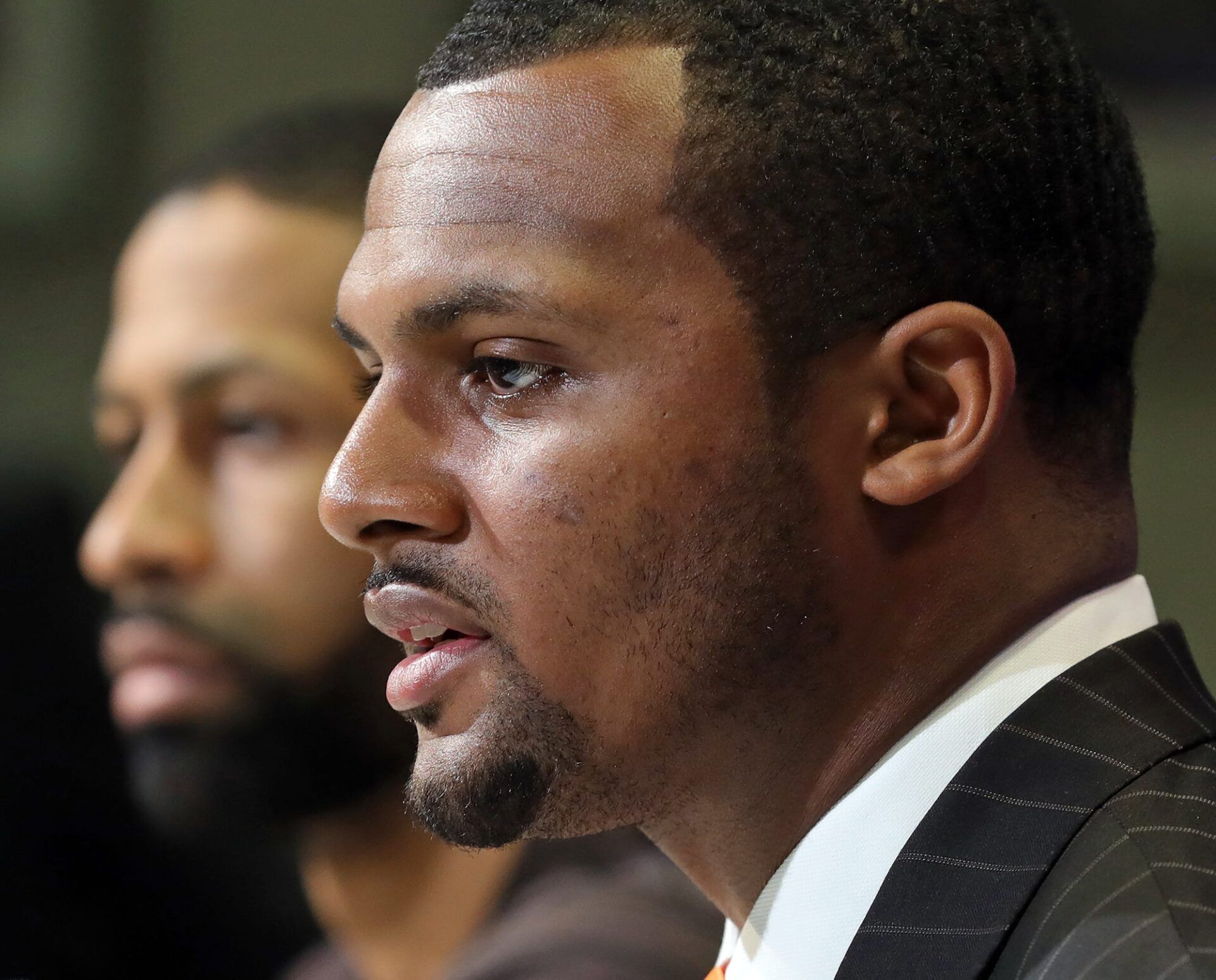
Navigating High-Profile Legal Defense: Understanding the Role of a Deshaun Watson Lawyer
When professional athletes face severe legal scrutiny, civil lawsuits, or criminal investigations, the choice of legal representation becomes one of the most consequential decisions of their career. In high-profile cases involving prof...
When professional athletes face severe legal scrutiny, civil lawsuits, or criminal investigations, the choice of legal representation becomes one of the most consequential decisions of their career. In high-profile cases involving professional football quarterback Deshaun Watson, the legal strategies deployed by defense attorneys dictate not only the courtroom outcomes, but also public reputation, league discipline, and future professional viability. Navigating these complex matters requires a specialized defense team capable of handling parallel civil litigation, media scrutiny, and league-mandated compliance.
Contents
High-profile athletes facing multifaceted allegations typically retain elite defense counsel specializing in white-collar crime, complex civil litigation, and crisis management. The primary function of a Deshaun Watson lawyer—or any lead counsel representing a major sports figure during widespread allegations—extends far beyond standard courtroom defense. It encompasses evidence gathering, deposition preparation, settlement negotiations, and coordination with sports league investigators. Understanding how these legal defense frameworks operate provides vital context for anyone examining the intersection of high-stakes litigation, public relations, and professional sports contracts.
The Anatomy of High-Profile Athlete Legal Defense
When multiple plaintiffs file civil lawsuits or when criminal investigations are initiated against a prominent athlete, the immediate response of the defense counsel sets the procedural tone for the entire case. A defense attorney representing a high-profile client must manage several distinct phases simultaneously: immediate crisis containment, independent factual investigation, pretrial motion practice, and strategic settlement evaluation or trial preparation.
In complex civil matters, the defense team's initial responsibility involves analyzing each individual complaint for procedural defects, statute of limitations issues, and factual inconsistencies. When public scrutiny is intense, attorneys must also construct a unified communication strategy to protect the client's due process rights while mitigating reputational damage. This dual approach requires close collaboration between litigators, public relations professionals, and investigators who vet the background of opposing parties and witnesses.
Key Responsibilities of Defense Counsel
- Factual Investigation: Interviewing witnesses, reviewing digital communications, and gathering contemporaneous records to establish a timeline of events.
- Motion Practice: Filing motions to dismiss, motions for protective orders, and managing discovery disputes to limit the scope of invasive inquiries.
- Deposition Strategy: Preparing the client for grueling depositions where opposing counsel attempts to elicit inconsistencies or damaging admissions.
- Media Management: Coordinating public statements to ensure that out-of-court commentary does not prejudice potential juries or violate professional conduct rules.
Civil Litigation vs. Criminal Investigations
A critical distinction in high-profile legal defense is the separation between criminal proceedings and civil lawsuits. While criminal charges require a burden of proof beyond a reasonable doubt, civil lawsuits operate under a preponderance of the evidence standard. In cases where criminal investigations do not result in indictments—such as the grand jury decisions involving Deshaun Watson in Texas—civil litigation often proceeds independently, allowing plaintiffs to seek financial damages through depositions and discovery.
Defense strategies diverge significantly depending on the forum. In a criminal investigation, the primary objective is to prevent formal charges through proactive engagement with prosecutors, presentation of exculpatory evidence, and rigorous enforcement of the Fifth Amendment right against self-incrimination. Conversely, in civil litigation, total avoidance of testimony is rarely an option for a defendant, as invoking the Fifth Amendment in a civil deposition can allow a judge or jury to draw an adverse inference against them.
Comparative Defense Dynamics
| Legal Proceeding | Primary Burden of Proof | Main Objective of Defense Counsel | Potential Consequences |
|---|---|---|---|
| Criminal Investigation | Beyond a reasonable doubt | Prevent indictment, secure non-prosecution, or win acquittal | Incarceration, fines, permanent criminal record |
| Civil Litigation | Preponderance of the evidence | Secure dismissal, favorable settlement, or minimize financial liability | Monetary damages, court-ordered settlements, public findings |
| League Disciplinary Review | Collective Bargaining Agreement standards | Advocate for reduced penalties, present mitigating evidence | Suspensions, mandatory counseling, substantial salary forfeiture |
The Role of Crisis Management and Public Relations
In the modern era of constant digital media and social platform commentary, a lawyer representing a high-profile figure cannot operate solely within the courtroom. Public perception frequently influences sponsorship retention, team morale, and league disciplinary decisions. Consequently, elite defense teams routinely integrate crisis communication specialists into their operations.
The integration of legal defense and public relations requires strict adherence to ethical guidelines governing trial publicity. Attorneys must advocate vigorously for their clients in the public sphere without violating rules that prohibit extrajudicial statements intended to prejudice an adjudicative proceeding. When handled effectively, public relations management helps counterbalance sensationalized media narratives by highlighting verifiable facts, procedural hurdles, and the presumption of innocence.
Professional Sports League Policies and Disciplinary Procedures
Beyond the civil and criminal justice systems, professional athletes are subject to private organizational governance, such as the National Football League’s Personal Conduct Policy. A defense attorney must navigate these internal disciplinary mechanisms concurrently with court proceedings. League investigators possess broad independent authority to conduct interviews, review police files, and examine civil court records independently of law enforcement agencies.
When a player faces allegations of misconduct, league officials may place them on paid or unpaid administrative leave, such as the Commissioner's Exempt List, pending the conclusion of an investigation. Defense counsel must actively participate in league interviews, submit briefs advocating for their client's position, and negotiate the terms of any eventual disciplinary suspension. Understanding the intersection between collective bargaining agreements and individual player contracts is essential for minimizing career disruption.
Financial and Contractual Implications of Extended Litigation
Lengthy legal battles carry substantial financial overhead, encompassing attorney retainers, expert witness fees, private investigative services, and court costs. For professional athletes operating under multi-million-dollar contracts, the financial stakes are magnified by potential salary forfeiture, bonus clawbacks, and the loss of lucrative commercial endorsements.
Furthermore, standard NFL contracts frequently include moral turpitude clauses and conduct-detrimental provisions that allow teams to pursue contract termination or salary withholding under specific circumstances. A skilled legal team must evaluate these contractual nuances to protect the client's guaranteed compensation while negotiating strategic resolutions that preserve their long-term ability to play professionally.
Comparative Overview of Defense Strategies in Sports Law
| Strategy Element | Criminal Defense Focus | Civil Defense Focus | League Compliance Focus |
|---|---|---|---|
| Core Objective | Avoid conviction and imprisonment | Limit financial exposure and liability | Minimize game suspensions and salary loss |
| Key Tools | Suppression motions, expert forensics | Depositions, protective orders, settlement talks | CBA arbitration, evidentiary submissions |
| Timing | Immediate pre-indictment phase | Ongoing discovery and pretrial mediation | Concurrent with external legal proceedings |
Frequently Asked Questions
What qualities should an individual look for in a high-profile defense lawyer?
Clients facing complex, high-stakes litigation require attorneys with demonstrated experience in multi-jurisdictional defense, white-collar crime, crisis management, and administrative or league compliance. Familiarity with managing intense media scrutiny and coordinating multidisciplinary teams of investigators and forensic experts is equally critical.
How do civil settlements impact ongoing criminal or league investigations?
A civil settlement typically resolves financial claims between private parties through a mutually agreed-upon financial resolution, often containing confidentiality clauses. However, settlements do not automatically halt criminal investigations or league disciplinary reviews, as prosecutors and sports commissioners maintain independent authority to evaluate conduct.
Why do athletes face civil lawsuits even when criminal charges are not filed?
The legal threshold required to bring a civil lawsuit is significantly lower than the standard required for a criminal indictment or conviction. Grand juries evaluate whether probable cause exists to charge a crime, whereas civil plaintiffs must demonstrate by a preponderance of the evidence that they suffered harm compensable by financial damages.
Can a sports league discipline a player before a court case is resolved?
Yes. Professional sports leagues operate under independent collective bargaining agreements and personal conduct policies. Commissioners possess contractual authority to issue suspensions, fines, or place players on administrative leave based on their own investigations, independent of criminal court verdicts or civil settlements.
How do defense attorneys manage media coverage during high-profile cases?
Defense counsel manages media coverage by issuing measured public statements, correcting factual inaccuracies in reporting, and ensuring all communications comply with local court rules and professional ethics guidelines regarding trial publicity. The goal is to protect the client's constitutional right to a fair trial while maintaining public accountability.
Conclusion and Next Actions
Navigating complex legal challenges in the public eye requires a calculated, multi-tiered defense strategy that addresses criminal exposure, civil liability, and professional governance simultaneously. For individuals evaluating legal representation in high-profile contexts, prioritizing counsel with proven multi-disciplinary expertise, robust investigative resources, and a strategic approach to negotiation is essential. Anyone facing similar legal complexities should consult directly with qualified, bar-certified criminal defense or civil litigation specialists to evaluate jurisdiction-specific rights and defense options.
Image Gallery