Understanding the Link Between Postpartum Depression and Death: Risks, Prevention, and Reality
Postpartum depression (PPD) is linked to death primarily through maternal suicide, which remains a leading cause of mortality in the first year after childbirth. In rare instances involving postpartum psychosis, the condition may also...
Postpartum depression (PPD) is linked to death primarily through maternal suicide, which remains a leading cause of mortality in the first year after childbirth. In rare instances involving postpartum psychosis, the condition may also lead to infanticide. Additionally, untreated PPD increases risks of chronic physical health complications and accidental injury through impaired cognitive function.
Contents
Defining the Spectrum of Postpartum Mood Disorders
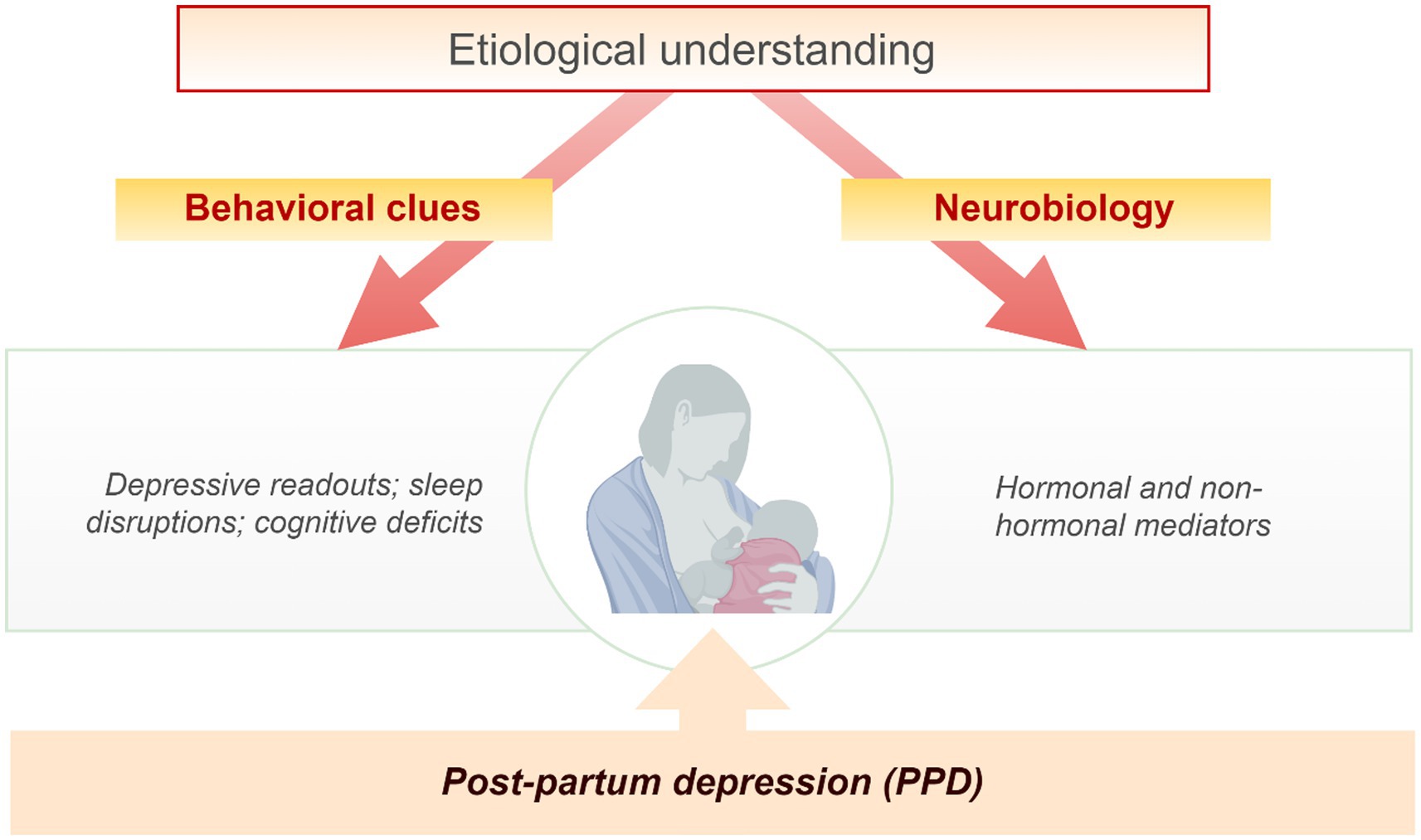
Understanding the link between postpartum depression and death requires a clear distinction between the various mood disorders that can occur after childbirth. While many people use the term "postpartum depression" as a catch-all, the medical community recognizes a spectrum of conditions that vary significantly in severity, prevalence, and risk.
Postpartum Blues vs. Postpartum Depression
The "baby blues" affect up to 80% of new mothers. This condition is characterized by mild mood swings, tearfulness, and anxiety that typically peak around the fourth or fifth day after delivery and subside within two around weeks. The baby blues do not generally carry a risk of mortality, as they are considered a transient adjustment period related to rapid hormonal shifts.
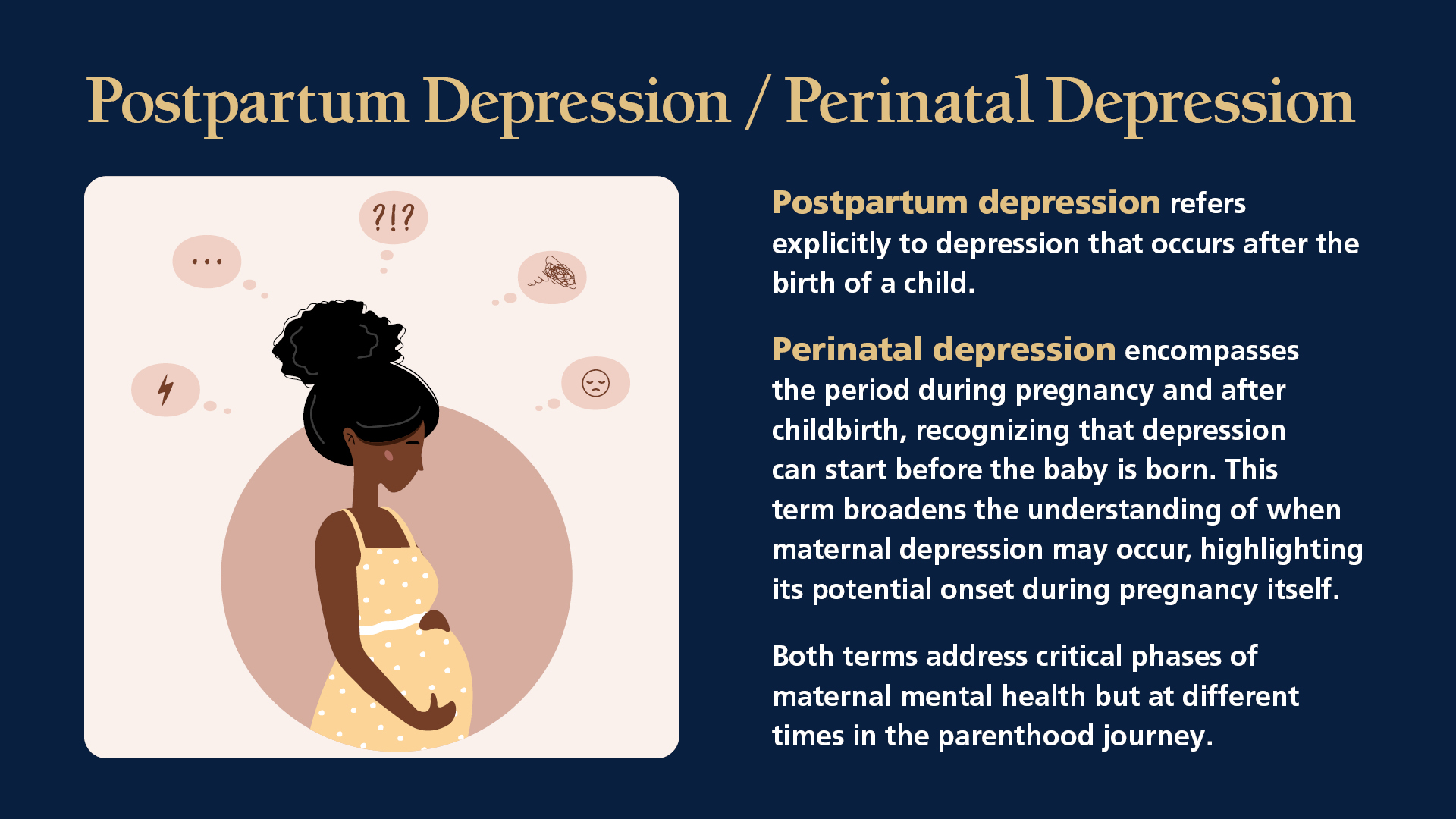
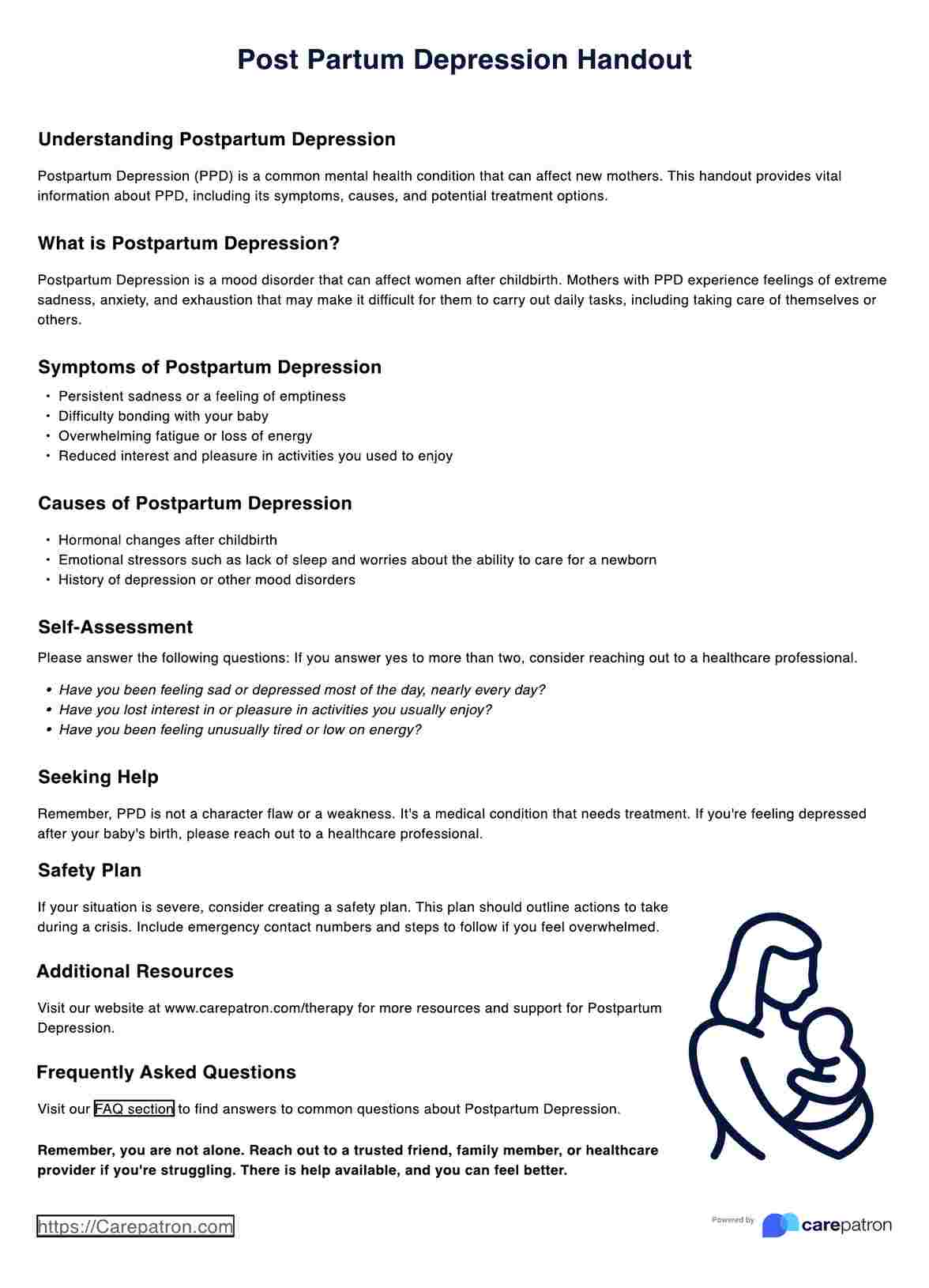
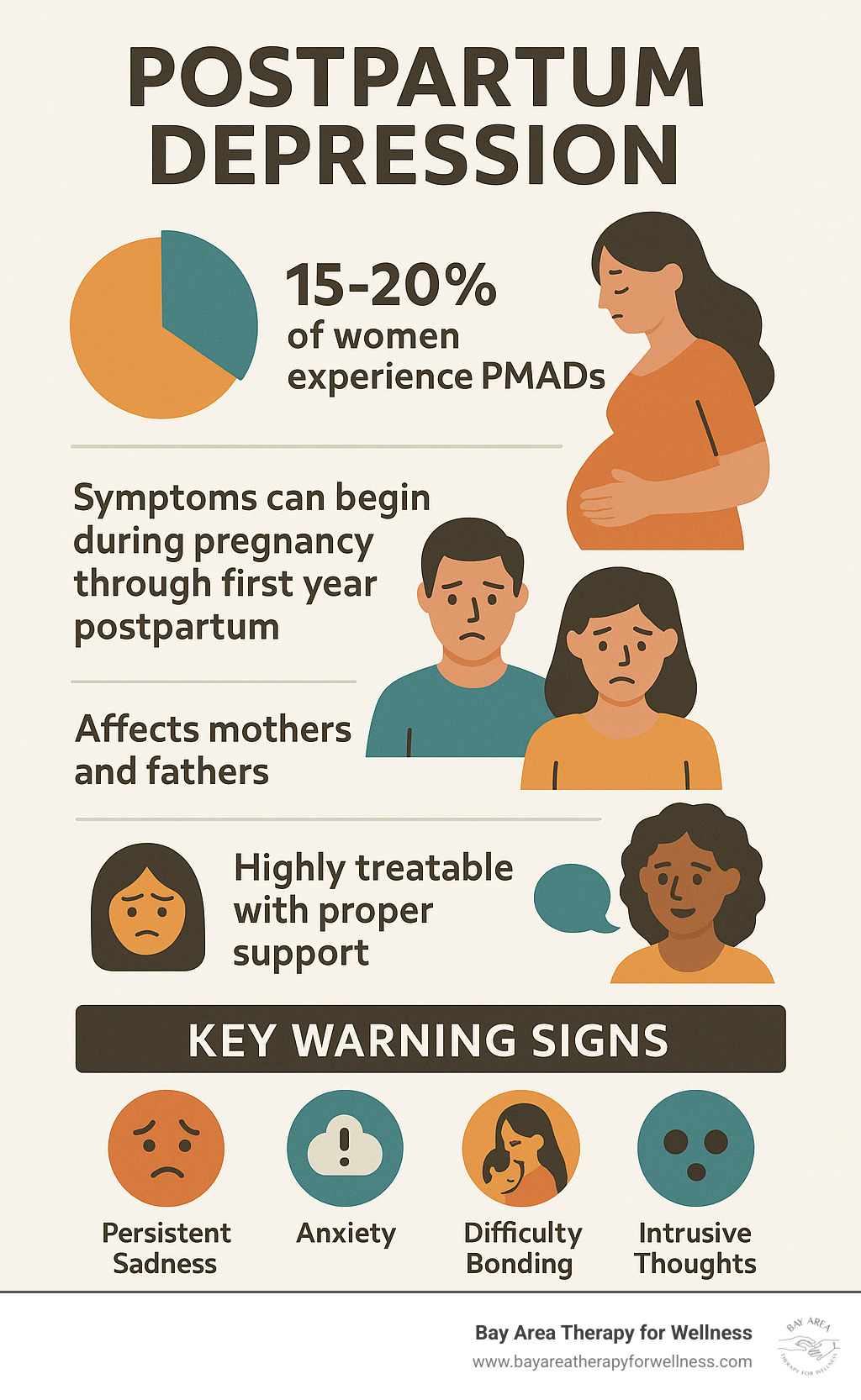
In contrast, postpartum depression (PPD) is a clinical major depressive episode that occurs following childbirth. It affects approximately 10% to 15% of women. Unlike the baby blues, PPD does not go away on its own and can persist for months or even years if untreated. It is characterized by intense feelings of sadness, hopelessness, and a lack of connection with the infant. When these symptoms become severe, the risk of self-harm or suicidal ideation increases significantly.
Postpartum Psychosis: A Critical Emergency
Postpartum psychosis is a far rarer condition, occurring in approximately 1 to 2 out of every 1,000 deliveries. It is a psychiatric emergency that manifests as a break from reality. Symptoms include hallucinations, delusions, paranoia, and extreme agitation. This condition carries the highest immediate risk of death—both for the mother and the infant. Research indicates that women with postpartum psychosis have a 5% suicide rate and a 4% infanticide rate, making immediate hospitalization and intensive treatment vital for survival.
Maternal Suicide: The Primary Link to Mortality
For several decades, maternal mortality was primarily viewed through the lens of obstetric complications, such as hemorrhage, sepsis, or preeclampsia. However, modern epidemiological data in 2026 confirms that mental health conditions, including suicide and substance use disorders, are leading causes of death in the first year postpartum in many developed nations.
Statistical Reality of Maternal Suicide
Statistics from the Centers for Disease Control and Prevention (CDC) and various Maternal Mortality Review Committees (MMRCs) indicate that suicide is a major contributor to "late" maternal deaths—those occurring between 43 days and one year after delivery. In high-income countries, suicide often outranks physical medical complications as the leading cause of death during this period.
The link is often obscured because many deaths are categorized by the immediate cause (e.g., overdose or trauma) rather than the underlying psychological driver (PPD). When a mother suffers from untreated PPD, the persistent feeling of being a "burden" to her family or the belief that her child would be better off without her can lead to fatal outcomes.
Risk Factors for Suicidality in PPD
Several factors increase the likelihood that postpartum depression will escalate to a life-threatening level:
- Previous History: A history of depression, bipolar disorder, or previous postpartum episodes significantly elevates risk.
- Lack of Support: Social isolation and a lack of emotional or financial support increase the psychological weight of new parenthood.
- Sleep Deprivation: Chronic sleep loss, inherent to caring for a newborn, can exacerbate depressive symptoms and impair judgment, sometimes triggering suicidal ideation even in those without a prior history.
- Hormonal Sensitivity: Some individuals are biologically more sensitive to the massive drop in estrogen and progesterone following delivery, which can trigger severe neurochemical imbalances.
Indirect Links: Physical Health and Accidental Death
The link between postpartum depression and death is not always a direct line to self-harm. PPD can also lead to mortality through indirect channels, including the exacerbation of physical health conditions and an increase in accidental injuries.
Cardiovascular Implications and Long-term Health
Research has increasingly shown a connection between maternal mental health and cardiovascular outcomes. Women experiencing severe PPD often exhibit higher levels of systemic inflammation and higher cortisol levels. Chronic stress from untreated depression can contribute to hypertension and other cardiovascular issues. While these may not result in immediate death, they contribute to a higher risk of morbidity and mortality later in life.
Substance Use and Overdose
There is a high rate of comorbidity between PPD and substance use disorders. Some women may attempt to self-medicate their depression or anxiety with alcohol or opioids. In the context of the current global health landscape in 2026, the risk of accidental overdose is a significant component of maternal mortality. These deaths are often "deaths of despair," where the underlying PPD creates a vulnerability that leads to fatal substance misuse.
Impaired Cognition and Accidental Injury
Severe depression affects executive function, concentration, and reaction times. A mother suffering from profound PPD may experience "brain fog" or extreme fatigue that increases the risk of accidents, such as motor vehicle crashes or household mishaps. While these are often recorded as "accidental deaths," the cognitive impairment caused by the depressive state is a primary contributing factor.
Postpartum Psychosis and the Risk of Infanticide
While PPD is primarily associated with self-harm, postpartum psychosis introduces the risk of infanticide (the killing of an infant). It is essential to understand that infanticide is almost never a result of "anger" or "lack of love" in these cases. Instead, it is driven by delusional thinking.
For example, a mother in a psychotic state may believe her child is possessed or that killing the child is the only way to save them from a perceived greater evil. Because these actions are rooted in a break from reality, they represent a failure of the healthcare system to identify and intervene in a psychiatric crisis. The link to death here is a failure of neurobiological regulation and emergency psychiatric care.
Comparison of Postpartum Conditions and Associated Risks
The following table outlines the differences between postpartum mood disorders to help identify when a situation moves from "common" to "critical."
| Condition | Prevalence | Typical Onset | Duration | Primary Risk Level |
|---|---|---|---|---|
| Baby Blues | 70%–80% | 2–3 days postpartum | Up to 2 weeks | Low; standard emotional adjustment. |
| Postpartum Depression | 10%–15% | Within 1 year | Months to years | Moderate to High; risk of suicide. |
| Postpartum Anxiety | ~10% | Within 1 year | Months | Moderate; can lead to PPD and self-harm. |
| Postpartum Psychosis | 0.1%–0.2% | Within 4 weeks | Weeks to months | Emergency; high risk of suicide/infanticide. |
Screening and Diagnostic Tools
Preventing death associated with PPD starts with effective and universal screening. In 2026, the standard of care involves multiple touchpoints for screening, not just at the six-week postpartum checkup.
- Edinburgh Postnatal Depression Scale (EPDS): A 10-item questionnaire used globally to identify women who may be experiencing PPD. A score of 13 or higher usually indicates a need for clinical intervention.
- Pediatrician Screenings: Since mothers visit the pediatrician more frequently than their own doctors in the first year, pediatricians now routinely screen mothers during well-baby visits.
- Integrated Care Models: Modern healthcare systems are increasingly using digital screening tools that track mood changes over time, allowing for earlier intervention before a crisis reaches a life-threatening stage.
Treatment Pathways in 2026
The link between PPD and death is preventable because PPD is highly treatable. By 2026, several therapeutic options have become standard:
- Pharmacological Interventions: Rapid-acting neurosteroids, such as zuranolone (an oral medication) and brexanolone (an IV infusion), have revolutionized treatment. Unlike traditional SSRIs that can take weeks to work, these medications can significantly reduce symptoms within days, providing a critical safety net for women in acute distress.
- Psychotherapy: Cognitive Behavioral Therapy (CBT) and Interpersonal Therapy (IPT) remain cornerstones of treatment, helping women process the transition to parenthood and manage depressive thoughts.
- Peer Support: Organizations like Postpartum Support International (PSI) provide vital networks that reduce isolation, which is a key driver of suicidal ideation.
- Hospitalization: For cases of postpartum psychosis or severe suicidal ideation, specialized "Mother-Baby Units" (MBUs) allow mothers to receive psychiatric care without being separated from their infants, which improves long-term outcomes and reduces the trauma of intervention.
Societal and Structural Prevention
To truly break the link between postpartum depression and mortality, the focus must extend beyond individual medical treatment to societal structures.
The "fourth trimester"—the first three months after birth—is a period of extreme vulnerability. Countries with robust paid parental leave policies, home-visiting nurse programs, and affordable childcare show lower rates of severe maternal mental health crises. When a mother is forced to return to work while physically recovering and mentally struggling, the physiological and psychological load can be fatal. Addressing maternal mortality requires viewing PPD not just as a "hormonal issue," but as a public health crisis that demands structural support.
FAQs
Can postpartum depression actually cause death?
Yes. While the depression itself is a mental state, it can lead to death through suicide, which is a leading cause of maternal mortality. In rare cases of postpartum psychosis, it can also lead to the death of the infant. It is a serious medical condition that requires professional intervention to ensure the safety of both mother and child.
How common is suicide among women with postpartum depression?
Research suggests that among women who die in the first year after childbirth, a significant percentage (often 10-20% depending on the region) die by suicide. It is frequently the leading cause of "late" maternal death, occurring after the initial physical recovery from birth.
What are the "red flags" that PPD has become life-threatening?
Immediate warning signs include expressions of hopelessness, talking about being a burden, withdrawing from loved ones, giving away possessions, or expressing thoughts of self-harm or harming the baby. Any mention of "not being here anymore" should be treated as a medical emergency.
Is postpartum psychosis the same as postpartum depression?
No. Postpartum depression is a mood disorder characterized by sadness and lack of energy. Postpartum psychosis is a more severe, though rarer, condition involving a break from reality (hallucinations or delusions). Psychosis is considered a more immediate life-threatening emergency.
Can men or partners experience PPD and related risks?
Yes. Paternal postpartum depression is a recognized condition affecting approximately 10% of new fathers/partners. While the hormonal drivers differ, the psychological stressors can lead to similar risks of depression and, in severe cases, suicidal ideation.
Practical Recommendation
If you or someone you know is experiencing symptoms of postpartum depression, do not wait for the scheduled six-week checkup. Contact a healthcare provider immediately or reach out to a specialized resource such as Postpartum Support International or a national crisis hotline. If there is an immediate risk of harm, go to the nearest emergency room. PPD is a treatable medical condition, and early intervention is the most effective way to prevent the tragic outcomes associated with the link between depression and mortality.
Image Gallery