The Affordable Life Insurance for Children Guide
Securing financial protection for your family often involves planning for unexpected events, but buying life insurance for children remains one of the most debated topics in personal finance. While the thought of placing a life insuran...
Securing financial protection for your family often involves planning for unexpected events, but buying life insurance for children remains one of the most debated topics in personal finance. While the thought of placing a life insurance policy on a child can feel uncomfortable, many parents and grandparents evaluate these policies primarily as tools for locking in low premium rates, guaranteeing future insurability, or establishing a modest cash-value savings component.
Contents
Finding affordable life insurance for children requires evaluating policy structures, comparing standalone juvenile whole life products against child term riders, and balancing insurance protection against traditional college savings vehicles like 529 plans. This guide breaks down how child life insurance works, typical costs, key benefits, potential drawbacks, and practical steps to select the right coverage for your family's long-term financial goals.
Disclaimer: This guide is provided for educational purposes only and does not constitute formal legal, tax, or financial advice. Consult a licensed financial planner or insurance professional regarding your family's specific situation.
Understanding Child Life Insurance
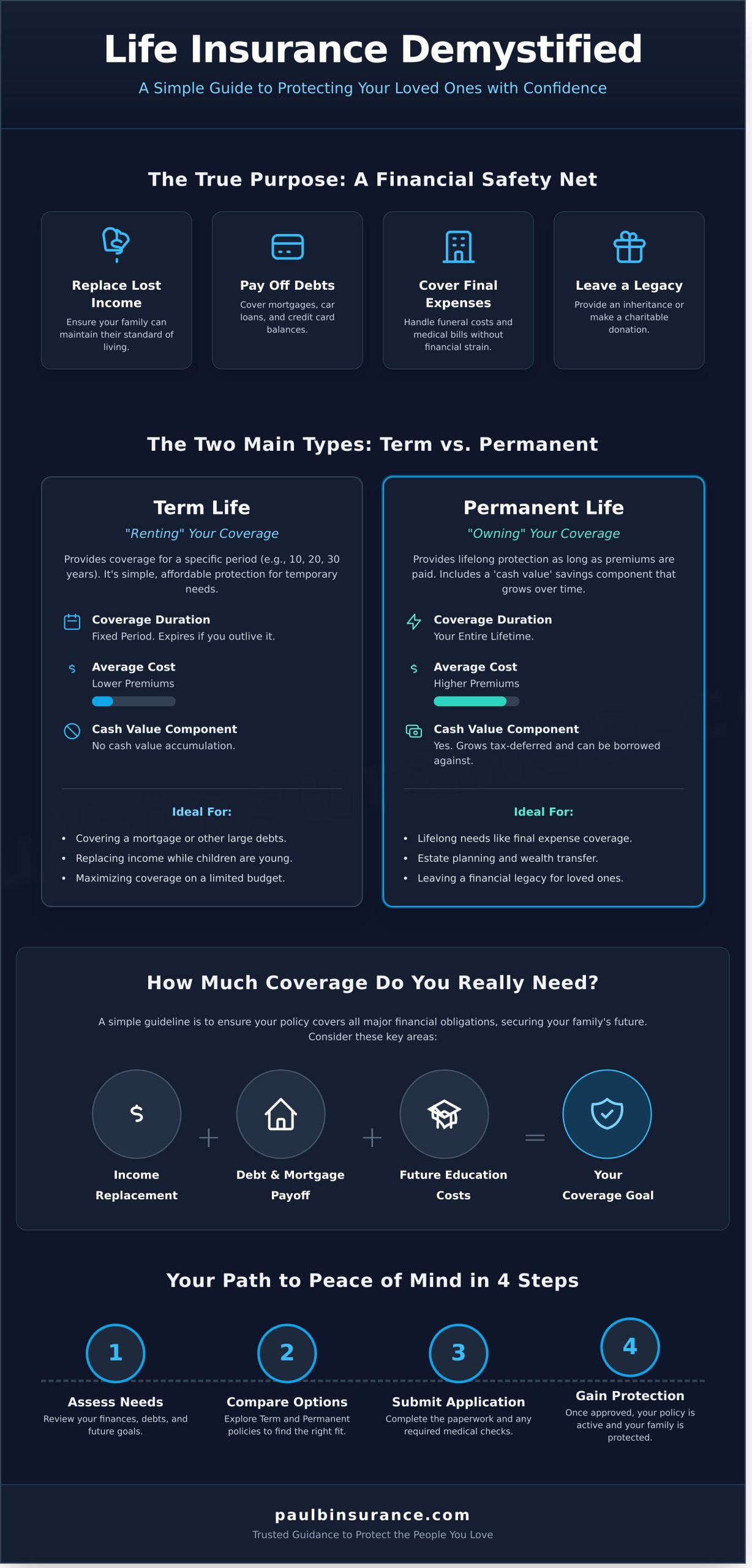
Child life insurance—often referred to as juvenile life insurance—is a permanent or temporary life insurance policy purchased by a parent, grandparent, or legal guardian on behalf of a minor, typically ranging from 14 days old up to age 17 or 18.
Unlike adult coverage, which primarily functions to replace income and cover substantial debt, juvenile life insurance serves three primary functions:
- Funeral and Final Expense Coverage: Providing immediate funds to cover end-of-life expenses and medical bills during a tragic loss without jeopardizing family savings.
- Guaranteed Future Insurability: Ensuring the child retains access to life insurance coverage into adulthood, regardless of future health conditions, chronic illnesses, or high-risk occupations they might develop later.
- Cash Value Accumulation: Permanent policies build tax-deferred cash value over time, which the child can access upon reaching adulthood for expenses like college tuition, a home down payment, or starting a business.
Types of Life Insurance Policies for Minors
When shopping for affordable coverage, families generally choose between two primary options: standalone permanent policies designed specifically for children, or supplemental coverage attached to an adult’s existing policy.
- Child Life Insurance Coverage Types
- Standalone Juvenile Whole Life
- Permanent coverage
- Fixed premiums for life
- Builds tax-deferred cash value
- Transferable at age 18 or 21
- Child Term Rider (On Parent Policy)
- Low cost ($5–$15/year)
- Covers all eligible children
- Convertible to adult coverage
- Expires around age 21–25
- Standalone Juvenile Whole Life
1. Standalone Child Whole Life Insurance
A standalone juvenile whole life policy provides permanent coverage that remains in force for the child’s entire life, provided premiums are paid.
- Fixed Premiums: Premium rates are locked in at the child's young age and remain identical for the life of the policy.
- Cash Value Growth: A portion of each premium payment enters a cash accumulation account that grows tax-deferred at a guaranteed minimum interest rate.
- Ownership Transfer: The purchasing adult controls the policy until the child reaches legal age (typically 18 or 21, depending on state law and policy terms), at which point ownership can be transferred to the child.
2. Child Term Insurance Riders
A child term rider is an add-on endorsement attached to a parent’s or guardian’s existing whole or term life insurance policy.
- Cost-Effective Coverage: Term riders are generally the most affordable way to insure children. A single flat fee often covers all eligible children in the household, including future newborns or adopted children.
- Temporary Nature: Coverage usually lasts until the child reaches a designated age (commonly 21 or 25).
- Conversion Rights: Most riders allow the policy to be converted into an individual permanent life insurance policy upon expiration without requiring a medical examination.
Comparing Options: Standalone vs. Rider vs. College Savings
To determine the most cost-effective strategy, compare how different financial vehicles function over a 20-year horizon:
| Feature | Standalone Child Whole Life | Child Term Rider | 529 College Savings Plan |
|---|---|---|---|
| Primary Purpose | Permanent protection & cash value | Low-cost temporary protection | Higher-education savings |
| Typical Monthly Cost | $5 to $30 per month | $1 to $3 per month (added to parent policy) | Flexible ($25+ per month recommended) |
| Coverage Amount | $5,000 to $50,000+ | $5,000 to $25,000 per child | N/A (Investment account) |
| Growth Potential | Low (Guaranteed fixed rate) | None | Market-based growth potential |
| Medical Underwriting | Simplified (No exam, brief questionnaire) | Guaranteed or simplified approval | None |
| Future Insurability | Guaranteed (Includes purchase options) | Convertible upon expiration | None |
| Tax Advantages | Tax-deferred cash value accumulation | None | Tax-free withdrawals for qualified education |
Cost Factors and Premium Drivers
Pricing for child life insurance is lower than adult coverage due to the low statistical risk of minor mortality. However, premiums vary based on several key variables:
- Age of the Child: Securing a policy for an infant (as young as 14 days) yields the lowest lifetime rate. Rates increase slightly as children reach teenage years.
- Benefit Amount: Coverage limits typically start at $5,000 and cap between $50,000 and $100,000 for standard direct-to-consumer policies. Higher face amounts may require standard underwriting.
- Payment Schedule Options: Some insurers offer paid-up policy options—such as a 10-pay or 20-pay whole life plan—where premiums are paid in full over 10 or 20 years, eliminating lifetime payments while preserving coverage forever.
- Riders and Options: Adding options like a Guaranteed Purchase Option (GPO)—which permits the child to purchase additional life insurance at specific adult milestones (e.g., ages 25, 30, 35) without medical proof—adds a minor surcharge to the baseline rate.
Pros and Cons of Purchasing Child Life Insurance
Evaluating whether child life insurance makes sense for your financial strategy requires weighing long-term structural benefits against opportunity costs.
Benefits
- Insurability Protection: If a child develops a medical condition later in life (such as type 1 diabetes, cancer, or autoimmune disorders), existing juvenile policies cannot be canceled, and riders allow purchasing additional coverage regardless of medical history.
- Unchangeable Rates: Lock in extremely low rates for life. A policy purchased for an infant retains the same monthly premium when that individual is 40 or 60 years old.
- End-of-Life Security: Ensures families can take necessary time off work and manage burial costs without incurring high-interest debt.
- Financial Learning Tool: Transferring policy ownership at age 18 or 21 provides young adults with an established asset and introduces concepts of financial responsibility.
Drawbacks & Criticisms
- Low Investment Returns: Cash value accumulation rates inside traditional juvenile whole life policies historically lag behind index funds, broad market equities, and standard 529 education plans.
- Opportunity Cost: Dollars spent on monthly permanent insurance premiums might yield significantly higher returns if directed toward dedicated college savings accounts or adult emergency reserves.
- Low Initial Coverage: A $10,000 or $25,000 death benefit established in childhood may offer insufficient protection against adult financial responsibilities (such as mortgages or supporting dependents) later in life, requiring supplemental adult policies anyway.
Step-by-Step Purchasing Guide
If you decide child life insurance fits your financial roadmap, follow these steps to secure affordable, effective coverage:
- Step 1: Determine Objective
- Step 2: Calculate Needs
- Step 3: Compare Coverage Types
- Step 4: Submit Application
- Step 5: Underwriting
- Step 6: Policy Issue
Step 1: Define Your Primary Objective
Clarify why you want the policy. If the objective is low-cost protection during childhood, a child term rider on your own policy is usually the most economical choice. If your goal is to guarantee lifelong coverage regardless of future health, look for a standalone whole life policy with guaranteed purchase options.
Step 2: Establish the Coverage Limit
Evaluate your budget and target coverage level. Most minor policies range between $10,000 and $50,000. Ensure the monthly premium fits comfortably within your household budget long-term so the policy does not lapse.
Step 3: Compare Quotes from Established Carriers
Request quotes from reputable insurers specializing in juvenile whole life policies (such as Mutual of Omaha, Gerber Life, or Globe Life) as well as your current adult life insurance carrier. Pay close attention to:
- Annual dividend history (if choosing a participating policy).
- Cash value surrender schedules.
- Maximum age rules for policy conversion.
Step 4: Review Medical Underwriting Requirements
Most child policies require only a simple medical questionnaire filled out by the parent or guardian. Questions typically cover:
- Birth weight and premature birth complications.
- History of congenital disorders, surgeries, or chronic illnesses.
- Current medication prescriptions and specialist visits.
Physical exams or blood samples are rarely required for standard benefit amounts under $50,000.
Step 5: Designate Beneficiaries and Policy Ownership
List the purchasing parent or legal guardian as the primary policy owner and beneficiary. Check how ownership transfer operates when the child turns 18 or 21, and confirm whether contingent owners are listed in case the original owner passes away.
Key Questions to Ask Before Signing
Before completing an application, confirm these specific contract details with the insurer or broker:
- What is the guaranteed rate of return on the cash value component?
- Are there penalties or fees for surrendering the policy or making cash withdrawals?
- At what exact age does the child assume legal ownership of the policy?
- Does the contract include a Guaranteed Insurability Rider, and what are the specific ages or life events when extra coverage can be added?
- What happens to the child term rider if the primary parent policyholder passes away or lapses the main coverage?
Frequently Asked Questions
Can grandparents buy life insurance for grandchildren?
Yes. Grandparents can purchase life insurance for their grandchildren, provided they have consent from the child’s parent or legal guardian. The purchasing grandparent is listed as the policy owner until ownership is officially transferred to the grandchild upon reaching adulthood.
What happens to the policy when the child turns 18 or 21?
When the child reaches the state's age of majority or the age specified in the contract (usually 18 or 21), ownership can be formally transferred to the young adult. They then take control of the policy, including the responsibility for paying premiums and the rights to manage or withdraw built-up cash value.
Is the cash value built in a child life insurance policy taxable?
Cash value inside a juvenile whole life policy grows on a tax-deferred basis. Withdrawals up to the total amount of premiums paid into the policy (the cost basis) can generally be taken tax-free. Loans taken against the cash value are also non-taxable, provided the policy remains active and in force.
Is a 529 plan better than a child life insurance policy?
It depends on your primary financial goals. If your objective is paying for higher education or trade programs, a 529 plan offers significantly higher growth potential and tax-free withdrawals for qualified education expenses. If your objective is locking in guaranteed future insurability against chronic health conditions, life insurance serves a unique function that an investment account cannot match.
Actionable Summary and Recommendations
Child life insurance is primarily a tool for risk mitigation—specifically locking in health insurability and covering immediate costs—rather than a high-growth investment vehicle.
- For maximum cost savings: Add a child term rider to your existing adult life insurance policy. It provides coverage for a low cost per child and offers conversion rights into adult permanent coverage later.
- For permanent protection and guaranteed insurability: Choose a standalone whole life policy with a guaranteed purchase option from a carrier rated A or higher by A.M. Best.
- For college savings: Prioritize funding dedicated accounts like a 529 Plan or UTMA/UGMA custodial account first, using juvenile insurance strictly as a secondary protection safety net.
Before purchasing, compare quotes across multiple carriers, review underwriting rules carefully, and ensure monthly premiums remain affordable over the long term.
Image Gallery