How Rob Dyrdek Became Famous: From Professional Skateboarder to Media Mogul
Rob Dyrdek rose to global fame through a multi-stage career evolution: first as a prodigy professional skateboarder for Alien Workshop and DC Shoes, then as a breakout MTV reality television star with Rob & Big, and ultimately as an in...
Rob Dyrdek rose to global fame through a multi-stage career evolution: first as a prodigy professional skateboarder for Alien Workshop and DC Shoes, then as a breakout MTV reality television star with Rob & Big, and ultimately as an influential media executive, creator of Ridiculousness, founder of Street League Skateboarding, and head of the Dyrdek Machine venture studio.
Contents
Stage 1: The Skateboarding Roots (1986–2005)
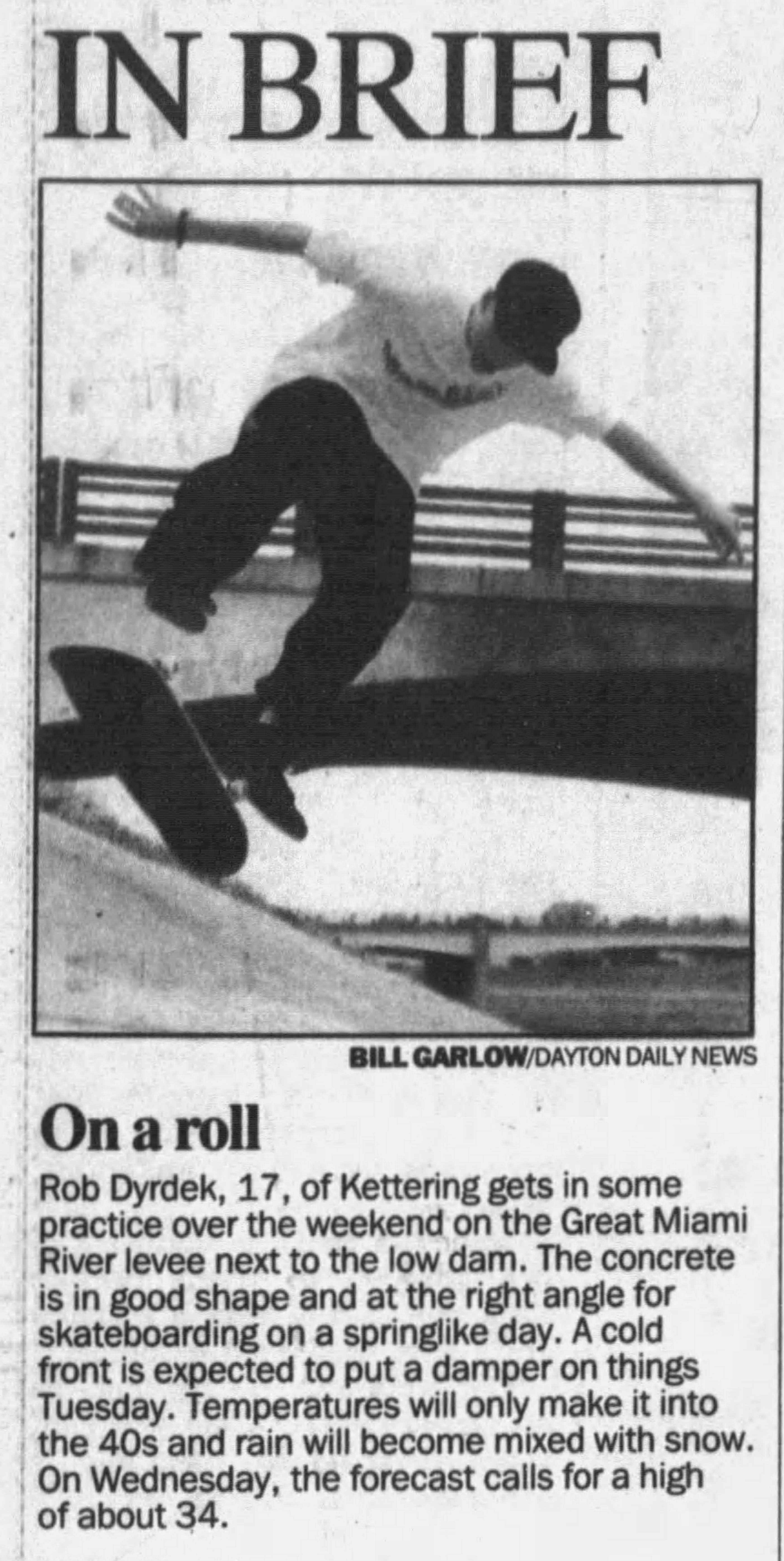
Long before becoming a household name on network television, Rob Dyrdek established his reputation inside the core skateboarding subculture. Born in Kettering, Ohio, in 1974, Dyrdek began skateboarding at age 11. His natural talent quickly caught the attention of local skaters and industry insiders, leading to his first corporate sponsorship with Gordon & Smith (G&S) Skateboards when he was just 12 years old.
Kettering, Ohio to Alien Workshop
Dyrdek’s trajectory changed fundamentally when professional skateboarder Neil Blender left G&S to co-found Alien Workshop in 1990 alongside Chris Carter and Mike Hill. Recognizing Dyrdek’s immense talent, Blender recruited the 16-year-old as one of Alien Workshop's original board riders. To commit entirely to skateboarding, Dyrdek made the strategic decision to forego a traditional high school trajectory and moved to Southern California, the epicenter of the global action sports industry.
Being an original team rider for Alien Workshop provided Dyrdek with artistic prestige and brand credibility. The company’s avant-garde aesthetic and influential skate videos placed Dyrdek at the forefront of 1990s street skateboarding, establishing a foundational fan base that respected his technical ability on the board.
The DC Shoes Partnership and Entrepreneurial Instincts
In the mid-1990s, Dyrdek signed a landmark sponsorship deal with DC Shoes, a brand founded by Ken Block and Damon Way. This partnership went beyond traditional athlete endorsement contracts. Dyrdek leveraged his position to design signature skate shoes, pioneering innovative footwear technologies tailored specifically for street skateboarding.
Over his twenty-year tenure with DC Shoes, Dyrdek designed 29 signature shoes. More importantly, he negotiated royalty structures that earned him millions, demonstrating early business acumen that set him apart from his peers. Rather than relying solely on contest purses, Dyrdek understood that long-term wealth required equity, intellectual property rights, and revenue sharing.
Stage 2: The MTV Television Breakout (2006–2015)
While Dyrdek was well-known within action sports, his transition from subculture icon to mainstream celebrity happened through a series of hit reality television shows on MTV.
Rob & Big: Redefining Reality TV
The catalyst for Dyrdek’s mainstream media breakout was a short promo video featuring himself and his personal bodyguard, Christopher "Big Black" Boykin. Hired originally as a comedic bit to protect Dyrdek from security guards while street skating, the dynamic between the lean, energetic skateboarder and the imposing, humorous bodyguard captivated executives at MTV.
In 2006, MTV premiered Rob & Big. The reality series followed the duo’s odd-couple adventures in Hollywood, featuring lighthearted shenanigans, pet pigs, and street stunts. The show was an instant ratings hit for MTV, running for three seasons until 2008. Rob & Big introduced Dyrdek’s charismatic, upbeat personality to millions of viewers who had never stepped on a skateboard.
Dyrdek’s Fantasy Factory: Merging Stunts with Business
Following the conclusion of Rob & Big, Dyrdek pitched a broader concept to MTV: Dyrdek's Fantasy Factory. Premiering in 2009, the show revolved around a 25,000-square-foot industrial warehouse in Los Angeles that served as both a full-scale skate plaza and an operational corporate headquarters.
Fantasy Factory showcased Dyrdek as a fun-loving yet driven entrepreneur. Alongside his cousin Christopher "Drama" Pfaff and a cast of recurring friends, Dyrdek used the show to incubate and promote actual business ventures, including:
- Street League Skateboarding (SLS): An international competitive skateboarding league.
- Wild Grinders: An animated children’s show and toy line created by Dyrdek.
- Megirider & Stunt Projects: High-profile viral stunts, such as flipping a car backwards and setting world records, which drew massive media coverage.
Fantasy Factory ran for seven seasons, solidifying Dyrdek’s reputation as a creative genius capable of turning absurd ideas into lucrative commercial enterprises.
Stage 3: Building a Media Empire with Ridiculousness
If Rob & Big made Dyrdek famous and Fantasy Factory established his brand, Ridiculousness turned him into one of the most visible figures in cable television history.
- Core Skateboarding Career (Alien Workshop & DC Shoes)
- Mainstream Breakout (MTV) (Rob & Big 2006-2008)
- Enterprise Expansion & Stunts (Fantasy Factory 2009-2015)
- Perpetual Television Syndication (Ridiculousness 2011-Present)
The Business Model Behind Ridiculousness
Launched in 2011, Ridiculousness took the classic "user-generated video clip" format—popularized by America's Funniest Home Videos—and modernized it for the internet culture era. Co-hosted by Sterling "Steelo" Brim and Chanel West Coast (later joined by a rotating cast of celebrity guests), the show featured commentary on viral internet blunders, fails, and stunts.
Dyrdek did not merely act as the host; he served as an executive producer through his production company, Superjacket Productions (later renamed Thrill One Sports & Entertainment). Dyrdek streamlined the production process to record multiple episodes per day, drastically reducing production costs while maintaining high entertainment value.
Syndication and Perpetual Airtime Strategy
By optimizing the production pipeline, Dyrdek created hundreds of episodes per season. MTV recognized that Ridiculousness achieved consistently strong ratings across all demographics. As linear cable television consumption declined throughout the 2010s and 2020s, MTV increasingly relied on Ridiculousness to anchor its daily broadcast schedule.
At various points, Ridiculousness occupied up to 80-90% of MTV's weekly broadcast lineup. This unprecedented broadcast frequency provided Dyrdek with perpetual cultural visibility and generated massive revenue through executive licensing, hosting fees, and production royalties.
Stage 4: Institutionalizing Skateboarding and Business Innovation
Dyrdek did not allow his television success to obscure his business objectives. Instead, he used his fame and capital to build sustainable institutions in action sports and venture capital.
Street League Skateboarding (SLS)
In 2010, Dyrdek founded Street League Skateboarding (SLS), an enterprise designed to elevate professional street skateboarding into a structured, globally broadcast arena sport. Prior to SLS, street skate contests were often disorganized, lacked real-time scoring, and offered modest prize purses.
SLS introduced:
- Instant Scoring Technology: A proprietary scoring system allowing fans to track real-time leaderboards.
- Custom Concrete Arenas: Standardized, high-grade skate courses built inside major sports arenas globally.
- Unprecedented Prize Purses: Financial rewards that allowed professional skateboarders to earn substantial, predictable livings.
SLS eventually forged partnerships with ESPN's X Games, FOX Sports, and international broadcast networks, providing a primary path for competitive street skateboarding's eventual inclusion in the Olympic Games.
The Dyrdek Machine Venture Studio
Transitioning from passive investor to systematic company builder, Dyrdek established Dyrdek Machine in 2016. Described as a "venture creation studio," Dyrdek Machine works alongside founders to systematically build, launch, and scale consumer product brands, media properties, and technology enterprises.
Through Dyrdek Machine, Dyrdek has co-founded and invested in dozens of brands, including Outstanding Foods, Mindright, LUSCTA, and Beatbox Beverages. Rather than serving as a standard celebrity spokesperson, Dyrdek applies his "Do-or-Die" brand architecture model to design operational structures, brand messaging, and distribution pathways.
Key Milestones in Rob Dyrdek’s Rise to Fame
The table below outlines the distinct eras of Rob Dyrdek’s career, illustrating how each phase built upon the last to convert action sports popularity into broader cultural fame:
| Career Era | Primary Platform | Key Achievements | Long-Term Impact |
|---|---|---|---|
| Pro Skateboarder (1990–2005) | Alien Workshop, DC Shoes | 29 signature shoes; major video parts; international contest victories | Established authenticity, core fanbase, and initial financial capital via shoe royalties |
| Reality TV Star (2006–2008) | MTV (Rob & Big) | 3 hit seasons; mainstream pop culture footprint | Transformed Dyrdek into a household name; proved mainstream appeal |
| Media Entrepreneur (2009–2015) | Dyrdek's Fantasy Factory, SLS | Founded Street League Skateboarding; built 25k sq. ft. media/skate hub | Merged entertainment with venture capital; institutionalized professional skating |
| Syndication Mogul (2011–Present) | MTV (Ridiculousness) | Executive Producer & Host; 1,000+ episodes produced | Secured non-stop television presence and massive passive/active media revenue |
| Venture Builder (2016–Present) | Dyrdek Machine | Co-founded dozens of CPG, tech, and media companies | Established Dyrdek as a respected venture capitalist and business strategist |
Lessons from Rob Dyrdek’s Strategic Career Transition
Dyrdek's rise to fame offers several strategic lessons for personal branding, media strategy, and enterprise building:
1. Prioritize Equity Over Talent Fees
Early in his career with DC Shoes and MTV, Dyrdek prioritized long-term upside over short-term payouts. By owning intellectual property, securing licensing revenue, and retaining executive producer titles, he avoided the common financial pitfalls experienced by athletes and television personalities who rely entirely on contract fees.
2. Build a Cross-Promotional Ecosystem
Dyrdek mastered the art of cross-promotion. He used his MTV shows as free distribution channels for his outside business ventures. When he launched Street League Skateboarding, Wild Grinders, or a new shoe line, these projects were featured as plot lines on Fantasy Factory, saving millions in marketing costs while providing authentic engagement.
3. Systematize Content Production
With Ridiculousness, Dyrdek recognized that media consumption was shifting toward high-volume, low-friction content. By designing a hyper-efficient taping schedule that produced dozens of episodes in a single week, he solved a programming supply problem for MTV while maximizing his own leverage as an indispensable network asset.
Frequently Asked Questions
How did Rob Dyrdek get his start in professional skateboarding?
Rob Dyrdek began skateboarding at age 11 in Kettering, Ohio. He earned his first sponsorship with G&S Skateboards at age 12. At 16, he joined Alien Workshop as one of its original team riders alongside mentor Neil Blender, prompting Dyrdek to drop out of high school and move to California to skate professionally full-time.
What was Rob Dyrdek’s first TV show?
Rob Dyrdek’s first major TV show was Rob & Big, which premiered on MTV in November 2006. The reality series co-starred his friend and bodyguard Christopher "Big Black" Boykin and ran for three successful seasons before concluding in 2008.
Is Rob Dyrdek still involved with Street League Skateboarding (SLS)?
Dyrdek founded Street League Skateboarding in 2010 to modernize competitive street skateboarding. While SLS was acquired as part of a larger consolidation within Thrill One Sports & Entertainment in 2022, Dyrdek remains historically credited as its founder and creator.
How does Rob Dyrdek make money outside of TV?
Outside of his television executive fees and hosting revenues, Dyrdek generates significant income through Dyrdek Machine, his venture creation studio. Through Dyrdek Machine, he systematically co-builds, invests in, and exits consumer product, beverage, technology, and health brands.
Why is Ridiculousness on MTV so often?
Ridiculousness yields consistently high ratings at low operational and licensing costs compared to scripted television. Because Dyrdek created an efficient production model capable of delivering hundreds of episodes per year, MTV relies heavily on the program to fill large blocks of its linear broadcast schedule.
Summary: The Blueprint of Rob Dyrdek’s Sustained Success
Rob Dyrdek’s path to fame was neither accidental nor dependent on a single breakthrough moment. Instead, it represents a deliberate evolutionary process: leveraging technical credibility in street skateboarding into signature shoe deals, using high-energy charisma to launch hit reality TV shows, securing television syndication dominance through efficient content production, and reinvesting media wealth into enterprise venture capital.
By combining authentic subcultural roots with sharp business strategy and media production control, Dyrdek successfully transitioned from an elite athlete into a multi-faceted business mogul.
Image Gallery