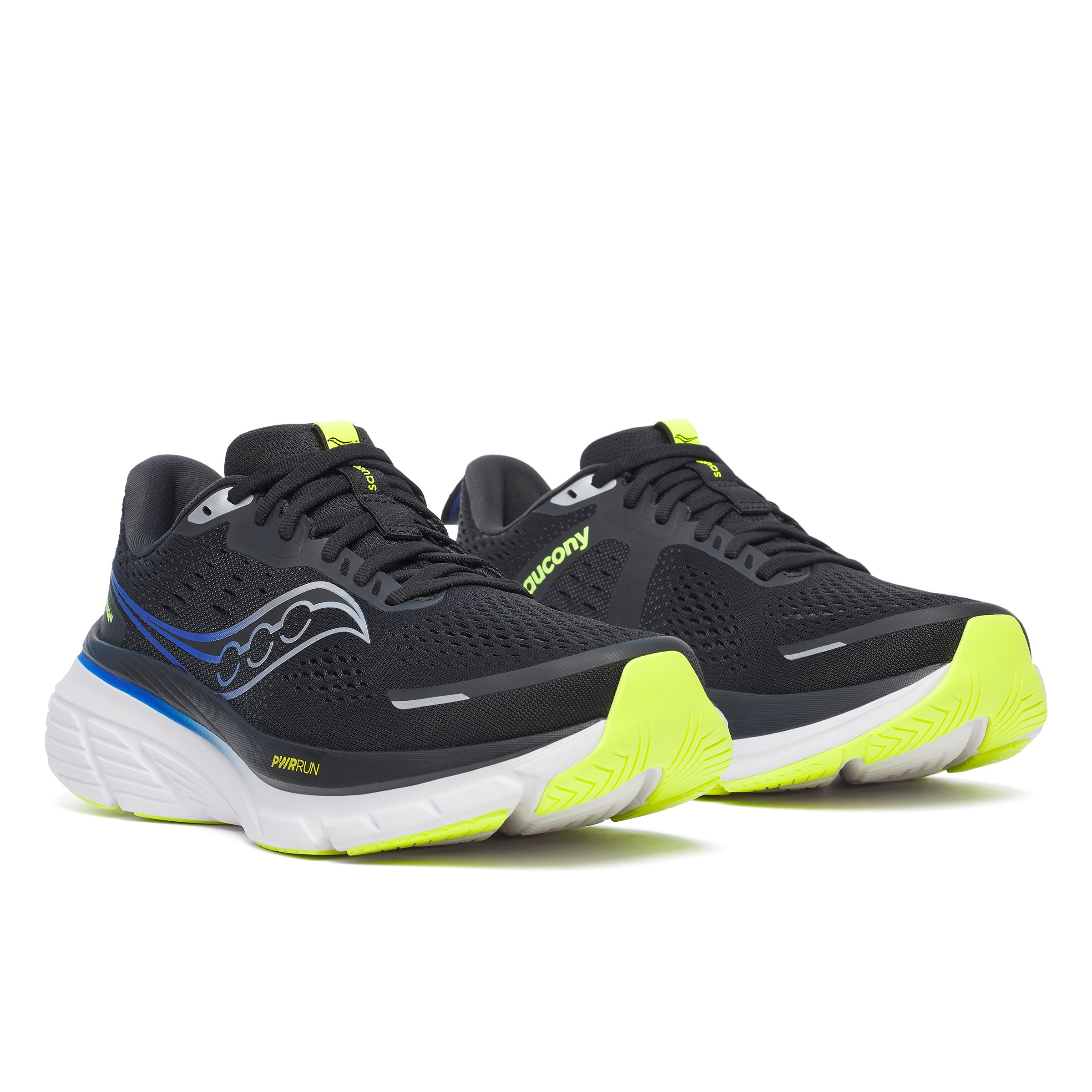
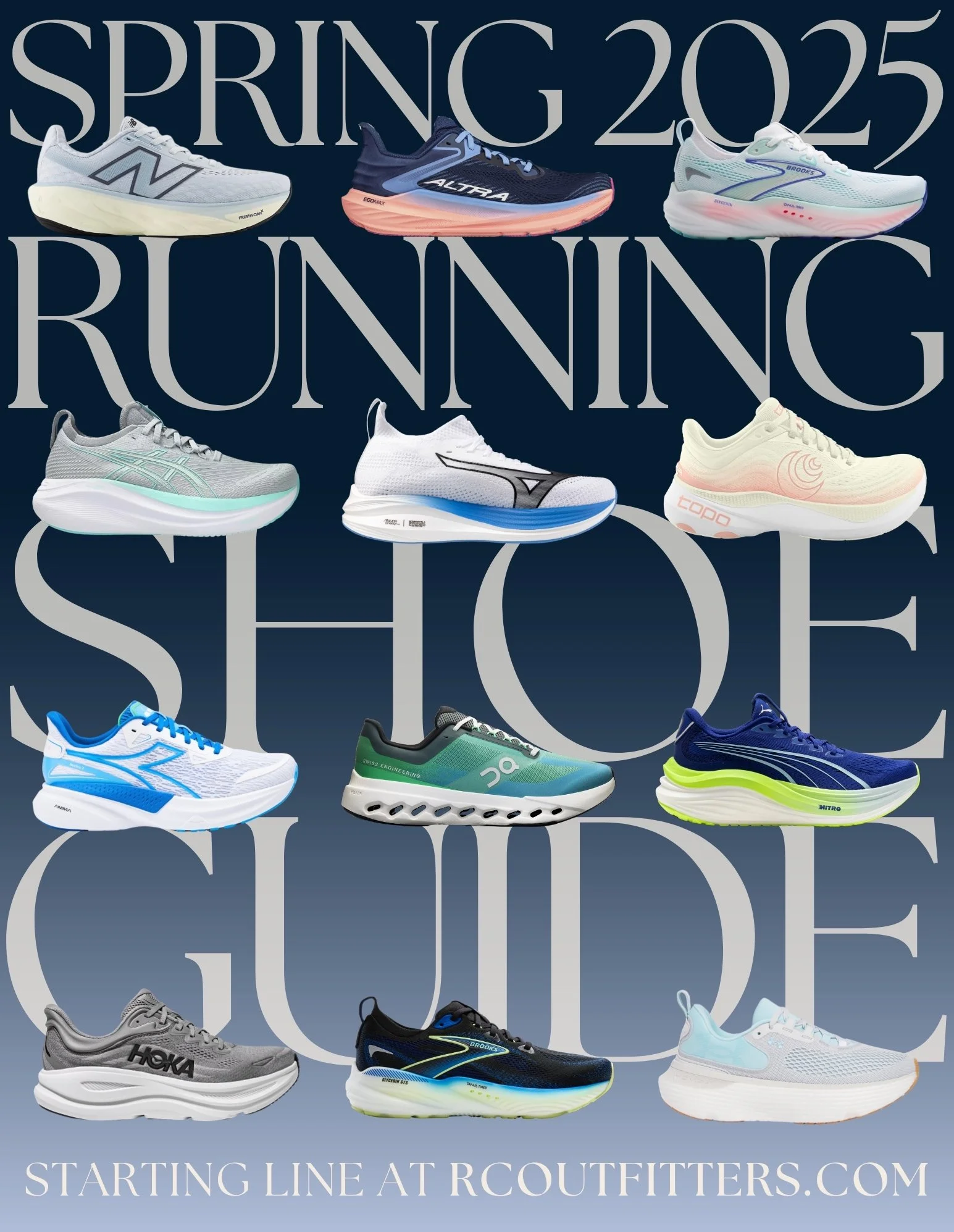
The Running Shoes Guide: Selecting the Right Footwear for Performance and Health
Choosing the ideal pair of running shoes involves matching your unique foot biomechanics, such as pronation and arch height, with specific footwear technologies designed for different terrains and speeds. By understanding midsole foam...
Choosing the ideal pair of running shoes involves matching your unique foot biomechanics, such as pronation and arch height, with specific footwear technologies designed for different terrains and speeds. By understanding midsole foam composition, heel-to-toe drop, and gait analysis, you can improve efficiency while minimizing the risk of common overuse injuries.
Contents
Running is one of the most accessible sports, yet the equipment involved has become increasingly sophisticated. In 2026, the landscape of athletic footwear is defined by a dichotomy: the "maximalist" trend of high-stack, energy-returning foams and the continued refinement of traditional stability structures. Whether you are a casual jogger or a competitive marathoner, navigating this guide will help you decipher technical specifications to find the optimal fit for your needs.
Understanding Your Gait and Foot Biomechanics
Before looking at specific brands or models, you must understand how your body moves. Gait analysis is the process of observing how your foot strikes the ground and moves through a stride. Most runners fall into one of three categories: neutral, overpronation, or supination (underpronation).
Neutral Gait
A neutral gait occurs when the foot lands on the outer heel and then rolls slightly inward (about 15%) to absorb shock. This is the most efficient movement pattern for distributing the impact of running. Neutral runners have the widest variety of shoe choices, typically gravitating toward "neutral" shoes that offer balanced cushioning without additional structural support.
Overpronation
Overpronation is characterized by the foot rolling inward excessively after landing. This is common among individuals with low arches or "flat feet." If left uncorrected by footwear, overpronation can lead to stability issues in the ankles, knees, and hips. To combat this, manufacturers design "stability" or "motion control" shoes. These often feature a medial post—a firmer piece of foam on the inside of the midsole—to prevent the foot from collapsing inward.
Supination (Underpronation)
Supination occurs when the foot does not roll inward enough, causing the impact to be concentrated on the outer edge of the foot. This is frequently seen in runners with high, rigid arches. Because the foot is less efficient at absorbing shock, supinators require shoes with significant cushioning to prevent stress fractures and lateral ankle strain.
The Anatomy of a Modern Running Shoe
To make an informed decision, it is essential to understand the components that make up a running shoe. In 2026, materials science has advanced to the point where "standard" foams are being replaced by supercritical, nitrogen-infused compounds that offer higher energy return.
The Upper
The upper is the part of the shoe that wraps around the foot. Most modern shoes use engineered mesh or knit materials. These are designed to be breathable, flexible, and lightweight. Key features to look for include a "gusseted tongue," which prevents the tongue from sliding, and a reinforced "heel counter" that locks the rearfoot in place to prevent slipping.
The Midsole
The midsole is the most critical component for performance and comfort. This layer provides cushioning and energy return. In the current market, you will encounter two primary types of foam:
- EVA (Ethylene Vinyl Acetate): A traditional, reliable foam that is lightweight and durable.
- PEBA (Polyether Block Amide): Often found in high-end racing shoes, this material offers superior energy return and is significantly lighter than EVA, though it often has a shorter lifespan.
The Outsole
The outsole is the bottom layer that makes contact with the ground. It is usually made of carbon rubber (for durability) or blown rubber (for extra cushioning). The "lug" pattern on the outsole determines the shoe's grip. Road shoes have relatively flat outsoles, while trail shoes feature deep lugs designed to bite into soft mud or loose gravel.
Heel-to-Toe Drop
The "drop" refers to the difference in height between the heel and the forefoot.
- High Drop (10mm - 12mm): Generally better for heel strikers or those with Achilles tendon issues.
- Mid Drop (5mm - 8mm): A versatile range that works for many different striking patterns.
- Zero Drop (0mm): Promotes a more "natural" or barefoot-style strike, placing more demand on the calves and Achilles.
Categorizing Shoes by Training Purpose
Not every run requires the same type of shoe. Most experienced runners maintain a "rotation" of different shoes to target specific training goals.
Daily Trainers
These are the workhorses of any running shoe guide. They are designed for durability and comfort during easy or long-distance runs. They typically weigh between 250g and 300g and offer enough cushioning to protect the joints over hundreds of miles.
Speed and Tempo Shoes
When you want to run fast intervals or tempo runs, you need something lighter and more responsive. These shoes often have firmer foam and a more aggressive "rocker" geometry, which helps transition the foot from heel to toe faster.
Racing Shoes (Super Shoes)
In 2026, carbon-plated racing shoes have become the gold standard for marathons and road races. These shoes combine high-stack PEBA foams with a rigid carbon fiber plate. Research, such as studies published in the Journal of Sports Sciences, suggests these shoes can improve running economy by up to 4%. However, they are expensive and often lose their "pop" after 150-250 miles.
Trail Running Shoes
Trail shoes are built for off-road adventures. They prioritize protection and traction. Many feature "rock plates"—hard inserts in the midsole that protect the foot from sharp stones—and reinforced "toe bumpers" to prevent injury from tripping on roots or rocks.
Comparison of Running Shoe Categories
The following table compares the primary categories of running shoes available in 2026 to help you determine which best fits your current training phase.
| Shoe Category | Best For | Typical Drop | Average Weight | Expected Lifespan |
|---|---|---|---|---|
| Daily Trainer | Easy miles, recovery runs | 8mm - 12mm | 260g - 310g | 400 - 600 miles |
| Stability Shoe | Overpronators, flat feet | 8mm - 10mm | 280g - 330g | 400 - 500 miles |
| Tempo / Speed | Intervals, track work | 4mm - 8mm | 200g - 240g | 300 - 400 miles |
| Race (Carbon) | Marathons, PB attempts | 4mm - 10mm | 160g - 210g | 150 - 250 miles |
| Trail Shoe | Off-road, technical terrain | 0mm - 8mm | 280g - 350g | 400 - 500 miles |
Finding the Perfect Fit: Tips and Best Practices
A shoe can have the most advanced technology in the world, but if it doesn't fit your foot, it will cause problems. Use these steps to ensure a proper fit:
- Shop in the Afternoon: Your feet swell throughout the day and during exercise. Trying on shoes in the afternoon or after a short walk ensures you don't buy a pair that will become too tight mid-run.
- The Thumb Rule: There should be about a thumb’s width of space between your longest toe and the end of the shoe. Running shoes should generally be half a size to a full size larger than your casual shoes.
- Wear Your Running Socks: Always bring the socks you intend to run in. The thickness of a performance sock can significantly change how a shoe feels.
- Check the Width: Ensure your foot isn't "muffin-topping" over the edge of the midsole. Many brands offer wide (2E) or extra-wide (4E) versions of their most popular models.
- Test the Flex: The shoe should flex at the same point your foot does (usually the ball of the foot). If a shoe flexes in the middle of the arch, it may lack the necessary structural integrity.
Maintaining Your Shoes and Knowing When to Retire Them
Running shoes are an investment in your health. Proper maintenance can extend their life, but you must know when they have reached their limit. The American Podiatric Medical Association (APMA) generally recommends replacing running shoes every 300 to 500 miles.
Signs of Wear
- Midsole Compression: If you see deep horizontal creases in the foam or the shoe feels "dead" and unresponsive, the cushioning has likely collapsed.
- Outsole Erosion: When the rubber tread wears down to the foam, traction is compromised.
- Pain: If you start experiencing new aches in your shins, knees, or arches that weren't there before, it’s often a sign that the shoe's structural support is gone.
Maximizing Longevity
- Rotate Your Shoes: If you run daily, owning two pairs and alternating them allows the foam to fully decompress between runs. This can actually increase the total mileage you get out of each pair.
- Air Dry Only: Never put running shoes in a dryer. High heat can melt the glues and deform the specialized midsole foams. If they get wet or muddy, remove the insoles and stuff them with newspaper to dry overnight.
Frequently Asked Questions
How do I know if I need a stability shoe? The most accurate way to determine if you need stability is through a professional gait analysis at a dedicated running store. However, you can look at the wear pattern on your old shoes; if the inner side of the sole is significantly more worn than the outer side, you likely overpronate and would benefit from a stability shoe.
Are expensive "super shoes" worth it for beginners? For most beginners, the answer is no. Carbon-plated racing shoes are designed for high-speed biomechanics and often lack the stability and durability needed for everyday training. A high-quality daily trainer is a much more cost-effective and safer choice for those building a base.
What is the difference between road and trail shoes? Road shoes are designed for hard, flat surfaces and prioritize cushioning and lightness. Trail shoes are designed for uneven terrain and feature aggressive outsoles for grip, stiffer midsoles for stability on rocks, and durable uppers to resist abrasion from debris.
Can I use running shoes for gym workouts or HIIT? While you can, it isn't ideal. Running shoes are designed for forward linear motion. Gym workouts often involve lateral (side-to-side) movements. The high stack height of modern running shoes can be unstable for heavy lifting or lateral jumps, increasing the risk of ankle rolls.
How many miles should running shoes last in 2026? Despite technological advancements, the 300-500 mile rule still applies to most daily trainers. Super-lightweight racing shoes use foams that degrade faster, often losing their performance benefits after 200 miles, whereas "maximalist" trainers with dense foam may last slightly longer.
Final Recommendations
When selecting a shoe from this running shoes guide, prioritize comfort over aesthetics. The best shoe for you is the one that disappears on your foot during a run. Start by identifying your gait, determine the primary surface you will be running on, and visit a specialty store to try on multiple brands. If you are unsure, a neutral daily trainer with a moderate stack height is the safest starting point for most runners.
Image Gallery