When to Use Ice or Heat for Foot Pain Relief
Deciding between ice and heat depends primarily on the age and nature of your foot pain. Ice is the gold standard for acute injuries characterized by sudden trauma, inflammation, or swelling, as it constricts blood vessels. Conversely,...
Deciding between ice and heat depends primarily on the age and nature of your foot pain. Ice is the gold standard for acute injuries characterized by sudden trauma, inflammation, or swelling, as it constricts blood vessels. Conversely, heat is best suited for chronic, lingering pain or muscle stiffness, as it promotes blood flow to aid recovery and loosen tight tissues.
Contents
Understanding the Physiological Effects of Temperature Therapy
Temperature therapy, or thermotherapy and cryotherapy, works by altering the body’s local response to pain and injury. Understanding how these modalities interact with your physiology is the first step in effective self-management of foot discomfort.
Cryotherapy (Ice) When you apply ice to an injured area, the cold triggers vasoconstriction. This process narrows the blood vessels, which serves two primary purposes: it limits the amount of fluid that accumulates in the tissue—thereby reducing swelling—and it slows the transmission of pain signals along the nerves. This is particularly effective during the first 48 to 72 hours following an injury, where the inflammatory response is most aggressive.
Thermotherapy (Heat) Heat application functions through vasodilation, which is the widening of blood vessels. By increasing local circulation, heat delivers more oxygen and nutrients to the injured or stressed site. This increased blood flow helps flush out metabolic waste products that can accumulate in chronically tight muscles. Furthermore, heat increases the elasticity of soft tissues, such as tendons and ligaments, making it an excellent precursor to physical therapy exercises or morning mobility routines.
When to Use Ice: Managing Acute Foot Trauma
Ice is the first line of defense for sudden-onset conditions. If you experience a sharp pain event, such as a trip, fall, or sudden strain, your primary goal is to minimize the body’s inflammatory response.
Common Scenarios for Icing:
- Acute Sprains: A rolled ankle or foot ligament strain causes immediate swelling. Icing helps manage this inflammation.
- Post-Activity Soreness: If you have just finished a high-impact workout and notice swelling or tenderness in your arches or ankles, ice can prevent excessive inflammation.
- Plantar Fasciitis Flare-ups: While often chronic, a new, sharp, or stabbing sensation in the heel after excessive walking is often treated with ice to calm the acute irritation of the fascia.
- Gout Attacks: During a gout flare, the joint is red, swollen, and extremely sensitive; cold therapy can help numb the site and manage the intense heat of the inflammation.
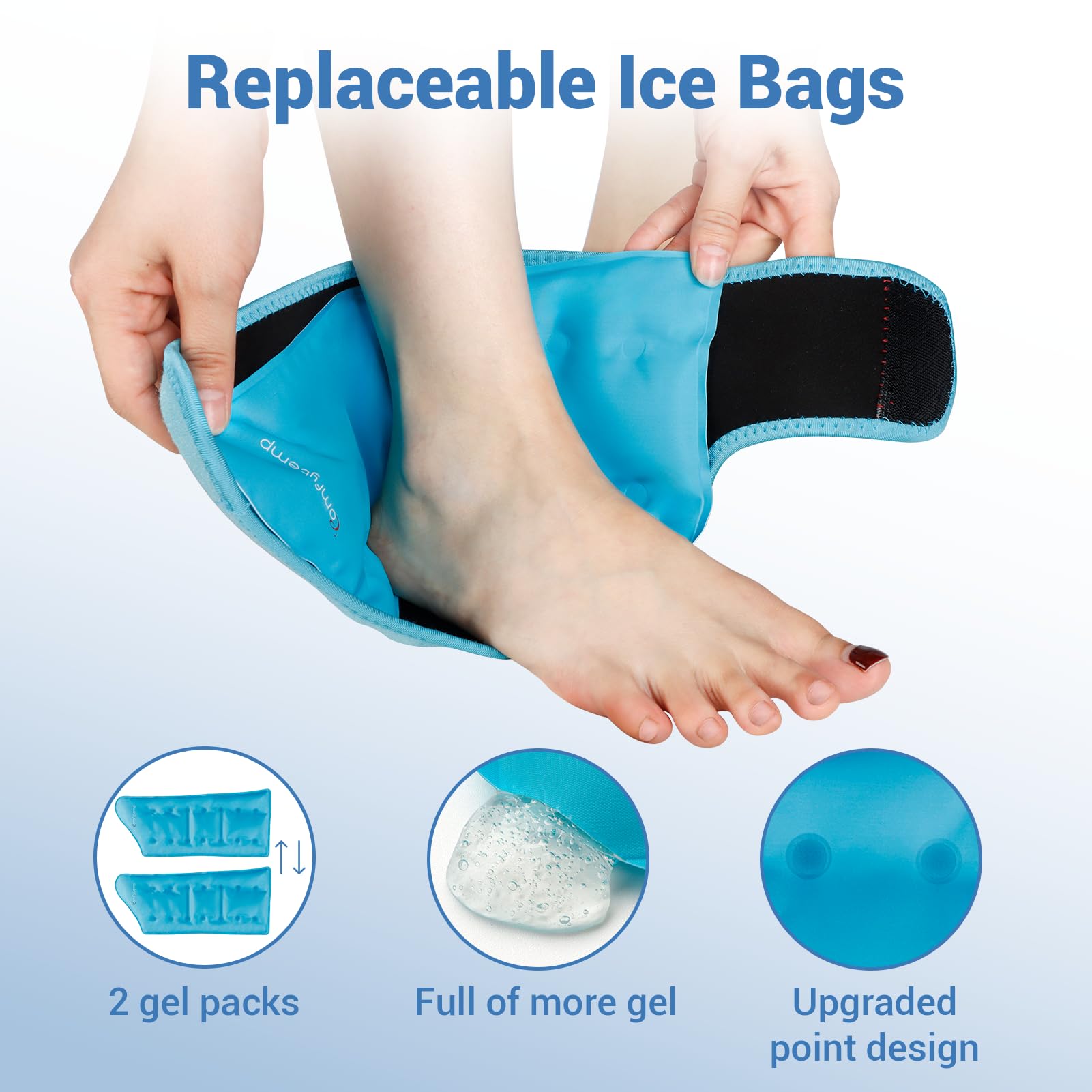
Best Practices for Icing: Avoid direct contact between ice and skin to prevent frostbite. Wrap your ice pack in a thin towel. Limit sessions to 15 to 20 minutes. Allowing the skin to return to normal temperature before reapplying is essential to avoid nerve damage.
When to Use Heat: Addressing Chronic Stiffness
Heat is generally inappropriate for fresh injuries but is highly beneficial for long-standing issues. If your foot pain feels like a dull, throbbing ache or if you experience significant stiffness after periods of rest, heat is usually the superior choice.
Common Scenarios for Heating:
- Chronic Tendinopathy: Conditions like Achilles tendinitis that have transitioned from an acute state to a chronic, nagging ache respond better to blood-flow-promoting heat.
- General Muscle Stiffness: If your feet feel tight or "locked up" when you wake up in the morning, heat can improve range of motion.
- Arthritic Pain: Osteoarthritis in the foot joints often involves stiffness and deep, aching pain. Heat helps relax the muscles surrounding the joint, reducing the mechanical stress caused by tension.
- Pre-Exercise Preparation: Applying heat before a workout can "warm up" the tendons and muscles, reducing the likelihood of a new strain during movement.
Best Practices for Heating: Use a heating pad, warm bath, or moist heat wrap. Ensure the temperature is warm, not scalding, to avoid thermal burns, particularly if you have diminished sensation in your feet due to conditions like diabetes. Sessions should last between 15 and 20 minutes.
Comparative Guide for Selection
Choosing the correct modality requires assessing the "vibe" of your pain. Use this table to quickly categorize your symptoms.
| Feature | Ice Therapy (Cryotherapy) | Heat Therapy (Thermotherapy) |
|---|---|---|
| Pain Type | Sharp, shooting, or throbbing | Dull, aching, or radiating |
| Tissue State | Swollen, red, or warm to the touch | Tight, stiff, or cold |
| Onset | Recent (within 48–72 hours) | Chronic (lingering for weeks/months) |
| Primary Benefit | Reduces inflammation & numbs pain | Relaxes muscles & increases elasticity |
| Timing | Post-activity or post-injury | Pre-activity or morning stiffness |
Critical Safety Considerations and Contraindications
Regardless of the method chosen, your safety is paramount. The feet are distal to the heart and often have unique circulation considerations that must be respected.
Diabetes and Peripheral Neuropathy If you have been diagnosed with diabetes or peripheral neuropathy, you may have reduced sensation in your feet. You might not feel if a heating pad is too hot or if an ice pack is causing localized tissue freezing. For these individuals, temperature therapy should be approached with extreme caution, and it is advisable to consult a podiatrist before beginning a home-based temperature regimen.
Circulatory Issues Individuals with Peripheral Artery Disease (PAD) or other circulation-limiting conditions should avoid extreme temperatures. If blood flow is already compromised, applying heat may place an undue demand on vessels that cannot expand properly, while ice may further restrict essential blood flow to the distal tissues.
Open Wounds and Infections Never apply heat or ice directly over an open wound, an ulcer, or an area with a skin infection. Doing so can disrupt the healing process or introduce contaminants into the wound bed.
Integrating Temperature Therapy into Daily Routine
Effective pain management is often about consistency rather than intensity. For chronic conditions, integrating these practices into your daily routine—such as a warm foot soak before bed to loosen tissues or an ice massage after your evening walk—can help maintain better function.
Practical Tips:
- The "Contrast" Method: In some cases, alternating between heat and ice (contrast baths) can be used to create a pumping action in the blood vessels, which may help reduce swelling in specific sub-acute conditions. However, this should only be done under the guidance of a physical therapist to ensure it is appropriate for your specific pathology.
- Elevation: When icing, elevate the foot above the level of your heart whenever possible. This uses gravity to assist in draining excess fluid away from the foot, enhancing the benefits of the cryotherapy.
- Consistency: One session is rarely enough for chronic pain. Aim to manage your expectations; relief is often cumulative, occurring over several days or weeks of consistent application.
Frequently Asked Questions
How long should I apply ice to my foot? Apply ice for 15 to 20 minutes at a time. Do not exceed 20 minutes, as prolonged exposure to cold can lead to a rebound effect where the body increases blood flow to the area to protect the tissue, which is the opposite of your goal.
Can I use heat on a swollen foot? No. If your foot is swollen, it indicates inflammation or fluid accumulation. Applying heat will increase blood flow and vasodilation, which may exacerbate the swelling and increase the pressure and pain in the area. Use ice for swelling.
Is it safe to sleep with a heating pad on my feet? No, you should never sleep with a heating pad. It poses a significant risk of burns, especially if you fall into a deep sleep and cannot feel the temperature becoming excessive. Use heat only while you are awake and alert.
Why does my foot feel stiffer after I use ice? Cold therapy reduces tissue elasticity. If you ice a stiff, chronic injury, the cold may temporarily make it feel tighter. This is why ice is preferred for acute inflammation and heat is preferred for mobility and stiffness.
When should I stop home treatment and see a doctor? Seek medical attention if your foot pain is the result of a severe impact, if you cannot bear weight on the foot, if the pain is accompanied by fever, or if the pain does not improve after 7 to 10 days of consistent self-care.
Final Recommendations
For most minor foot pain, the strategy is simple: if the area is hot, swollen, or the injury is new, choose ice. If the area is stiff, cold, or the pain is a long-term, dull ache, choose heat. Always monitor your skin condition during these sessions, and prioritize consistent, moderate applications over high-intensity treatments. If your symptoms persist or worsen despite these measures, consult a qualified healthcare provider to rule out underlying structural issues or biomechanical imbalances.
Image Gallery