When Was Squid Game Written: The Long Journey Behind the Script
Hwang Dong-hyuk began writing the original script for Squid Game in 2008, drawing inspiration from his personal financial struggles and the competitive nature of modern society. Although the concept was completed in 2009, it faced a de...
Hwang Dong-hyuk began writing the original script for Squid Game in 2008, drawing inspiration from his personal financial struggles and the competitive nature of modern society. Although the concept was completed in 2009, it faced a decade of rejection from studios that deemed the story too bizarre and implausible before Netflix finally greenlit the project for a 2021 release.
Contents
The Genesis of a Global Phenomenon
The narrative of Squid Game did not emerge from a vacuum; it was born out of a period of profound economic insecurity for its creator, Hwang Dong-hyuk. In 2008, following the global financial crisis, Hwang found himself living with his mother and grandmother. During this time, he frequented manhwa (Korean comic) cafes, immersing himself in survival-themed manga such as Battle Royale, Liar Game, and Kaiji.
Hwang was fascinated by the premise of individuals pushed to their absolute limits, forced to compete in lethal games for a massive cash prize. He envisioned a story that utilized traditional Korean childhood games—ones that were simple and nostalgic—to contrast sharply with the gruesome reality of a modern death game. He wrote the first draft of the script in 2009, intending for it to be a feature film rather than the nine-episode series eventually seen on Netflix.
A Decade of Rejection and Uncertainty
Between 2009 and 2019, the script for Squid Game was largely considered "unmarketable" by the South Korean film industry. Producers and potential investors found the premise too violent, dark, and unrealistic. At that time, the concept of a dystopian survival game was viewed as a niche interest rather than a potential mass-market blockbuster.
During this decade, Hwang Dong-hyuk moved on to direct other successful projects, such as Silenced (2011), Miss Granny (2014), and The Fortress (2017). Despite his growing reputation as a filmmaker, the Squid Game script remained in a desk drawer. He later recounted that he even had to sell his laptop at one point due to financial hardship, further grounding the series' themes of desperation in his own reality.
The Pivot to Netflix
The turning point for the project arrived in 2019. Netflix was actively expanding its investment in non-English language content, particularly from South Korea, as part of a global push to diversify its library. Hwang Dong-hyuk pitched the concept to Netflix, and unlike traditional studios, the streaming giant saw potential in the dark social commentary he had crafted a decade prior.
By the time the project reached production, the world had changed. The 2008 economic climate that inspired the script—marked by extreme inequality and household debt—had evolved but not disappeared. The COVID-19 pandemic, which coincided with the show’s production and eventual 2021 release, arguably made the themes of wealth disparity and social alienation even more resonant with a global audience.
The Evolution of the Script
While the core premise remained anchored to the 2009 draft, the transition from a feature-length film script to a nine-episode series allowed for significant expansion. This format shift provided the necessary space to develop character backstories, which were vital for the audience to empathize with the participants of the games.
| Development Phase | Timeframe | Key Focus |
|---|---|---|
| Initial Drafting | 2008–2009 | Concept development and survival game mechanics. |
| Industry Rejection | 2009–2019 | Script shelved due to perceived marketability issues. |
| Netflix Acquisition | 2019 | Pitching and re-development into a series format. |
| Production | 2020–2021 | Filming, set design, and finalizing the narrative arc. |
The series format allowed the creative team to deepen the psychological profiles of characters like Seong Gi-hun and Cho Sang-woo. The expansion enabled the script to explore the "why" behind the games, creating a multi-layered narrative that served as a critique of capitalist structures and human nature, rather than focusing solely on the spectacle of the games themselves.
Cultural Context and Intentionality
The choice of games included in the script was highly intentional. Hwang selected games that were staples of Korean childhoods in the 1970s and 1980s. By using games like "Red Light, Green Light" and the "Squid Game" itself, he created a dissonance between the innocence of childhood memories and the brutality of adult greed.
The script also utilizes the "Front Man" and the masked guards as faceless symbols of authority, creating an environment where the players lose their individuality. This reflection of social dehumanization was a conscious choice by the writer, intended to mirror how modern society often views indebted individuals as mere numbers or statistics.
Production Challenges and Accuracy
Translating a script written in 2009 to a 2021 production environment required careful balancing. Some of the technology and social references had to be updated to match the contemporary era, while the core emotional beats remained consistent. The production design, led by Chae Kyung-sun, was tasked with turning the abstract, terrifying scenes described in the script into tangible sets.
The high-contrast colors and geometric shapes seen in the series were designed to mimic a playground, further emphasizing the absurdity of the situation. Every prop, from the green tracksuits to the dalgona candy, was vetted to ensure it served the story without distracting from the psychological stakes.
Frequently Asked Questions
Was the script originally meant for a movie? Yes. Hwang Dong-hyuk originally conceived the story as a feature film script in 2009, but the film industry rejected it for ten years because it was deemed too violent and difficult to finance.
How did the COVID-19 pandemic impact the story? While the script was written long before 2020, the pandemic underscored the themes of global economic inequality and isolation. The timing of the series' release on Netflix in 2021 meant the themes resonated more deeply with a global audience experiencing similar financial anxieties.
Are the games in the script based on real Korean traditions? Yes, the games featured, such as "Red Light, Green Light" (Mugunghwa-kkochi pieotseumnida), "Dalgona" (sugar honeycomb toffee), and the "Squid Game," were popular playground activities for Korean children in the 1970s and 1980s.
Why did it take so long for the show to get produced? The industry in the early 2010s was not prepared for a dark, violent, and highly cynical social critique in the form of a survival series. It took the emergence of global streaming platforms like Netflix, which were seeking unique, high-concept international content, to finally provide the budget and creative freedom required for the project.
Is there a direct sequel to the original script? The first season concludes the main narrative of the original 2009 concept, though the massive success of the show led to the development of a second season, which expands the universe created by Hwang Dong-hyuk.
Recommendation for Further Understanding
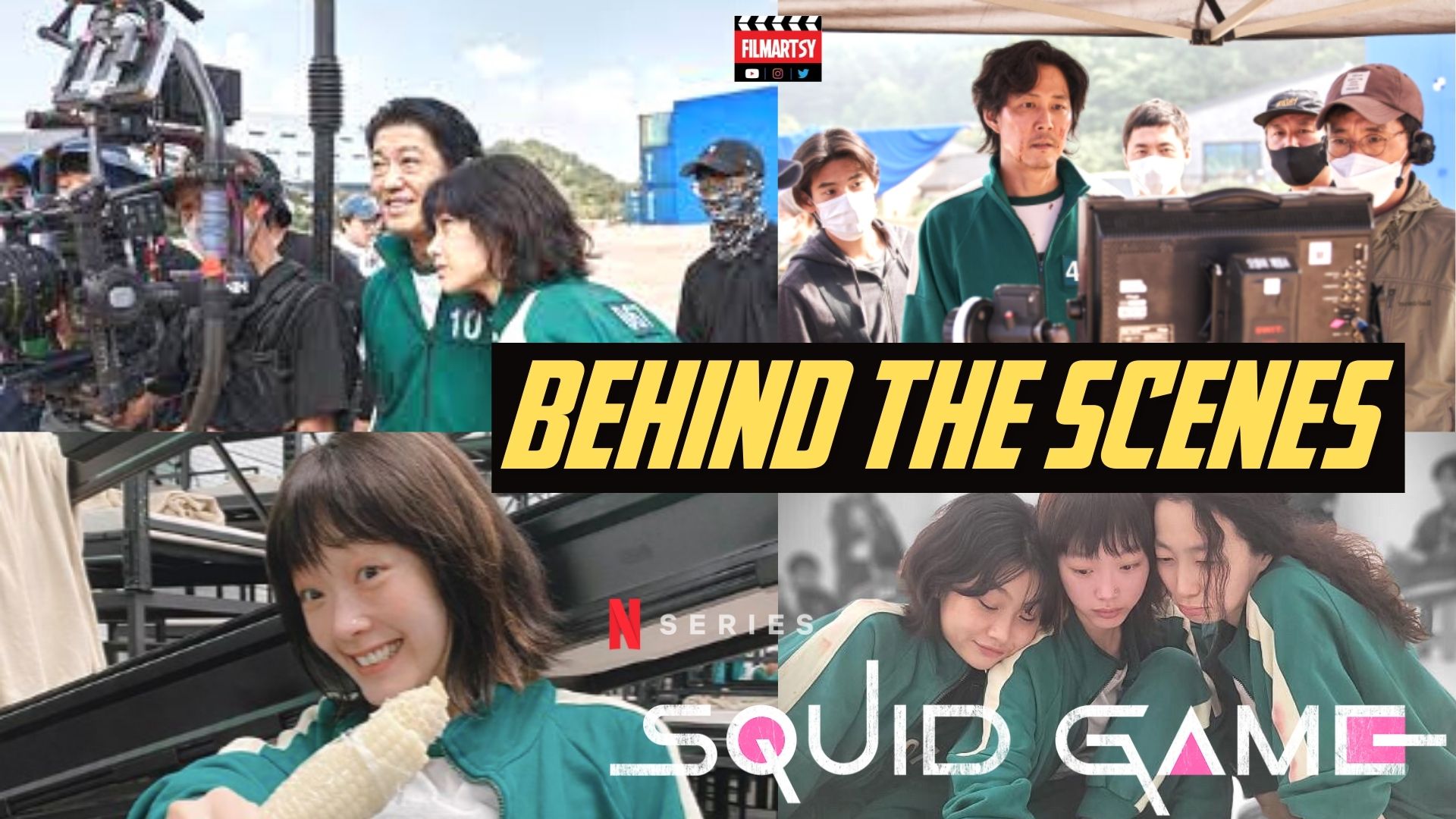
If you are interested in the evolution of Squid Game, start by viewing the documentary Squid Game: The Challenge or behind-the-scenes featurettes released by Netflix. These resources offer visual context to the script’s progression from a written page to a massive set design, providing a deeper look at how the director bridged the gap between his 2009 vision and the demands of modern television production. Understanding this trajectory highlights how persistence in creative fields can eventually lead to a global cultural shift, even when initial feedback suggests otherwise.
Image Gallery