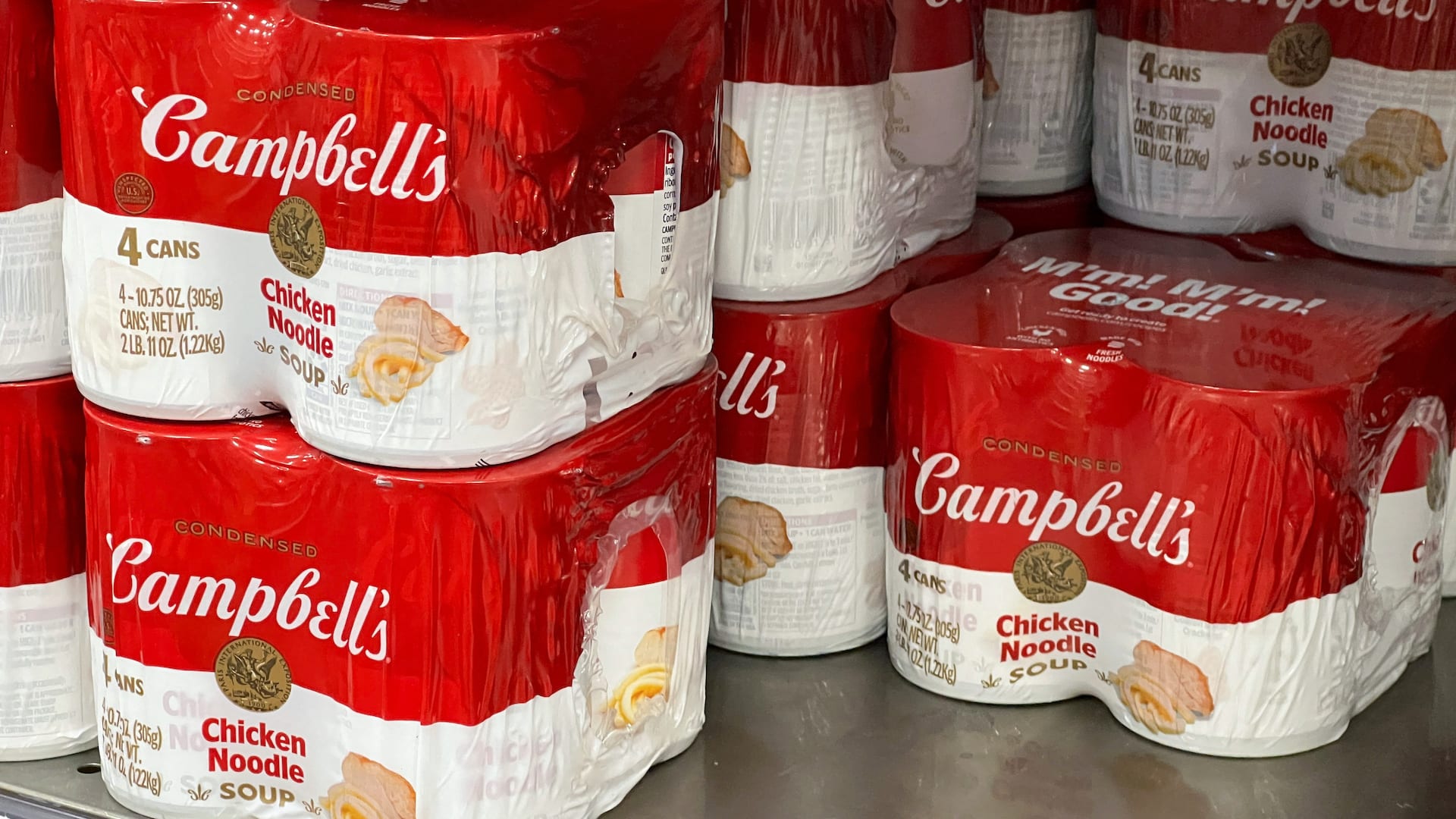
The Campbell Soup Family Net Worth Overview: Wealth, Legacy, and Corporate Evolution
The Campbell Soup family net worth overview examines the multi-generational wealth of the Dorrance family, descendants of Dr. John T. Dorrance, who invented condensed soup in 1897. Today, the family controls a collective fortune estima...
The Campbell Soup family net worth overview examines the multi-generational wealth of the Dorrance family, descendants of Dr. John T. Dorrance, who invented condensed soup in 1897. Today, the family controls a collective fortune estimated in the billions, anchored by a substantial stake in Campbell Soup Company (NYSE: CPB), making them one of America's most enduring and wealthy industrial dynasties.
Contents
Understanding the financial standing of a prominent dynastic family requires a close look at corporate equity, estate planning structures, and the broader economic ecosystem of the packaged foods industry. While public media often refers to the fortune monolithically, the wealth is distributed among numerous heirs, trusts, and philanthropic foundations. This overview breaks down how the Campbell Soup family accumulated its wealth, the mechanisms used to preserve it across generations, and its current standing in the landscape of American family fortunes.
The Origins of the Dorrance Fortune and Campbell Soup
The foundation of the Campbell Soup family net worth began at the turn of the 20th century. In 1897, Dr. John T. Dorrance, a chemist with a Ph.D. from the University of Göttingen, joined the Joseph Campbell Preserve Company in Camden, New Jersey. At the time, canned soups were heavy, expensive to ship, and sold in bulky containers because they contained large amounts of water.
Dorrance revolutionized the food processing industry by inventing a commercially viable method for condensing soup by removing half of its water content. This innovation drastically reduced manufacturing, packaging, and shipping costs, allowing quality soup to be sold for a fraction of its previous price.
Corporate Expansion and Consolidation
As consumer demand for shelf-stable, convenient meals skyrocketed, the company expanded rapidly. Dr. Dorrance eventually bought out his uncle Arthur Dorrance, who had been running the business operations, taking sole control of the enterprise.
Key milestones in the company's early corporate evolution include:
- 1922: The enterprise officially changed its name to the Campbell Soup Company.
- 1954: The company went public, offering shares to the public market while the Dorrance family maintained a controlling majority.
- Global Footprint: Over the decades, acquisitions expanded the portfolio to include brands like Pepperidge Farm, Swanson, V8, Prego, and Rao's, bolstering the underlying value of the family’s equity holdings.
Assessing the Collective and Individual Family Net Worth
Evaluating the exact net worth of the Campbell Soup family is complex because the wealth is divided among dozens of descendants spanning multiple generations. However, financial tracking publications, including Forbes and Bloomberg, regularly monitor the Dorrance family as one of the richest dynasties in the United States.
The collective net worth of the Dorrance family is estimated to range between $15 billion and $20 billion, fluctuating with the market valuation of Campbell Soup Company shares and the performance of broader consumer defensive equities.
How the Wealth Is Distributed
Unlike families whose wealth is tied up in a single private operating company, the Dorrance family fortune is publicly traded and liquid to varying degrees. The family members hold their wealth through a combination of:
- Direct Stock Ownership: Individual heirs hold millions of shares in Campbell Soup Company.
- Family Trusts: Long-standing generation-skipping trusts and legacy trusts established by Dr. John T. Dorrance and his immediate children.
- Diversified Portfolios: Over the decades, many family branches have diversified their holdings away from 100% soup concentration into real estate, venture capital, and broader equities.
| Wealth Component | Description | Impact on Net Worth |
|---|---|---|
| Campbell Soup Equity (CPB) | Direct and trust-held shares of the publicly traded parent company. | Primary driver of baseline fortune volatility. |
| Diversified Investments | Private equity, venture capital, and public market portfolios managed by family offices. | Mitigates sector-specific industry risk. |
| Real Estate Holdings | Substantial land, historic estates, and commercial properties owned across generations. | Provides stable, long-term capital preservation. |
| Philanthropic Endowments | Private foundations funded by family assets. | Reduces taxable estate liability while maintaining generational influence. |
Wealth Preservation and Estate Planning Strategies
Maintaining a multi-billion-dollar fortune across more than a century requires sophisticated wealth management and estate planning. The Dorrance family has historically utilized conservative financial strategies to protect their holdings from heavy tax erosion and market downturns.
The Role of Trusts and Family Offices
When Dr. John T. Dorrance passed away in 1930, he left behind a massive estate. Subsequent generations have utilized advanced estate planning tools, such as irrevocable trusts, to pass wealth down to children and grandchildren while minimizing estate and gift taxes.
Furthermore, prominent branches of the family utilize private family offices to manage investments, tax filings, legal compliance, and philanthropic giving. These offices employ teams of wealth managers, tax attorneys, and fiduciary accountants to ensure that the family assets continue to grow ahead of inflation.
Voting Control and Corporate Governance
Despite the dilution of individual stakes across dozens of heirs, the Dorrance family has historically maintained a unified voting bloc. Through coordinated trust management and family shareholder agreements, the family has retained significant influence over the board of directors and strategic direction of Campbell Soup Company. This enduring governance protects the family's interests, ensuring that major corporate decisions—such as acquisitions, divestitures, or leadership changes—align with the long-term preservation of family capital.
Philanthropy and Public Legacy
Beyond commercial success and financial portfolios, the Campbell Soup family has built a substantial legacy through institutional philanthropy. Members of the family have historically funded educational institutions, medical research facilities, and cultural organizations, particularly in the mid-Atlantic region and New England.
Major philanthropic efforts associated with the family name include support for universities, hospitals, and environmental conservation trusts. These philanthropic vehicles not only serve community needs but also provide structural mechanisms for tax efficiency and family cohesion across disparate branches of the dynasty.
Frequently Asked Questions
What is the primary source of the Campbell Soup family wealth?
The wealth originates from the invention of condensed soup by Dr. John T. Dorrance in 1897 and the subsequent decades of growth and brand acquisition by Campbell Soup Company. Public stock ownership and dividends form the core of the family's assets.
How much is the Campbell Soup family worth today?
Collective estimates place the Dorrance family net worth between $15 billion and $20 billion. This figure fluctuates regularly based on the stock price of Campbell Soup Company (NYSE: CPB) and the performance of diversified family investments.
Do members of the Dorrance family still run Campbell Soup?
While family members have historically served on the board of directors and maintained significant voting power, executive leadership of the company has frequently included external professional CEOs to navigate modern food industry dynamics.
How many family members share the fortune?
The fortune is distributed among dozens of descendants across multiple generations. Because the wealth has branched out significantly since 1930, individual net worths vary dramatically from branch to branch.
Is all of the family's wealth tied up in soup stock?
No. While company stock formed the original basis of the fortune, generations of descendants have diversified their wealth into real estate, private equity, bonds, and other equities through family offices and independent wealth management firms.
Conclusion and Next Actions
The Campbell Soup family net worth overview demonstrates how a single chemical innovation in food processing can create a multi-generational industrial dynasty. Supported by disciplined trust structures, professional wealth management, and strategic equity control, the Dorrance family remains a prominent fixture in American wealth tracking. For researchers, investors, or students of economic history tracking consumer packaged goods, monitoring the SEC filings of Campbell Soup Company and observing shifts in major institutional holdings provide ongoing insight into the stability of this enduring American fortune.
Image Gallery