How to Win the Mega Millions Jackpot
To win the Mega Millions jackpot, you must match all six numbers drawn: five white balls from a set of 1 to 70 and one gold Mega Ball from a set of 1 to 25. While the odds are 1 in 302,575,350, you can maximize your participation by jo...
To win the Mega Millions jackpot, you must match all six numbers drawn: five white balls from a set of 1 to 70 and one gold Mega Ball from a set of 1 to 25. While the odds are 1 in 302,575,350, you can maximize your participation by joining lottery pools or consistently playing every draw.
Contents
Winning one of the largest financial prizes in the world requires a combination of strict adherence to game rules, an understanding of astronomical probabilities, and a plan for the logistical realities of claiming a massive windfall. As of 2026, Mega Millions remains a cornerstone of American lottery culture, often reaching billion-dollar estimates that capture international attention. While no "system" can guarantee a win due to the purely random nature of the draw, understanding the mechanics of the game is the first step for any hopeful player.
Understanding the Mega Millions Game Mechanics
Mega Millions is a multi-state lottery game offered in 45 states, plus the District of Columbia and the U.S. Virgin Islands. Each play costs $2.00, though many players opt for the "Megaplier" feature for an additional $1.00, which multiplies non-jackpot prizes by two, three, four, or five times.
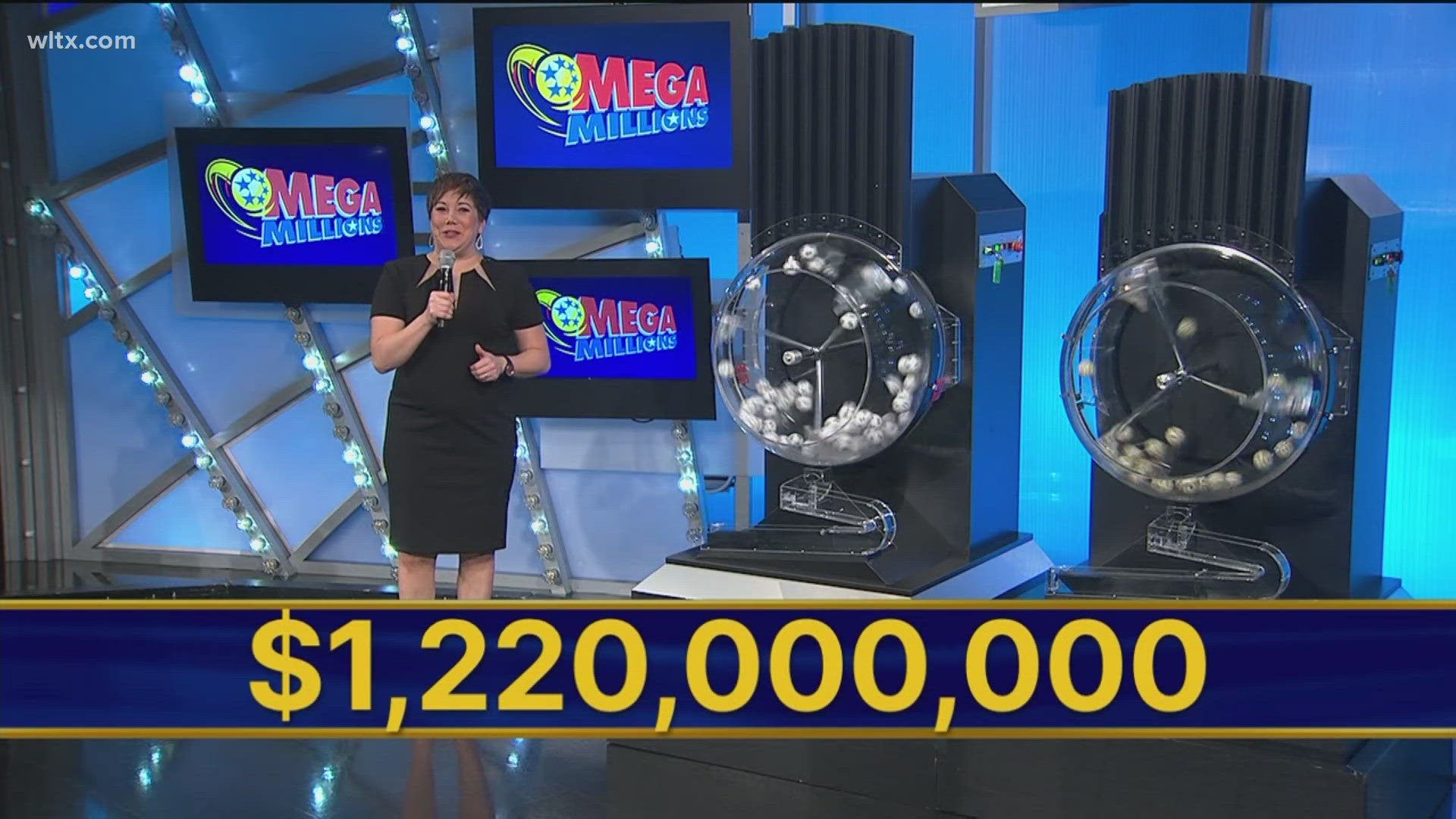
The draw consists of two separate machines. The first contains white balls numbered 1 through 70, from which five are selected. The second machine contains gold Mega Balls numbered 1 through 25, from which one is selected. To secure the jackpot, a player's ticket must match all five white balls in any order and the single gold Mega Ball. If multiple people match all six numbers, the jackpot is divided equally among them.
Ticket Options: Quick Pick vs. Manual Selection
When purchasing a ticket, players face the choice of choosing their own numbers or opting for a "Quick Pick," where a computer randomly generates the sequence. Statistically, the odds of winning are identical regardless of the method used. However, historical data shows that about 70% to 80% of lottery winners used Quick Picks. This is not because the computer is "luckier," but rather because the vast majority of tickets purchased are Quick Picks.
Manual selection allows players to use "meaningful" numbers, such as birthdays or anniversaries. One strategic disadvantage of manual selection is that many players choose numbers between 1 and 31 (corresponding to days of the month). If the winning numbers fall within this range, there is a significantly higher statistical likelihood that you will have to share the jackpot with other winners who chose the same common numbers.
The Mathematical Reality: Odds and Probabilities
Understanding the odds is crucial for maintaining a healthy perspective on the game. The Mega Millions jackpot odds are fixed at 1 in 302.5 million per $2 play. To put this in perspective, you are statistically more likely to be struck by lightning, become a professional athlete, or be part of a royal family than you are to hold the winning jackpot ticket for a single draw.
However, the game offers nine different ways to win prizes, ranging from the jackpot down to $2 (matching just the Mega Ball). The overall odds of winning any prize are approximately 1 in 24.
Prize Tier Breakdown
| Match Type | Prize Amount | Odds of Winning |
|---|---|---|
| 5 White Balls + Mega Ball | Jackpot | 1 in 302,575,350 |
| 5 White Balls | $1,000,000 | 1 in 12,607,306 |
| 4 White Balls + Mega Ball | $10,000 | 1 in 931,001 |
| 4 White Balls | $500 | 1 in 38,792 |
| 3 White Balls + Mega Ball | $200 | 1 in 14,547 |
| 3 White Balls | $10 | 1 in 606 |
| 2 White Balls + Mega Ball | $10 | 1 in 693 |
| 1 White Ball + Mega Ball | $4 | 1 in 89 |
| Mega Ball Only | $2 | 1 in 37 |
Note: Prize amounts for non-jackpot tiers may be higher if the Megaplier was purchased.
Strategic Approaches to Playing Mega Millions
While you cannot influence the physics of the ball machine, you can influence the mathematical probability of your household or group winning by increasing the number of unique combinations you own for a single drawing.
The Power of the Lottery Pool (Syndicate)
The only scientifically proven way to increase your odds of winning the jackpot is to buy more tickets. Because buying hundreds or thousands of tickets is financially unsustainable for an individual, many players join "lottery pools" or syndicates. By pooling money with friends, family, or coworkers, a group can purchase a larger volume of tickets.
For example, if a group of 50 people each contributes $2, the group holds 50 tickets, improving their odds from 1 in 302.5 million to 1 in 6.05 million. While the prize would be split 50 ways, a billion-dollar jackpot would still result in life-changing wealth for every participant. It is essential to have a written agreement for any pool to avoid legal disputes regarding ticket ownership and prize distribution.
Consistency and Multi-Draw Options
Many states offer a "Multi-Draw" option, allowing players to purchase tickets for up to 26 or 52 consecutive drawings in advance. This ensures you never miss a drawing, especially when jackpots reach record highs and lines at retail locations become long. While playing every week does not increase the odds of a specific drawing, it increases your "lifetime" probability of eventually hitting a winning combination.
Avoiding "System" Scams
Players should be wary of any service or book claiming to have a "system" for predicting winning numbers. Lottery drawings are independent events; the numbers drawn last Tuesday have no physical or mathematical influence on the numbers drawn this Friday. Using "hot" numbers (numbers that have appeared frequently) or "cold" numbers (numbers that haven't appeared in a while) is a common fallacy known as the Gambler's Fallacy. Each number in the drum has an equal 1 in 70 (or 1 in 25) chance of being selected in every single draw.
Financial and Legal Considerations of Winning
If you find yourself holding a winning ticket, the "how to win" process shifts from luck to logistics. The decisions made in the first 48 hours after a win will dictate the security and longevity of the wealth.
Annuity vs. Lump Sum
Jackpot winners must choose between two payment options:
- Annuity Option: The jackpot is paid out as one immediate payment followed by 29 annual payments. Each payment is 5% larger than the previous one. This protects the winner from spending the entire fortune at once and provides long-term financial security.
- Cash Option (Lump Sum): The winner receives a one-time, lump-sum payment equal to all the cash in the Mega Millions jackpot prize pool. This is typically significantly less than the advertised jackpot amount (often around 60% of the headline figure) but allows for immediate investment and use of the funds.
Taxation Realities
Lottery winnings are considered ordinary income by the IRS. A federal withholding tax of 24% is typically applied immediately to large prizes, but winners will likely owe the top federal tax rate (currently 37% as of 2026) when filing their annual returns. Additionally, most states levy their own taxes on lottery winnings, ranging from 0% (in states like Florida, Texas, and Washington) to over 10% (in states like New York).
The Question of Anonymity
Only a handful of states allow jackpot winners to remain completely anonymous. These include Delaware, Kansas, Maryland, Mississippi, North Dakota, Ohio, South Carolina, and Texas. In other states, the winner's name and city of residence are public record. Some winners in "public" states attempt to claim prizes via a blind trust or LLC to shield their identity, though state laws vary on the legality and effectiveness of this approach.
Steps to Take if You Win
If you verify that your numbers match the drawing, you must act with extreme caution. The ticket is a "bearer instrument," meaning that—unless signed—whoever holds the ticket can theoretically claim the prize.
- Secure the Ticket: Sign the back of the ticket immediately to establish ownership. Place it in a secure location, such as a fireproof safe or a bank safety deposit box.
- Remain Silent: Do not post on social media or tell anyone outside of your immediate household until you have professional representation.
- Hire a Professional Team: You will need a tax attorney, a certified public accountant (CPA), and a reputable financial advisor. These professionals will help you navigate the claim process, tax liabilities, and estate planning.
- Check the Expiration Date: Claim periods vary by state, typically ranging from 90 days to one year from the date of the drawing. Ensure you understand your state's specific deadline.
Common Pitfalls to Avoid
Many lottery winners lose their fortunes within a few years due to common mistakes. Understanding these risks is part of a comprehensive winning strategy.
- Lost or Damaged Tickets: If a ticket is lost or becomes unreadable due to heat or liquid damage, it cannot be redeemed. Always treat the ticket like cash.
- Missing the Megaplier: If you win a $1 million prize (matching 5 white balls) but didn't buy the Megaplier, you miss out on potentially turning that $1 million into $5 million.
- Scams: Official lotteries never contact winners via email or social media to request "processing fees" to release a prize. If you didn't buy a ticket, you didn't win.
- The "Lottery Curse": This refers to the social and psychological strain of sudden wealth. Setting clear boundaries with friends and family and avoiding impulse luxury purchases is vital for long-term success.
Frequently Asked Questions
Can I play Mega Millions if I am not a U.S. resident?
Yes, non-U.S. residents can legally play and win Mega Millions as long as they purchase the ticket within a participating U.S. jurisdiction. However, prize winnings are subject to U.S. federal and state income taxes, and non-residents may face different withholding rates (often 30% for federal tax).
What happens if the jackpot isn't claimed?
If a jackpot is not claimed within the state's required timeframe, the money is returned to all the participating states in the Mega Millions group. Each state uses its portion of the unclaimed prize funds for purposes decided by that state’s legislature, often benefiting education or general funds.
Is there a "best" time to buy a ticket?
No. Whether you buy your ticket seconds after the previous draw or minutes before the sales cutoff for the current draw, your odds of winning remain exactly the same. The random number generator used by the computer or the physical balls used in the draw does not account for the time of purchase.
Can I buy Mega Millions tickets online?
As of 2026, several states allow the purchase of Mega Millions tickets through official state lottery websites or licensed third-party apps like Jackpocket. However, you must be physically located within the borders of a participating state at the time of purchase, verified via GPS.
Does the Megaplier apply to the jackpot?
No. The Megaplier only applies to non-jackpot prizes. For example, if you match five white balls and have the Megaplier, your $1 million prize could become $2 million, $3 million, $4 million, or $5 million, but the jackpot amount remains unaffected by this feature.
Final Recommendation
Winning the Mega Millions jackpot is a matter of extreme statistical luck. To participate responsibly, treat the lottery as a form of entertainment rather than a financial plan. If you choose to play, the most effective strategy is to join a lottery pool to increase your total number of entries without increasing your personal financial risk. Always sign your ticket immediately, keep it in a safe place, and consult with legal and financial experts before claiming any significant prize. For official rules and updates, visit the Mega Millions Official Website or your specific state's lottery commission page.
Image Gallery