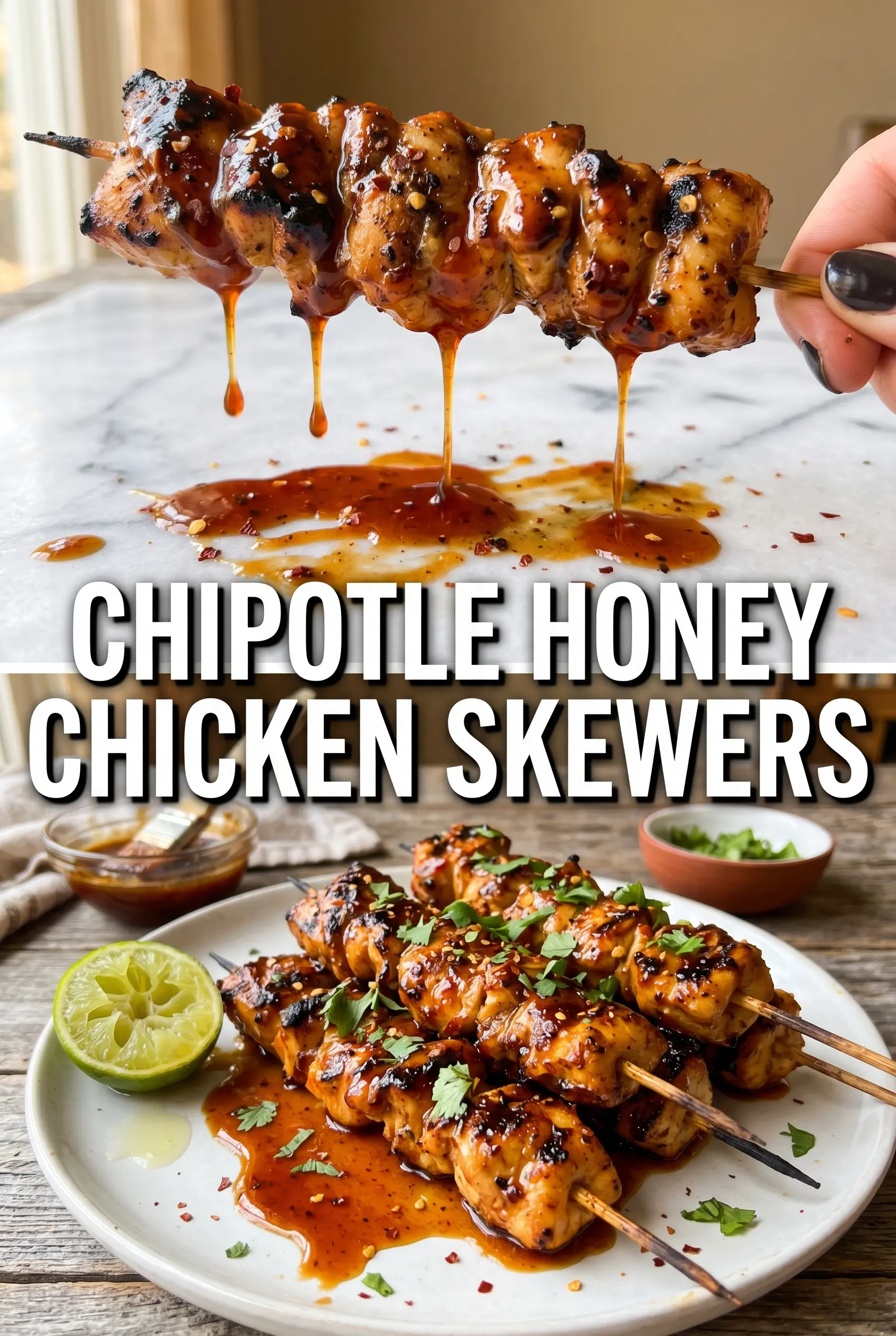
Chipotle Honey Chicken Spice Level Explained
Chipotle honey chicken offers a balanced heat profile that most diners characterize as "medium" on the spice spectrum. While the smoky chipotle peppers provide a noticeable kick that lingers on the palate, the natural sweetness of the...
Chipotle honey chicken offers a balanced heat profile that most diners characterize as "medium" on the spice spectrum. While the smoky chipotle peppers provide a noticeable kick that lingers on the palate, the natural sweetness of the honey acts as a buffering agent, mellowing the sharpest edges of the capsaicin. For the average palate, it is significantly spicier than carnitas but milder than the company's hot red salsa.
Contents
The experience of "spice" is subjective, yet in the context of the Chipotle Mexican Grill menu in 2026, the honey-glazed chicken variants—most notably the recurring Chicken Al Pastor—occupy a specific niche. They are designed to provide a "sweet-heat" (often referred to as "swicy") experience rather than overwhelming the diner with pure thermal intensity. To understand exactly how spicy this chicken is, one must look at the chemical composition of the marinade, the specific peppers used, and how the cooking process concentrates these flavors.
The Flavor Profile: Smoky Heat Meets Natural Sweetness
The primary appeal of chipotle honey chicken lies in its complexity. Unlike the standard adobo chicken, which relies on a more straightforward earthy and salty profile, the honey-chipotle combination utilizes contrast to create depth.
The Foundation of Smoke
"Chipotle" is not a species of pepper; it is a smoke-dried jalapeño. This process transforms the bright, grassy heat of a fresh jalapeño into a deep, woody, and raisin-like flavor. Because the peppers are dried and then often rehydrated in an adobo sauce (a mixture of vinegar, spices, and tomato paste), the heat becomes more persistent. It doesn't "sting" the tip of the tongue as much as it provides a warm, glowing sensation in the back of the throat.
The Balancing Act of Honey
Honey is the crucial ingredient that differentiates this protein from others on the line. In culinary science, sugar is a primary tool for "extinguishing" or masking the perception of heat. While honey does not physically neutralize capsaicin (the compound responsible for spice), it competes for the attention of your taste buds. The glucose and fructose in honey coat the tongue, creating a physical barrier that slows down the binding of capsaicin to your TRPV1 receptors. This results in a "slow-burn" experience where the sweetness hits first, followed by a manageable wave of smoky heat.
What Makes Chipotle Honey Chicken Spicy?
To determine if this dish is too spicy for your personal tolerance, we must examine the specific ingredients used in the marinade. Chipotle Mexican Grill typically uses a high-quality marinade that centers on the following components:
- Morita Peppers: These are the specific type of chipotle peppers often used in commercial Mexican cooking. They are smoked for a shorter period than the "Meco" variety, preserving some of the fruitiness of the original jalapeño. On the Scoville scale, these range from 2,500 to 8,000 Scoville Heat Units (SHU).
- Adobo Sauce: This liquid medium adds acidity. Vinegar is a key component here, and acidity can actually sharpen the perception of spice, making the 2,500–8,000 SHU feel more vibrant.
- Black Pepper and Cumin: While not "spicy" in the chili sense, these spices contribute to a "warm" mouthfeel that reinforces the heat of the peppers.
- Honey and Pineapple: In many iterations of this recipe (including the popular Al Pastor), pineapple juice or honey is used to provide the sugar necessary for caramelization on the grill. This caramelization creates "char" spots which have a concentrated, slightly bitter, and spicy flavor.
Comparing Heat Levels: Chipotle Proteins Comparison
If you are a regular at Chipotle, the best way to gauge the heat of the honey chicken is to compare it to the existing menu items. The table below illustrates where the chipotle honey chicken sits in the hierarchy of heat as of 2026.
| Protein / Item | Estimated Heat Level (1-10) | Primary Flavor Profile | Spice Source |
|---|---|---|---|
| Carnitas | 1/10 | Savory, fatty, mild | Black pepper, salt |
| Pollo Asado | 3/10 | Zesty, citrus, herb | Guajillo peppers |
| Standard Chicken | 4/10 | Earthy, smoky | Chipotle adobo |
| Chipotle Honey Chicken | 5/10 | Sweet, smoky, tangy | Morita peppers, honey |
| Steak (Asada) | 6/10 | Sharp, peppery | Lime, black pepper, chili |
| Barbacoa | 6/10 | Rich, spicy, salty | Cumin, cloves, chipotle |
| Sofritas | 7/10 | Bold, acidic, spicy | Poblano, chipotle, habanero |
| Red Chili Salsa | 9/10 | Intense, sharp | Arbol chilies |
As shown, the chipotle honey chicken is slightly more intense than the standard chicken because the glaze often contains a more concentrated chipotle paste, but it remains a "middle-of-the-road" option.
How Your Palate Perceives the Heat
The perception of spice in chipotle honey chicken is also influenced by the "matrix" of the meal—what you eat alongside it.
The Role of Fats and Dairy
If you order your honey chicken in a bowl with sour cream, cheese, or guacamole, the spice level will drop significantly. Capsaicin is a non-polar molecule, meaning it dissolves in fats and oils rather than water. The milk proteins (casein) in sour cream and cheese act like a detergent, pulling the capsaicin molecules away from your pain receptors and washing them away.
Conversely, if you eat the chicken with only rice and beans, the heat will feel much more pronounced. The starch in the rice can help soak up some of the oils, but it won't provide the chemical relief that dairy does.
The Accumulative Effect
One characteristic of chipotle peppers is that their heat is "cumulative." The first bite might feel entirely sweet and mild. However, by the time you reach the bottom of your burrito or bowl, the capsaicin has built up on your palate. This is why many people start a meal thinking the chicken isn't spicy at all, only to find themselves reaching for a drink halfway through.
Tips for Managing the Spice Level
If you are sensitive to spice but want to try the chipotle honey chicken for its unique flavor, there are several strategic ways to customize your order:
- Balance with Acidity: Ask for extra lime wedges. The citric acid can help cut through the heavy smokiness of the chipotle, brightening the dish and making the heat feel less "heavy."
- The "Half-and-Half" Method: You can ask for a "half-scoop" of honey chicken and a "half-scoop" of the milder Carnitas. This allows you to enjoy the honey-chipotle flavor profile without the full thermal load.
- Avoid the Red Salsa: If you are opting for the honey chicken, stick to the Fresh Tomato Salsa (Pico de Gallo) or the Roasted Chili-Corn Salsa. Adding the Red Chili Salsa to an already chipotle-heavy chicken dish will likely push the meal into the "uncomfortably hot" category for most people.
- Add Extra Greens: The high water content in romaine lettuce provides a refreshing "snap" that cleanses the palate between spicy bites.
Making Chipotle Honey Chicken at Home: A Technical Perspective
For those looking to recreate this flavor at home, understanding the ratio of honey to chipotle is key to controlling the spice.
The Marinade Ratio
A professional-grade honey chipotle marinade usually follows a 3:1 ratio of sweet to heat. For every one tablespoon of chipotle in adobo paste, you should use three tablespoons of honey. This ensures that the sugars can caramelize properly on the grill or in the pan.
The Importance of the Sear
The "spice" in this dish is often enhanced by the Maillard reaction—the browning of the chicken. When the honey and the sugars in the adobo sauce hit a hot pan, they undergo pyrolysis, creating a complex crust. This crust traps the capsaicin oils. If you simmer the chicken in the sauce (braising), the spice will be more evenly distributed and "mushy." If you grill it, you get "bursts" of heat followed by the cooling sensation of the chicken meat itself.
Frequently Asked Questions
Is chipotle honey chicken hotter than the regular chicken?
Yes, generally. While the honey adds sweetness, the glaze used for the honey chicken variants is often a more concentrated reduction of chipotle peppers than the standard adobo marinade used for the regular chicken. The regular chicken is more savory/salty, while the honey chicken is more "swicy" (sweet and spicy).
Can kids eat the chipotle honey chicken?
It depends on the child's exposure to spice. For children who are used to mild salsas or black pepper, it may be too intense. However, for children who enjoy barbecue sauce with a "kick," it is usually acceptable, especially when paired with a heavy serving of cheese or sour cream to dampen the heat.
Does the heat level change if the chicken is cold?
Temperature significantly affects the perception of spice. Heat (thermal) and spice (capsaicin) both trigger the same TRPV1 receptors. Therefore, a steaming hot bowl of honey chicken will feel much spicier than the same chicken served cold in a salad. If you are sensitive to heat, let your food cool for a few minutes before eating.
What is the best drink to pair with this to stop the burning?
Avoid carbonated sodas or beer if the spice is too much. Carbonation and alcohol can actually irritate the receptors and make the burning sensation worse. The best options are whole milk, a yogurt-based drink, or a beverage with high sugar content like a non-carbonated lemonade, which helps "distract" the taste buds.
Summary and Recommendation
Chipotle honey chicken is a "medium-heat" protein that prioritizes flavor complexity over raw intensity. It is an excellent choice for diners who enjoy the deep, earthy flavor of smoked peppers but want a softer landing than a pure chili sauce provides.
Final Recommendation: If you typically order the "Medium" (Green) salsa at Chipotle and find it comfortable, you will likely enjoy the chipotle honey chicken. If you find even the standard chicken to be at the limit of your tolerance, you should pair the honey chicken with dairy-heavy toppings like sour cream or extra cheese to ensure a pleasant dining experience.
Image Gallery