Choosing Auto Insurance in West Arlington: A Complete Coverage Guide
Choosing auto insurance in West Arlington requires balancing state mandatory liability limits with local risk factors like heavy North Texas commuter traffic and severe hail weather. To select the right policy, drivers must evaluate li...
Choosing auto insurance in West Arlington requires balancing state mandatory liability limits with local risk factors like heavy North Texas commuter traffic and severe hail weather. To select the right policy, drivers must evaluate liability limits, decide between collision and comprehensive coverage, review local uninsured motorist risks, and leverage discounts to secure adequate protection at a competitive rate.
Contents
Understanding Mandatory State Minimums vs. Adequate Protection
When purchasing auto insurance in West Arlington, Texas, drivers must satisfy the legal standards established by the state. Under Texas law, all drivers must demonstrate financial responsibility for any damage or injury they cause while operating a motor vehicle. The minimum liability coverage limits in Texas—often referred to as 30/60/25 coverage—include:
- $30,000 for bodily injury per person in a single accident.
- $60,000 total bodily injury liability per accident when multiple people are injured.
- $25,000 for property damage liability per accident.
While carrying state minimum limits fulfills legal driving requirements monitored by the Texas Department of Insurance, these baseline amounts rarely provide complete financial protection in modern driving conditions.
Consider the modern cost of automotive repairs and medical care. The average price of a new vehicle often exceeds $45,000, while severe accidents involving emergency transportation and hospital care can easily eclipse $60,000 in medical bills. If you cause an accident resulting in total vehicle destruction or multi-person injuries that exceed your policy limits, you remain personally liable for the remaining balance. Asset garnishment, bank account levies, or personal court judgments can follow an underinsured accident.
For most drivers residing in West Arlington neighborhoods—such as those near Lake Arlington, Pantego, and Dalworthington Gardens—upgrading liability coverage to higher thresholds (such as 100/300/100) is a standard recommendation by financial planners to shield personal assets from catastrophic loss.
Key Local Risk Factors in West Arlington
Insurance providers set premium rates by evaluating localized risk metrics associated with your primary garage location. West Arlington presents several specific environmental and traffic considerations that influence policy selection and pricing structure.
- West Arlington Risk Profile
- Severe Weather (Hail / Floods)
- Comprehensive Coverage
- Heavy Commute (I-20, Hwy 287)
- Collision Coverage
- Uninsured Motorists
- UM/UIM Coverage
- Severe Weather (Hail / Floods)
Severe Weather Hazards and Hail Damage
North Texas sits in a high-density convective weather corridor. Spring supercell storms frequently produce large hail, extreme wind gusts, and localized flash flooding near low-lying drainage paths, creeks, and reservoirs like Lake Arlington. Vehicle damage caused by severe weather is classified under comprehensive coverage, not collision coverage. A single severe hail storm can cause thousands of dollars in dent repairs or shatter windshields across entire residential blocks. Skipping comprehensive coverage leaves vehicle owners entirely responsible for weather-related repair bills out-of-pocket.
Commuter Corridors and Traffic Density
West Arlington drivers frequently travel key arterial corridors, including Interstate 20, US Route 287, Spur 303 (Pioneer Parkway), and Interstate 30. High-speed multi-lane traffic combined with heavy commercial truck movement increases the statistical probability of multi-vehicle collisions and high-impact accidents. Higher traffic density directly correlates with elevated accident rates, making robust collision and liability coverage essential for daily commuters traveling toward Fort Worth or Dallas.
Uninsured and Underinsured Drivers
Despite legal mandates, a notable percentage of motorists on Texas roadways operate vehicles without active auto insurance or carry only minimal coverage that fails to pay for substantial losses. According to data tracked by the Insurance Information Institute, uninsured motorist rates remain a critical concern for drivers nationwide. If an uninsured driver strikes your vehicle in West Arlington, relying solely on standard liability will leave you without payment for repairs or medical treatment unless you carry specialized uninsured motorist protections.
Breakdown of Essential Policy Coverages
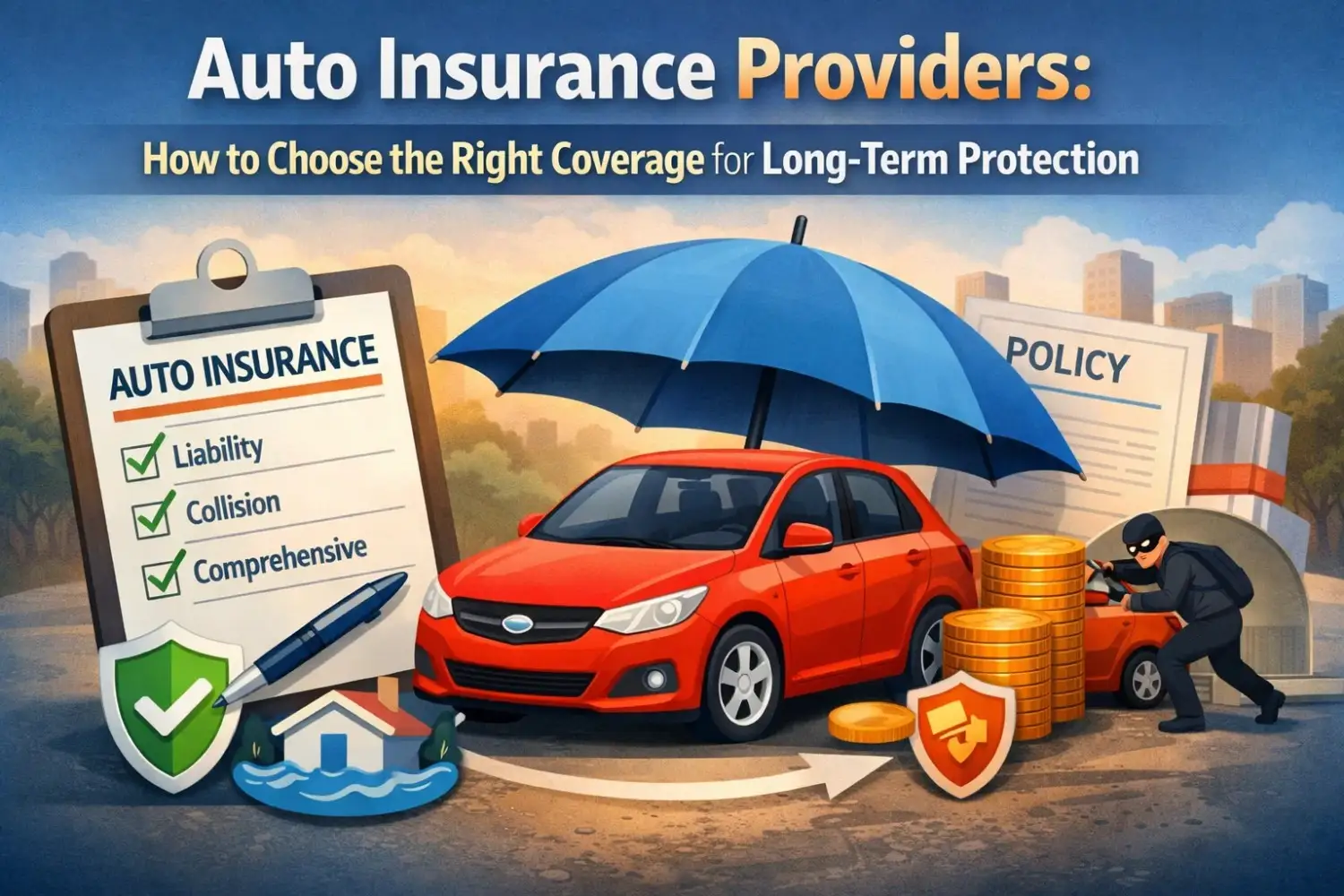
Building an effective auto insurance policy requires combining core coverages to address different categories of financial loss. Understanding how each component operates ensures you do not pay for redundant endorsements while avoiding dangerous gaps in coverage.
Liability Coverage (Bodily Injury & Property Damage)
Liability insurance pays for injuries, hospital bills, lost wages, and property damage suffered by other people when you are at fault in an accident. It also covers legal defense costs if the injured party files a lawsuit against you. Liability coverage never pays for damage to your own vehicle or your own medical expenses.
Collision Coverage
Collision coverage pays to repair or replace your vehicle after an impact with another vehicle, a stationary object (such as a guardrail or tree), or a rollover accident, regardless of who is at fault. If your vehicle is financed or leased through a lender, the financial institution will mandate collision coverage until the loan balance is paid in full.
Comprehensive Coverage
Comprehensive insurance covers physical damage to your vehicle resulting from events outside direct driving collisions. This includes:
- Hailstorm and windstorm damage.
- Flooding and water immersion.
- Vandalism and theft.
- Falling objects (such as tree limbs).
- Animal collisions (such as hitting a deer).
Like collision coverage, comprehensive protection requires selecting a deductible—the amount you agree to pay out-of-pocket before insurance payments begin.
Personal Injury Protection (PIP) vs. Medical Payments (MedPay)
Texas law under Texas Insurance Code § 1952.152 requires auto insurers to include Personal Injury Protection (PIP) in every policy unless the named insured explicitly rejects the coverage in writing.
- Personal Injury Protection (PIP): Pays for reasonable medical expenses, ambulance fees, emergency room care, and up to 80% of lost income incurred by you and your passengers following an accident, regardless of fault.
- Medical Payments (MedPay): Covers necessary medical treatment costs for you and your passengers after an accident, but unlike PIP, MedPay does not replace lost wages or cover non-medical disability expenses.
Because PIP provides lost-wage protection alongside medical coverage, retaining PIP is generally preferable for primary wage earners.
Uninsured / Underinsured Motorist Coverage (UM/UIM)
UM/UIM coverage steps into the shoes of the at-fault driver if they flee the scene (hit-and-run), carry no auto insurance, or hold policy limits that are too low to pay for your total damages. UM/UIM protection applies to both bodily injury and property damage, ensuring your repairs and medical care are covered even when the responsible party fails to meet their legal obligations.
Comparing Auto Insurance Coverage Tiers
The following matrix illustrates common auto insurance configurations available to West Arlington residents, contrasting policy limits, target user profiles, and key protection features:
| Coverage Tier | Liability Limits | Included Protections | Ideal For | Key Benefit |
|---|---|---|---|---|
| State Minimum | 30/60/25 | Bodily Injury & Property Damage Liability only | Older vehicles with low resale value; strict budget limits | Meets legal requirements at the lowest upfront premium |
| Balanced Protection | 50/100/50 | Liability + PIP ($2,500) + UM/UIM | Drivers with moderate assets owning mid-value vehicles | Shields against uninsured drivers and minor medical bills |
| Comprehensive Commuter | 100/300/100 | Liability + Collision + Comprehensive + PIP + UM/UIM | Daily highway commuters (I-20/I-30); leased or financed vehicles | Protects vehicle value against hail storms and severe collisions |
| Premium Asset Protection | 250/500/100 | High-Limit Liability + Full Collision/Comp + High PIP + Umbrella Line | Homeowners and high-net-worth individuals | Maximum defense against high-value lawsuits and total losses |
Step-by-Step Guide to Purchasing Policy Coverage
Securing an auto insurance policy in West Arlington requires systematic evaluation of your driving habits, vehicle value, and household finances.
- Step 1: Determine Vehicle Value & Financing Mandates
- Step 2: Establish Target Liability & PIP Coverage Limits
- Step 3: Select Comprehensive & Collision Deductibles
- Step 4: Request Comparative Quotes & Apply Discounts
- Step 5: Verify Active Coverage & Cancel Legacy Policy
Step 1: Evaluate Vehicle Value and Financing Status
Check the current market value of your vehicle using independent valuation tools. If you lease or finance your car, review your lender agreement to confirm required deductible caps (frequently set at $500 or $1,000 maximum). If your vehicle is owned outright and its value is lower than a few thousand dollars, evaluate whether dropping collision and comprehensive coverage makes financial sense relative to premium costs.
Step 2: Establish Realistic Liability Limits
Review your personal financial assets, including home equity and savings. Select liability limits that cover your net worth to shield your family from financial hardship in the event of an at-fault accident. Avoid defaulting to state minimum limits unless higher thresholds are financially unfeasible.
Step 3: Choose Appropriate Deductibles
Select your out-of-pocket deductible for comprehensive and collision claims. Raising your deductible from $250 to $1,000 typically lowers your monthly policy premium significantly. However, ensure that your chosen deductible reflects cash reserves you can easily access on short notice if hail damage or a collision occurs.
Step 4: Gather Comparative Quotes
Obtain quotes from multiple national carriers and independent insurance brokers operating in Tarrant County. Provide identical vehicle usage parameters, annual mileage estimates, and driver histories across all quote requests to ensure an accurate price comparison.
Step 5: Finalize and Verify Coverage Before Cancellation
Once you select a policy, set your effective date to begin before or on the exact day your prior coverage expires. Driving even a single day without active insurance creates an uninsurable gap, which can trigger license verification flags through the state database and raise future insurance rates.
Practical Strategies to Reduce Premium Costs
Maintaining high coverage limits does not require overpaying for your monthly premium. Drivers in West Arlington can employ several proven cost-reduction strategies:
Bundle Homeowners or Renters Insurance
Insurers offer multi-policy discounts when you buy auto insurance alongside homeowners, condo, or renters coverage from the same carrier. Bundling can reduce overall premium costs by 10% to 20% across both policies.
Utilize Telematics and Usage-Based Programs
Many insurance carriers offer telematics programs that track driving behavior via smartphone applications or plug-in vehicle devices. Drivers who limit late-night travel, avoid hard braking, and maintain low overall mileage can qualify for substantial performance discounts.
Complete an Approved Defensive Driving Course
Taking a driver safety course certified by the Texas Department of Licensing and Regulation can earn you a multi-year discount on your auto insurance liability premiums, while also refreshing your knowledge of safe driving practices.
Audit Policy Details Annually
Review your policy details every year. If your annual commute miles drop due to remote work shifts, or if a young driver moves out of your household, updating your carrier can immediately lower your monthly rate.
Common Mistakes to Avoid
- Waiving Uninsured Motorist Coverage Without Careful Review: Declining UM/UIM coverage leaves you completely vulnerable if an uninsured or hit-and-run driver strikes your vehicle in high-traffic corridors.
- Selecting Unrealistic Deductibles: Setting a $1,500 deductible to drop your premium might seem attractive, but it can create major financial stress if you cannot afford that out-of-pocket expense when filing a hail or collision claim.
- Failing to Report Vehicle Modifications: Custom rims, aftermarket performance upgrades, or specialized accessories may not be covered under a standard collision/comprehensive policy unless specifically declared via an equipment endorsement.
- Overlooking PIP Rejections: Signing a PIP waiver without alternate, comprehensive health insurance leaves you without immediate payment for medical expenses and lost wages following an injury.
Frequently Asked Questions
What are the minimum legal auto insurance requirements in Texas?
Texas law mandates minimum liability limits of 30/60/25 ($30,000 bodily injury per person, $60,000 bodily injury total per accident, and $25,000 property damage liability). Drivers must present proof of financial responsibility upon request during traffic stops, vehicle registration renewals, and safety inspections.
Is comprehensive insurance necessary for weather protection in West Arlington?
Yes. West Arlington frequently experiences severe spring thunderstorms, flash floods, and severe hail. Standard liability and collision policies do not pay for storm damage. Comprehensive coverage is required to protect your vehicle against hail dents, broken auto glass, windblown debris, and flood immersion.
How does living near major thoroughfares affect auto insurance premiums?
Insurance rates are calculated using ZIP-code-level claims history, traffic density metrics, theft rates, and accident frequencies. Residing near heavily traveled routes like Interstate 20 or Highway 287 can result in slightly higher base premiums due to elevated local traffic exposure compared to rural rural areas.
What happens if an uninsured driver hits my vehicle?
If you carry Uninsured/Underinsured Motorist (UM/UIM) coverage, your insurance policy pays for medical treatment, lost income, and physical vehicle repairs (subject to your UM property damage deductible). Without UM/UIM coverage, you must rely on your personal health insurance and pay out-of-pocket for vehicle repairs unless you successfully sue the uninsured driver.
Can I cancel my existing auto insurance policy at any time?
Yes. You can cancel your auto insurance policy at any time by providing written notice to your insurance carrier. If you prepaid your policy premium, the insurer must refund any unearned portion. Always secure your new policy before canceling the existing one to avoid coverage gaps.
Summary Action Plan for West Arlington Drivers
To secure optimal protection at a competitive price, audit your current auto insurance policy today. Confirm that your liability limits adequately cover your personal assets beyond the minimum mandatory requirements of 30/60/25. Ensure comprehensive coverage is active with a manageable deductible to protect against severe North Texas hail storms, and retain Personal Injury Protection alongside Uninsured Motorist coverage. Finally, request comparative quotes annually and review eligible multi-policy discounts to keep your coverage robust and cost-effective.
Image Gallery