Paul Simon’s Performance of "The Boxer" on SNL After 9/11: Context, History, and Cultural Impact
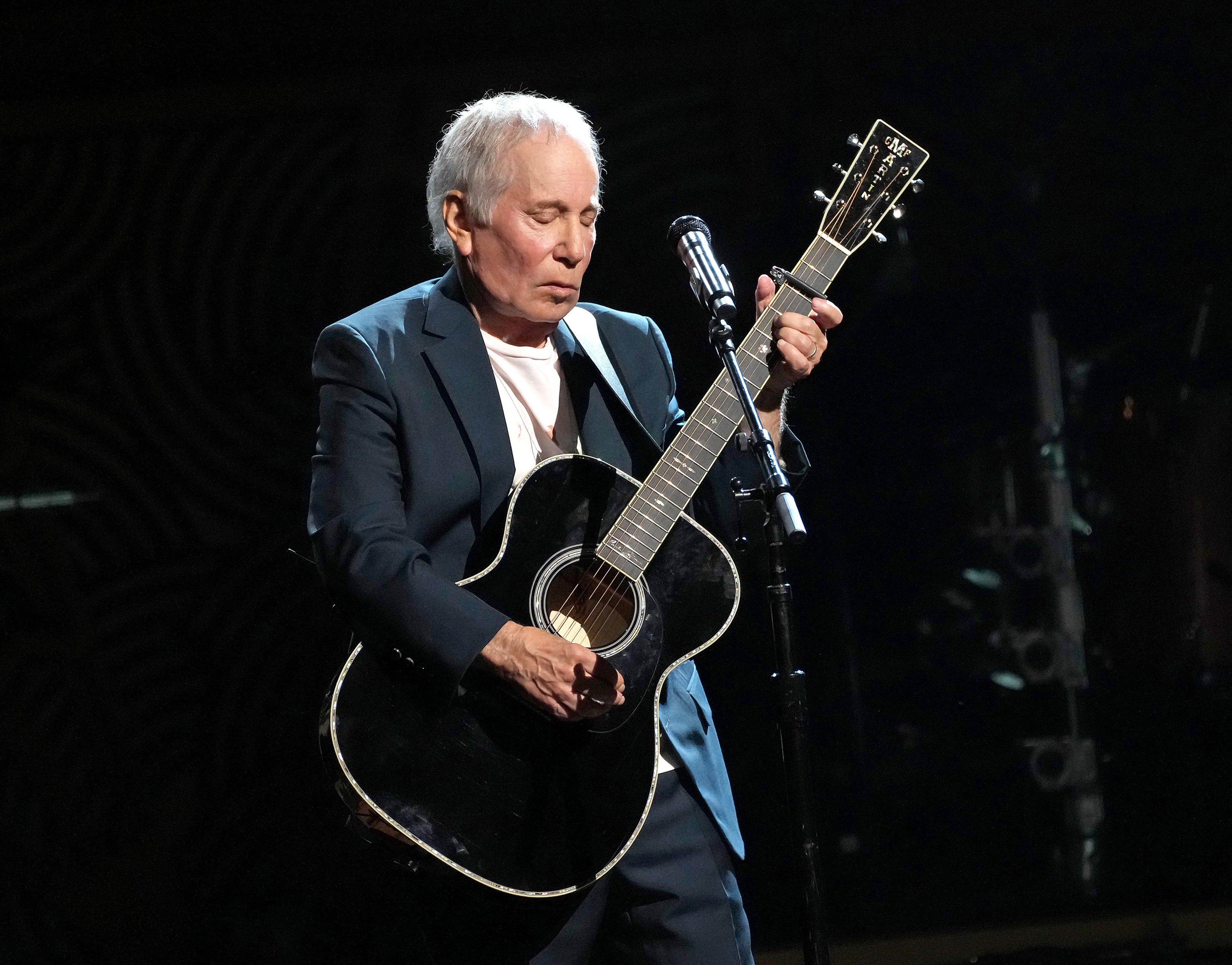
On September 29, 2001, Paul Simon opened the Season 27 premiere of Saturday Night Live with an emotional live performance of "The Boxer." Staged just eighteen days after the September 11 terrorist attacks in New York City, Simon perfor...
On September 29, 2001, Paul Simon opened the Season 27 premiere of Saturday Night Live with an emotional live performance of "The Boxer." Staged just eighteen days after the September 11 terrorist attacks in New York City, Simon performed surrounded by NYC firefighters, police officers, and city officials, providing a pivotal moment of solemnity, resilience, and symbolic healing for broadcast television.
Contents
The Historical Context: Broadcasting in the Wake of September 11
In late September 2001, American television was navigating uncharted territory. Following the destruction of the World Trade Center towers, major broadcast networks canceled entertainment programming, late-night talk shows, and comedy broadcasts, replacing them with around-the-clock news coverage. As late September arrived, networks faced the delicate task of transitioning back to regular programming without appearing insensitive to the immense loss of life and ongoing recovery efforts at Ground Zero.
For Saturday Night Live (SNL), which had broadcast live from Studio 8H in Rockefeller Center since 1975, the burden was especially heavy. Located just a few miles north of Lower Manhattan, the show was deeply tied to the identity of New York City. The cast, crew, and producers were personally affected by the disaster, with smoke from the ruins still hanging over parts of the city as rehearsals began for the Season 27 premiere.
The primary challenge facing executive producer Lorne Michaels was establishing an appropriate tone. Producing a comedy sketch show in a city mourning thousands of lost citizens required an opener that acknowledged the tragedy with dignity before attempting to bring humor back to late-night television. To achieve this balance, Michaels turned to veteran musician Paul Simon and invited New York City leadership alongside emergency first responders to share the stage.
The Cold Open: How the Season 27 Premiere Unfolded
Instead of the customary satirical cold open sketch, the broadcast began in absolute silence on the stage of Studio 8H. As the camera zoomed in, viewers saw Paul Simon standing with an acoustic guitar, backed by an ensemble of musicians, surrounded by dozens of members of the Fire Department of the City of New York (FDNY), the New York City Police Department (NYPD), and the Port Authority Police Department.
Studio 8H Stage Setup (September 29, 2001):
- Background: FDNY, NYPD, and Port Authority First Responders
- Foreground Center: Paul Simon (Acoustic Guitar & Vocals)
- Stage Side: Mayor Rudy Giuliani, City Officials, & SNL Cast
Simon performed "The Boxer," a song originally recorded in 1968 by Simon & Garfunkel and released on their 1970 album Bridge over Troubled Water. The performance was deliberate, unadorned, and emotionally charged. Simon sang the lyrics with quiet intensity, allowed his acoustic guitar work to carry the melody, and let the quiet dignity of the assembled first responders anchor the visual presentation.
Following the final notes of the song, the broadcast shifted to New York City Mayor Rudy Giuliani, who stood flanked by Fire Commissioner Thomas Von Essen and Police Commissioner Bernard Kerik. Giuliani spoke directly to the camera, thanking the country for its support and emphasizing that New York City was open, functioning, and determined to move forward.
The tension in the studio remained high until Lorne Michaels stepped into the camera frame alongside Giuliani to deliver a moment of calculated relief:
- Michaels: "Can we be funny?"
- Giuliani: "Why start now?"
This simple, scripted punchline released the visible anxiety in the room, drawing broad laughter and applause from the audience and emergency workers on stage. Giuliani then delivered the iconic line, "Live from New York, it's Saturday Night!" launching the show into its standard opening sequence and signaling to the nation that comedy could safely return.
Why "The Boxer"? Lyrical Resonance and Meaning
The selection of "The Boxer" was far from coincidental. Written by Paul Simon in the late 1960s, the song tells the story of a lonely, struggling protagonist enduring hardship, cold winters, and physical weariness in New York City, yet refusing to yield.
"In the clearing stands a boxer And a fighter by his trade And he carries the reminders Of ev'ry glove that laid him down Or cut him till he cried out In his anger and his shame 'I am leaving, I am leaving' But the fighter still remains"
The song’s themes of survival, quiet endurance, and stubborn perseverance mirrored the immediate psychological state of New York City in late September 2001:
- The NYC Connection: The narrator explicitly mentions taking the subway down to Seventh Avenue and bleeding in the city's harsh environment, grounding the narrative in the physical geography of Manhattan.
- Endurance Over Defeat: The central metaphor—a fighter taking blow after blow but staying on his feet—offered a stark, poetic representation of a city bloodied but unbowed by catastrophe.
- The Universal Chorus: The song's famous chorus, consisting entirely of the non-lexical refrain "Lie-la-lie," allowed the moment to transcend specific political rhetoric, offering a universal, melancholy cadence that suited collective grief.
Musical Breakdown of the Live Performance
Musically, the September 29 performance differed subtly from the original 1969 studio recording. The original track, produced by Roy Halee, Paul Simon, and Art Garfunkel, featured intricate fingerpicked guitars, a brass ensemble, synthesized strings, and a heavily reverberated bass drum sound created by dropping a snare drum down an elevator shaft at Columbia’s 30th Street Studio.
For the SNL cold open, the musical arrangement was stripped back to highlight acoustic instruments and vocal clarity:
- Instrumentation: Simon performed primary fingerpicked acoustic guitar, supported by subtle backing rhythm instruments and understated vocal harmonies.
- Vocal Delivery: Simon sang in a lower, more reflective register than the original studio recording, emphasizing narrative storytelling over vocal ornament.
- Staging: The absence of flashy lighting or theatrical set pieces directed all visual focus toward the faces of the emergency personnel standing in uniform behind Simon.
| Attribute | 1969 Studio Recording (Bridge over Troubled Water) | 2001 SNL Live Performance (Season 27 Premiere) |
|---|---|---|
| Primary Vocalists | Paul Simon & Art Garfunkel | Paul Simon (Solo) |
| Instrumentation | Acoustic guitars, bass, full strings, brass, orchestral percussion | Acoustic guitar, minimal live backing ensemble |
| Tempo & Tone | Moderate folk-rock tempo; lush, polished production | Slowed, reflective tempo; intimate, acoustic live sound |
| Visual Setting | Audio studio recording | Studio 8H stage surrounded by FDNY/NYPD personnel |
| Cultural Purpose | Lead single for studio album | Cultural memorial and television return post-9/11 |
The Logistics Behind the Episode
Organizing the Season 27 premiere under extreme time constraints and emotional strain required extraordinary efforts from NBC executives, city authorities, and the show's production staff.
Coordinating First Responders
In the days leading up to September 29, rescue and recovery operations at the World Trade Center site were operating 24 hours a day. Gathering off-duty firefighters, police officers, and Port Authority personnel to travel to Rockefeller Center required coordination with department leaders and city hall. Many of the first responders on stage had spent the preceding days working directly at Ground Zero.
Guest Host and Musical Guest Roles
Reese Witherspoon served as the episode's guest host, while Alicia Keys was the officially billed musical guest for the evening (performing "Fallin'" and "A Woman's Worth"). Paul Simon appeared as a special guest specifically for the cold open. Simon's longstanding relationship with SNL—having hosted several times and performed on the show since its first season in 1975—made him a natural choice to lead the opening tribute.
Cultural Legacy and Broadcast Significance
Paul Simon’s performance of "The Boxer" on September 29, 2001, remains one of the most significant moments in American television history. It established a model for how cultural institutions could address trauma with gravity without abandoning their core artistic identity.
Reopening the Door to Satire
By addressing the tragedy head-on in the first five minutes of the broadcast, SNL created a permission structure for other media outlets, late-night hosts, and entertainers to resume public activity. David Letterman (The Late Show) and Jay Leno (The Tonight Show) had returned to the air earlier that week with serious monologues, but SNL was the first major comedy institution to attempt sketch comedy following the attacks.
Archival Preservation and Re-broadcasts
The performance has been preserved and re-broadcast in numerous television retrospectives, including SNL anniversary specials and documentaries focusing on New York City history. It is frequently cited by television historians alongside Edward R. Murrow's wartime broadcasts and Walter Cronkite's reporting on historic events as an example of television performing a vital communal function during a national crisis.
Frequently Asked Questions
Why did Paul Simon sing "The Boxer" instead of "Bridge over Troubled Water"?
While "Bridge over Troubled Water" is one of Simon's most famous songs of comfort, "The Boxer" was selected for its specific themes of physical resilience, fighting through adversity, and its direct narrative connection to New York City. The imagery of a fighter taking hits but remaining standing mirrored the city's collective spirit at the time.
Who was on stage with Paul Simon during the performance?
Paul Simon was surrounded by active-duty members of the Fire Department of the City of New York (FDNY), the New York City Police Department (NYPD), and the Port Authority Police Department. Also present on stage were Mayor Rudy Giuliani, Police Commissioner Bernard Kerik, Fire Commissioner Thomas Von Essen, executive producer Lorne Michaels, and the cast of Saturday Night Live.
Who was the official host and musical guest for that SNL episode?
The Season 27 premiere was hosted by actress Reese Witherspoon, with Alicia Keys serving as the scheduled musical guest. Paul Simon made a special, unbilled appearance exclusively to perform "The Boxer" during the cold open.
Did SNL perform regular comedy sketches after the cold open?
Yes. Following Giuliani's line ("Why start now?") and the opening title sequence, the show proceeded with a standard broadcast structure, including host Reese Witherspoon’s monologue, parody sketches, Weekend Update, and musical performances by Alicia Keys.
Has Paul Simon performed on SNL on other major occasions?
Yes. Paul Simon has a rich history with Saturday Night Live, dating back to the show’s first season in October 1975, when he hosted the second-ever episode. He has hosted multiple times, joined the "Five-Timers Club," and made numerous guest musical appearances over the decades.
Practical Takeaway: Viewing Historical SNL Performances
For media researchers, students of television history, and viewers seeking to watch the September 29, 2001 performance, official historical footage from Saturday Night Live Season 27, Episode 1 is maintained across select official channels:
- Streaming Platforms: NBC's streaming service, Peacock, hosts archived episodes of Saturday Night Live, though musical performances in legacy episodes are sometimes altered or truncated due to music licensing agreements.
- Official SNL Vaults: Highlights, cold opens, and milestone clips are periodically published through the official Saturday Night Live YouTube Channel and NBC's digital archives.
- Museum Collections: Complete, unedited broadcast masters of major news and television milestones are preserved at institutions such as The Paley Center for Media in New York City and Los Angeles for educational and academic research.
Image Gallery