Why the Mario Party Superstars Minigames Matter for Campus Life
Mario Party Superstars serves as a powerful social anchor in higher education, bridging academic burnout and community isolation through nostalgic, fast-paced multiplayer minigames that require no prior gaming expertise. The Modern Cam...
Mario Party Superstars serves as a powerful social anchor in higher education, bridging academic burnout and community isolation through nostalgic, fast-paced multiplayer minigames that require no prior gaming expertise.
Contents
The Modern Campus Social Dilemma: Connection vs. Screen Time
College and university campuses present a unique sociological paradox. Students live surrounded by thousands of peers, yet chronic loneliness and isolation remain widespread health concerns. Modern undergraduate and graduate populations navigate heavy academic loads, financial stress, and transitions into independent living. At the same time, student socialization has shifted increasingly into digital silos—solitary gaming, streaming, and individual social media consumption behind closed dorm room doors.
While online multiplayer games connect students globally, they rarely cultivate the immediate, tactile community required to build localized support networks. Dorm lounges, Greek life houses, and student union common areas often sit empty or play host to students staring quietly at individual laptops.
Reintroducing couch co-op gaming through titles like Mario Party Superstars bridges this gap. By bringing physical bodies into the same room around a single screen, these classic minigames strip away social friction. They replace awkward introductions with shared laughter, immediate competition, and accessible cooperative play. Understanding why these specific minigames matter for campus life requires examining how physical proximity, low-barrier rules, and structured leisure time combat the modern university malaise.
The Power of Nostalgia as a Social Equalizer
One of the primary reasons Mario Party Superstars resonates so deeply within university environments is its reliance on historical curation. Released for the Nintendo Switch, the title pulls 100 minigames and five classic boards directly from the Nintendo 64 era—specifically Mario Party through Mario Party 3. For traditional undergraduate college students, these titles map directly onto their early childhood memories or older sibling lore. For non-traditional students, older transfer students, or international peers, the aesthetic provides a universally recognized, cheerful, and non-threatening visual language.
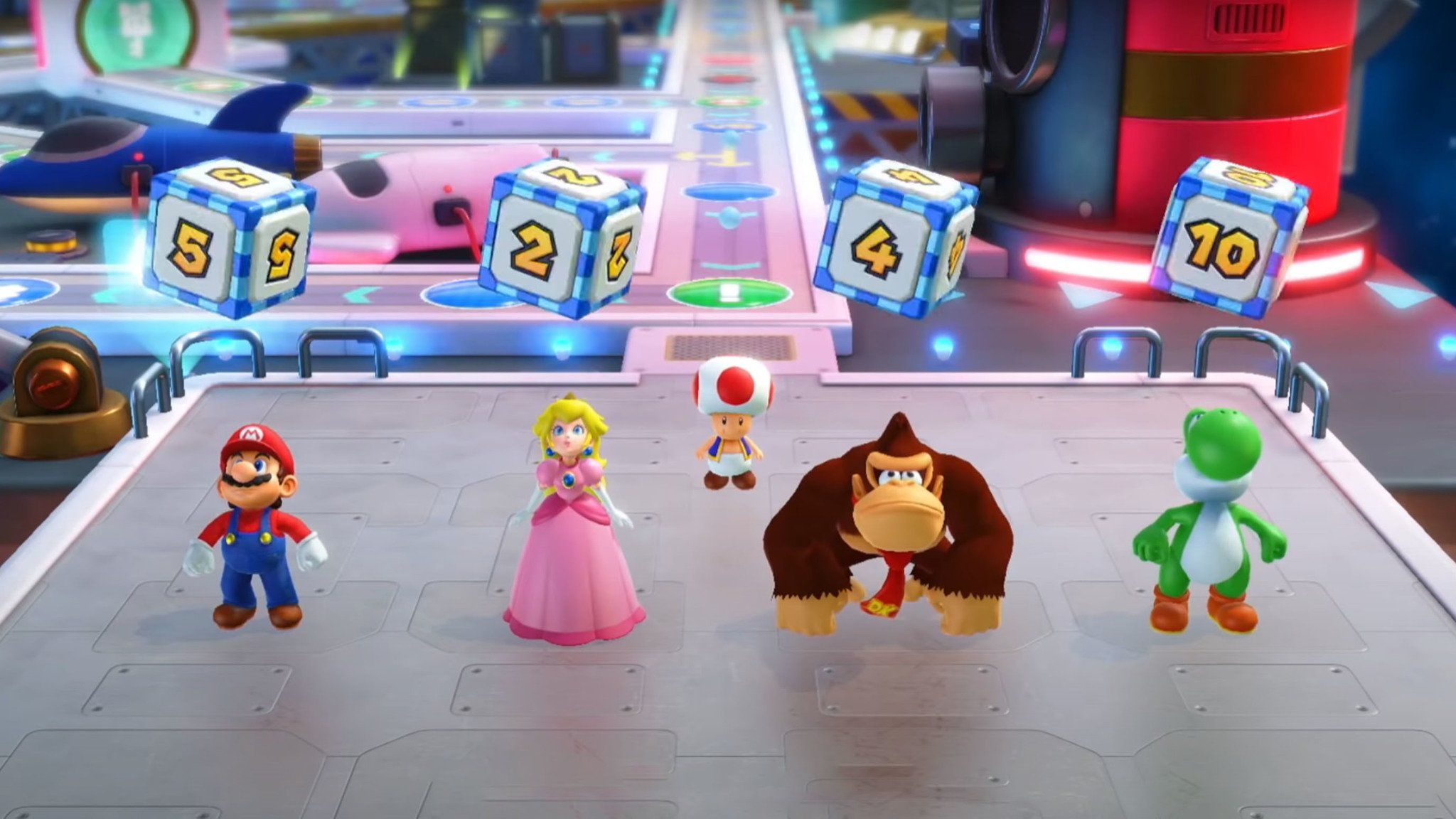
Nostalgia acts as a powerful psychological stabilizer in high-stress environments. When freshmen or graduating seniors gather in a common room, academic anxieties, imposter syndrome, and socioeconomic differences fade temporarily behind familiar characters like Mario, Yoshi, Peach, and Wario.
Furthermore, the minigames operate as a social equalizer. Unlike complex tactical shooters or competitive fighting games that require hundreds of hours of muscle memory and specialized skill trees, Mario Party Superstars minigames generally rely on straightforward button prompts, rapid-fire tilting, or simple timing challenges. A varsity athlete, a computer science major, and an art student enter a four-player minigame on entirely equal footing. This leveled playing field encourages cross-campus mingling, drawing students out of isolated academic departments and into mixed-social circles.
Breaking Down the Minigame Ecosystem: Free-for-All, 2v2, and 1v3 Dynamics
The structural architecture of Mario Party Superstars is deliberately engineered to foster dynamic group interactions. The 100 included minigames are divided into distinct operational categories, each serving a specific social function during a campus game night.
Free-for-All Minigames: Pure Merit and Chaotic Betrayal
In free-for-all events, all four players compete independently. These minigames—ranging from platform survival challenges like Roll Call to button-mashing sprints like Tug-of-War—test individual reflexes and strategic adaptation. They generate immediate, high-energy emotional spikes in a room. When a player snatches a victory at the last second or steals a coin star, it sparks playful rivalry that bonds the group.
2-vs-2 and 1-vs-3 Minigames: Forced Collaboration and Underdog Dynamics
Team-based minigames alter the social chemistry of the room. In 2v2 modes, roommates or impromptu partners must coordinate their movements instantly, testing communication and trust under pressure.
Conversely, 1v3 minigames create temporary alliances and underdog scenarios. When three players must hunt down a single opponent, the room splits into a collective majority versus an isolated survivor. These dynamics naturally encourage verbal banter, strategic planning, coaching, and good-natured heckling, transforming a silent room into a vibrant social arena.
| Minigame Category | Player Dynamic | Primary Social Function | Example Challenge Type |
|---|---|---|---|
| Free-for-All | 4 Separate Players | Sparks individual rivalry and energetic cheering | Survival, speed, obstacle dodging |
| 2-vs-2 | 2 Teams of 2 | Fosters teamwork, communication, and shared strategy | Co-op vehicle driving, puzzle sorting |
| 1-vs-3 | 1 Solo vs. 3 Opponents | Creates underdog narratives and verbal banter | Boss battles, asymmetric evasion |
| Duel Minigames | 1-on-1 Direct Match | Settles intense personal scores and rivalries | Direct combat, reflex testing |
Logistical Accessibility: Low Barriers to Entry in Residence Halls
Campus programming often fails due to high logistical friction. Organizing intramural sports requires athletic coordination, equipment rentals, and weather-dependent scheduling. Hosting large LAN parties demands robust internet bandwidth, matching hardware specifications, and technical troubleshooting.
Mario Party Superstars minimizes these operational barriers, making it an ideal tool for Resident Advisors (RAs) and student organizations:
- Hardware Consolidation: The game runs on a single Nintendo Switch console. It requires only one television or projector and up to four controllers (or multiple Joy-Con pairings).
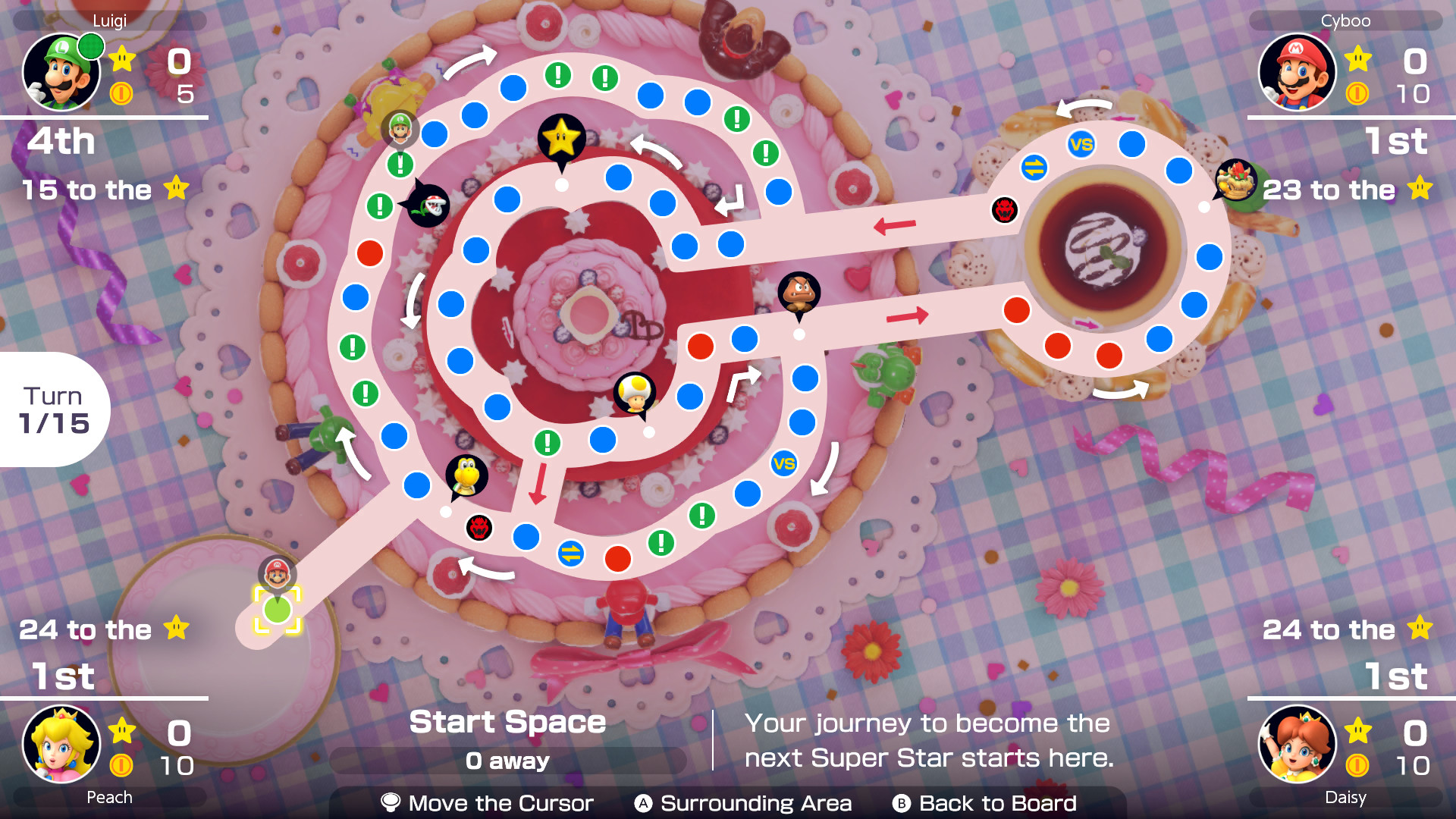
- Flexible Time Commitments: While a full 15-turn board game takes roughly an hour, the standalone "Minigame Mountain" mode allows students to drop in and play quick, self-contained matches lasting only a few minutes between study sessions.
- Low Physical Exhaustion: Unlike motion-controlled gaming systems that require large open spaces and physical exertion, Mario Party Superstars can be played comfortably while sitting on dorm room floors, couches, or study desks.
These attributes make the title remarkably resilient to budget constraints. Student governments do not need major grants or specialized lab equipment to host a tournament; a standard common-room setup suffices.
Mental Health and Stress Relief Through Structured Play
Higher education institutions increasingly recognize the importance of mental health interventions that extend beyond clinical counseling. Recreational therapy—specifically unstructured, joyful play—provides a vital coping mechanism for students experiencing burnout.
Academic environments naturally emphasize quantified outcomes: GPA metrics, assignment deadlines, thesis reviews, and career placement milestones. This constant pressure can create chronic psychological fatigue. Mario Party Superstars offers a safe harbor from high-stakes evaluation because the outcomes are intentionally volatile.
In Mario Party, winning a game does not depend solely on skill; random bonus stars, item deployment, and wheel spins introduce elements of pure chance. This inherent randomness strips away the pressure of performance. When an honors student loses a game because of a last-minute chance time event, the absurdity of the loss invites laughter rather than frustration. This shared release of tension acts as a psychological reset button, lowering cortisol levels and fostering psychological safety among peers.
Fostering Inclusivity Across Diverse Student Demographics
Modern campuses are wonderfully diverse, encompassing wide age gaps, international students, commuters, and varying physical abilities. Finding shared cultural touchstones that unite these demographics can challenge event planners.
Because the core mechanics of Mario Party Superstars rely on visual cues, simple audio prompts, and straightforward controller inputs, language barriers dissolve quickly. An international student who speaks English as a second language can master the objective of a minigame within seconds by watching a brief demonstration loop or playing a practice round.
Furthermore, Nintendo implemented robust accessibility features into the title, including button remapping and simplified control options for players with varying physical dexterities. This inclusivity ensures that dorm-wide tournaments or floor game nights act as welcoming spaces rather than exclusive clubs, successfully integrating marginalized or commuter students into the broader residential fabric of the campus.
Common Pitfalls and Best Practices for Campus Game Nights
While campus gaming events are generally well-received, organizers must navigate several operational hurdles to ensure a positive experience. Without proper structure, competitive enthusiasm can occasionally escalate into genuine frustration or equipment damage.
Avoiding Controller Fatigue and Hardware Loss
Dorm common rooms experience high turnover. When hosting open-door events, controllers are frequently dropped, sticky from snacks, or misplaced.
- Best Practice: Designate specific food-free zones near the console, secure Joy-Cons and Pro Controllers with wrist straps, and establish a clear rotation schedule for players waiting to jump into the queue.
Managing Time and Academic Boundaries
Students often lose track of time during engaging multiplayer sessions, leading to missed classes or neglected assignments the following morning.
- Best Practice: RAs and student leaders should set firm operational windows for game nights—such as 7:00 PM to 9:00 PM on weeknights—ensuring that leisure activities support, rather than sabotage, academic success.
Frequently Asked Questions
Can you play Mario Party Superstars with more than four players?
The standard game board and minigame modes support a maximum of four simultaneous local or online players. However, during campus events, groups frequently manage this limitation by rotating controllers between turns, setting up tournament brackets, or utilizing team-tag formats where multiple students collaborate on a single controller's inputs.
Do students need prior gaming experience to enjoy Mario Party Superstars?
No prior gaming experience is required. The title was specifically engineered with accessible controls that rely primarily on a single analog stick and a handful of face buttons, allowing absolute beginners to learn minigames within seconds of practice.
Is an active internet connection required to play local minigames?
An internet connection is not required to play local multiplayer on a single console. Up to four players can compete offline using local wireless or couch co-op modes, making it ideal for campus common rooms with limited or restricted Wi-Fi access.
How long does a typical Mario Party Superstars session last?
A standard board game session with 15 turns typically lasts around 60 to 90 minutes. Alternatively, students pressed for time can jump directly into Minigame Mountain, where individual challenges conclude in under five minutes.
Conclusion and Next Actions
Mario Party Superstars minigames do much more than pass the time between classes; they serve as accessible, low-barrier social catalysts that combat campus isolation, bridge demographic divides, and offer vital mental health relief through shared laughter.
For Resident Advisors, student union programmers, and student organizations looking to revitalize campus life, organizing a structured tournament requires minimal financial investment yet yields high social returns. To implement this on your campus, secure a common room, schedule a two-hour weekend window, set up a simple rotational bracket, and let the classic minigames do the work of bringing students together.
Image Gallery