Why Does an AC Freeze Up: Causes, Troubleshooting, and Prevention
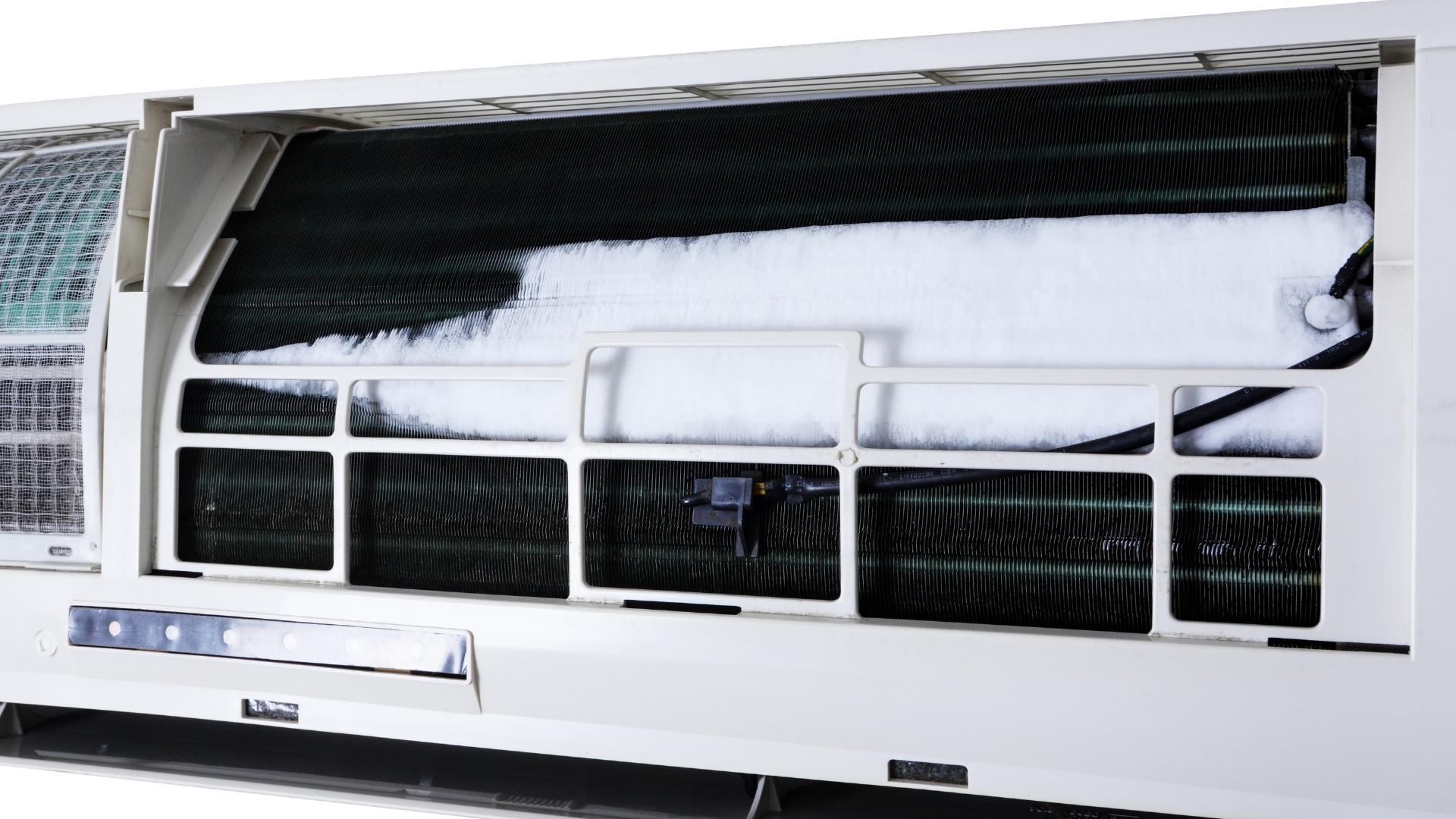
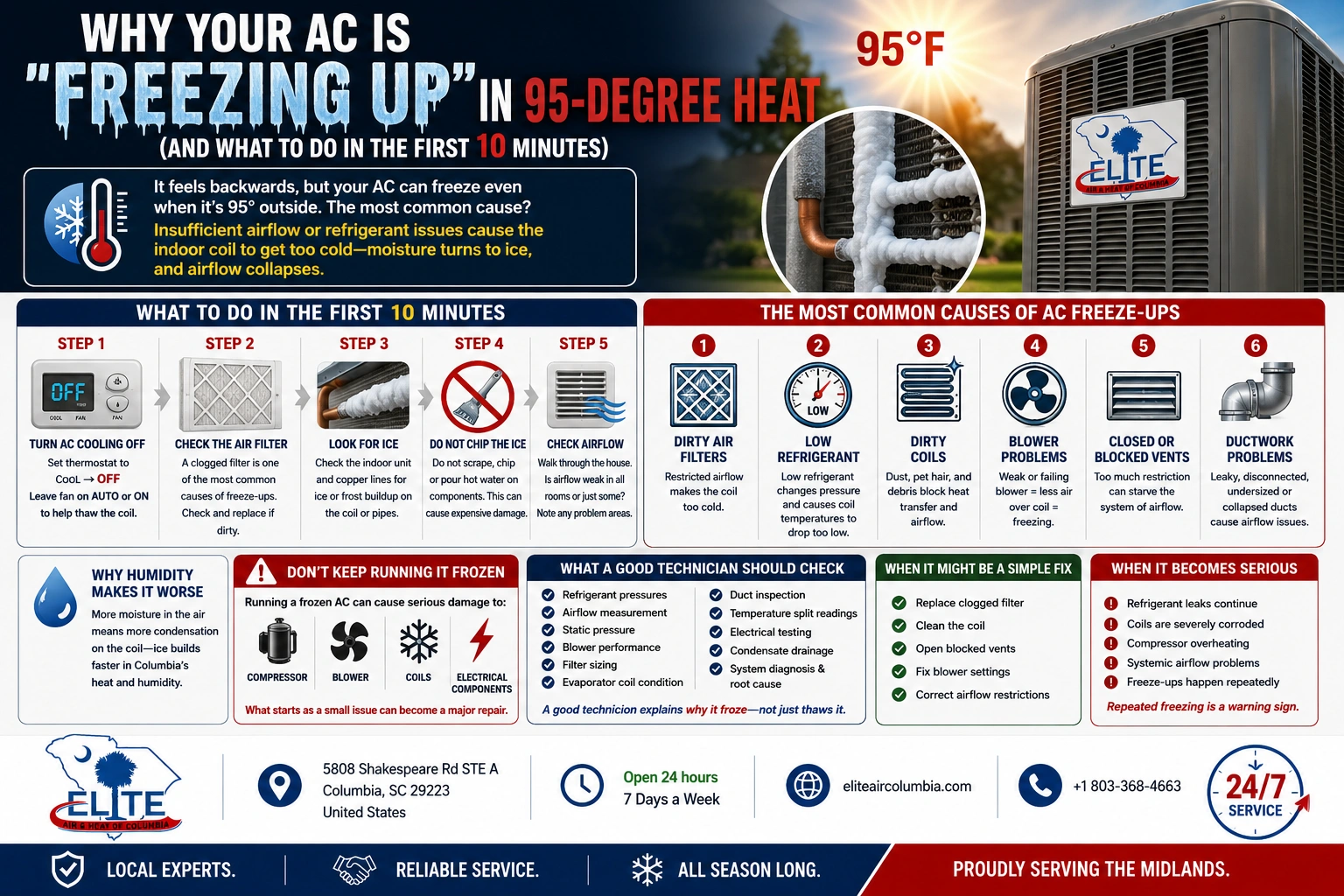
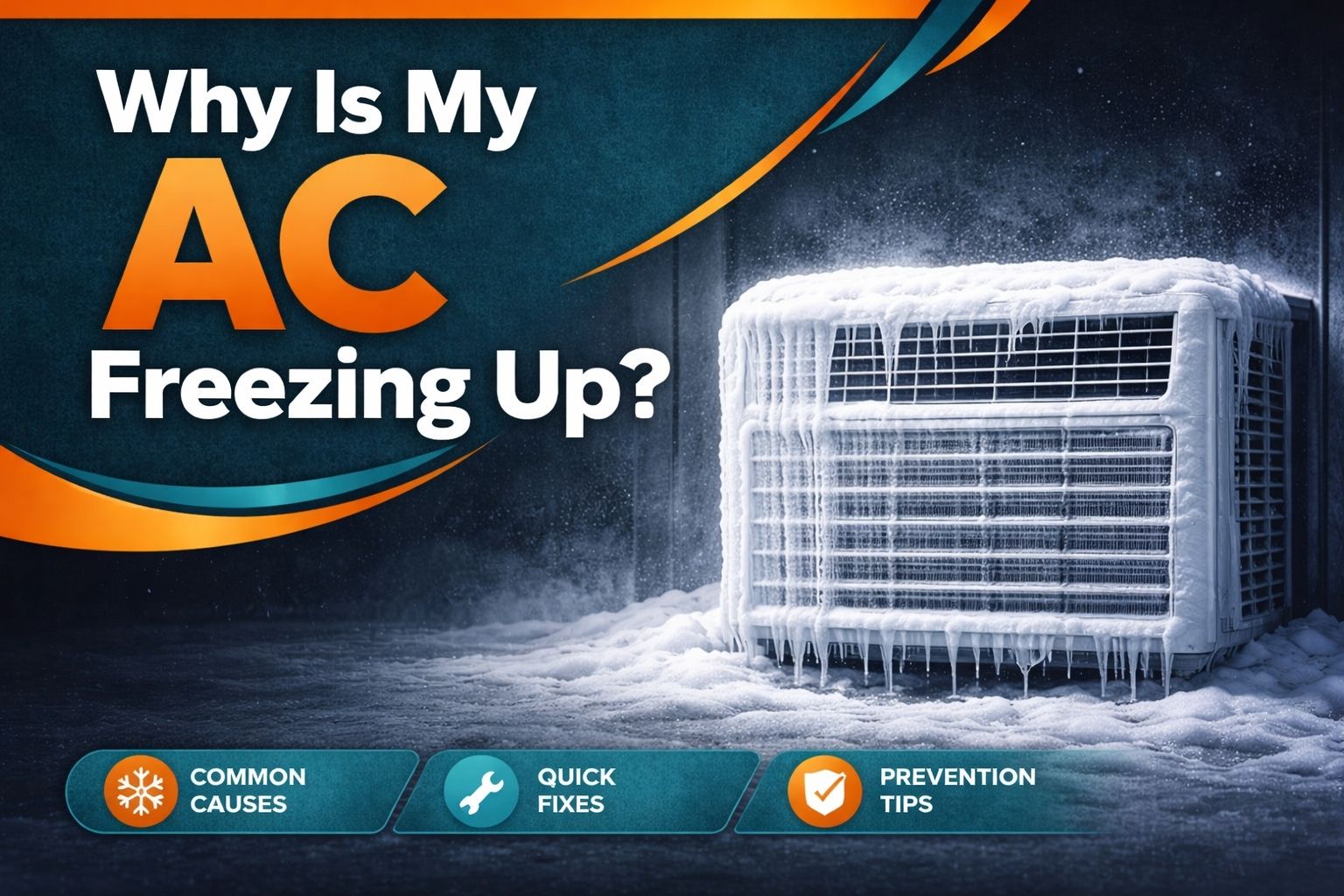
An air conditioner freezes up primarily because the indoor evaporator coil drops below freezing temperatures, causing condensation to turn into ice. This is almost always triggered by restricted airflow from a dirty air filter, blocked...
An air conditioner freezes up primarily because the indoor evaporator coil drops below freezing temperatures, causing condensation to turn into ice. This is almost always triggered by restricted airflow from a dirty air filter, blocked vents, or a low refrigerant charge caused by a system leak.
Contents
When an air conditioner begins blowing warm air or stops cooling entirely, homeowners often investigate the indoor unit only to discover a thick layer of frost or solid ice encasing the copper lines and evaporator coils. Witnessing a solid block of ice inside a climate control system is alarming, particularly during the peak of summer. Contrary to popular belief, an air conditioner does not freeze up because it is working too hard or producing too much cold air. Instead, freezing is a symptom of a fundamental thermodynamic imbalance within the cooling cycle. Understanding the underlying mechanical failures helps homeowners protect their HVAC systems from permanent compressor damage and expensive emergency repairs.
The Thermodynamic Mechanics of an Air Conditioner
To understand why an air conditioner freezes up, it is essential to review the basic refrigeration cycle. An air conditioner does not actually create cold air; rather, it extracts heat from the indoor air and transfers it outside. This process relies on a closed loop filled with refrigerant, a chemical compound that transitions easily between liquid and gas states.
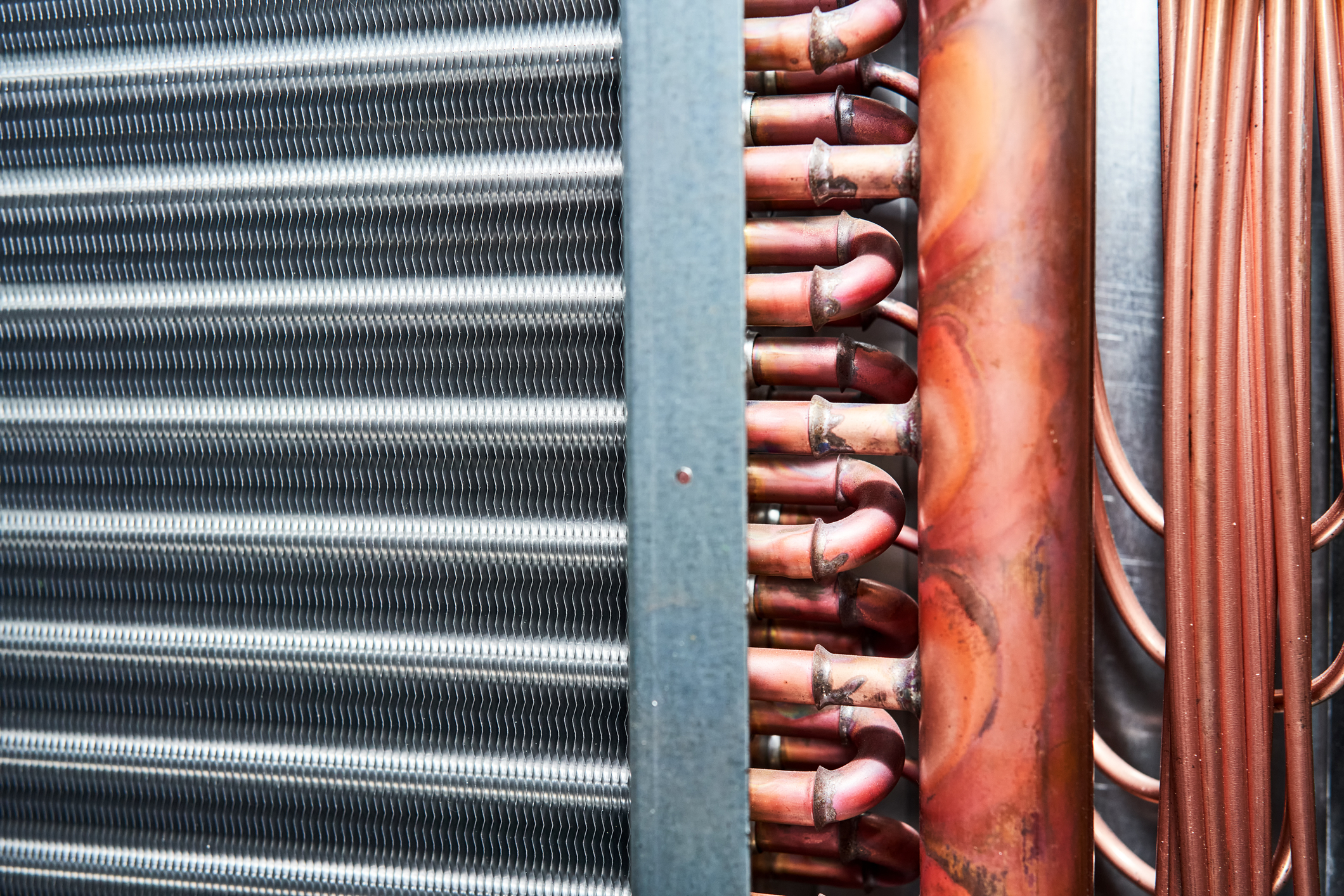
The cycle begins at the indoor evaporator coil. Liquid refrigerant enters the expansion valve, where pressure drops sharply. This pressure drop causes the refrigerant to flash into a cold, low-pressure liquid-gas mixture. As warm indoor air is blown across the evaporator coil by the blower fan, the refrigerant absorbs the heat, boiling into a vapor. The cooled air is then redistributed through the home's ductwork.
Under normal operating conditions, the surface temperature of the evaporator coil stays well above freezing—typically between 40°F and 50°F (4°C to 10°C). While moisture naturally condenses out of the warm indoor air onto the cool coil surface, it simply drips into the condensate pan and drains safely outside. However, if the heat absorption process is disrupted, the temperature of the evaporator coil drops below 32°F (0°C). The condensation on the coil immediately freezes, trapping a layer of ice that insulates the coil, prevents further heat absorption, and triggers a cascading freeze cycle.
Primary Causes of Air Conditioner Freezing
Air conditioner freeze-ups generally fall into two categories: airflow restrictions and heat transfer failures, or refrigerant-related anomalies. Identifying the exact root cause is necessary for implementing a permanent fix.
1. Restricted Airflow
Airflow is the lifeblood of an HVAC system. The evaporator coil requires a steady, high volume of warm air passing across its fins to keep the refrigerant warm enough to prevent freezing. When airflow drops, the refrigerant absorbs less heat, causing internal temperatures to plummet.
- Dirty Air Filters: A clogged, dust-laden air filter acts as a physical barrier, choking off the blower fan. This is the single most common cause of frozen air conditioners.
- Blocked Supply and Return Vents: Furniture, rugs, or closed louvers blocking return air grilles or supply registers starve the system of air volume.
- Dirty Blower Wheels: Dust and pet hair accumulation on the blower fan blades reduce their capacity to push air through the ductwork.
- Collapsed or Damaged Ductwork: Kinks, disconnections, or severe leaks in flexible ductwork restrict airflow long before it reaches the living spaces.
2. Refrigerant Leaks and Low Charge
Refrigerant is neither consumed nor depleted during normal operation; a sealed system should maintain its charge for decades. However, vibrations, corrosion, or installation flaws can cause pinhole leaks in copper tubing or brazed joints.
- Pressure Drops: When refrigerant leaks out, the mass flow rate decreases. Lower mass flow entering the expansion valve causes an excessive pressure drop, lowering the boiling point of the refrigerant inside the evaporator coil.
- Localized Freezing: The coil becomes so cold that even normal levels of humidity freeze instantly upon contact. A low refrigerant charge often results in ice forming specifically near the entrance of the evaporator coil or on the outdoor liquid line.
3. Mechanical and Electrical Failures
Components that regulate airflow or system cycles can fail, leading to rapid icing conditions.
- Blower Motor Failure: If the indoor blower motor fails completely, operates at a reduced speed, or suffers from a failing capacitor, air stops moving across the coils entirely.
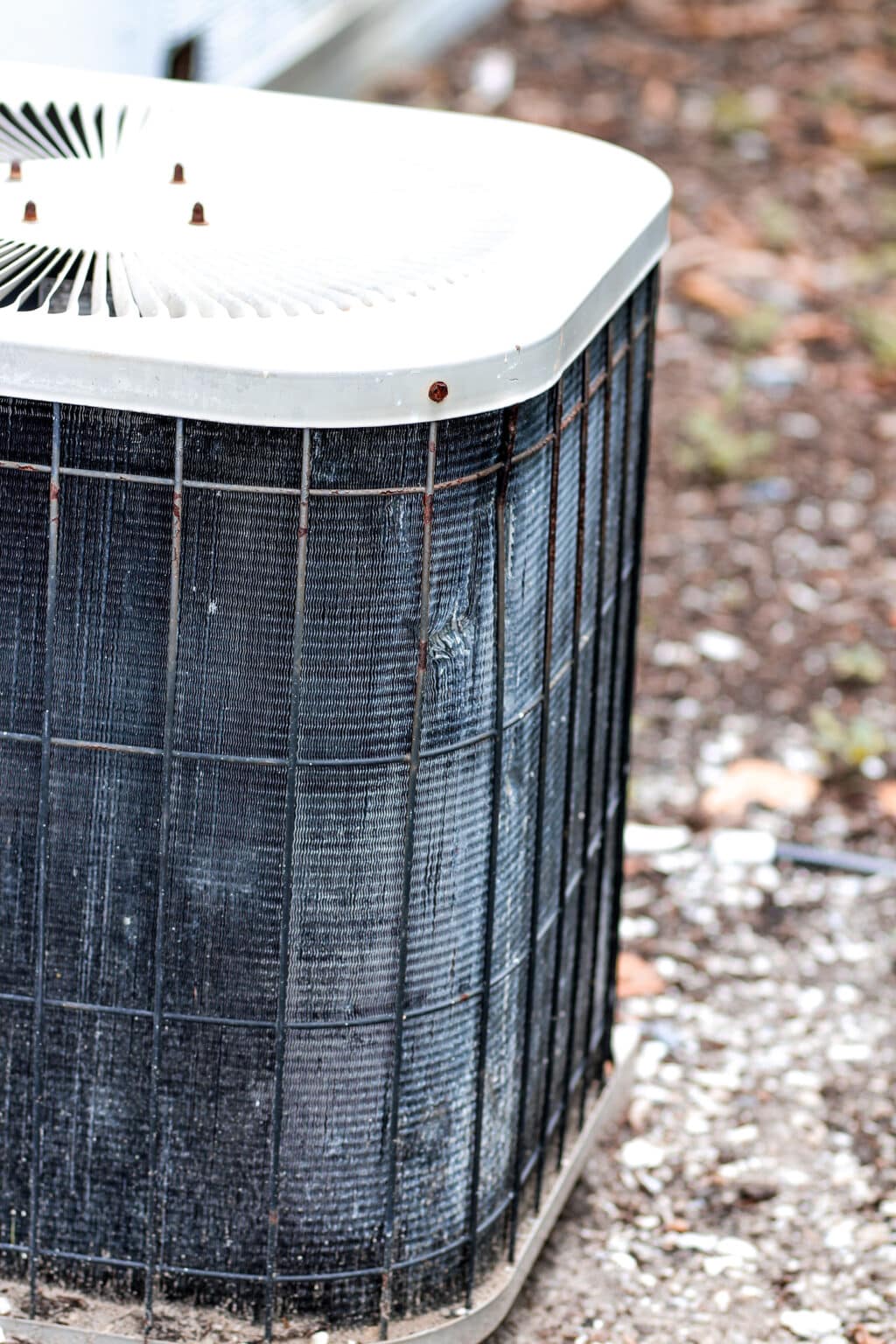
- Dirty Evaporator Coils: Over time, dust bypasses the air filter and coats the wet evaporator coil. This layer of grime insulates the refrigerant from the warm air, mimicking the temperature drops caused by low airflow.
- Thermostat Malfunctions: Faulty thermostats that demand continuous cooling without cycling off can run the system long enough to freeze a marginally balanced coil.
Common Causes and Diagnostic Indicators
| Root Cause | Primary Symptom | Visual or Mechanical Indicator | Initial Remedy |
|---|---|---|---|
| Clogged Air Filter | Reduced airflow from vents, weak cooling | Thick dust coating on filter media | Replace filter immediately |
| Low Refrigerant | Hissing sound, ice on lines, poor cooling | Frost concentrated at coil entrance or outdoor service valve | Call certified technician for leak detection |
| Blower Motor Issue | No sound from indoor unit, zero airflow | Blower wheel stationary or running sluggishly | Test capacitor or replace motor |
| Dirty Evaporator Coil | Gradual loss of cooling efficiency over weeks | Dark, matted grime coating coil fins | Professional chemical cleaning |
| Blocked Vents | Uneven cooling, freezing in specific zones | Furniture or rugs covering floor/wall registers | Clear all obstructions |
Step-by-Step Emergency Response: What to Do When Your AC Freezes
If you discover that your air conditioner is frozen, taking immediate action prevents severe damage to the compressor—the most expensive component in the HVAC system.
Step 1: Turn Off the Cooling System
Immediately switch your thermostat from "Cool" to "Off." If the system continues to run while frozen, liquid refrigerant can flood back into the compressor. Compressors are designed to compress gas, not liquid; liquid slugging can instantly destroy internal valves and mechanical scroll sets.
Step 2: Switch the Fan to "On"
Leave the thermostat fan setting from "Auto" to "On." This keeps the indoor blower fan running continuously, even though the compressor is off. Room-temperature air blowing across the coil will accelerate the melting process.
Step 3: Manage Condensate Water
As a large block of ice melts, the condensate pan can easily overflow, spilling water through ceilings, walls, or floors. Inspect the indoor unit and place towels around the base. If your system is located in an attic, check the emergency drain pan to ensure it is draining properly.
Step 4: Inspect and Replace the Air Filter
While the system is thawing, remove the air filter. If it is dirty, caked with pet hair, or clogged with dust, discard it. Do not attempt to run the system with a wet filter, as moisture makes filter media even more impermeable to airflow.
Step 5: Identify the Root Cause Before Restarting
Do not turn the cooling back on until the entire system is completely thawed and dry. Inspect the evaporator coils, check all room vents, and verify that the outdoor unit is clear of debris. If the system freezes up again shortly after restarting, schedule a service appointment with a licensed HVAC technician.
Long-Term Prevention and Maintenance
Preventing future freeze-ups requires a commitment to routine HVAC maintenance. Addressing minor inefficiencies before they compound saves energy and protects hardware.
Regular Filter Management
Establish a strict schedule for air filter inspections. Standard 1-inch fiberglass filters should be checked every 30 days and replaced when dirty. Thicker media filters (4 to 5 inches) last longer—typically three to six months—but should still be inspected quarterly, especially in households with pets, renovation dust, or high pollen counts.
Annual Professional Tune-Ups
Schedule an annual spring maintenance check with a qualified heating and cooling contractor. A comprehensive tune-up includes:
- Checking refrigerant pressures and subcooling/superheat metrics to verify proper charge.
- Washing the indoor evaporator coil and outdoor condenser coil with specialized cleaning solutions.
- Lubricating motor bearings and testing electrical components, contactors, and capacitors.
- Clearing and treating the condensate drain line to prevent clogs and water backups.
Maintaining Clear Air Paths
Ensure that furniture, heavy drapes, and area rugs do not obstruct supply registers or return air grilles. Proper indoor air circulation is vital not only for temperature regulation but also for maintaining healthy indoor air quality.
Frequently Asked Questions
Can I use a hair dryer or heat gun to melt the ice faster?
Using external heat sources like a hair dryer, heat gun, or torch to melt ice on an air conditioner is strongly discouraged. The plastic drain pan, wiring insulation, and delicate aluminum fins of the evaporator coil are easily warped, melted, or punctured by concentrated heat. Allowing the system to thaw naturally using the indoor blower fan is much safer.
How long does it take for a frozen air conditioner to thaw?
A frozen air conditioner typically takes between 2 to 24 hours to thaw completely, depending on ambient indoor temperatures, humidity, and the thickness of the ice block. Running the indoor blower fan continuously with the cooling system turned off significantly speeds up this process, usually reducing thaw time to a few hours.
Is it safe to run my AC while it is frozen?
Running an air conditioner while it is frozen is unsafe and can permanently destroy the compressor. When ice blocks the evaporator coil, refrigerant cannot absorb heat properly. This forces liquid refrigerant back into the compressor, leading to catastrophic mechanical failure that often costs thousands of dollars to repair or requires total system replacement.
Why does my AC freeze up only at night?
An air conditioner often freezes up at night because indoor and outdoor temperatures drop. Lower outdoor temperatures reduce the head pressure of the system, while lower indoor heat loads mean less thermal energy is available to boil the refrigerant. Combined with a slightly restricted air filter, these nighttime temperature drops can push a marginal system below the freezing threshold.
Does a frozen AC always mean I need more refrigerant?
No. While a low refrigerant charge is a common culprit, restricted airflow caused by dirty filters, blocked vents, or a failing blower motor accounts for a large percentage of freeze-ups. A qualified technician must measure system pressures and superheat levels to determine whether the issue is airflow-related or a sealed system leak.
How can I tell if my refrigerant is leaking?
Signs of a refrigerant leak include a noticeable drop in cooling performance, hissing or bubbling noises near the indoor unit or refrigerant lines, and ice forming specifically on the copper suction line or at the service valves outdoors. Unlike air filter blockages, refrigerant leaks require specialized equipment, such as electronic leak detectors and manifold gauges, to locate and repair.
Next Actions and Professional Guidance
If your air conditioner has frozen up due to a dirty air filter, replacing the filter and allowing the system to thaw may resolve the issue permanently. However, if the system freezes repeatedly despite a clean filter and unblocked vents, you are likely dealing with a refrigerant leak or an electrical failure. In such cases, contact a licensed, insured HVAC contractor to perform diagnostic testing. Continuing to operate a compromised cooling system risks permanent compressor failure, turning a minor maintenance issue into a costly replacement project.
Image Gallery