Choosing Between No Fault and Tort Auto Insurance
Choosing between no-fault and tort auto insurance involves deciding whether to prioritize immediate medical payment regardless of blame or to preserve your unrestricted right to sue for pain and suffering. In "choice" states, opting fo...
Choosing between no-fault and tort auto insurance involves deciding whether to prioritize immediate medical payment regardless of blame or to preserve your unrestricted right to sue for pain and suffering. In "choice" states, opting for a no-fault (limited tort) policy typically results in lower premiums but restricts your ability to litigate for non-economic damages unless your injuries meet specific severity thresholds. Conversely, a tort (full tort) policy provides unlimited legal recourse but carries a significantly higher monthly premium.
Contents
The Fundamental Divide in Auto Insurance Systems
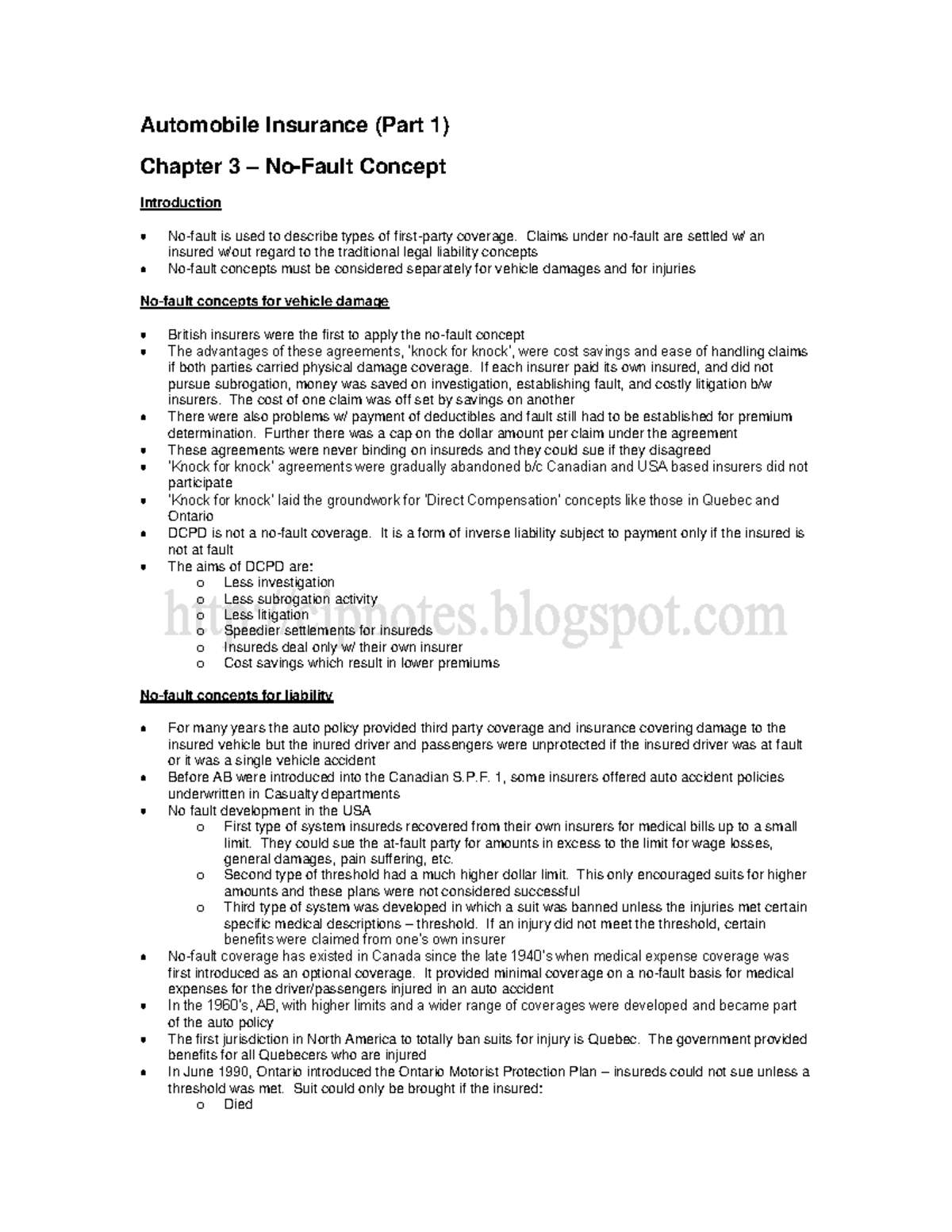
The American auto insurance landscape is primarily divided into two philosophical camps: no-fault and tort-based systems. As of 2026, the distinction remains the most critical decision for drivers in states like Pennsylvania, New Jersey, and Kentucky, where the law allows policyholders to choose their coverage framework. Understanding the core mechanics of these systems is the first step in making an informed financial and legal decision.
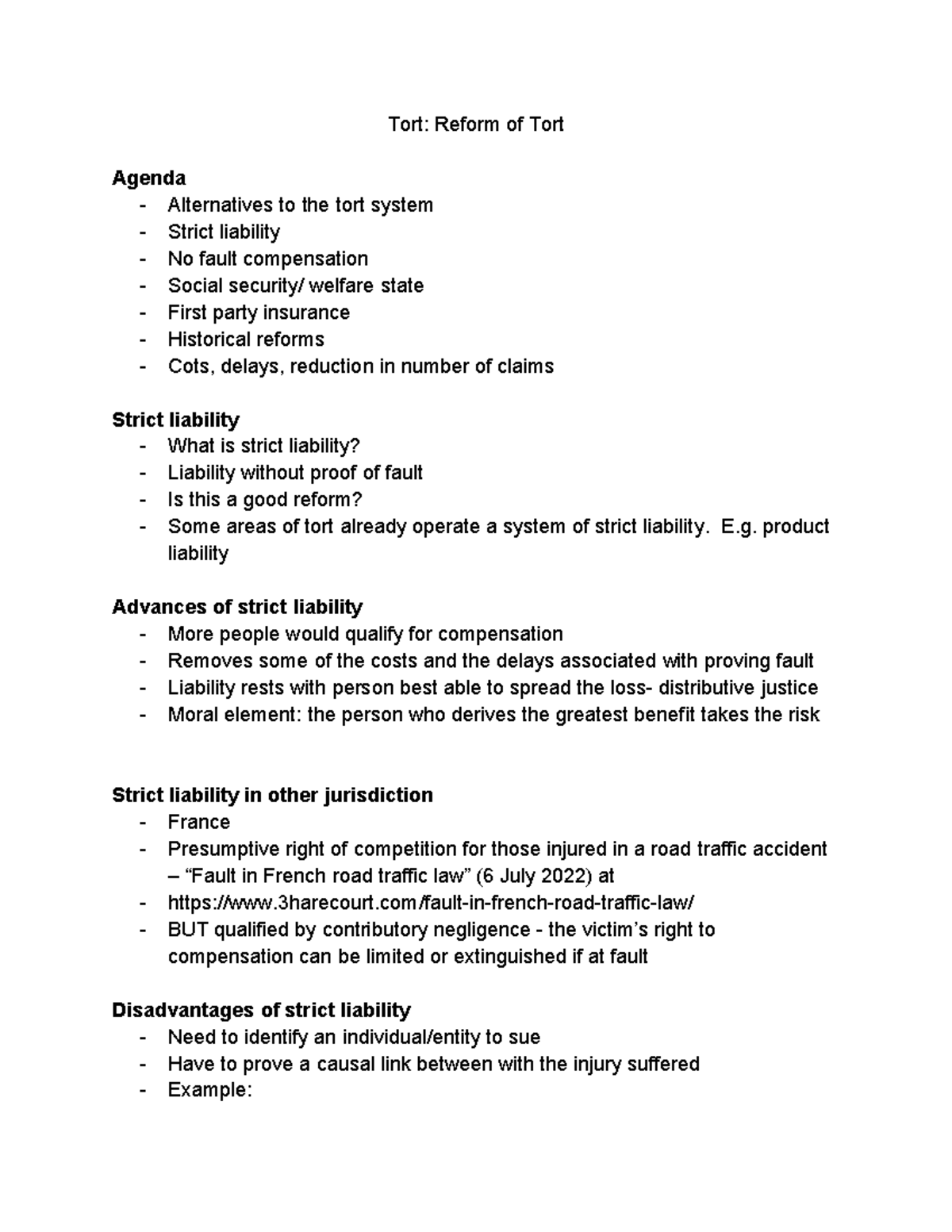
In a tort system, the driver who is determined to be at fault for an accident is legally responsible for the resulting damages. The victim must prove the other driver’s negligence to receive compensation from the at-fault party's insurance company. This system is designed around the principle of accountability, ensuring that those who cause harm bear the financial burden of the recovery.
In a no-fault system, each driver’s own insurance policy pays for their medical expenses and lost wages, regardless of who caused the collision. This coverage is typically facilitated through Personal Injury Protection (PIP). The primary goal of the no-fault system is to streamline the claims process, reducing the burden on the court system and ensuring that injured parties receive medical care immediately without waiting for a lengthy legal determination of fault.
No-Fault Insurance and Personal Injury Protection (PIP)
When you choose the no-fault option, you are essentially buying a policy centered on PIP coverage. This is a mandatory component in "true" no-fault states and an elective one in "choice" states. PIP is often referred to as "first-party coverage" because it pays you directly.
The Benefits of No-Fault Coverage
The most significant advantage of no-fault insurance is the speed of benefit delivery. Because your insurer does not need to investigate who caused the accident before paying your hospital bills, you can access treatment immediately. This is particularly beneficial for individuals who may not have robust private health insurance or those who cannot afford to wait months for a legal settlement.
Furthermore, no-fault policies often provide benefits that standard health insurance might exclude, such as:
- Lost Wage Reimbursement: Coverage for a portion of the income you lose while recovering.
- Essential Services: Compensation for tasks you can no longer perform, such as house cleaning or childcare.
- Funeral Expenses: Immediate funds for end-of-life costs following a fatal accident.
The Limitation: The "Verbal Threshold"
The trade-off for these immediate benefits is a restricted right to sue. When you select a no-fault or "limited tort" policy, you agree to waive your right to sue the other driver for non-economic damages—commonly known as "pain and suffering"—unless your injuries meet a specific legal threshold.
In 2026, most states utilize a verbal threshold, which defines a "serious injury" in descriptive terms rather than a specific dollar amount. For example, you may only be allowed to sue if the accident results in:
- Significant and permanent loss of a bodily function.
- Permanent injury within a reasonable degree of medical probability.
- Significant and permanent scarring or disfigurement.
- Death.
If your injuries are painful but do not meet these permanent criteria (such as a severe sprain or a broken bone that heals perfectly), you are generally barred from seeking a settlement for pain and suffering under a no-fault selection.
Tort Insurance: The Right to Full Legal Recourse
If you choose the tort option—specifically "Full Tort" in states like Pennsylvania or the "No Limitation on Lawsuit" option in New Jersey—you are maintaining your traditional legal rights. This selection is based on the idea that if someone else’s negligence causes you harm, you should be made whole in every sense of the word.
Economic vs. Non-Economic Damages
A tort policy allows you to pursue two distinct types of compensation:
- Economic Damages: These are quantifiable losses like medical bills, property damage, and lost wages.
- Non-Economic Damages: These are subjective losses, including physical pain, emotional distress, loss of enjoyment of life, and loss of consortium.
For many drivers, the ability to sue for non-economic damages is vital. A serious accident can lead to years of chronic pain or psychological trauma that medical bills alone cannot quantify. By choosing the tort option, you ensure that if an at-fault driver impacts your quality of life, you have the legal standing to demand compensation for that impact.
The Cost of the Tort Option
The primary disadvantage of the tort or full tort option is the premium cost. Because insurance companies know they are exposed to higher potential payouts and litigation costs, they charge significantly more for these policies. In some jurisdictions, choosing full tort can increase the bodily injury portion of your premium by 30% to 50%.
Comparing No-Fault and Tort Systems
To decide which is right for you, it is helpful to see how they perform side-by-side across various scenarios.
| Feature | No-Fault (Limited Tort) | Tort (Full Tort) |
|---|---|---|
| Primary Payor | Your own insurance (PIP) | The at-fault driver's insurance |
| Medical Bill Payout | Immediate, regardless of fault | Delayed until fault is determined |
| Right to Sue | Restricted to "serious" injuries | Unrestricted for all injuries |
| Pain and Suffering | Generally excluded for minor injuries | Always a potential claim |
| Monthly Premium | Significantly lower | Significantly higher |
| Legal Process | Simplified; fewer lawsuits | Often involves litigation or settlements |
| Best For | Budget-conscious drivers with good health insurance | High-income earners or those seeking maximum protection |
Factors to Consider When Making Your Choice
Choosing between these two options is not a "one size fits all" decision. It requires a careful analysis of your financial situation, your health coverage, and your risk tolerance.
Your Current Health Insurance
If you have a high-quality, comprehensive health insurance plan with low deductibles, the immediate medical payment benefits of a no-fault policy might be less critical. However, if you are uninsured or have a high-deductible health plan (HDHP), the PIP benefits included in a no-fault policy can serve as a vital safety net.
Your Financial Risk Tolerance
Can you afford to pay higher monthly premiums now to protect your right to a large settlement later? If you are living paycheck to paycheck, the immediate savings of a no-fault (limited tort) policy might be necessary. Conversely, if you have significant assets and want to ensure you are fully compensated for any potential loss in quality of life, the full tort option is often the wiser investment.
The Nature of Your Commute
Drivers who spend significant time on high-speed highways or in areas with high accident rates may prefer the tort option. The statistical likelihood of a more severe accident—where pain and suffering claims are more common—is higher in these environments.
The Choice in Specific States
As of 2026, three states are famous for giving drivers this specific choice at the point of purchase. The terminology varies, but the underlying mechanics remain consistent.
Pennsylvania: Limited Tort vs. Full Tort
In Pennsylvania, the choice is explicit. If you select Limited Tort, you save money but cannot sue for pain and suffering unless your injury is "serious" (death, permanent impairment, or permanent disfigurement). If you select Full Tort, you pay more but can sue for any injury.
New Jersey: The "Limitation on Lawsuit" Option
New Jersey offers a "Standard Policy" where you choose between the "Limitation on Lawsuit" (No-Fault) and "No Limitation on Lawsuit" (Tort). The limitation option applies a verbal threshold that covers six specific categories of injuries. If you don't fit those categories, you cannot sue for non-economic damages.
Kentucky: The Right to Reject
Kentucky is a no-fault state by default, but drivers have the right to "reject" the no-fault limitations in writing. By rejecting no-fault, you move into a tort environment where you can be sued and can sue others without PIP thresholds, though this often makes the insurance process more complex and expensive.
Common Mistakes and Misconceptions
One of the most frequent errors drivers make is assuming that "No-Fault" means "No One is at Fault." This is incorrect. Police and insurance adjusters still determine fault to decide whose property damage coverage pays for the cars. "No-Fault" only refers to the medical portion of the claim.
Another common mistake is believing that limited tort saves you from being sued. Choosing limited tort only affects your right to sue others; it does not protect you if you cause an accident. Your liability coverage is what protects you from being sued by others, regardless of whether you chose a no-fault or tort framework for your own injuries.
Finally, many drivers underestimate what constitutes a "serious injury." They assume that a broken leg or a herniated disc will automatically allow them to sue under a no-fault policy. However, courts in 2026 continue to interpret "permanent impairment" strictly. If the injury heals to the point where you can return to work and normal activities, it may not meet the threshold, leaving you with no compensation for the months of pain you endured.
FAQ
Does no-fault insurance cover the damage to my car? No. No-fault insurance (PIP) applies only to medical expenses and related costs like lost wages. Damage to your vehicle is covered under "Property Damage Liability" (if the other driver is at fault) or "Collision Coverage" (if you are at fault or have a no-fault property policy), depending on your state's laws.
Is it possible to switch from Limited Tort to Full Tort later? Yes, you can generally change your selection at any time by contacting your insurance agent. However, the change will only apply to accidents that occur after the policy update. You cannot retroactively change your status after an accident has occurred.
Which option is better for families with children? Many experts recommend the tort (full tort) option for families. Children can suffer long-term developmental or psychological effects from accidents that may not immediately meet the "permanent injury" threshold. Having the unrestricted right to seek compensation ensures the child's future needs are protected.
How does my choice affect my passengers? In most choice states, your selection (limited or full tort) also applies to members of your household who do not have their own insurance. However, for passengers who are not members of your household, their own auto insurance policy selection usually dictates their right to sue.
What happens if the other driver has no insurance? If you have a tort policy but the at-fault driver is uninsured, your right to sue still exists, but there may be no money to collect. This is why "Uninsured/Underinsured Motorist" (UM/UIM) coverage is a critical addition to any tort-based strategy, as it allows your own insurer to "step into the shoes" of the at-fault driver.
Practical Recommendation
For the average driver in 2026, the Full Tort (or No Limitation on Lawsuit) option is the superior choice if it fits within the household budget. While the monthly savings of a no-fault policy are tempting, the legal "blind spot" created by the verbal threshold is a significant risk. If you are involved in a life-altering accident that causes chronic pain but doesn't meet the strict legal definition of "permanence," the inability to seek a settlement can be financially and emotionally devastating. If you must choose the no-fault option to save money, ensure you have excellent private health insurance and a robust disability policy to cover the gaps.
Image Gallery