Twin Mattress for Back Pain: Choosing Spinal Support Options
Choosing a twin mattress for back pain in 2026 requires prioritizing neutral spinal alignment through advanced zoned support and material responsiveness. While memory foam offers essential pressure relief, modern hybrid and latex optio...
Choosing a twin mattress for back pain in 2026 requires prioritizing neutral spinal alignment through advanced zoned support and material responsiveness. While memory foam offers essential pressure relief, modern hybrid and latex options provide the structural lift necessary to prevent lumbar sagging, which remains the primary driver of chronic morning stiffness and localized discomfort.
Contents
The Biomechanics of Spinal Support in Twin Mattresses
When addressing back pain, the primary objective is to maintain the spine's natural "S-curve" throughout the night. A twin mattress, measuring approximately 38 inches by 75 inches, presents unique challenges compared to larger sizes. Because the surface area is smaller, the concentration of body weight is more localized, which can lead to faster degradation of the support core if the materials are not of sufficient density.
Spinal support is not synonymous with "firmness." While a firm mattress prevents the body from sinking too deeply, an overly rigid surface can create gaps between the lower back and the mattress, forcing the muscles to remain tense to support the spine. Conversely, a mattress that is too soft allows the hips—the heaviest part of the body—to dip, pulling the spine out of alignment.
By 2026, the industry standard for orthopedic relief focuses on dynamic response, where the mattress adjusts its resistance based on the pressure applied. This is particularly vital for twin beds often used by single sleepers who may move frequently throughout the night.
Evaluating Support Core Technologies
The support core is the bottom layer of the mattress responsible for weight distribution and spinal integrity. For back pain sufferers, the choice of core technology is the most critical decision.
Pocketed Coil Systems (Individually Wrapped)
In 2026, high-end twin mattresses almost exclusively use pocketed coils rather than traditional interconnected Bonnell coils. Each spring is encased in its own fabric sleeve, allowing it to move independently. For back pain, this is superior because the coils can contour to the specific curves of the spine without affecting the neighboring springs. This "point elasticity" ensures that the lumbar region receives firm support while the shoulders and hips are allowed to sink slightly.
High-Density Polyurethane Foam
For those who prefer an all-foam construction, the density of the base foam is paramount. For chronic back pain, a base layer should have a density of at least 1.8 lbs per cubic foot. In 2026, many manufacturers have transitioned to "high-resiliency" (HR) foams that offer a faster snap-back, preventing the "stuck" feeling that contributes to spinal strain during position changes.
Natural and Synthetic Latex
Latex is naturally buoyant and resistant to impressions. It provides an "uplift" sensation rather than a "sinking" sensation. For individuals with lower back issues (lumbar strain), latex offers a consistent counter-pressure that keeps the hips elevated. It is also one of the most durable materials available, ensuring the mattress maintains its supportive properties for 10 to 12 years.
The Role of Zoned Support Options
Zoned support is a design feature where the mattress is divided into sections with varying levels of firmness. This is specifically engineered to mirror the human anatomy.
- Lumbar Zone: The center third of the mattress is reinforced with firmer foam or higher-gauge coils to support the heavy pelvic region.
- Shoulder and Leg Zones: These areas are slightly softer to allow the shoulders to sink in, which is crucial for side sleepers to prevent the spine from curving upward.
In 2026, 7-zone systems have become more accessible in twin sizes. These systems provide specific pressure relief for the head, shoulders, lumbar, hips, knees, lower legs, and ankles. When choosing a twin mattress for back pain, verifying the presence of at least a 3-zone reinforced center is the most effective way to ensure long-term spinal health.
Material Comparison for Spinal Alignment
The following table compares the primary mattress types available in 2026 based on their efficacy for different types of back pain.
| Mattress Type | Support Mechanism | Pressure Relief | Best For | Back Pain Suitability |
|---|---|---|---|---|
| Hybrid | Pocketed Coils + Foam | High | Multi-position sleepers | Excellent (Balanced support) |
| Memory Foam | Viscoelastic Foam | Superior | Side sleepers | Good (Focus on lumbar lift) |
| Latex | Aerated Rubber | Moderate | Back/Stomach sleepers | Excellent (High durability) |
| Innerspring | Connected Coils | Low | Budget-conscious | Fair (Risk of sagging) |
| Air-Adjustable | Pneumatic Chambers | Variable | Chronic/Evolving pain | Excellent (Customizable) |
Firmness Levels and Sleeping Positions
The "Right" firmness is subjective but generally follows established orthopedic guidelines based on sleeping posture.
Side Sleepers
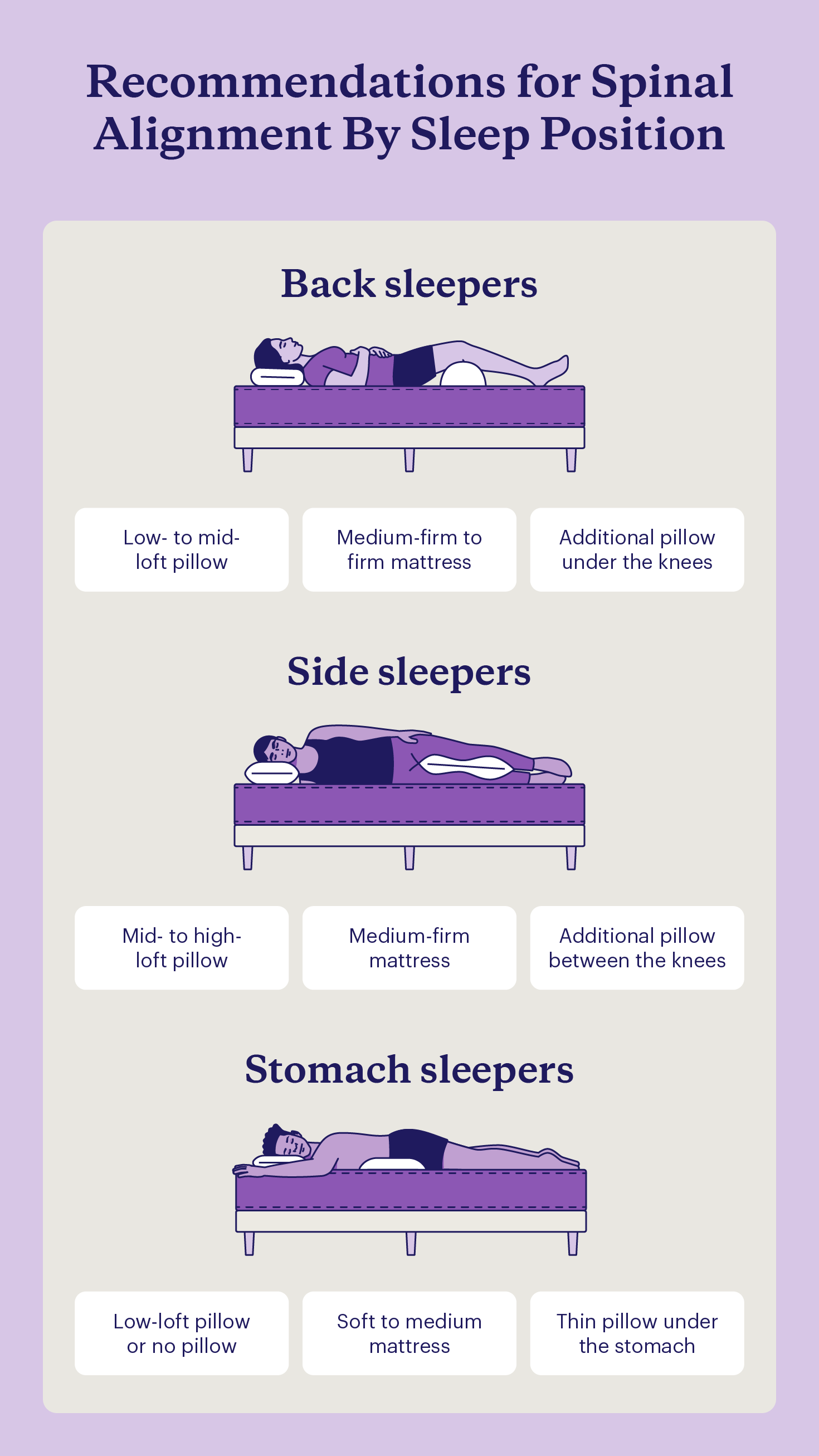
Side sleepers are most prone to hip and shoulder pain, which translates to referred pain in the upper and lower back. A Medium (5-6/10) firmness is typically recommended. The mattress must be soft enough to accommodate the protrusion of the shoulder and hip while the zoned support keeps the waist from sagging.
Back Sleepers
Back sleepers require a Medium-Firm (6-7/10) surface. This ensures the natural curve of the lower back is filled by the comfort layers, while the support core prevents the "hammock effect," where the midsection sinks lower than the head and feet.
Stomach Sleepers
This position is generally discouraged for back pain, but for those who cannot switch, a Firm (7-8/10) twin mattress is mandatory. Anything softer will cause the pelvis to sink, over-extending the lumbar spine and leading to significant morning pain.
Edge Support and Stability in Twin Beds
Edge support is often overlooked in twin mattresses, but it is vital for individuals with limited mobility or those who use the edge of the bed to transition to a standing position. In 2026, many twin mattresses feature reinforced perimeters using higher-gauge coils or extra-firm foam encasements.
Strong edge support increases the usable sleep surface of a twin bed. Without it, the edges may compress under weight, creating a "roll-off" sensation that forces the sleeper toward the center. This concentration of weight in the center accelerates the development of a permanent sag, which is the enemy of spinal alignment.
Essential Considerations for Longevity and Support
When selecting a mattress specifically for back pain, technical specifications regarding durability are non-negotiable.
- Coil Count and Gauge: For a twin hybrid or innerspring, a coil count between 400 and 600 is standard for quality support. The "gauge" refers to the thickness of the wire; a lower number (e.g., 12 or 13) indicates a firmer, more supportive wire, while a higher number (15 or 16) is thinner and more flexible.
- Foam Density: In memory foam layers, look for at least 3.5 to 5 lbs per cubic foot. Lower density foams break down faster, losing their ability to support the spine within just a few years.
- Foundation Compatibility: A supportive mattress is only as good as the surface it sits on. Ensure your twin frame or foundation has slats no more than 3 inches apart. Wider gaps can cause the mattress to bulge and sag, nullifying the orthopedic benefits.
Frequently Asked Questions
Can a twin mattress be as supportive as a King for back pain?
Yes. Support is a function of material quality and construction, not surface area. A high-quality twin mattress with zoned pocketed coils and high-density foam provides the same level of spinal alignment for a single sleeper as a larger version of the same model. The key is ensuring the mattress is rated for the sleeper's specific body weight to prevent premature compression.
How often should I replace a twin mattress to avoid back pain?
In 2026, high-quality hybrid and foam mattresses are designed to last 7 to 10 years, while latex can last up to 15. However, for back pain sufferers, the mattress should be replaced as soon as a visible indentation of more than 1 inch occurs, or if you consistently wake up with stiffness that dissipates within 30 minutes of moving.
Is a "Firm" mattress always better for back pain?
No. Research in sleep medicine has shifted toward "Medium-Firm" as the clinical gold standard for non-specific back pain. An overly firm mattress can create pressure points on the hips and shoulders, leading to poor circulation and a secondary set of musculoskeletal issues. The goal is "contouring support," where the mattress fills the gaps of the body's silhouette.
Does the mattress cover material affect spinal support?
While the cover (or "ticker") doesn't provide structural support, it affects the "feel" and responsiveness. In 2026, many orthopedic mattresses use phase-change materials (PCM) or Tencel covers that reduce heat. Heat retention in foam can cause it to soften excessively during the night, which may lead to a loss of support in the early morning hours.
Are specialized orthopedic twin mattresses worth the extra cost?
Orthopedic certifications usually indicate that the mattress has undergone pressure-mapping tests to ensure it maintains spinal alignment. While these often come at a premium, the investment is generally justified by the use of higher-density materials and verified zoned support systems that are specifically engineered to mitigate chronic pain.
Practical Recommendation
When purchasing a twin mattress for back pain in 2026, prioritize a Hybrid construction with 3-zone or 7-zone pocketed coils. This configuration offers the best balance of localized pressure relief and structural lift. Always verify the trial period; a minimum of 90 days is necessary for your musculoskeletal system to adjust to a new support structure. If the mattress does not significantly reduce morning stiffness within the first 30 days, the firmness level or zoning may need adjustment to better suit your specific sleeping posture.
Image Gallery