Understanding Common Blood Glucose Test Abbreviations and Lab Terms
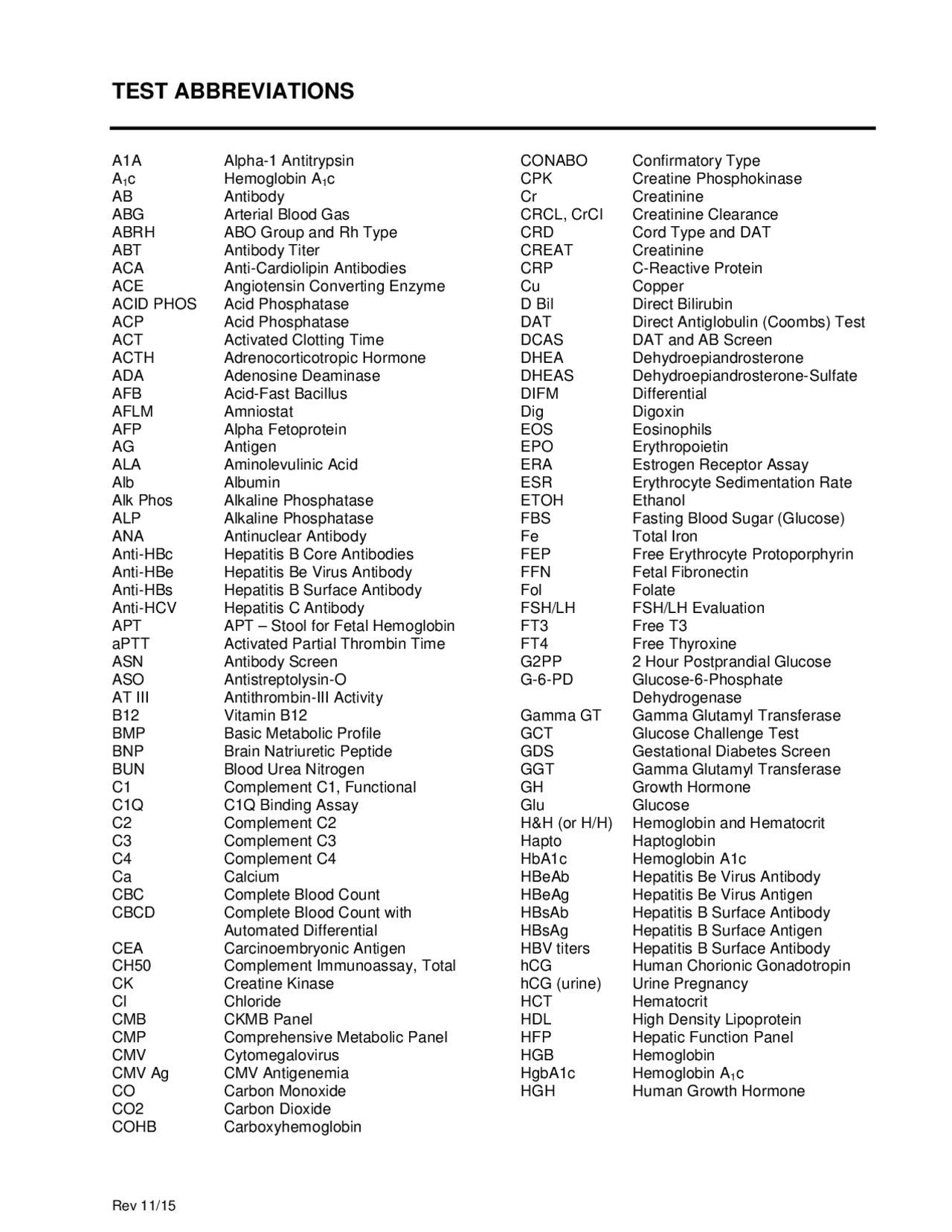
Blood glucose test abbreviations like HbA1c, FBG, and OGTT represent standardized medical shorthand used to identify specific methods of measuring blood sugar. These abbreviations help clinicians communicate efficiently, categorize dia...
Blood glucose test abbreviations like HbA1c, FBG, and OGTT represent standardized medical shorthand used to identify specific methods of measuring blood sugar. These abbreviations help clinicians communicate efficiently, categorize diagnostic data, and guide treatment plans for diabetes management, insulin resistance, and metabolic health assessments in clinical settings.
Contents
Understanding the alphabet soup of medical shorthand is essential for anyone navigating a laboratory report or a diabetes management plan. In 2026, healthcare providers continue to rely on these standardized abbreviations to ensure clarity and precision across digital health records and pharmacy prescriptions. Whether you are reviewing a routine metabolic panel or monitoring a chronic condition, knowing what these letters stand for—and the physiological processes they measure—is the first step toward informed health advocacy.
Why Medical Abbreviations are Used in Glucose Monitoring
In the fast-paced environment of hospitals and diagnostic laboratories, abbreviations serve several critical functions. First and foremost is efficiency. Writing "Hemoglobin A1c" or "Oral Glucose Tolerance Test" dozens of times daily is time-consuming for medical staff. Standardized codes like HbA1c and OGTT allow for rapid entry into Electronic Health Records (EHR).
Furthermore, these abbreviations are tied to specific billing codes and insurance protocols. For instance, an insurance provider may require a specific FBG (Fasting Blood Glucose) result before approving certain medications. Using standardized terminology reduces the risk of diagnostic errors and ensures that patients across different healthcare systems receive consistent care. In the context of 2026 clinical standards, these abbreviations remain the universal language of endocrinology and primary care.
Primary Diagnostic Abbreviations: The "Big Three"
When a physician suspects diabetes or prediabetes, they typically order one or more of three primary tests. Each of these has a distinct abbreviation and provides a different perspective on how the body processes sugar.
HbA1c (Hemoglobin A1c)
The HbA1c test, often simply called "A1C," is arguably the most important abbreviation in diabetes care. It measures the percentage of glycated hemoglobin in the blood. Because red blood cells have a lifespan of approximately 120 days, the A1C test provides an average of a patient's blood sugar levels over the past two to three months.
Unlike a finger-stick test that shows a snapshot in time, the A1C offers a "big picture" view. It is not affected by short-term fluctuations caused by a recent meal or a stressful morning. In 2026, the American Diabetes Association maintains that an A1C level below 5.7% is considered normal, while 6.5% or higher typically signals a diabetes diagnosis.
FBG (Fasting Blood Glucose)
FBG, sometimes written as FBS (Fasting Blood Sugar), is a foundational diagnostic tool. This test measures the concentration of glucose in the blood after the patient has refrained from consuming food or calorie-containing beverages for at least eight hours.
The purpose of fasting is to eliminate the influence of recent dietary intake, allowing doctors to see the "baseline" sugar level maintained by the liver and pancreas. An FBG test is usually the first step in a routine physical. If the FBG is consistently elevated (above 100 mg/dL), it suggests that the body is struggling to regulate glucose even in the absence of food.
OGTT (Oral Glucose Tolerance Test)
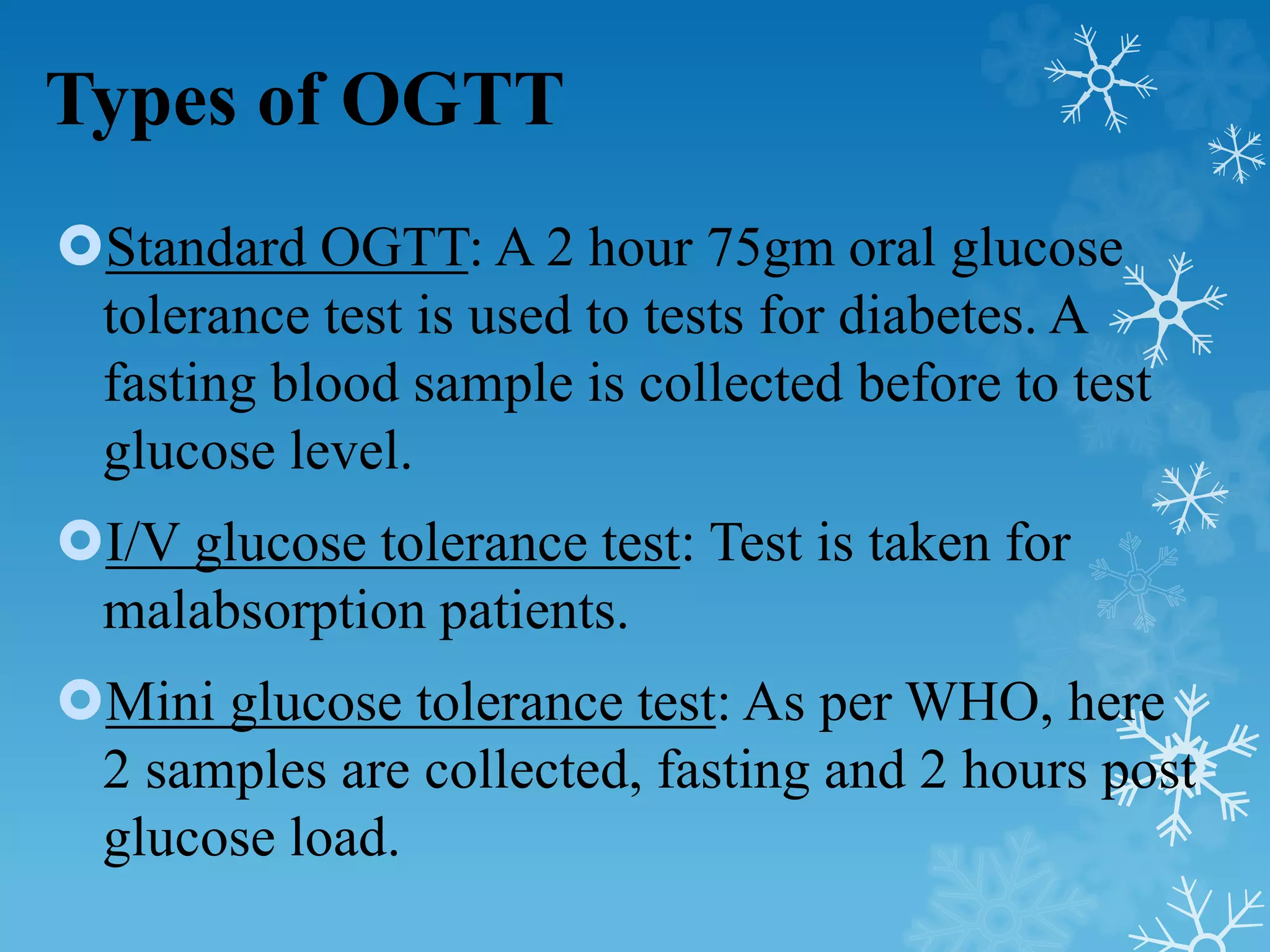
The OGTT is a more intensive diagnostic procedure, most commonly used to screen for Gestational Diabetes Mellitus (GDM) during pregnancy or to clarify ambiguous FBG results. During an OGTT, a patient’s fasting blood is drawn, after which they consume a standardized sugary beverage (usually containing 75 or 100 grams of glucose).
Blood samples are then taken at one-, two-, and sometimes three-hour intervals. This test measures how effectively the body "clears" a large load of glucose from the bloodstream. It is the "stress test" of metabolic function, identifying impairments that might not be visible during a simple fasting test.
Daily Management and Monitoring Abbreviations
For individuals already diagnosed with diabetes, daily life involves a different set of acronyms focused on ongoing management rather than diagnosis.
SMBG (Self-Monitoring of Blood Glucose)
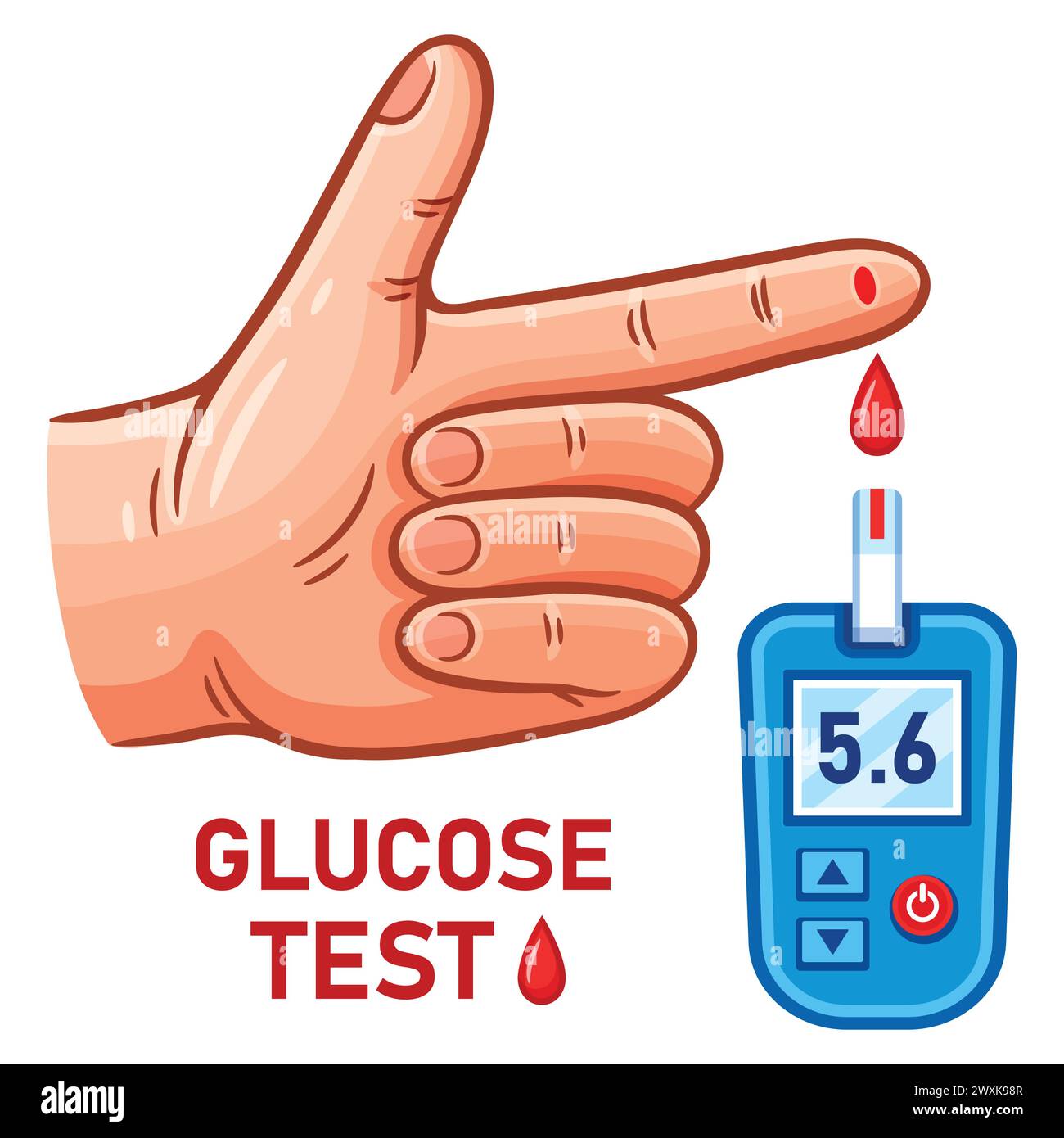
SMBG refers to the practice of patients checking their own blood sugar levels using a portable glucose meter and lancing device. This is the traditional "finger-stick" method. SMBG is crucial for patients on insulin who need to calculate dosages based on their current glucose levels. While technology is evolving, SMBG remains the backup standard for verifying the accuracy of wearable sensors.
CGM (Continuous Glucose Monitor)
In 2026, CGM technology has become the standard of care for Type 1 diabetes and many Type 2 cases. A CGM is a wearable device that uses a tiny subcutaneous sensor to measure glucose levels in the interstitial fluid every few minutes. The "abbreviation" often extends to iCGM (integrated CGM) or rtCGM (real-time CGM). These devices provide trends and alerts, showing whether sugar levels are rising or falling, which offers far more actionable data than isolated SMBG readings.
RBS (Random Blood Sugar)
RBS is a test taken at any time of day, regardless of when the last meal was eaten. It is primarily used in emergency settings or during a quick office visit if a patient is symptomatic (e.g., experiencing extreme thirst or blurred vision). An RBS reading above 200 mg/dL, accompanied by symptoms, is often sufficient for a preliminary diabetes diagnosis.
Post-Meal and Specialized Testing Terms
Beyond diagnostic baselines, doctors often want to see how the body handles the "fuel" provided by daily meals.
PPBS / PPBG (Post-Prandial Blood Sugar/Glucose)
"Prandial" is the medical term for a meal. Therefore, PPBS or PPBG refers to blood sugar levels measured after eating. Most commonly, clinicians look at the 2hPP (2-hour postprandial) level. In a healthy individual, blood sugar rises after a meal but should return to near-normal levels within two hours. Persistent elevations in PPBG levels are often an early warning sign of "Phase 1" insulin secretion failure, which is common in early-stage Type 2 diabetes.
eAG (Estimated Average Glucose)
The eAG is a calculated value that converts an A1C percentage into the same units (mg/dL or mmol/L) used on daily glucose meters. Many patients find it difficult to relate a percentage like "7.2% A1C" to their daily readings. The eAG translates that 7.2% into a number like "160 mg/dL," helping the patient understand their average daily standing.
Units of Measurement: mg/dL vs. mmol/L
Understanding the abbreviations for the units themselves is just as important as the tests. Depending on your geography, your results will be expressed in one of two ways:
- mg/dL (Milligrams per deciliter): This is the standard unit used in the United States, Japan, and several other countries.
- mmol/L (Millimoles per liter): This is the international standard used in the UK, Canada, Australia, and most of Europe.
To convert from mmol/L to mg/dL, you multiply by 18. Conversely, to go from mg/dL to mmol/L, you divide by 18. For example, a "normal" fasting sugar of 90 mg/dL is approximately 5.0 mmol/L.
Comparison Table of Blood Glucose Test Abbreviations
The following table summarizes the most frequent abbreviations encountered in laboratory reports and clinical summaries in 2026.
| Abbreviation | Full Name | Primary Purpose | Typical Frequency |
|---|---|---|---|
| HbA1c | Hemoglobin A1c | 3-month blood sugar average | Every 3–6 months |
| FBG / FBS | Fasting Blood Glucose/Sugar | Baseline diagnostic/screening | Annually or as needed |
| OGTT | Oral Glucose Tolerance Test | Screening for Gestational/Prediabetes | During pregnancy (24–28 weeks) |
| SMBG | Self-Monitoring of Blood Glucose | Daily management (finger-sticks) | Multiple times daily |
| CGM | Continuous Glucose Monitor | Real-time trend monitoring | Continuous (sensor wear) |
| PPBG | Post-Prandial Blood Glucose | Measuring response to meals | Specific clinical assessment |
| eAG | Estimated Average Glucose | Translating A1C to meter units | With every A1C report |
| IFG | Impaired Fasting Glucose | Identifying "Prediabetes" range | Diagnostic conclusion |
Interpreting Your Lab Report: Beyond the Abbreviations
While the abbreviations tell you what was measured, the context tells you what it means. Lab reports usually include a "Reference Range" or "Normal Values" column. If your result falls outside this range, it will often be flagged with an "H" (High) or "L" (Low).
It is important to note that clinical guidelines can shift. In 2026, the medical community emphasizes "Time in Range" (TIR) as a critical metric for those using CGMs. TIR measures the percentage of the day a patient stays within a target glucose window (usually 70–180 mg/dL). This abbreviation is increasingly appearing on lab summaries alongside the traditional A1C.
Common Pitfalls and Misunderstandings
One of the most frequent errors patients make is confusing FBS with RBS. If you are told to have an FBS (Fasting) test but eat breakfast before the draw, the result will be incorrectly high, leading to a potential misdiagnosis. Always clarify with the laboratory if fasting is required.
Another common point of confusion is the A1C vs. eAG. Some patients see the eAG on their report and think it is their "current" blood sugar. It is not. It is an average of the last 90 days. If you are currently feeling shaky (hypoglycemic), your eAG might still look high because of previous weeks of high sugar, while your actual current glucose (SMBG) might be dangerously low.
Frequently Asked Questions
What is the difference between FBG and HbA1c?
The FBG measures your blood sugar at a single point in time after fasting, showing how your body maintains baseline levels. The HbA1c measures your average blood sugar over the past 2–3 months by looking at sugar attached to hemoglobin. FBG is a snapshot; HbA1c is a long-term average.
Why is the OGTT used instead of a simple fasting test?
The OGTT is more sensitive. Some people have normal fasting levels (FBG) but their bodies cannot handle a sugar "load" effectively. The OGTT identifies these individuals, which is why it is the gold standard for diagnosing gestational diabetes and subtle cases of prediabetes.
What does "Post-Prandial" actually mean in a test?
"Post-prandial" simply means "after a meal." In a clinical setting, it almost always refers to a test taken exactly two hours after you finish eating. This timing is chosen because it is when glucose levels typically peak and then begin to return to baseline in healthy individuals.
Can I use a CGM abbreviation to describe my finger-stick meter?
No. CGM stands for "Continuous Glucose Monitor," which involves a sensor worn on the body for 7–14 days. A finger-stick meter is referred to as SMBG (Self-Monitoring of Blood Glucose) or simply a BGM (Blood Glucose Meter).
Why do some reports use mg/dL while others use mmol/L?
This is due to regional medical standards. The United States uses mg/dL (mass concentration), while most of the rest of the world uses mmol/L (molar concentration). Most modern glucose meters and insulin pumps allow users to toggle between these two units in the settings.
Practical Recommendation for Patients
If you are reviewing your blood work and encounter an abbreviation you do not recognize, the best next action is to request a "Patient Summary" or "Plain Language" version of your report through your healthcare portal. In 2026, most major health systems like Mayo Clinic or Cleveland Clinic provide digital tools that define these terms directly within your results screen. Always keep a log of your HbA1c and FBG results over time to help your physician identify long-term trends in your metabolic health.
Image Gallery