Is Campbell's Chicken Noodle Soup Good for Diarrhea? Benefits and Risks
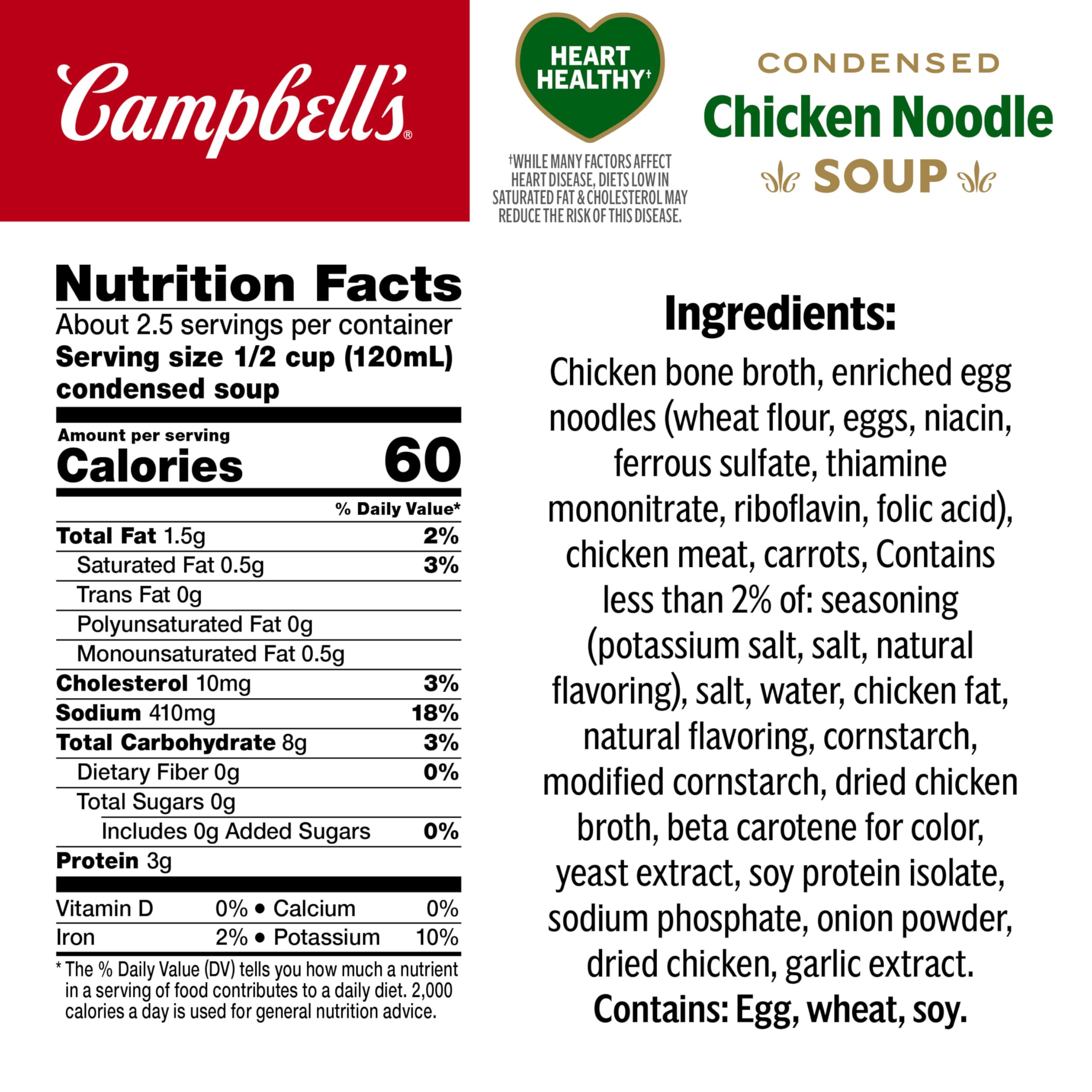
Campbell's chicken noodle soup can be helpful for mild diarrhea because it supplies fluids, sodium to replace lost electrolytes, and easily digestible carbohydrates from refined egg noodles. However, its high sodium content, potential...
Campbell's chicken noodle soup can be helpful for mild diarrhea because it supplies fluids, sodium to replace lost electrolytes, and easily digestible carbohydrates from refined egg noodles. However, its high sodium content, potential fat, and added ingredients can irritate sensitive digestive tracts if consumed improperly or in excessive amounts.
Contents
Disclaimer: This article is for informational purposes only and does not replace professional medical advice, diagnosis, or treatment. Always consult a qualified healthcare provider regarding persistent digestive issues or severe symptoms.
The Role of Chicken Noodle Soup in Digestive Recovery
When dealing with acute gastroenteritis or non-specific diarrhea, the primary clinical objective is preventing fluid loss and restoring fluid balance. Canned soups like Campbell's Classic Condensed Chicken Noodle Soup have long been utilized as traditional comfort food during illness. Understanding how its components interact with an inflamed gastrointestinal tract helps determine whether it is an appropriate choice for recovery.
| Component | Function |
|---|---|
| Water & Broth Base | Rehydrates tissue and prevents fluid deficit |
| Sodium Content (~890mg) | Restores essential serum electrolytes |
| Refined Egg Noodles | Provides rapid, low-residue energy |
| Chicken Protein (Lean) | Supports mucosal repair without heavy fat |
Hydration and Electrolyte Replenishment
Diarrhea causes rapid expulsion of intestinal contents, leading to significant loss of water and essential minerals, particularly sodium and chloride. Dehydration is the main complication associated with diarrheal illnesses.
The warm broth in Campbell's chicken noodle soup serves as a fluid vehicle that encourages liquid intake when solid foods feel unappetizing. Furthermore, broth contains substantial amounts of dissolved sodium. Sodium plays a vital physiological role in the small intestine: through the sodium-glucose cotransport system, the presence of sodium alongside simple carbohydrates enhances water absorption across the mucosal lining into the bloodstream.
Easy-to-Digest Carbohydrates
The noodles in standard canned chicken noodle soup are made from enriched wheat flour. These refined starches are low in dietary fiber, making them part of a "low-residue" diet. High-fiber foods (such as whole grains, raw vegetables, and legumes) accelerate bowel motility and bulk up stool in ways that can overwork an inflamed colon. Refined noodles break down quickly into simple sugars with minimal mechanical digestion, providing much-needed energy without stressing the gastrointestinal tract.
Lean Protein and Soothing Warmth
Small chunks of chicken breast in the soup provide bioavailable amino acids essential for cellular repair and immune function. Because chicken breast is relatively low in fat compared to beef or pork, it is easier for a compromised digestive system to process. Additionally, warm liquids help relax intestinal smooth muscle, which can alleviate abdominal cramping associated with hypermotility.
Potential Risks and Drawbacks of Canned Soup for Diarrhea
While Campbell's chicken noodle soup offers distinct recovery benefits, certain formulation features can trigger adverse reactions depending on the underlying cause of stomach upset.
Excessive Sodium and Osmotic Balance
A single serving (1/2 cup condensed, which yields 1 cup prepared) of classic Campbell's Condensed Chicken Noodle Soup contains approximately 890 mg of sodium. This represents nearly 39% of the recommended daily limit for healthy adults, as outlined by the U.S. Food and Drug Administration (FDA).
Daily Sodium Intake vs. Single Bowl Consumption:
- 2,300 mg Max Daily Limit
- 890 mg Campbell's Single Bowl (~39%)
When consumed in concentrated forms without sufficient added water, highly hypertonic (salty) solutions can draw fluid out of intestinal tissue and into the lumen of the bowel via osmosis. This osmotic flux can actually worsen fluid loss and result in watery stools—a phenomenon known as osmotic diarrhea.
Fat Content and the Gastrocolic Reflex
Fat is a strong stimulant of the gastrocolic reflex, a physiological mechanism that triggers contractions in the lower gastrointestinal tract when food enters the stomach. While classic canned chicken noodle soup is relatively low in fat (typically 2 to 2.5 grams per serving), specialty or cream-based varieties (such as Cream of Chicken or extra-creamy formulas) contain significantly higher fat and dairy levels. Dietary fat delays gastric emptying and stimulates intestinal motility, which can intensify abdominal cramping and accelerate diarrhea.
Sensitivities to Wheat, Dairy, and Additives
Standard canned soup recipes contain ingredients that may not be tolerated by everyone:
- Wheat Gluten: The noodles contain wheat. Individuals with non-celiac gluten sensitivity, celiac disease, or temporary post-infectious gluten intolerance may experience increased inflammation and diarrhea.
- Monosodium Glutamate (MSG) and Flavor Enhancers: Added yeast extracts and flavorings can occasionally trigger gut hypersensitivity in susceptible individuals.
- Lactose/Dairy Derivatives: While standard chicken noodle soup is broth-based, processing equipment or sub-ingredients may introduce trace dairy, which poses a risk for individuals experiencing temporary secondary lactase deficiency following a viral stomach bug.
Campbell's Soup Varieties Compared for Upset Stomachs
Not all canned chicken soups are formulated identically. The table below compares common Campbell's offerings based on key nutritional metrics relevant to digestive recovery (values based on standardized 1-cup prepared servings):
| Campbell's Variety | Sodium (mg) | Fat (g) | Dietary Fiber (g) | Key Digestive Considerations |
|---|---|---|---|---|
| Classic Condensed Chicken Noodle | ~890 mg | 2.0 g | < 1.0 g | Good hydration/carbs; high sodium requires extra water dilution. |
| Low-Sodium Chicken Noodle | ~140 mg | 2.0 g | < 1.0 g | Ideal for avoiding osmotic diarrhea; gentle on hypertonic balance. |
| Homestyle Chicken Noodle | ~790 mg | 2.5 g | 1.0 g | Slightly thicker noodles; low fat; suitable if diluted. |
| Chunky Chicken Noodle | ~840 mg | 3.0 g | 2.0 g | Contains higher vegetables/protein; harder to digest during acute diarrhea. |
| Cream of Chicken | ~870 mg | 8.0 g | 0.0 g | Not recommended; high fat and dairy content can trigger cramping. |
How to Safely Consume Campbell's Soup When Sick
If you choose to use Campbell's Classic Chicken Noodle Soup during diarrhea recovery, modifying how you prepare and serve it minimizes digestive distress.
- Step 1: Dilute
- Mix 1 can soup with 1.5 cans water (Reduces sodium concentration)
- Step 2: Strain
- Remove excess chicken skin/fat (Limits gastrocolic reflex)
- Step 3: Pair
- Serve with saltine crackers (Adds mild, binding starch)
1. Dilute with Extra Water
To prevent the high sodium content from drawing moisture into the gut, dilute the condensed soup with more water than the label instructs. Standard directions call for a 1:1 ratio (one can of water per can of soup). Adding 1.5 to 2 full cans of water lowers the solute concentration, creating an isotonic or slightly hypotonic fluid that promotes safer intestinal fluid absorption.
2. Skim Visible Fats and Limit Heavy Solids
When heating the soup, allow any rendered oil drops to float to the top and skim them off with a spoon. During the first 24 hours of acute diarrhea, focus primarily on sipping the warm broth and eating small portions of the soft noodles. Save the denser chicken pieces for later in the recovery phase when the stomach has stabilized.
3. Integrate with the BRAT Diet Principles
Combine diluted soup with traditional mild, binding foods. The classic BRAT diet consists of:
- Bananas (rich in potassium to replace lost electrolytes)
- Rice (white rice provides low-residue starch)
- Applesauce (contains pectin, a soluble fiber that binds stool)
- Toast (plain white bread offers gentle carbohydrates)
Sipping diluted chicken noodle broth along with white rice or plain saltine crackers provides a balanced combination of sodium, carbohydrates, and fluid that aids gut recovery without overworking the intestinal mucosa.
Better Alternatives for Diarrhea Relief
While canned soup is convenient, clinical guidelines often favor rehydration strategies specifically engineered for fluid loss.
Oral Rehydration Solutions (ORS)
Medical organizations such as the World Health Organization (WHO) and the Centers for Disease Control and Prevention (CDC) recommend Oral Rehydration Solutions (ORS) like Pedialyte or WHO-formulated rehydration salts for clinical diarrhea.
ORS products contain a precise balance of glucose and sodium (typically a 1:1 molar ratio) designed to maximize the sodium-glucose cotransport system in the small intestine. Unlike canned soup, ORS products avoid excessive sodium spikes, fats, and complex proteins, making them superior for moderate-to-severe fluid replacement.
| Feature | Oral Rehydration Salt | Condensed Soup (Prepared) |
|---|---|---|
| Sodium-Glucose Ratio | Clinically Balanced | High Sodium, Low Glucose |
| Digestible Fat | 0 grams | 2 to 3 grams |
| Gut Mucosal Stress | Minimal | Moderate |
| Primary Purpose | Targeted Rehydration | General Comfort / Food |
Homemade Bone Broth and Low-Sodium Stocks
Simple homemade chicken broth made from boiled chicken bones and water allows complete control over ingredients:
- Zero Additives: Free from artificial flavorings, MSG, and preservatives.
- Controlled Sodium: You can add a pinch of table salt to match your precise hydration needs without overloading the system.
- Natural Collagen: Simmered bones release gelatin and amino acids like glutamine, which support gut mucosal integrity according to research published in the National Center for Biotechnology Information (NCBI).
When to Seek Medical Attention for Diarrhea
Diarrhea is usually self-limiting and resolves within 2 to 4 days. However, acute fluid loss can become dangerous, particularly in young children, older adults, and immunocompromised individuals.
Consult a healthcare professional immediately if you experience any of the following warning signs:
- Signs of Severe Dehydration: Extreme thirst, dry mouth, little to no urination, dark urine, dizziness, or lightheadedness when standing.
- Extended Duration: Diarrhea that lasts more than 48 hours in adults (or more than 24 hours in infants/children) without improvement.
- High Fever: A body temperature exceeding 102°F (38.9°C).
- Stool Appearance: Stools containing visible blood, pus, or black/tarry consistency.
- Severe Pain: Intense, localized abdominal or rectal pain that does not improve after a bowel movement.
Frequently Asked Questions
Can the noodles in chicken noodle soup make diarrhea worse?
For most people, the refined egg noodles in Campbell's soup are safe and easy to digest during diarrhea. However, if you have celiac disease, a non-celiac gluten sensitivity, or a temporary post-viral wheat intolerance, gluten can inflame the intestinal lining and prolong diarrheal symptoms.
Is low-sodium chicken noodle soup better for an upset stomach?
Yes. Low-sodium chicken noodle soup is generally safer because it minimizes the risk of osmotic diarrhea, which occurs when excessive sodium draws water back into the bowel. It supplies gentle fluid and light carbohydrates without shocking hypertonic sodium levels.
Should I eat the chicken pieces when I have diarrhea?
During the acute phase (the first 12 to 24 hours), it is best to focus on sipping the warm broth and eating small amounts of soft noodles. Once your stomach settles and liquid stools become less frequent, you can consume the small, lean chicken pieces for protein.
Does MSG in canned soup trigger bowel movements?
In most individuals, MSG does not cause digestive issues. However, people with specific food hypersensitivities may experience mild gastrointestinal upset, including cramping or loose stools, after consuming foods high in added MSG or hydrolysed proteins.
Is chicken noodle soup suitable for stomach flu in children?
While diluted chicken noodle soup can provide fluids and comfort to older children, infants and young children are at a much higher risk of rapid dehydration. Pediatric guidelines recommend using dedicated Oral Rehydration Solutions (such as Pedialyte) rather than canned soups for young children with diarrhea.
Recommended Next Steps
If you are recovering from mild diarrhea and want to use Campbell's chicken noodle soup safely:
- Dilute the Soup: Prepare classic condensed soup using 1.5 to 2 cans of water instead of one to reduce sodium concentration.
- Sip Slowly: Drink small portions of warm broth throughout the day rather than eating a full bowl quickly.
- Combine with Bland Foods: Pair your broth with white rice, plain toast, or saltine crackers to absorb excess gut fluid.
- Prioritize Hydration Solutions: If diarrhea is frequent or watery, supplement or replace canned soup with an Oral Rehydration Solution (ORS) to maintain electrolyte balance.
- Monitor Symptoms: Seek prompt medical evaluation if symptoms persist past 48 hours, or if severe dehydration, fever, or bloody stools occur.
Image Gallery