The Strategic Evolution of Massachusetts Mutual Life Insurance Human Resources
The human resources division at Massachusetts Mutual Life Insurance Company (MassMutual) has transitioned from traditional personnel management to a data-driven, holistic talent strategy. This evolution emphasizes digital transformatio...
The human resources division at Massachusetts Mutual Life Insurance Company (MassMutual) has transitioned from traditional personnel management to a data-driven, holistic talent strategy. This evolution emphasizes digital transformation, inclusive workplace culture, and agile operational models designed to support a workforce navigating the complex intersection of financial services, technology, and remote-first engagement.
Contents
The Foundation of Personnel Management at MassMutual
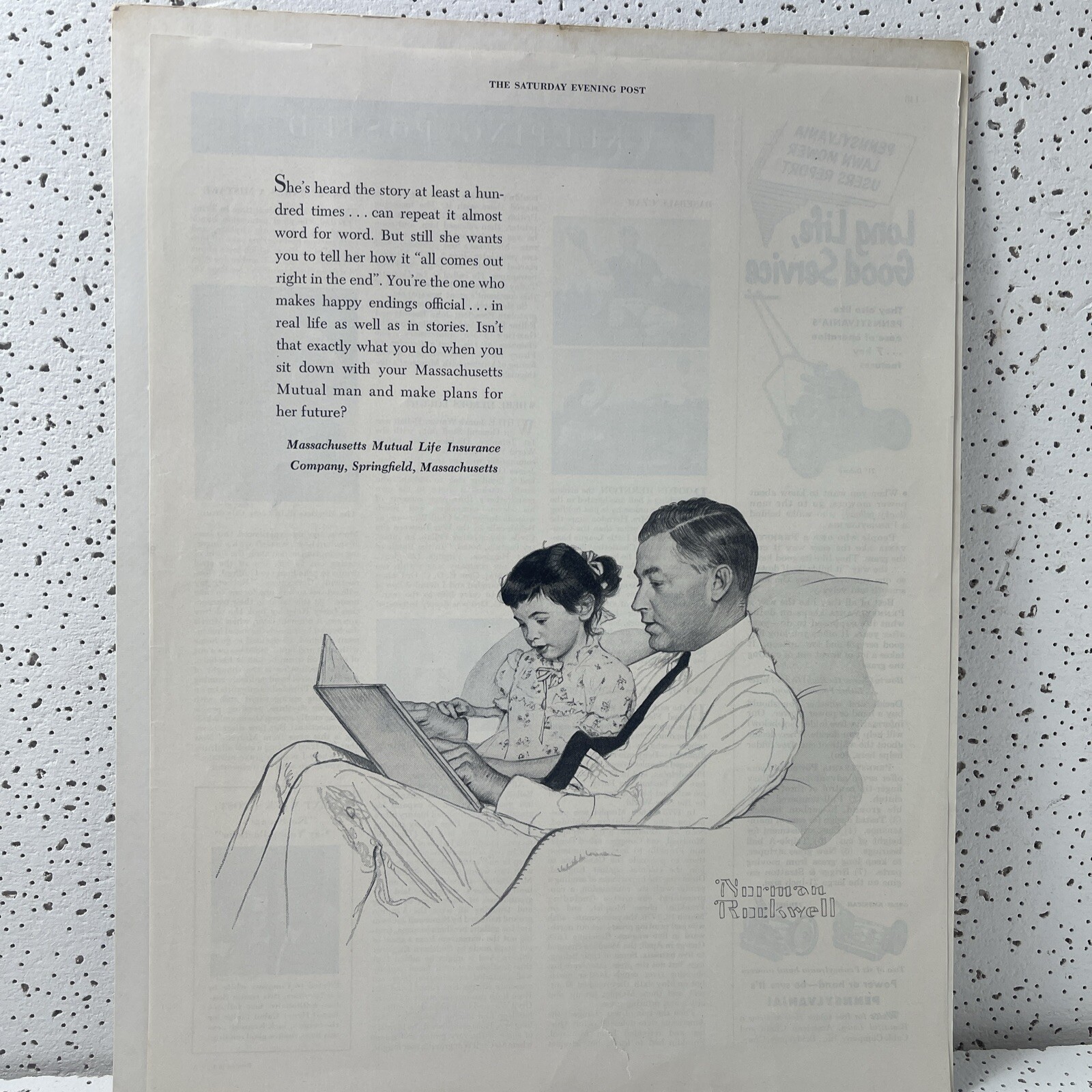
In its early and mid-20th-century iterations, Massachusetts Mutual Life Insurance maintained a human resources function that focused predominantly on administrative tasks: payroll management, benefits enrollment, and strict hierarchical personnel record-keeping. As a mutual company founded in 1851, the firm’s corporate culture was built on long-term stability and internal promotion.
HR departments during this period functioned as gatekeepers of policy rather than strategic business partners. Employees were largely viewed as assets to be managed within a rigid framework. However, as the insurance industry began to consolidate and technology started to reshape how financial products were marketed and serviced, MassMutual recognized that its human capital requirements were becoming increasingly technical and specialized. This necessitated a move away from clerical HR towards a more integrated talent lifecycle management approach.
The Shift Toward Talent Development and Digital Fluency
By the early 21st century, MassMutual began accelerating its digital transformation. This was not merely a technological upgrade but a fundamental shift in the human resources paradigm. The company started investing heavily in specialized talent acquisition, specifically targeting experts in cybersecurity, data analytics, and digital policy servicing.
The HR division rebranded its focus toward “Talent Development.” This shift recognized that the skill gaps in the insurance sector were widening. MassMutual implemented comprehensive training programs aimed at upskilling the existing workforce while concurrently building an attractive employer brand for tech-forward professionals. This period saw the integration of sophisticated HR Information Systems (HRIS) to automate routine processes, allowing HR business partners to move toward a model of data-informed employee lifecycle management.
Adapting to the Modern Workforce: 2026 and Beyond
By 2026, the HR evolution at MassMutual is defined by a hybrid-first philosophy and a deep emphasis on employee wellness and inclusivity. The current strategy revolves around the concept of the "Employee Value Proposition" (EVP), which acknowledges that the modern workforce prioritizes flexibility and purposeful work alongside traditional benefits.
Key pillars of this current HR evolution include:
- Agile Talent Mobility: Utilizing internal digital platforms to allow employees to move between projects and departments, fostering professional growth without necessitating traditional, vertical career paths.
- Integrated Wellness: Expanding the definition of benefits to include mental health support, financial literacy resources, and family planning assistance, recognizing that holistic wellbeing directly impacts productivity and retention.
- DEI as a Core Metric: Transforming Diversity, Equity, and Inclusion (DEI) from a policy-driven initiative into a core performance metric for leadership, ensuring that talent acquisition and promotion practices are systematically audited for bias.
Comparison of HR Paradigms at MassMutual
| Era | Primary HR Focus | Operational Model | Employee Relationship |
|---|---|---|---|
| Traditional (Pre-2000s) | Payroll & Compliance | Administrative | Transactional |
| Transformational (2000s-2015) | Talent Acquisition | Process Automation | Career-focused |
| Contemporary (2016-2026) | Holistic Employee Experience | Data-Driven/Agile | Partnership/Wellness |
The Role of Technology in Human Resources
The evolution of HR at MassMutual has been inextricably linked to its use of data analytics. The company now utilizes predictive modeling to anticipate turnover, monitor engagement levels, and identify skill gaps before they affect business output.
Modern HR tools at the firm are designed to create a personalized experience for the individual employee. Rather than applying a blanket policy to thousands of staff members, the current HR infrastructure uses internal portals to provide tailored benefits recommendations and learning paths. This personalization is critical in retaining top-tier talent in a competitive financial services market, where high-skilled workers have numerous options for employment.
Challenges in Navigating Cultural Evolution
Transitioning from a legacy institution with deep historical roots to a modern, agile workplace is not without significant challenges. One of the primary obstacles MassMutual’s HR has faced is the cultural friction between traditional insurance operations and modern tech-centric teams.
To bridge this gap, HR has prioritized internal communication strategies that emphasize the company’s mission of "helping people secure their future and protect the ones they love." By aligning diverse roles—from insurance underwriters to software engineers—under this shared purpose, the HR department has successfully maintained a cohesive corporate identity despite the rapid evolution of its internal workforce dynamics.
Frequently Asked Questions
How does MassMutual measure the success of its HR strategy? Success is measured through a combination of traditional metrics like turnover and time-to-hire, and contemporary metrics such as Employee Net Promoter Scores (eNPS), internal mobility rates, and participation rates in professional development programs.
Has the shift to remote work changed HR at MassMutual? Yes. The adoption of a hybrid work model has required HR to overhaul its performance management systems. The focus has moved from observing time-in-seat to evaluating project-based outcomes and contributions to team objectives.
What is the current approach to diversity in hiring? MassMutual uses data-driven recruitment pipelines to ensure candidate pools are representative. They also employ mentorship and sponsorship programs to provide clear pathways for underrepresented groups to reach leadership positions.
How does HR support financial wellness for employees? MassMutual leverages its own core expertise in financial services to provide comprehensive financial planning resources, 401(k) education, and retirement planning tools directly to its workforce as a core part of the total benefits package.
Recommendations for Future Engagement
For employees and candidates looking to understand or interact with the current state of human resources at MassMutual, the focus should be on the company’s internal portals and career-centric digital documentation. Engagement in 2026 requires a proactive approach to professional development; employees are expected to utilize company-provided learning platforms to navigate their own career trajectories. Those entering the organization should prioritize familiarization with the company’s hybrid work policies, as these dictate the day-to-day operational framework of the modern, evolved MassMutual HR environment.
Disclaimer: This article provides a general analysis of corporate evolution based on public information and historical trends. It does not constitute professional career advice or an endorsement of specific employment terms. Readers should consult official Massachusetts Mutual Life Insurance Company employment documentation for specific policy details.
Image Gallery