Is It a Full Moon Tonight? The Complete 2026 Lunar Calendar and Observation Guide
To determine if it is a full moon tonight, you must compare your current local date against the 2026 lunar cycle. In 2026, the Moon reaches its full phase approximately every 29.5 days. While the Moon appears "full" to the naked eye fo...
To determine if it is a full moon tonight, you must compare your current local date against the 2026 lunar cycle. In 2026, the Moon reaches its full phase approximately every 29.5 days. While the Moon appears "full" to the naked eye for about three days, the exact astronomical full moon occurs at a specific moment when the Moon is positioned directly opposite the Sun in its orbit.
Contents
The 2026 Full Moon Schedule and Calendar
Navigating the lunar cycle in 2026 requires an understanding of the specific dates and times when the Moon reaches 100% illumination. Because the lunar month (the synodic month) is shorter than most calendar months, dates shift slightly each year. Notably, 2026 features a rare "Blue Moon" in May, where two full moons occur within a single calendar month.
The following dates represent the exact moments of the full moon phases for the current year. Times are typically calculated in Universal Time (UTC), so observers in North America, Europe, and Asia may see the moon reach its peak on slightly different calendar days depending on their specific time zone.
| Month | Full Moon Date | Traditional Name | Notable Astronomical Events |
|---|---|---|---|
| January | January 3, 2026 | Wolf Moon | Occurs near perigee (Supermoon) |
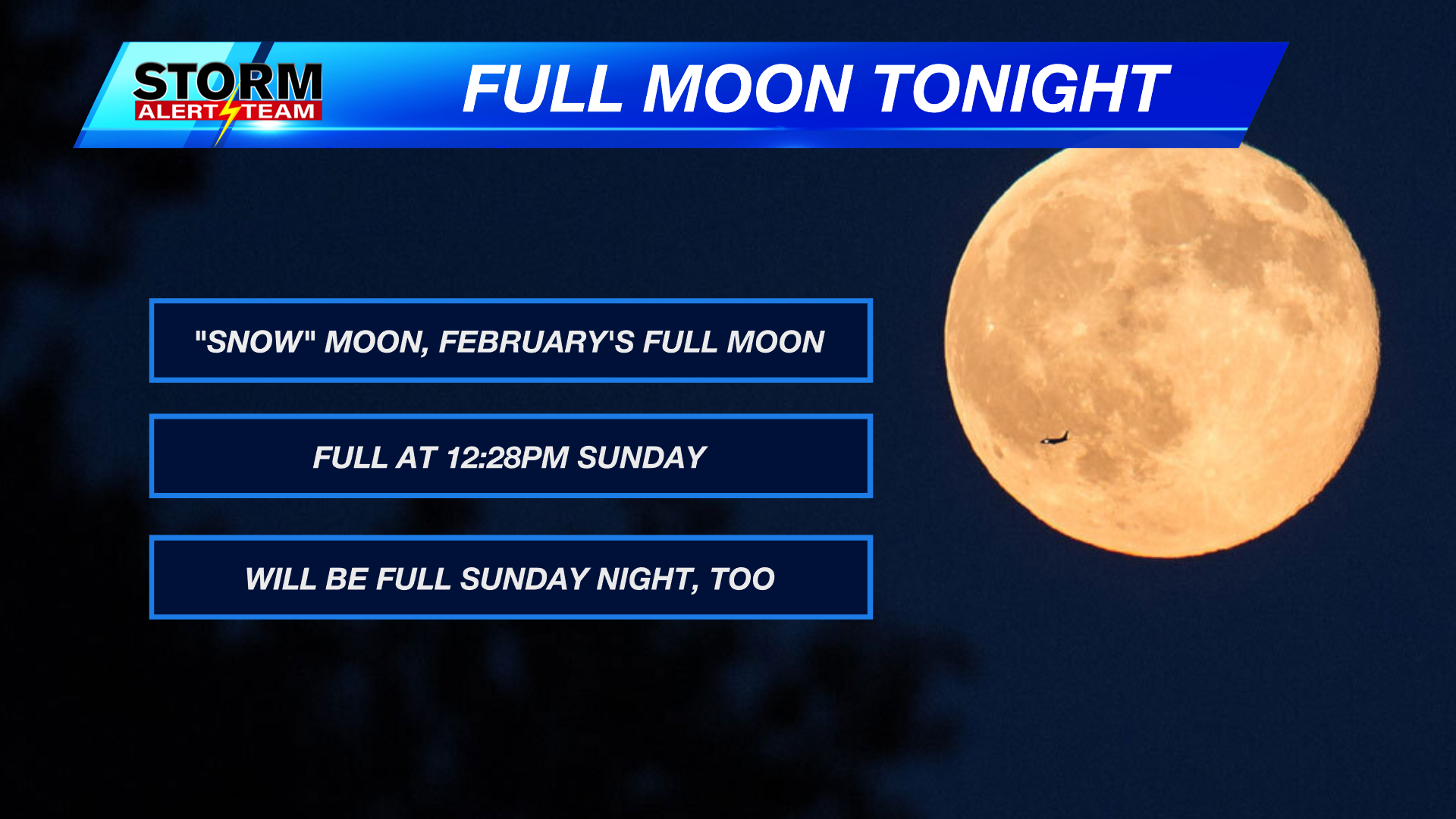
| February | February 1, 2026 | Snow Moon | Closest Supermoon of 2026 |
| March | March 3, 2026 | Worm Moon | Total Lunar Eclipse |
| April | April 1, 2026 | Pink Moon | Early Spring illumination |
| May | May 1, 2026 | Flower Moon | First of two full moons in May |
| May | May 31, 2026 | Blue Moon | Seasonal/Monthly Blue Moon |
| June | June 29, 2026 | Strawberry Moon | Low arc in the Northern Hemisphere |
| July | July 29, 2026 | Buck Moon | Peak of summer heat cycle |
| August | August 28, 2026 | Sturgeon Moon | Partial Lunar Eclipse |
| September | September 26, 2026 | Harvest Moon | Closest to the Autumnal Equinox |
| October | October 26, 2026 | Hunter’s Moon | Ideal for evening observation |
| November | November 24, 2026 | Beaver Moon | Late Autumn perigee influence |
| December | December 24, 2026 | Cold Moon | Occurs on Christmas Eve |
Understanding the Science of Full Moon Phases
A full moon is more than just a visual treat; it is a specific geometric alignment known in astronomy as syzygy. This occurs when the Earth is positioned directly between the Sun and the Moon. From our perspective on the ground, the entire day-side of the Moon is visible, reflecting sunlight back toward Earth.
The Synodic Month vs. The Sidereal Month
The reason the full moon doesn't land on the same date every month is due to the difference between the Moon’s orbital period and the Earth’s orbit around the Sun. A sidereal month is the time it takes the Moon to complete one full orbit around Earth relative to the stars, which is approximately 27.3 days. However, because Earth is also moving around the Sun, the Moon must travel a bit further to reach the same position relative to the Sun. This "cycle of phases" is called the synodic month, and it lasts approximately 29.53 days.
Why the Moon Looks Full for Several Nights
While astronomers define the "full moon" as the exact millisecond the Moon is at 180 degrees elongation from the Sun, the human eye cannot easily distinguish between 98% illumination and 100% illumination. Consequently, the Moon typically appears full for the night before and the night after the peak date. This three-day window provides ample opportunity for skywatchers, though photographers often seek the precise peak for the highest possible brightness and contrast.
Major Lunar Events in 2026
The year 2026 is an exceptional year for lunar observation, featuring both a total lunar eclipse and a rare alignment of supermoons. Understanding these events can help you plan your "tonight" observation more effectively.
The Total Lunar Eclipse: March 3, 2026
One of the most significant astronomical events of 2026 is the Total Lunar Eclipse on March 3. During this event, the Earth’s shadow (the umbra) completely covers the Moon, often turning it a deep, rusty red color due to Rayleigh scattering of sunlight through Earth's atmosphere. This "Blood Moon" will be visible across much of the Americas, the Pacific Ocean, East Asia, and Australia. Unlike a solar eclipse, a lunar eclipse is safe to view with the naked eye and lasts for several hours.
The 2026 Supermoons
A "Supermoon" occurs when the full moon coincides with perigee, the point in the Moon’s elliptical orbit where it is closest to Earth. In 2026, the full moons of January 3 and February 1 are considered Supermoons. During these periods, the Moon can appear up to 14% larger and 30% brighter than a "Micromoon" (when the moon is at apogee, its farthest point). The February 1 Full Snow Moon is particularly noteworthy as it is the closest approach of the year, making it a prime target for high-detail lunar photography.
The Partial Lunar Eclipse: August 28, 2026
Following the total solar eclipse earlier in the month, the full moon on August 28 will undergo a partial lunar eclipse. While not as dramatic as the total eclipse in March, observers in Europe, Africa, and the Americas will see a distinct "bite" taken out of the moon as it passes through the edge of the Earth's shadow.
Practical Tips for Observing the Full Moon
If your check confirms that it is indeed a full moon tonight, follow these steps to maximize your viewing experience.
Location and Timing
The best time to view a full moon is during moonrise or moonset. This is when the "Moon Illusion" takes effect—an optical illusion where the Moon looks much larger near the horizon than it does high in the sky. To find the exact moonrise time for your specific location, consult the U.S. Naval Observatory or a reputable astronomical app.
- Avoid Obstructions: Find a location with a clear view of the eastern horizon for moonrise or the western horizon for moonset.
- Check the Weather: Cloud cover is the primary enemy of lunar observation. Use infrared satellite maps to track cloud movement if the sky looks overcast.
Technical Equipment for Observation
While the full moon is spectacular with the naked eye, a few simple tools can reveal crater details and "seas" (maria):
- Binoculars: A pair of 7x50 or 10x50 binoculars is ideal. They provide enough magnification to see the larger craters like Tycho and Copernicus without requiring a tripod.
- Telescopes: If using a telescope, use a Moon Filter. Because the full moon reflects so much sunlight, it can be uncomfortably bright to look at through an unfiltered lens, causing temporary "blind spots" in your vision.
- Smartphone Apps: Use apps like SkyView or Star Walk 2 to track the Moon's path across the sky and identify nearby planets that might be in conjunction.
Capturing the Full Moon: Photography Tips
Photographing the moon is a common goal for those asking "is it a full moon tonight." However, many beginners are disappointed when their photos result in a small, blurry white dot. This is because the moon is actually very bright, and modern smartphone cameras often overexpose the shot.
- Use a Tripod: Even a slight hand shake will cause blur.
- Manual Settings (ISO and Shutter): Treat the moon like a sunlit object. Use a low ISO (100 or 200) and a fast shutter speed (1/125 to 1/250). This prevents the moon from appearing as a glowing white orb and preserves the detail of the lunar plains.
- The "Looney 11" Rule: A classic photography rule of thumb is to set your aperture to f/11 and match your shutter speed to the reciprocal of your ISO (e.g., ISO 200 at 1/200 shutter speed).
Frequently Asked Questions
Why is it called a Blue Moon if it isn't blue?
The term "Blue Moon" is a linguistic artifact and does not refer to the Moon's color. It most commonly refers to the second full moon in a single calendar month. In 2026, this occurs in May (May 1 and May 31). On extremely rare occasions, the Moon can appear blue due to atmospheric dust or smoke from volcanic eruptions, but this is unrelated to the lunar cycle.
Does a full moon affect human behavior?
Despite the popularity of the "Lunar Effect" or "Lunar Madness" theories, numerous scientific studies and meta-analyses have found no statistically significant link between the full moon and increases in crime, hospital admissions, or psychiatric emergencies. The perceived connection is often attributed to confirmation bias, where people notice the moon more during unusual events and ignore it during quiet nights.
How often does a full moon occur on a holiday?
Full moons land on specific holidays by chance every few years. In 2026, the Cold Moon falls exactly on December 24 (Christmas Eve). This is a relatively rare occurrence that adds a unique aesthetic to holiday celebrations. The last time a full moon occurred on December 25 was in 2015, and it won't happen again until 2034.
Why does the moon look orange when it's rising?
This is caused by the Earth’s atmosphere. When the Moon is low on the horizon, its light must travel through more of the atmosphere to reach your eyes. The atmosphere scatters shorter wavelengths of light (blue and violet) and allows longer wavelengths (red and orange) to pass through, similar to why sunsets are red.
Final Recommendation for Skywatchers
To stay informed about lunar phases in 2026, it is highly recommended to sync a lunar calendar to your digital device or use the NASA SkyCal tool. For tonight’s specific observation, prioritize finding a high vantage point at least 30 minutes before the scheduled moonrise. This allows your eyes to adjust to the ambient light and ensures you don't miss the dramatic appearance of the Moon as it breaks the horizon.
Image Gallery