Indonesia Banana Production and Trade Overview: 2026 Industry Analysis
As of 2026, Indonesia remains one of the world's top five banana producers, leveraging its volcanic soil and tropical climate to yield over 9 million metric tons annually. While domestic consumption absorbs nearly 95% of output, the ex...
As of 2026, Indonesia remains one of the world's top five banana producers, leveraging its volcanic soil and tropical climate to yield over 9 million metric tons annually. While domestic consumption absorbs nearly 95% of output, the export sector for premium Cavendish and organic varieties is expanding rapidly toward markets in China, Japan, and the Middle East.
Contents
The Landscape of Indonesian Banana Production
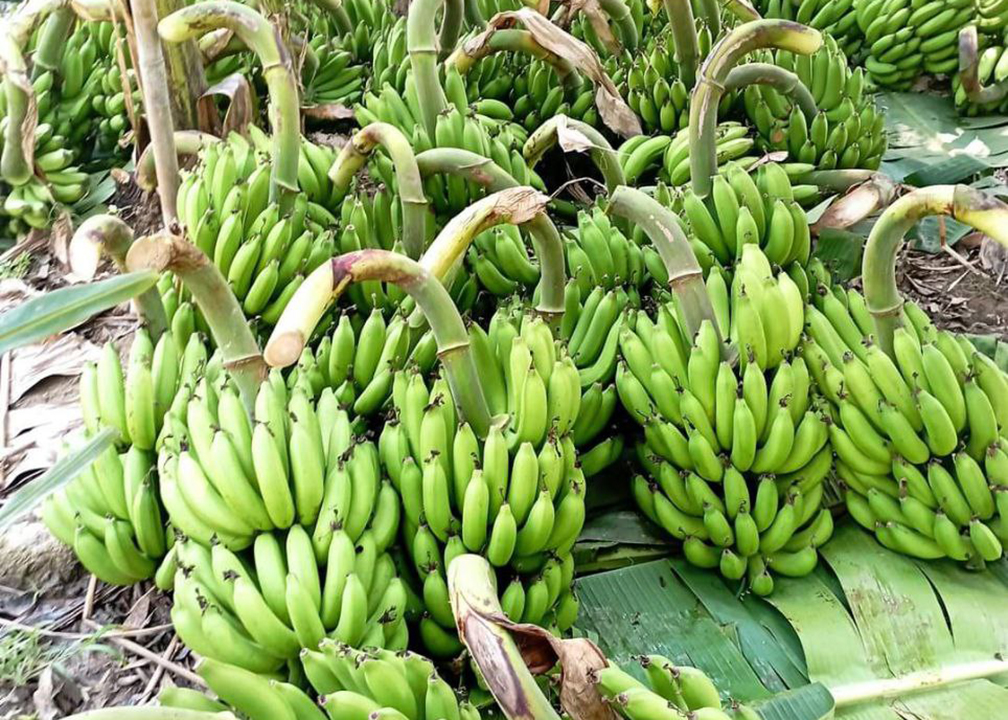
Banana production in Indonesia is a cornerstone of the national horticultural sector, providing both a primary food staple and a significant source of income for millions of smallholder farmers. The archipelago’s geography, characterized by high humidity and nutrient-rich volcanic soil, creates an ideal environment for Musa species. Unlike the large-scale plantation models seen in Latin America, Indonesian production is historically characterized by a fragmented smallholder system, although corporate estates have gained significant ground by 2026.
Major Production Clusters
Production is geographically distributed across the main islands, but specific clusters dominate the commercial output:
- East Java: This province consistently leads national production. Regions like Malang, Lumajang, and Banyuwangi are famous for both local varieties (like Pisang Agung) and export-grade Cavendish.
- Lampung: Located at the southern tip of Sumatra, Lampung hosts some of the largest integrated banana plantations in Southeast Asia. The presence of major corporate players has turned this region into the primary hub for international trade logistics.
- West Java: High-altitude areas in West Java specialize in premium highland bananas, catering primarily to the upscale Jakarta market and specialized export niches.
- North Sumatra and South Sulawesi: These regions have seen increased investment in 2025 and 2026 as part of the government’s efforts to decentralize the fruit industry and improve logistics for direct shipping to East Asian markets.
Cultivation Practices and Seasonal Trends
In 2026, the transition toward Good Agricultural Practices (GAP) has accelerated. Farmers are increasingly adopting semi-intensive cultivation methods, moving away from "backyard planting" to structured orchards. This shift is driven by the need to meet strict phytosanitary standards required by international buyers. While bananas are harvested year-round in Indonesia, peak production typically aligns with the end of the rainy season, leading to temporary price fluctuations in domestic markets.
Key Banana Varieties and Market Segmentation
Indonesia boasts one of the highest levels of banana biodiversity in the world. However, for trade purposes, the industry distinguishes between table bananas (dessert) and cooking bananas (plantains).
Cavendish: The Export Standard
The Cavendish variety remains the primary driver of Indonesia’s international trade. Its uniform size, predictable ripening cycle, and resistance to bruising make it the only viable option for long-distance maritime shipping. In 2026, corporate plantations in Lampung and East Java have optimized their "cold chain" systems to ensure that Cavendish reached ports in Shanghai and Tokyo with minimal post-harvest loss.
Local Favorites: Ambon, Raja, and Mas
While Cavendish dominates the export market, the domestic market prefers traditional varieties:
- Pisang Ambon: Known for its sweet aroma and soft texture, it is the most popular dessert banana within Indonesia.
- Pisang Mas: A small, thin-skinned, golden banana that has recently gained traction as a premium export to Japan due to its high sugar content and "snackable" size.
- Pisang Raja: Primarily used for traditional snacks and ceremonies, this variety commands a high price in local markets but is difficult to export due to its fragile skin.
Comparison of Key Commercial Varieties (2026 Data)
| Variety | Primary Use | Major Production Hub | Export Potential | Key Characteristic |
|---|---|---|---|---|
| Cavendish | Export / Retail | Lampung, East Java | High | High yield, uniform shelf life |
| Pisang Mas | Dessert / Snack | East Java | Medium-High | Small, very sweet, golden skin |
| Pisang Ambon | Domestic Table | West Java, Central Java | Low | Strong aroma, large fruit |
| Pisang Raja | Processing/Ceremony | Central Java | Low | Thick skin, honey-like taste |
| Kepok | Cooking/Frying | Kalimantan, Sumatra | Medium | High starch, pest resistant |
International Trade Dynamics and Export Growth
Indonesia’s trade profile in 2026 reflects a strategic pivot. For decades, Indonesia was a "sleeping giant" in banana exports, trailing behind the Philippines. However, through the Global Banana Drive initiative, Indonesia has successfully captured a larger share of the Asian market.
Primary Export Destinations
- China: Remains the largest volume buyer. Indonesian bananas are competitive in China due to shorter shipping routes compared to Latin American suppliers.
- Japan: A high-value market that demands strict adherence to Maximum Residue Limits (MRLs) for pesticides. Indonesia's "Premium Mas" variety has found a loyal consumer base here.
- Middle East (UAE and Saudi Arabia): This region has emerged as a critical growth frontier. The demand for Halal-certified fresh produce and the expansion of direct shipping routes from Jakarta to Dubai have facilitated this trade.
Trade Barriers and Regulatory Compliance
The primary hurdle for Indonesian exports remains phytosanitary requirements. In 2026, the Indonesian Ministry of Agriculture has intensified its collaboration with the International Plant Protection Convention (IPPC) to harmonize pest risk assessments. Exported bananas must be free from fruit flies and specific bacterial wilts, requiring rigorous packing house inspections and "Electronic Phytosanitary Certificates" (e-Phyto) to expedite customs clearance.
Technical Challenges: Disease Management and Logistics
Despite the growth, the industry faces significant biological and structural threats. The most notable is Fusarium wilt TR4 (Tropical Race 4), often called Panama Disease.
Combating Fusarium Wilt TR4
TR4 is a soil-borne fungus that can devastate Cavendish plantations. By 2026, Indonesia has implemented a multi-pronged strategy to manage this:
- Biosecurity Zones: Restricting the movement of soil and planting materials between islands.
- Resistant Cultivars: The National Research and Innovation Agency (BRIN) has been active in distributing TR4-tolerant Cavendish clones to smallholders.
- Soil Health: Moving away from heavy chemical use toward microbial soil enhancers that suppress fungal growth.
Logistics and Cold Chain Infrastructure
Indonesia’s archipelagic nature poses a unique challenge to the "cold chain"—the temperature-controlled supply chain required to keep bananas fresh. In 2026, the development of Integrated Cooling Hubs at major ports like Tanjung Priok (Jakarta) and Tanjung Perak (Surabaya) has reduced post-harvest spoilage from 20% to approximately 8%. However, the "last mile" logistics from remote farms to these hubs remain a cost bottleneck that impacts the final export price.
Government Policy and Investment Opportunities
The Indonesian government’s 2024–2029 economic roadmap emphasizes "Horticultural Downstreaming." This policy encourages the processing of non-export grade bananas into flour, chips, and puree to add value and reduce waste.
Partnership Models (Plasma-Inti)
To bridge the gap between smallholders and global markets, the government promotes the "Plasma-Inti" model. In this arrangement, a large corporate "core" (Inti) provides seeds, fertilizer, and technical guidance to "plasma" (smallholder) farmers, guaranteeing the purchase of their harvest at a fair market price. This model has been instrumental in scaling up Cavendish production for export while ensuring social stability.
Investment Climate
For investors in 2026, the most promising areas include:
- Agro-Tech: Precision farming tools for early disease detection.
- Packaging Innovation: Biodegradable coatings that extend the shelf life of bananas without plastic wrap.
- Logistics: Investment in refrigerated trucking fleets and solar-powered cold storage in rural regions.
FAQ
Which province in Indonesia produces the most bananas?
As of 2026, East Java remains the leading producer. The province benefits from a combination of favorable volcanic soil and a well-established network of collectors and processors. Districts like Malang and Lumajang are particularly dominant in both local and commercial varieties.
Is Indonesia a net exporter or importer of bananas?
Indonesia is a net exporter of bananas. While it produces a massive volume (over 9 million tons), the majority is consumed domestically. However, the value of exports has risen steadily through 2026 as the country captures more of the premium Cavendish market in East Asia.
How is Indonesia managing the Panama Disease (TR4)?
Indonesia uses a combination of strict biosecurity protocols, the development of resistant Cavendish varieties, and farmer education. The government has designated specific regions as "disease-free zones" to protect export quality, and the use of e-Phyto certification ensures that only healthy fruit enters the international trade stream.
Why are Indonesian bananas becoming more popular in Japan and China?
The proximity of Indonesia to these markets reduces shipping time and carbon footprints compared to South American exporters. Additionally, Indonesia’s ability to produce niche varieties like "Pisang Mas" caters to the specific consumer preferences for smaller, sweeter fruits in the Asian market.
What are the main requirements for exporting bananas from Indonesia?
Exporters must comply with the Good Agricultural Practices (GAP) certification, obtain a Phytosanitary Certificate from the Agricultural Quarantine Agency, and meet the specific Maximum Residue Limits (MRLs) for pesticides set by the importing country. In 2026, most buyers also require "traceability" documentation showing exactly where the fruit was grown.
Practical Recommendation for Stakeholders
For businesses looking to enter the Indonesian banana trade in 2026, the most effective strategy is to invest in mid-stream logistics. While production volumes are high, the quality gap between the farm gate and the export port is where the most value is lost. Establishing or utilizing modern packing houses with integrated pre-cooling facilities will significantly increase the percentage of "Class A" fruit eligible for premium international prices. Furthermore, engaging in a contract farming model with local cooperatives provides a stable supply chain while fulfilling government requirements for social responsibility and local empowerment.
Image Gallery