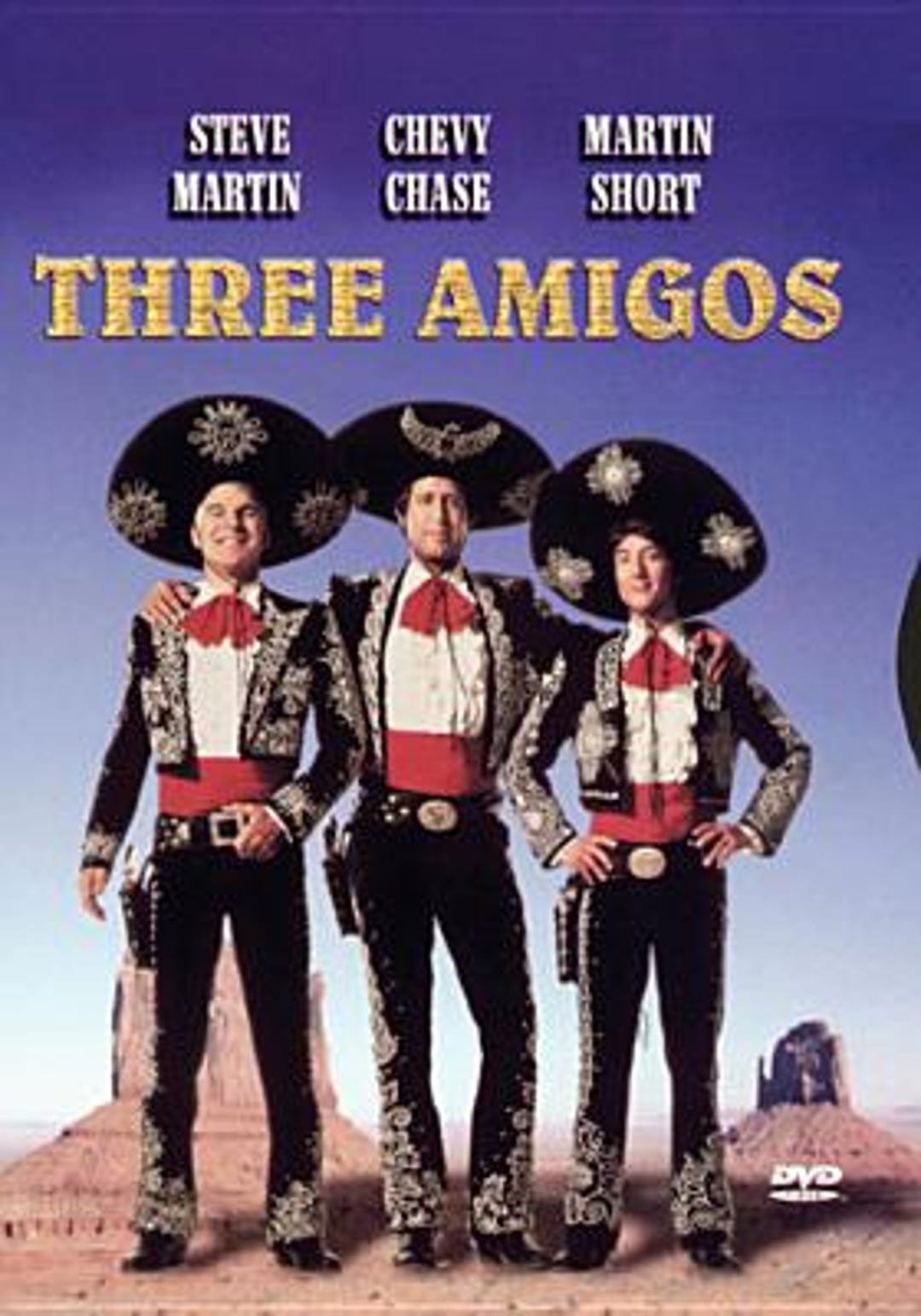
Steve Martin and Chevy Chase: Inside Their Comedy Partnership and Lifelong Dynamic
Steve Martin and Chevy Chase built a celebrated comedic relationship that defined late-1970s and 1980s American satire. Although they were never full-time Saturday Night Live cast members together, their mutual roots in Lorne Michaels'...
Steve Martin and Chevy Chase built a celebrated comedic relationship that defined late-1970s and 1980s American satire. Although they were never full-time Saturday Night Live cast members together, their mutual roots in Lorne Michaels' television circle culminated in the 1986 classic comedy Three Amigos!, solidifying their shared place in Hollywood history alongside co-star Martin Short.
Contents
The Origins of Their Connection: The Saturday Night Live Era
To understand the friendship and professional synergy between Steve Martin and Chevy Chase, one must look back to the formative years of late-night comedy in the mid-1970s. When NBC launched Saturday Night Live (then titled NBC's Saturday Night) in October 1975, Chevy Chase emerged as the breakout star of the "Not Ready for Prime Time Players." His deadpan delivery on "Weekend Update," trademark physical falls, and arrogant, handsome persona made him an overnight cultural phenomenon.
However, Chase left the sketch series early in its second season in late 1976 to pursue a career in feature films. Shortly after Chase’s departure, Steve Martin made his debut as an SNL guest host in October 1976. Martin was already a burgeoning stand-up comic, renowned for his absurdist, high-concept, "wild and crazy" stage persona, which deliberately subverted traditional joke formats.
While they never appeared as co-stars in the regular weekly SNL cast, their shared association with creator Lorne Michaels created an immediate bond. Martin became the definitive guest host of SNL's golden era, hosting the show more than a dozen times throughout the late 1970s and 1980s. Whenever Chase returned to host or make cameo appearances, the two frequently crossed paths, sharing the stage in memorable sketches, including celebratory anniversary specials and the iconic "Five-Timers Club" routine.
This shared television crucible laid the foundation for a professional camaraderie built on mutual respect for physical slapstick, sharp timing, and a deep understanding of meta-humor. During this period, both performers were transitioning from live television and stage shows into major Hollywood film careers, creating a unique parallel in their creative trajectories.
Three Amigos! (1986): The High-Water Mark of Their Film Collaboration
The single most significant milestone in the comedic partnership of Steve Martin and Chevy Chase arrived in 1986 with the release of Three Amigos!. Directed by John Landis, the film was co-written by Steve Martin, Lorne Michaels, and singer-songwriter Randy Newman.
- 1986: THREE AMIGOS!
- Lucky Day (Steve Martin)
- Dusty Bottoms (Chevy Chase)
- Ned Nederlander (Martin Short)
The concept originally took shape in the late 1970s under the working title The Three Caballeros, with Martin writing the screenplay with his distinct brand of visual and linguistic absurdity. The narrative follows three silent-film western stars—Lucky Day (Steve Martin), Dusty Bottoms (Chevy Chase), and Ned Nederlander (Martin Short)—who are mistakenly hired by a Mexican village to defend them from a real-life bandit crew led by the villainous El Guapo.
On set, the chemistry between Martin and Chase proved central to the movie’s comedic rhythm:
- Steve Martin as Lucky Day: The self-appointed leader who delivers grandiose speeches with blind confidence, masking his absolute incompetence.
- Chevy Chase as Dusty Bottoms: The suave, slightly detached pianist turned stunt performer who brings a dry, unflappable cynicism to terrifying situations.
- The Shared Dynamic: Martin’s frantic, earnest physical humor complemented Chase’s laid-back, deadpan arrogance, creating a balanced comedic core that prevented the film from veering into pure farce.
The production was famous for its off-screen camaraderie. Filming in the deserts of California and Arizona, Martin, Chase, and Short spent hours between takes in full embroidered mariachi suits, entertaining each other with lip-sync routines, tongue-twisters, and improvisational bits. This off-camera affection translated directly onto the screen, elevating scenes like the "My Little Buttercup" saloon performance and the famous "Blue Shadows on the Trail" campfire song into enduring classics of 1980s cinema.
Analyzing Their On-Screen Dynamic and Comedy Mechanics
The comedic synergy between Steve Martin and Chevy Chase works because their foundational styles represent two complementary sides of American comedy. During the late 1970s and 1980s, both actors disrupted classical comedy traditions, but they executed their disruptions using vastly different techniques.
| STEVE MARTIN | CHEVY CHASE |
|---|---|
| • Conceptual Absurdism | • Deadpan Satire & Arrogance |
| • Exaggerated Enthusiasm | • Cool Detachment |
| • Calculated Precision Slapstick | • Bumbling Physical Stumbles |
| • Deconstructive Meta-Humor | • Understated Verbal Wit |
Steve Martin: The Conceptual Absurdist
Martin’s comedy relied heavily on enthusiasm, intellectual irony, and meticulous physical control. Whether playing a bombastic silent-movie star or a frantic executive, Martin embraced the ridiculousness of his characters. His physical comedy was precise, almost choreographed, drawing on his early training as a magician and Disneyland performer. In scenes with Chase, Martin often played the earnest instigator whose overconfident plans inevitably failed.
Chevy Chase: The Cool Cynic
In contrast, Chase excelled at cool detachment and verbal understatedness. His character work relied on the tension between looking like a standard Hollywood leading man while behaving with absurd obliviousness or mild contempt. Chase’s physical humor—characterized by unprompted trips, awkward stumbles, and straight-faced recovery—worked as a counterweight to Martin's theatricality. When paired together, Chase acted as the deadpan anchor to Martin's explosive energy.
This contrast proved vital in Three Amigos!. When Lucky Day (Martin) attempts to lead the group with solemn bravado, Dusty Bottoms (Chase) undercuts the moment with a dry, side-eyed observation. This back-and-forth created a natural rhythm where neither actor competed for the same comedic space; instead, they passed the punchlines back and forth seamlessly.
The Trio Dynamics: Steve Martin, Chevy Chase, and Martin Short
It is impossible to explore the relationship between Steve Martin and Chevy Chase without contextualizing the third member of their cinematic trio: Martin Short. Joining Three Amigos! fresh off his iconic 1984–1985 season on Saturday Night Live, Short added a high-pitched, theatrical vulnerability as Ned Nederlander.
The making of Three Amigos! established a lifelong friendship among all three actors, though the sub-dynamics evolved differently over the subsequent decades:
- The Lifelong Partnership of Martin and Short: Steve Martin and Martin Short formed an exceptionally tight personal and professional bond on the set of Three Amigos!. That partnership yielded subsequent film collaborations (Father of the Bride), multi-year national live stage tours, and the critically acclaimed Hulu mystery-comedy series Only Murders in the Building.
- Chevy Chase’s Complex Legacy: While Chevy Chase remained a beloved figure in the historical legacy of the trio, his career trajectory in later decades followed a different path. Known in the industry for a more abrasive personal style and well-documented set friction on later projects such as NBC's Community, Chase drifted somewhat from the frequent live touring circuit that Martin and Short maintained.
- Enduring Mutual Respect: Despite differing career choices and personal circles in their later years, all three performers have repeatedly emphasized the unique affection they share for their time on Three Amigos!. In various retrospectives and anniversary interviews, Martin and Short have praised Chase's brilliant natural gifts as a physical comedian, while Chase has frequently cited Three Amigos! as the most enjoyable filming experience of his long career.
Comparative Breakdown: Steve Martin vs. Chevy Chase Filmography and Milestones
To better understand how their careers intersected and diverged, the following table details the key projects, shared milestones, and career metrics for both performers across five decades in entertainment.
| Milestone / Metric | Steve Martin | Chevy Chase |
|---|---|---|
| Early Breakout Platform | The Smothers Brothers Comedy Hour (Writer), Stand-Up Albums, SNL Host | Saturday Night Live Original Cast Member (1975–1976) |
| Key 1980s Co-Star Project | Three Amigos! (1986) – Co-Writer & Co-Star | Three Amigos! (1986) – Co-Star |
| Signature Film Franchises | The Jerk, Parenthood, Father of the Bride, The Pink Panther | National Lampoon's Vacation series, Fletch, Caddyshack |
| Physical Comedy Style | Precision acrobatics, dancing, animated facial expressions, banjo integration | Subtle trips, straight-faced stumbles, tall stature slapstick, deadpan takes |
| SNL Hosting Record | 16-time Host (Second most in SNL history behind Alec Baldwin) | 8-time Host (First former cast member to return as host) |
| Major Television Achievements | Only Murders in the Building (Star/Co-Creator) | Community (Pierce Hawthorne) |
| Honors & Recognition | Honorary Academy Award, Kennedy Center Honors, Mark Twain Prize | Harvard Lampoon Lifetime Achievement, Emmy Awards (Writing/Performing) |
Behind the Scenes: Writing and Directing Three Amigos!
The creation of Three Amigos! offers a rare window into Steve Martin’s creative process and how he tailored comedy specifically for himself and Chevy Chase. Martin spent nearly a decade refining the script, drawing inspiration from classical cinema like Akira Kurosawa's Seven Samurai and John Sturges's The Magnificent Seven, but reinterpreting the "heroic defense" motif through a theatrical lens.
The Screenplay Mechanics
Martin wrote the characters to highlight the vanity of Hollywood actors contrasted against stark reality. The script allowed Chase to leverage his dry delivery in scenes where the characters fail to realize that actual bullets are being fired at them. One of the film's funniest recurring jokes—that the Amigos view real violence as merely elaborate special effects and "very good stunt work"—relies entirely on Chase's unwavering, casual confidence under fire.
- THE "THREE AMIGOS!" SCRIPT STRUCTURE
- Real-World Danger (Bandits, Bullets, Fear)
- Hollywood Vanity (Costumes, Speeches, Poses)
- Peak Comedic Tension
Directorial Tone and On-Set Energy
Director John Landis, fresh off successes like National Lampoon's Animal House, The Blues Brothers, and Trading Places (which starred Chevy Chase), permitted a high degree of controlled improvisation. While Steve Martin favored sticking closely to structured dialogue and precise physical choreography, Chase excelled at off-the-cuff remarks and sudden physical gags. Landis balanced these two instincts by filming extensive group master shots that allowed all three lead actors to react in real time to one another's antics.
The shooting conditions were grueling, with long days under the desert sun in heavy suede costumes. Rather than creating tension, the harsh environment bonded the leads. According to cast recollections, the trio spent virtually all off-camera downtime together in their shared trailer, singing four-part harmony songs and inventing backstage games—a level of camaraderie rarely found on feature film sets of that scale.
Legacy and Influence on Contemporary Comedy
The friendship and collaborative body of work produced by Steve Martin and Chevy Chase left a lasting mark on modern American screen comedy. Their work together helped define the transition from the countercultural, anti-establishment humor of the early 1970s into the mainstream studio blockbusters of the 1980s.
Transforming the "Mismatched Buddy" Tropes
Before Three Amigos!, Hollywood comedy duos often relied on stark visual or personality contrasts (the neat freak versus the slob, the straight man versus the fool). Martin and Chase, together with Short, introduced a refined dynamic: all three characters were foolish, yet each occupied a distinct band of the delusional spectrum. This multi-layered approach to character-based ignorance influenced subsequent ensemble comedies, including Galaxy Quest, Tropic Thunder, and Anchorman.
The SNL Alumni Blueprint
Martin and Chase established a career template for future generations of Saturday Night Live talent. They demonstrated how sketch-comedy origins and television catchphrases could be converted into long-term theatrical careers without losing the edge of alternative satire. Performers ranging from Will Ferrell and Mike Myers to Tina Fey and Bill Hader have cited the work of Martin, Chase, and their late-1970s peers as the baseline standard for transitioning from late-night sketch television to cinematic authorship.
Frequently Asked Questions
Were Steve Martin and Chevy Chase both cast members on Saturday Night Live at the same time?
No. Chevy Chase was an original cast member during Season 1 (1975–1976) and left early in Season 2. Steve Martin was never a full-time cast member on SNL, though he began his famous stint as a frequent guest host in Season 2 (October 1976). They worked together on the show during special anniversary broadcasts, cameos, and hosting appearances.
Who wrote the movie Three Amigos!?
Three Amigos! was co-written by Steve Martin, Lorne Michaels (creator of Saturday Night Live), and acclaimed musician and songwriter Randy Newman. Newman also composed original songs for the film, including "Unchained Melody" parodies, "My Little Buttercup," and "Blue Shadows on the Trail."
What was the original title of Three Amigos!?
The project was originally conceived by Steve Martin under the working title The Three Caballeros. It sat in development for several years before being retitled Three Amigos! when production was officially greenlit in the mid-1980s.
Are Steve Martin, Chevy Chase, and Martin Short still close friends?
Steve Martin and Martin Short remain best friends and regular professional partners, co-starring in Only Murders in the Building and touring live stage shows together. While Chevy Chase does not tour with them, all three actors have publicly expressed ongoing mutual affection and pride in their shared history, frequently reminiscing about their time filming Three Amigos!.
How do Steve Martin and Chevy Chase's comedy styles differ?
Steve Martin’s style relies on absurdism, high-energy physical showmanship, meta-humor, and enthusiastic conceptual bits. Chevy Chase’s signature style centers on deadpan delivery, cool detachment, understated verbal sarcasm, and deliberate, straight-faced physical falls.
Practical Takeaways for Comedy Fans and Film Historians
To fully appreciate the comedic legacy of Steve Martin and Chevy Chase, film enthusiasts and comedy historians should consider the following viewing order and historical materials:
- Start with Late-1970s SNL Highlights: Watch Season 1 episodes featuring Chevy Chase's "Weekend Update" segments alongside Season 2 and Season 3 episodes hosted by Steve Martin (particularly the "Wild and Crazy Guys" sketches alongside Dan Aykroyd) to observe their initial comedy personas.
- Study Three Amigos! (1986): Pay special attention to the visual staging in group scenes. Observe how director John Landis uses wide shots so that Chevy Chase’s subtle background physical takes complement Steve Martin’s central, high-energy dialogue delivery.
- Explore the SNL Anniversary Specials: Watch the Saturday Night Live 15th and 25th Anniversary Specials, where Martin, Chase, and Martin Short frequently share the stage, demonstrating their quick-witted, unscripted group chemistry years after their primary film collaboration.
Image Gallery